

Commentary
Evan A. Feigenbaum
{
  "authors": [
    "Evan A. Feigenbaum"
  ],
  "type": "legacyinthemedia",
  "centerAffiliationAll": "dc",
  "centers": [
    "Carnegie Endowment for International Peace"
  ],
  "collections": [],
  "englishNewsletterAll": "asia",
  "nonEnglishNewsletterAll": "",
  "primaryCenter": "Carnegie Endowment for International Peace",
  "programAffiliation": "AP",
  "programs": [
    "Asia"
  ],
  "projects": [],
  "regions": [
    "East Asia",
    "China"
  ],
  "topics": [
    "Economy"
  ]
}
Source: Getty
The central issue to be addressed by the Third Plenum is the proper role of the state in China, including the organization of the state and the relations of the state to markets and to citizens.
Source: CNBC
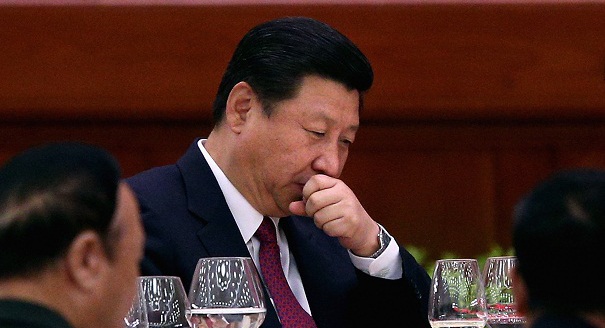
Carnegie’s Evan Feigenbaum appeared on CNBC to discuss what to look for from the Third Plenum of the 18th Chinese Communist Party Congress, which is expected to launch wide-ranging economic reforms. Feigenbaum pointed out that reform is best viewed as a process rather than an event, and that the most important thing to come out of the Plenum will be a sense of the broad direction in which reforms over the coming five years will move. He asserted that the highest priority for the Plenum should be to outline what the role of the state is going to be in the coming years, particularly in three areas: the state's relationship to markets, its relationship to its citizens, and the way in which it is organized. These three areas correspond to three high priority reforms: reducing energy and other factor price distortions, rural land reform to give peasants stronger property rights, and restructuring of the fiscal relationship between the central and local governments. Overall, Feigenbaum said that he sees reason for optimism about the coming reform announcement.

Vice President for Studies
Evan A. Feigenbaum is vice president for studies at the Carnegie Endowment for International Peace, where he oversees work at its offices in Washington, New Delhi, and Singapore on a dynamic region encompassing both East Asia and South Asia. He served twice as Deputy Assistant Secretary of State and advised two Secretaries of State and a former Treasury Secretary on Asia.
Recent Work
Evan A. Feigenbaum
Evan A. Feigenbaum

The armed forces champion a form of capitalism that is generating revenue, but its reliance on rent faces diminishing returns, leaving the country with massive sunk costs and deferred returns, deepening dependency on external borrowing.

Yezid Sayigh

In an interview, Ishac Diwan looks at the merits and flaws in the draft legislation distributing losses from the financial collapse.

Michael Young

Mustaqbal Misr has expanded its portfolio with remarkable speed, but a lack of transparency remains.
Yezid Sayigh

Arab diaspora business communities in Egypt often mirror the same systemic challenges facing Egyptian businesses.

Nur Arafeh, Yezid Sayigh, Qaboul al-Absi, …

Largely characterized thus far by a single-minded focus on extractivism, Riyadh must commit to greater equitability in its approach to investment and development deals with Sudan, Ethiopia, and Eritrea.

Hesham Alghannam