

Q&A
Suzanne Maloney, Aaron David Miller, Karim Sadjadpour
{
  "authors": [
    "Karim Sadjadpour"
  ],
  "type": "legacyinthemedia",
  "centerAffiliationAll": "dc",
  "centers": [
    "Carnegie Endowment for International Peace"
  ],
  "collections": [
    "Iranian Proliferation"
  ],
  "englishNewsletterAll": "menaTransitions",
  "nonEnglishNewsletterAll": "",
  "primaryCenter": "Carnegie Endowment for International Peace",
  "programAffiliation": "MEP",
  "programs": [
    "Middle East"
  ],
  "projects": [],
  "regions": [
    "United States",
    "Middle East",
    "Iran"
  ],
  "topics": [
    "Nuclear Policy",
    "Foreign Policy"
  ]
}
Source: Getty
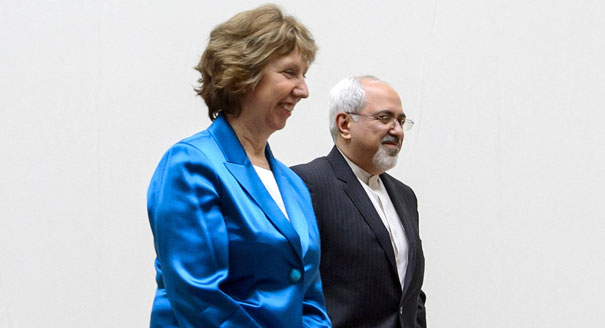
Both pressure and diplomacy were essential in pushing Iran to the negotiating table and reaching an interim nuclear deal.
Source: CNN’s Middle East Marketplace
Both pressure and diplomacy were essential in pushing Iran to the negotiating table and reaching an interim nuclear deal, Carnegie’s Karim Sadjadpour explained on CNN’s Middle East Marketplace. In addition, the arrival of President Hassan Rouhani and his Foreign Minister Javad Zarif was a game-changer. In contrast to Rouhani’s predecessor Mahmoud Ahmadinejad, who united the international community against Iran, Javad Zarif started to create fissures within the international community, placing Iran’s national and economic interest before idealogical interests.
In order for there to really be a U.S.-Iran rapprochement, Sadjadpour said, Iran would have to dramatically halt some of its regional policies, mainly its rejection of Israel’s existence and its support for militant groups like Hezbollah, Hamas, and Islamic jihad. However, he added that he hasn’t seen signs that Iran is ready to modify its policy towards Israel or cut lose President Assad in Syria.
This interview was originally aired on CNN’s Middle East Marketplace.

Senior Fellow, Middle East Program
Karim Sadjadpour is a senior fellow at the Carnegie Endowment for International Peace, where he focuses on Iran and U.S. foreign policy toward the Middle East.
Recent Work


Suzanne Maloney, Aaron David Miller, Karim Sadjadpour

Aaron David Miller, Karim Sadjadpour, Robin Wright
Carnegie does not take institutional positions on public policy issues; the views represented herein are those of the author(s) and do not necessarily reflect the views of Carnegie, its staff, or its trustees.

The accord represents a pivotal moment in the region to avert a security vacuum in the Gulf.


Azeema Cheema, Mohanad Hage Ali

In an interview, Jason Burke discusses his sweeping account of the “revolutionists” who so shaped the 1970s and early 1980s.

Michael Young

By failing to address Palestinian representation, the current process is bound to lead to just another temporary arrangement.

Nathan J. Brown

Morocco and Algeria, each in its own way, are having to navigate the global economic fallout of the U.S.-Israeli military campaign against Iran.

Yasmine Zarhloule
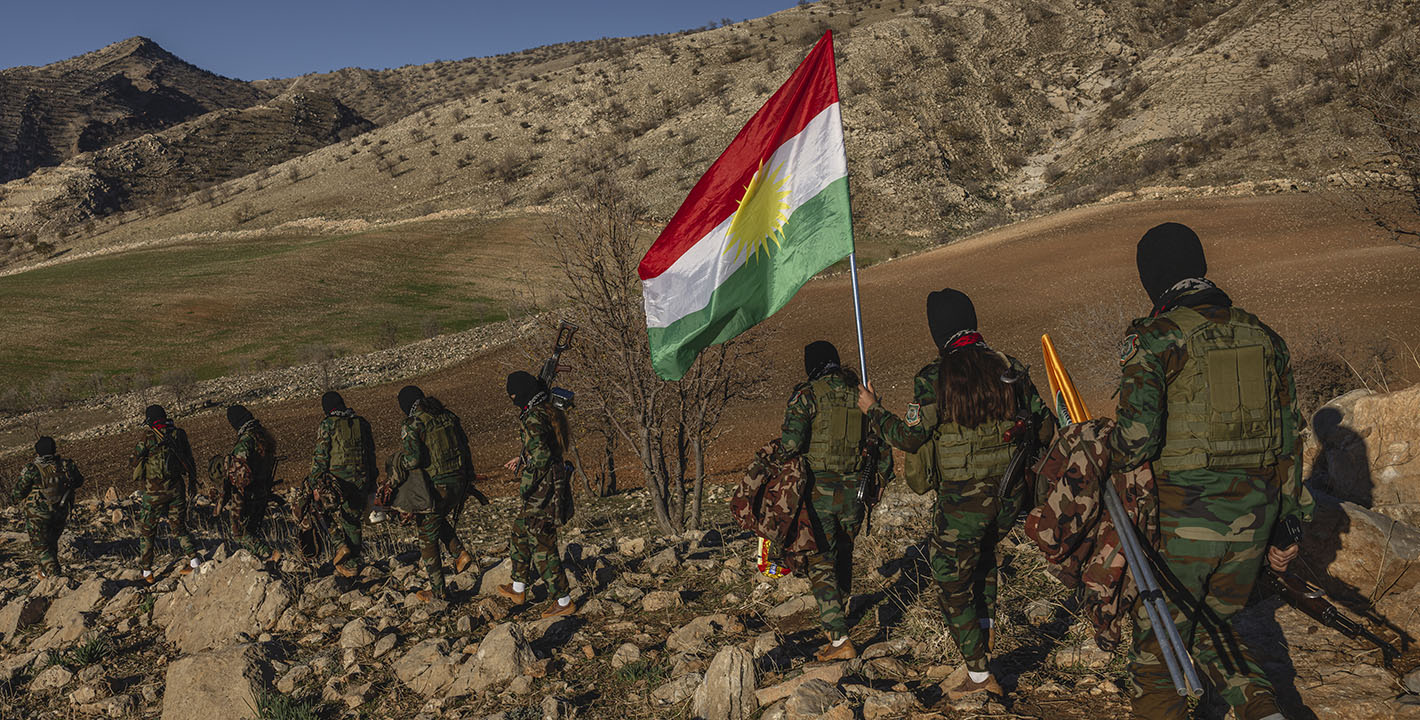
Following its deal with the United States, Iran may act against Iraq-based dissidents.
Wladimir van Wilgenburg