

In The Media
Lilia Shevtsova
{
  "authors": [
    "Lilia Shevtsova"
  ],
  "type": "commentary",
  "centerAffiliationAll": "",
  "centers": [
    "Carnegie Endowment for International Peace",
    "Carnegie Russia Eurasia Center"
  ],
  "collections": [],
  "englishNewsletterAll": "",
  "nonEnglishNewsletterAll": "",
  "primaryCenter": "Carnegie Russia Eurasia Center",
  "programAffiliation": "",
  "programs": [],
  "projects": [],
  "regions": [
    "Russia"
  ],
  "topics": [
    "Political Reform",
    "Democracy",
    "Civil Society"
  ]
}
Source: Getty
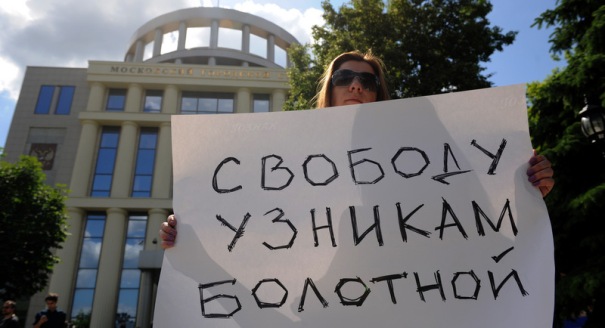
In May 2012, the arrest of ordinary demonstrators on Bolotnaya Square and the riot charges pressed against them signalled the authorities’ shift from soft authoritarianism that tolerates limited discontent to a more repressive style of government.
Every country’s history has turning points that mark the end of one era and the start of another. In Russia’s recent history there were three events that stand out as turning points in the country’s development. The first was the shelling of the Russian parliament in October 1993 which led to the establishment of a monopoly hold on power, reflected in the adoption of a new Russian constitution that legitimized personalized rule. The second came in the autumn of 2003 with the arrest and imprisonment of Mikhail Khodorkovsky, which signaled Russia’s turn toward state capitalism and a clear merger of government and assets, this time under the security agencies’ control. Finally, in May 2012, the arrest of ordinary demonstrators on Bolotnaya Square and the riot charges pressed against them signalled the authorities’ shift to a new stage. The shift in this case is from soft authoritarianism that tolerates limited discontent to a more repressive style of government. This new trend does not mean the Kremlin will drop its attempts to imitate a “political thaw” and even allow a dose of “managed competition” in elections. These attempts come out of the authorities’ desire to give elections legitimacy and co-opt or discredit opposition members. But “managed competition” does not change the repressive essence of the government system that has taken shape in Russia over these last two years.
In the “Bolotnaya” case, the authorities have grabbed a handful of people out of the crowd, are holding them in prison, but have not succeeded in proving any case against them. The authorities make it clear that these people are their hostages and will stay in prison, as if to say to the public that “any of you could be in their place.” The case is further confirmation of the court system’s degradation and the fact that it has become a repressive tool in the state’s hands. By taking ordinary people and not even political activists hostage, the authorities have shown that they are ready to use state terror against their own people in order to keep their grip on power.
Over the last 20 years, Russia has gone from being a country that was thinking about democracy and law to a country in which the government puts people in prison for attempting to assert their constitutional rights.
The low level of public protests against the emergence of political prisoners in Russia leads the authorities to conclude that their tactic works. They will thus continue on this road. None of the Kremlin’s efforts to give itself a makeover before the Olympics reassure public opinion abroad or guarantee the success of Putin’s pet project. They should not give anyone any illusions that the authorities might yet make a shift in a different direction and suddenly move toward an open society.
But the authorities’ refusal to acknowledge even the basic rules of law encourages society to follow the same logic and gives rise to aggression unchecked by legal and moral limits. Russia is entering a period when the authorities themselves are pushing the country toward civil confrontation. This time though, it will not be the cultivated and intelligent young people—who ended up as the Bolotnaya prisoners—taking to the streets, but the angry mob. Welcome to the Hobbesian World!
Former Senior Associate, Russian Domestic Politics and Political Institutions Program, Moscow Center
Shevtsova chaired the Russian Domestic Politics and Political Institutions Program at the Carnegie Moscow Center, dividing her time between Carnegie’s offices in Washington, DC, and Moscow. She had been with Carnegie since 1995.
Recent Work
Lilia Shevtsova
Lilia Shevtsova
Carnegie does not take institutional positions on public policy issues; the views represented herein are those of the author(s) and do not necessarily reflect the views of Carnegie, its staff, or its trustees.
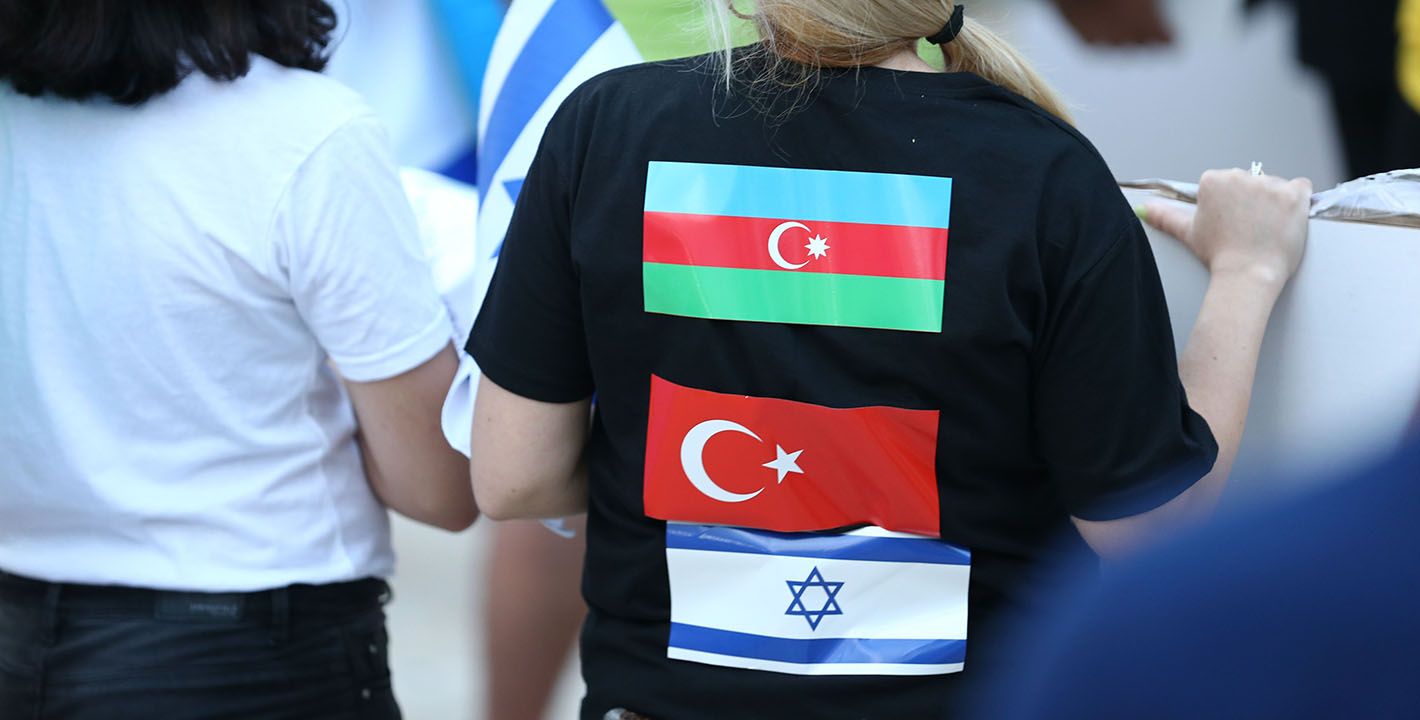
The country’s leadership is increasingly uneasy about multiple challenges from the Levant to the South Caucasus.

Armenak Tokmajyan
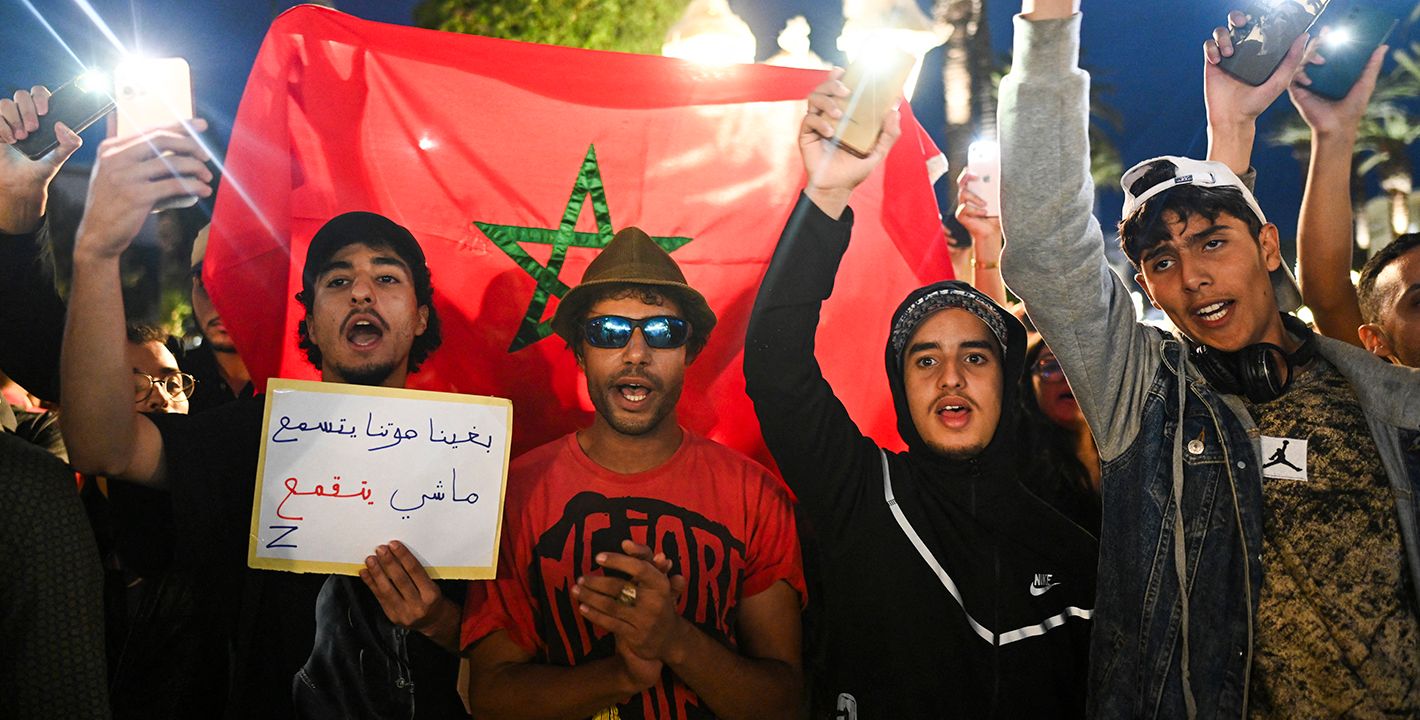
The country’s youthful protest movement is seeking economic improvement, social justice, and just a little hope.

Yasmine Zarhloule
In an interview, Daniela Richterova speaks about her book on Czechoslovakia’s Cold War ties to Palestinian groups and others.

Michael Young

In fragmented political contexts, climate activism is a way to contest both ecological harm and the structures of violence and neglect that allow it to persist.


Issam Kayssi, Mohanad Hage Ali
The downfall of the Assad regime represented a setback, but Russia’s primary focus remains Ukraine.

Sergei Melkonian