

In The Media
Vikram Nehru
{
  "authors": [
    "Vikram Nehru"
  ],
  "type": "legacyinthemedia",
  "centerAffiliationAll": "dc",
  "centers": [
    "Carnegie Endowment for International Peace",
    "Carnegie China"
  ],
  "collections": [],
  "englishNewsletterAll": "ctw",
  "nonEnglishNewsletterAll": "",
  "primaryCenter": "Carnegie China",
  "programAffiliation": "SAP",
  "programs": [
    "South Asia"
  ],
  "projects": [],
  "regions": [
    "East Asia",
    "China"
  ],
  "topics": [
    "Political Reform",
    "Economy",
    "Domestic Politics"
  ]
}
Source: Getty
If Beijing is serious in implementing the third plenum document’s central message on the decisive role of markets, then this may well prove to be a pivotal moment in China’s history.
Source: Jakarta Globe
China’s party leadership just announced the country’s reform agenda that will guide government policymaking and implementation for the next decade. Like previous such plenum documents, the announcements outline only broad priorities.
Although the proposed reforms were billed as comprehensive and unprecedented, they are neither. Yet the priorities they indicate signal a potentially significant change in the approach and direction of future economic policies.
At the very core of the new agenda is the recognition that the role of government in the economy should change. The plenum has called for the transformation of the government itself and the way it relates to markets, to the private sector and to society at large.Part of that transformation is reflected in the clearest message of the plenum document – namely, that markets – not government – should play the decisive role in allocating resources.
Taken at face value, this new direction could potentially affect all aspects of the economy through its impact on product, labor, financial, and land markets.
Unfortunately, the plenum’s message is diluted by the absence of any mention of financial, labor or land market reforms. And when state enterprises are mentioned, the document says they will continue to play a dominant role in the economy, leaving unaddressed the obvious concern that state enterprises tend to tilt the playing field against non-state firms.
The plenum document also calls for a decisive shift in the government’s role toward new priorities, including environmental protection, innovation and social justice.
Social justice receives unusual emphasis and covers reform of the judicial system and protection of human rights, greater emphasis on rural-urban synergies and property rights for farmers, and delivery of public goods and services that promote social fairness, more equal income distribution and greater equality of opportunity.
Finally, it is encouraging that the plenum gave due attention to strengthening the fiscal foundations of the state. Many of China’s problems stem from weak public financial management and an over-reliance on the financial sector as an instrument of fiscal policy.
Any reforms seriously undertaken – including of banks and state enterprises – will require substantial fiscal resources.
The proposed reforms in public financial management appear to address the right issues – improvements in budget management, revenue mobilization, and most importantly, ensuring that local governments have adequate public resources to meet their expenditure responsibilities.
The plenum document is equally notable for what it does not say. It is silent on proposed reforms of state enterprises and the financial sector, urbanization, the operation of land and labor markets (including reforms of the hukou system), the opening of the capital account, exchange rate management and the internationalization of the renminbi (of which the yuan is the base unit).
Taken as a whole, then, the reform priorities put forward by the plenum have important gaps. Yet it constitutes a serious, if cautiously crafted, agenda for the future.
The single, most important message on the role of markets could have a profound effect on all aspects of the economy going forward. China’s leadership has given a strong indication of the direction in which they would like to take the economy over the next decade.
But the devil is always in the details and those expecting specifics will have to wait.
The complexity of the challenge requires moving forward carefully with design and implementation. The leadership has entrusted this to a high-level committee.
The committee’s first task will be to translate the plenum’s priorities into concrete policies that are appropriately sequenced and phased. It is when they will emerge with their recommendations that we will have a better idea of what the government actually intends to do.
The third plenum document did not live up to its hype. But if the government is serious in implementing its one central message – the decisive role of markets — then this may well prove to be a pivotal moment in China’s history. Only time will tell.
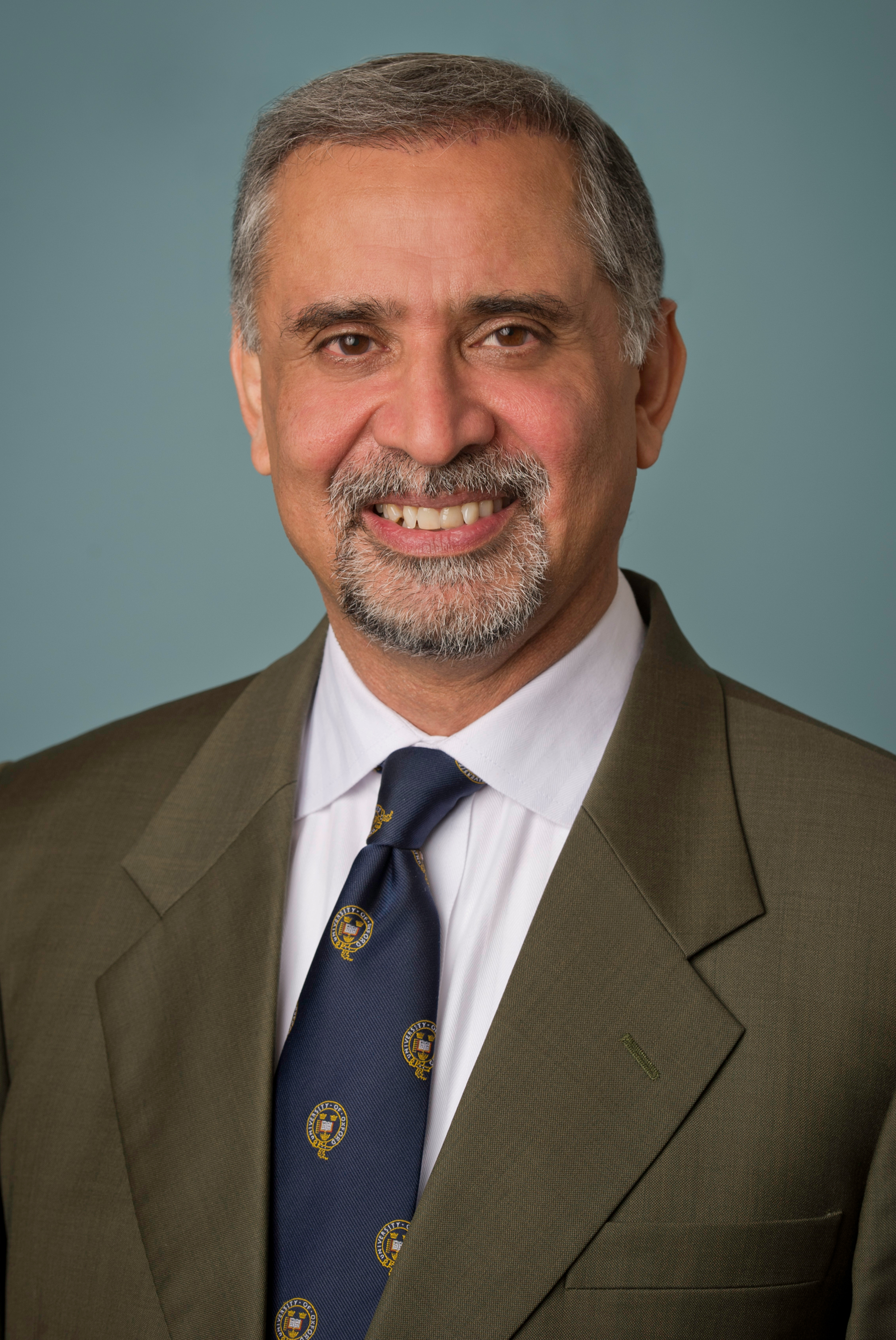
Former Nonresident Senior Fellow, Asia Program
Nehru was a nonresident senior fellow in the Carnegie Asia Program. An expert on development economics, growth, poverty reduction, debt sustainability, governance, and the performance and prospects of East Asia, his research focuses on the economic, political, and strategic issues confronting Asia, particularly Southeast Asia.
Recent Work
Vikram Nehru
Vikram Nehru
Carnegie does not take institutional positions on public policy issues; the views represented herein are those of the author(s) and do not necessarily reflect the views of Carnegie, its staff, or its trustees.

The armed forces champion a form of capitalism that is generating revenue, but its reliance on rent faces diminishing returns, leaving the country with massive sunk costs and deferred returns, deepening dependency on external borrowing.

Yezid Sayigh

In an interview, Ishac Diwan looks at the merits and flaws in the draft legislation distributing losses from the financial collapse.

Michael Young

Mustaqbal Misr has expanded its portfolio with remarkable speed, but a lack of transparency remains.
Yezid Sayigh

Arab diaspora business communities in Egypt often mirror the same systemic challenges facing Egyptian businesses.

Nur Arafeh, Yezid Sayigh, Qaboul al-Absi, …

Largely characterized thus far by a single-minded focus on extractivism, Riyadh must commit to greater equitability in its approach to investment and development deals with Sudan, Ethiopia, and Eritrea.

Hesham Alghannam