

In The Media
Lilia Shevtsova
{
  "authors": [
    "Lilia Shevtsova"
  ],
  "type": "legacyinthemedia",
  "centerAffiliationAll": "",
  "centers": [
    "Carnegie Endowment for International Peace",
    "Carnegie Russia Eurasia Center"
  ],
  "collections": [],
  "englishNewsletterAll": "",
  "nonEnglishNewsletterAll": "",
  "primaryCenter": "Carnegie Russia Eurasia Center",
  "programAffiliation": "",
  "programs": [],
  "projects": [],
  "regions": [
    "Central Asia",
    "Russia",
    "Eastern Europe",
    "Ukraine"
  ],
  "topics": [
    "Political Reform",
    "Democracy"
  ]
}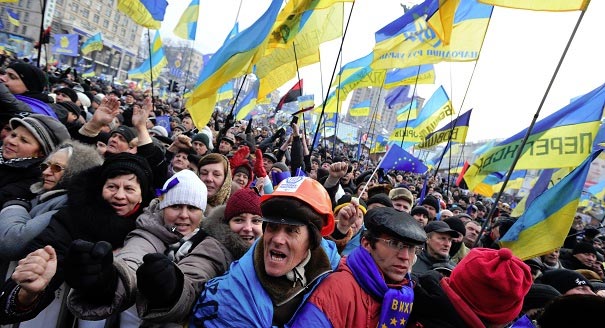
Source: Getty
The protests in Ukraine are a warning to all post-Soviet authoritarian states that the same thing may occur at any time in their countries and are likely to serve as a pretext for the authorities in Russia and in Central Asia to tighten their control.
Source: euronews
Since the mass protests in Kyiv’s Maidan square began Ukrainian President Viktor Yanukovych has met his Russian counterpart Vladimir Putin three times.
The Ukrainian opposition feared that Yanukovych would sign documents on Ukraine’s accession to a Russian-led Customs Union during a Moscow visit on December 17. That did not happen but the people are not ready to end their anti-government demonstrations.
The opposition in Maidan encourages people to mobilise. The Ukrainian authorities, and especially Yanukovych, also seem unwilling to give up their positions.
To find out what Moscow, Brussels, Kyiv and the opposition can learn from the Maidan experience euronews talked to Lilia Shevtsova, a senior research fellow at the Carnegie Moscow Center.
“So they had no plan B ready. For European politicians it is still not clear that the Ukrainians see the association agreement with the EU as more than a free trade zone, but they are free to choose the sort of civilisation they want. Until now Europe could not offer the people in Maidan Square any significant support. Nothing more than rhetoric.”
Lilia Shevtsova: “I think that Brussels should revise the entire Eastern Partnership project. First of all the Eastern Partnership countries do not fit together. On one side Ukraine is committed to Europe. At least a significant portion of Ukrainians want to move in this direction. On the other side we have Aliyev and Azerbaijan who do not want to move in any direction. They want to stand still and be in the orbit of Russia.”
Lilia Shevtsova: “At the beginning of the Maidan protests Putin’s rhetoric was very tough. He called this movement for independence a “pogrom”, but later the emotions in the Kremlin calmed down and the Kremlin is now using completely different tactics. Softer, more enveloping. The Kremlin is not going to throttle Ukraine and impose sanctions. The Kremlin understands that, just to survive, Yanukovych is moving in the direction of Moscow.”
Lilia Shevtsova: “I think not only the Kremlin but the leaders of all authoritarian states, including those that are members of the Eastern Partnership, first of all Azerbaijan, are looking at Ukraine with horror, shock, and discomfort. Naturally Maidan Square is a warning for all authoritarian states in the former Soviet Union that the same thing may occur at any time in their countries. So I think that, at least in Moscow, the protests will cause more intimidation, and more sanctions, and repression will stiffen.
“In 2004 Putin used the Orange Revolution in Ukraine to make his style more authoritarian, to increase repression in Russia. Now Maidan Square will be another pretext for the authorities in Russia and in Central Asia to tighten their regimes.”
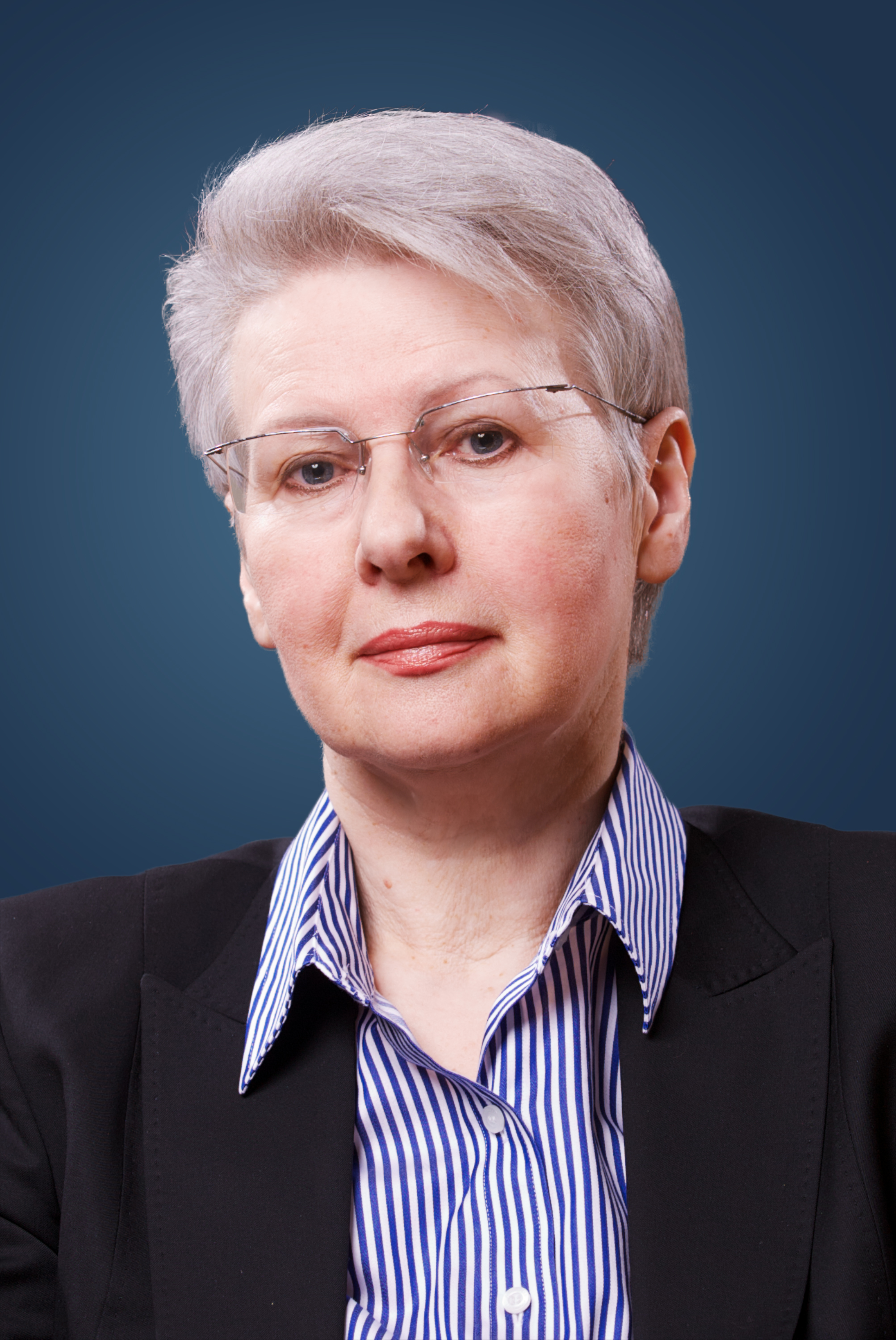
Former Senior Associate, Russian Domestic Politics and Political Institutions Program, Moscow Center
Shevtsova chaired the Russian Domestic Politics and Political Institutions Program at the Carnegie Moscow Center, dividing her time between Carnegie’s offices in Washington, DC, and Moscow. She had been with Carnegie since 1995.
Recent Work
Lilia Shevtsova
Lilia Shevtsova
Carnegie does not take institutional positions on public policy issues; the views represented herein are those of the author(s) and do not necessarily reflect the views of Carnegie, its staff, or its trustees.
The country’s leadership is increasingly uneasy about multiple challenges from the Levant to the South Caucasus.

Armenak Tokmajyan
In an interview, Daniela Richterova speaks about her book on Czechoslovakia’s Cold War ties to Palestinian groups and others.

Michael Young
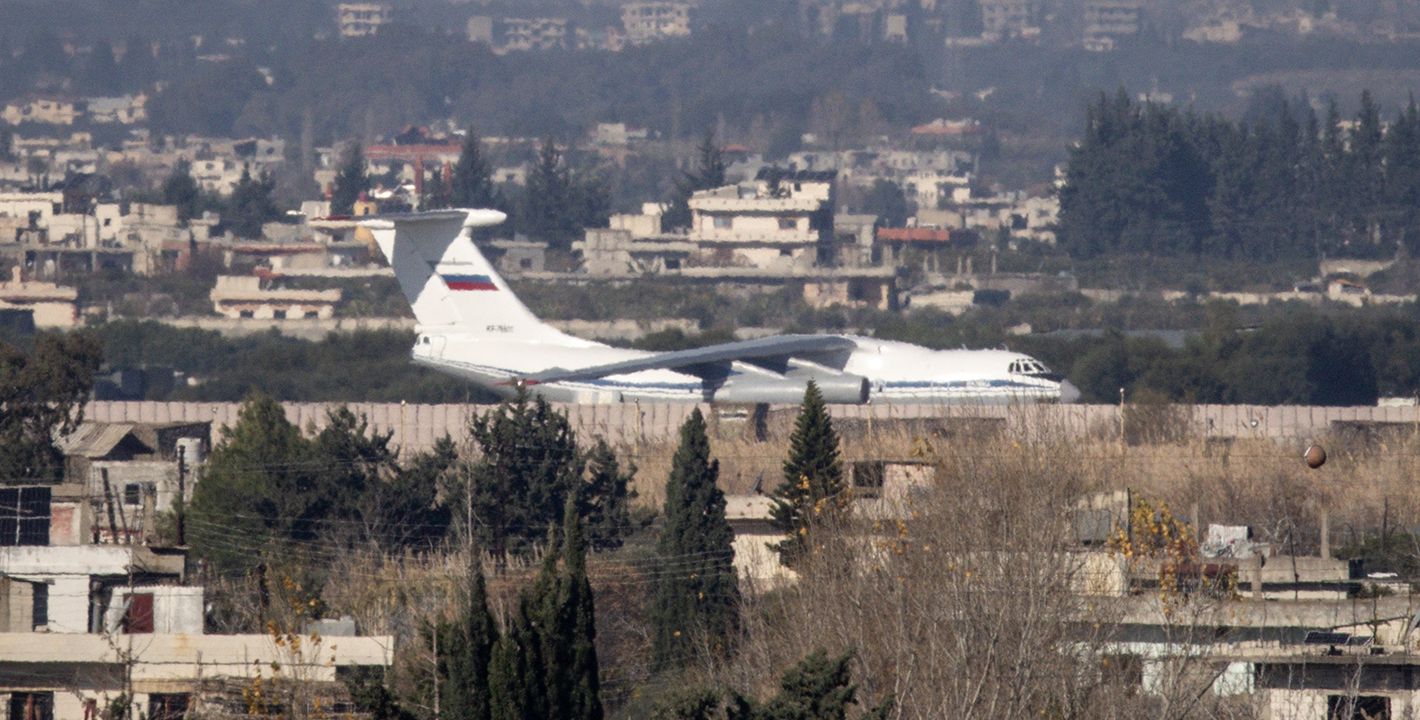
The downfall of the Assad regime represented a setback, but Russia’s primary focus remains Ukraine.
Sergei Melkonian
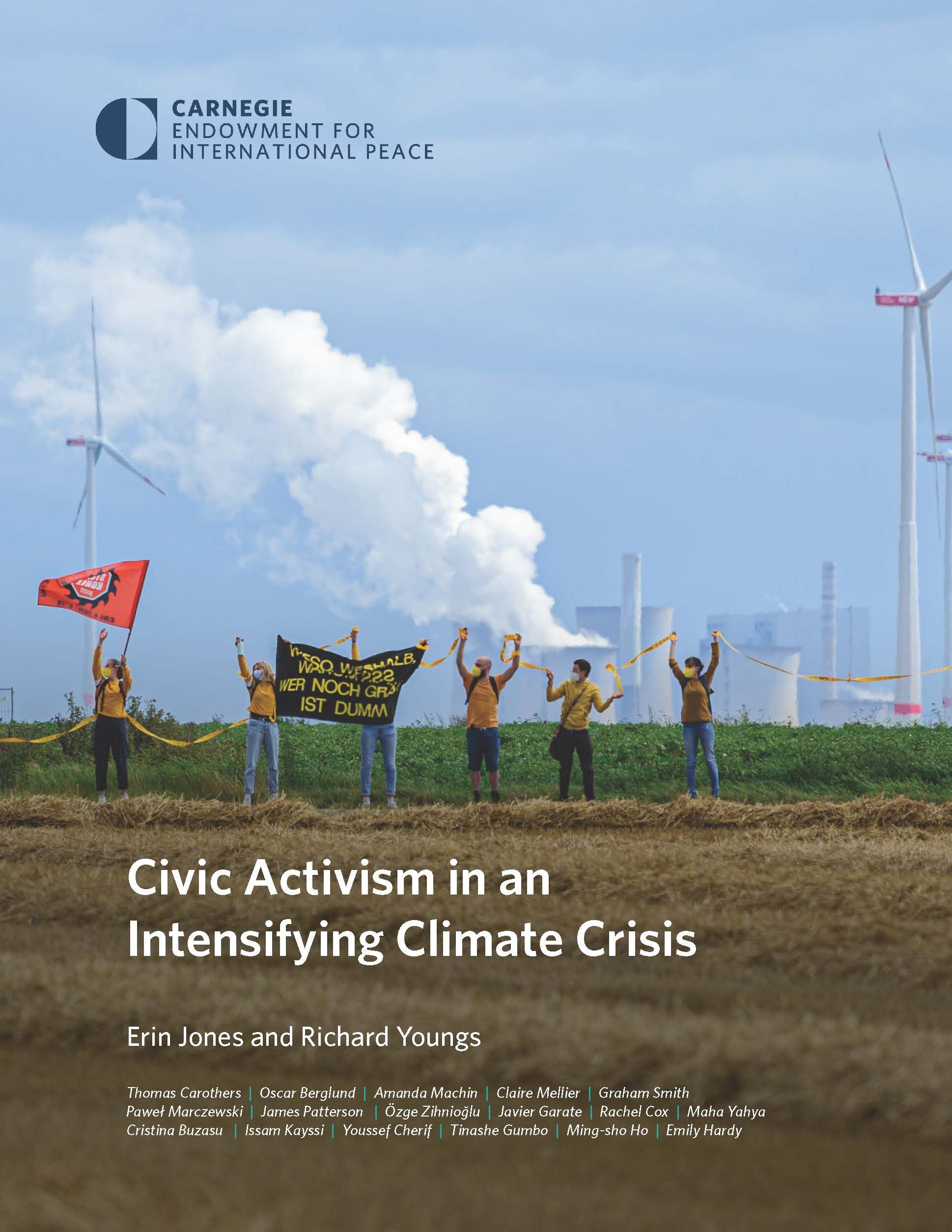
To address the deepening climate crisis, climate activism is employing a wider variety of tactics and aiming at a broader set of goals. In response, the movement faces stronger repression and civic backlash against climate action.

Erin Jones, Richard Youngs
Why did Bashar al-Assad’s armed forces fail to act, unlike those in Egypt, Libya, Algeria, and Sudan?

Yezid Sayigh