

Commentary
Dmitri Trenin
{
  "authors": [
    "Dmitri Trenin"
  ],
  "type": "commentary",
  "centerAffiliationAll": "",
  "centers": [
    "Carnegie Endowment for International Peace",
    "Carnegie Russia Eurasia Center"
  ],
  "collections": [],
  "englishNewsletterAll": "",
  "nonEnglishNewsletterAll": "",
  "primaryCenter": "Carnegie Russia Eurasia Center",
  "programAffiliation": "",
  "programs": [],
  "projects": [],
  "regions": [
    "Russia"
  ],
  "topics": [
    "Political Reform"
  ]
}
Source: Getty
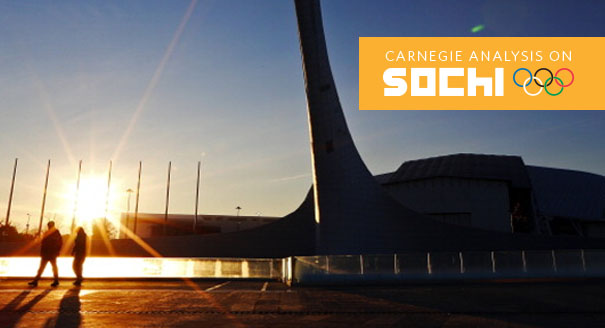
The Sochi Games have put Russia under scrutiny of the world media. Eurasia Outlook has asked its contributors to look at different aspects of the current Russian reality through the prism of Sochi.
As I mentioned in my Monday post, the Sochi Games have put Russia under scrutiny of the world media. Just because of the Olympics, there is more interest in Russia now than there has been for years, or will be for some time after the games end. I see this as an opportunity. Eurasia Outlook has asked its contributors to look at different aspects of the current Russian reality through the prism of Sochi.
The Monday post was about the games of politics around the Olympic Games. In today’s post, Maria Lipman looks at one of the main irritants in Moscow’s relations with the West, the issue of gay rights and in particular the Russian law prohibiting gay propaganda to minors. Like all our Sochi-related posts, this one will be wearing a special Olympic sign. Enjoy!
Former Director, Carnegie Moscow Center
Trenin was director of the Carnegie Moscow Center from 2008 to early 2022.
Recent Work
Dmitri Trenin
Dmitri Trenin
Carnegie does not take institutional positions on public policy issues; the views represented herein are those of the author(s) and do not necessarily reflect the views of Carnegie, its staff, or its trustees.
The country’s leadership is increasingly uneasy about multiple challenges from the Levant to the South Caucasus.

Armenak Tokmajyan
In an interview, Daniela Richterova speaks about her book on Czechoslovakia’s Cold War ties to Palestinian groups and others.

Michael Young
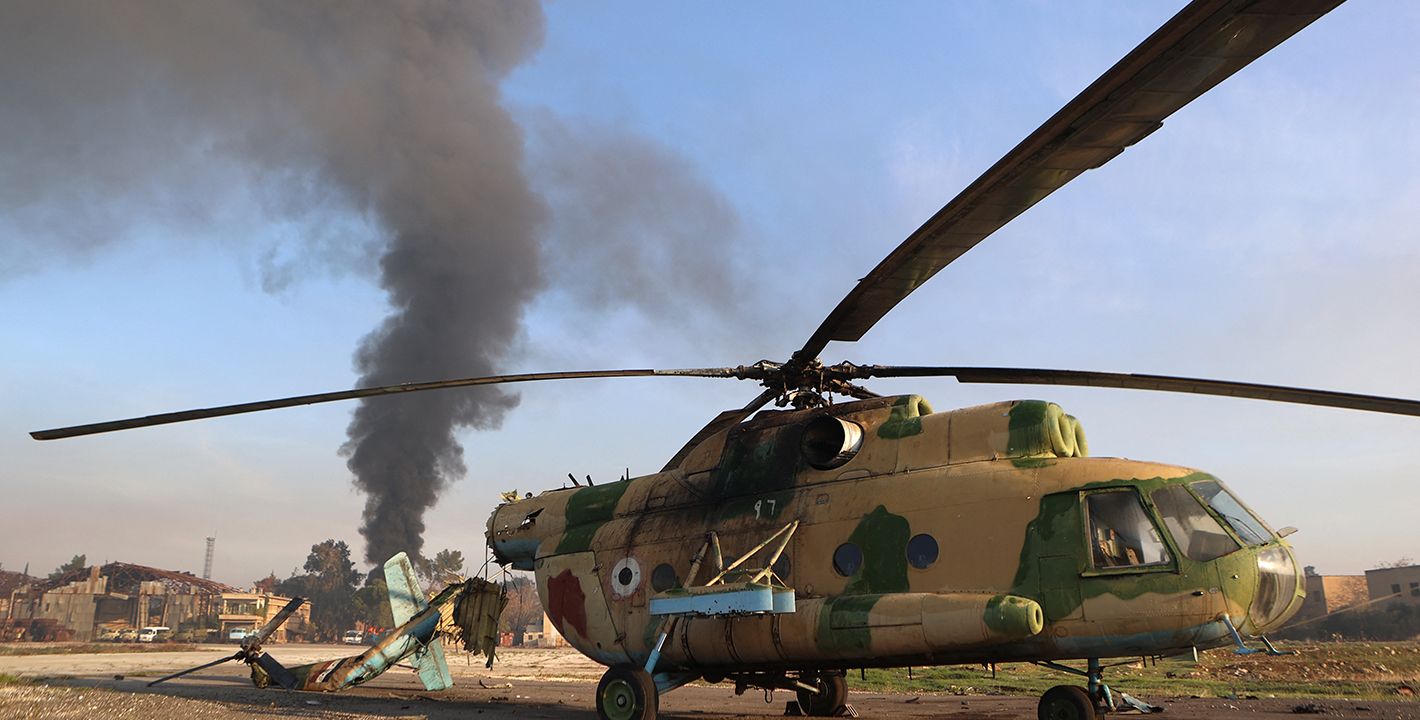
The downfall of the Assad regime represented a setback, but Russia’s primary focus remains Ukraine.
Sergei Melkonian
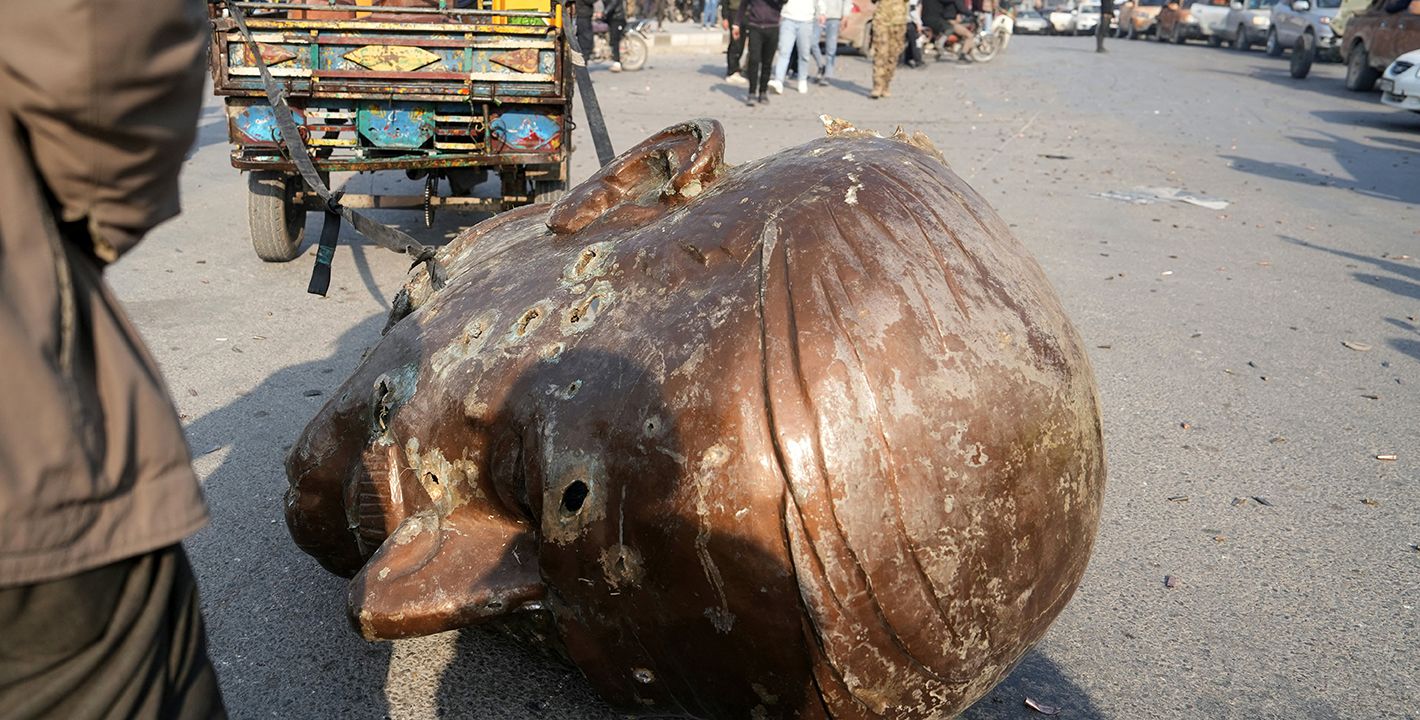
Why did Bashar al-Assad’s armed forces fail to act, unlike those in Egypt, Libya, Algeria, and Sudan?

Yezid Sayigh
Spot analysis from Carnegie scholars on events relating to the Middle East and North Africa.
Armenak Tokmajyan