

Commentary
Judy Dempsey
{
  "authors": [
    "Judy Dempsey"
  ],
  "type": "legacyinthemedia",
  "centerAffiliationAll": "dc",
  "centers": [
    "Carnegie Endowment for International Peace",
    "Carnegie Europe"
  ],
  "collections": [
    "Europe’s Eastern Neighborhood"
  ],
  "englishNewsletterAll": "ctw",
  "nonEnglishNewsletterAll": "",
  "primaryCenter": "Carnegie Europe",
  "programAffiliation": "EP",
  "programs": [
    "Europe"
  ],
  "projects": [],
  "regions": [
    "Europe",
    "Eastern Europe",
    "Ukraine",
    "Iran"
  ],
  "topics": []
}
Source: Getty
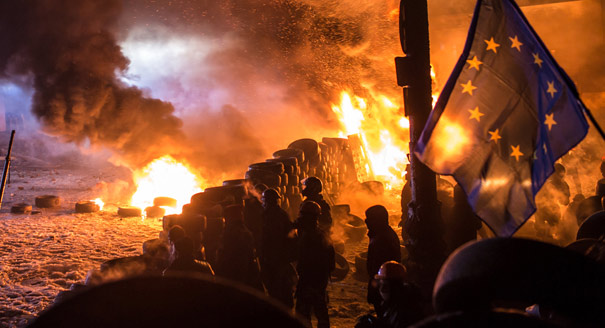
It is difficult to see how the trust can be rebuilt between Ukraine’s Viktor Yanukovych and the people after recent violence against antigovernment protests.
Source: Al Jazeera
Al Jazeera talked to Carnegie Europe’s Judy Dempsey about the continuing protests in Ukraine.
Even if the United States and EU agree on sanctions, they need a clear goal on what to gain from them, and weigh up whether Yanukovych will take a much harder line backed by the Kremlin, Judy Dempsey said.
Yanukovych has misjudged the effects of cheap Russian loans, and the opposition now feels that it has to go even further in its requests for a transition government or early elections, she added.
Everything is so fluid that it is difficult to make predictions, Dempsey concluded. Both sides are increasingly digging in, despite the efforts of the Polish, German, and French foreign ministers.
Nonresident Senior Fellow, Carnegie Europe
Judy Dempsey is a nonresident senior fellow at Carnegie Europe
Recent Work
Judy Dempsey
Judy Dempsey
Carnegie does not take institutional positions on public policy issues; the views represented herein are those of the author(s) and do not necessarily reflect the views of Carnegie, its staff, or its trustees.

As the U.S. stumbles in its war with Iran, we are likely to see an acceleration of its disengagement from the region.

Michael Young

Middle Eastern states should welcome an accelerated U.S. disengagement from their region.
Michael Young

In an interview, former ambassador Charles Freeman assesses the Trump administration’s war against Iran.
Michael Young

Morocco and Algeria, each in its own way, are having to navigate the global economic fallout of the U.S.-Israeli military campaign against Iran.

Yasmine Zarhloule
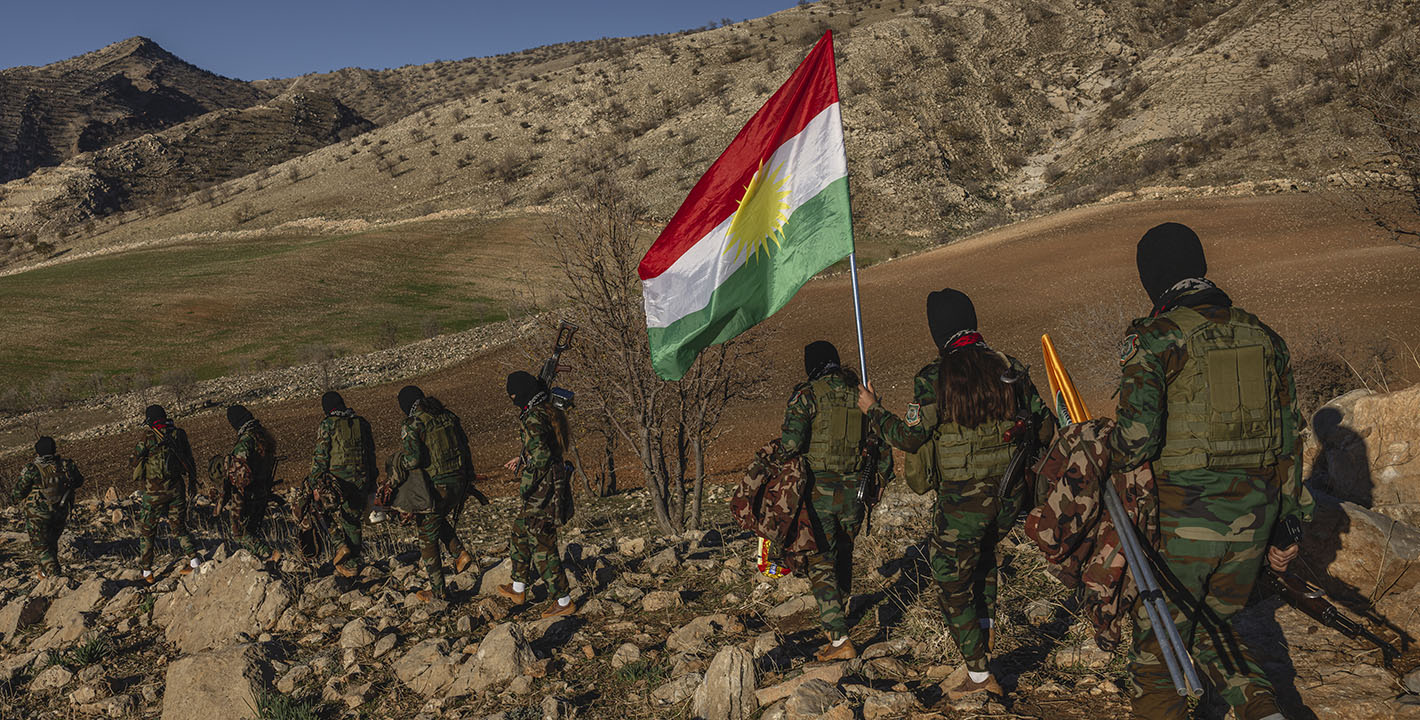
Following its deal with the United States, Iran may act against Iraq-based dissidents.
Wladimir van Wilgenburg