

Article
Wang Tao
{
  "authors": [
    "Wang Tao"
  ],
  "type": "legacyinthemedia",
  "centerAffiliationAll": "",
  "centers": [
    "Carnegie Endowment for International Peace",
    "Carnegie China"
  ],
  "collections": [],
  "englishNewsletterAll": "",
  "nonEnglishNewsletterAll": "",
  "primaryCenter": "Carnegie China",
  "programAffiliation": "",
  "programs": [],
  "projects": [],
  "regions": [
    "East Asia",
    "China"
  ],
  "topics": [
    "Climate Change"
  ]
}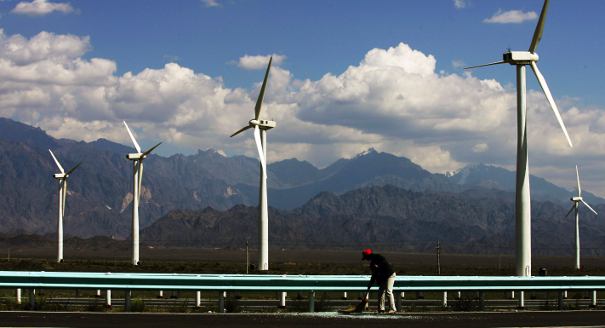
Source: Getty
Dependence on cheap coal has resulted in high social and environmental costs for China which are only going to increase without the creation of policy framework for integrating less polluting technologies.
Source: CCTV
Carnegie–Tsinghua’s Wang Tao appeared on CCTV English’s Asia Biz to share his insights on the probability of a substantial Chinese shift to green energy. He argued that dependence on cheap coal has resulted in high social and environmental costs for China which are likely to increase without the creation of policy framework for integrating less polluting technologies. The energy structure in China is already changing as the nation moves toward an economy based more on service than on heavy industry.
China’s major cities are at the forefront of efforts to tackle pollution, explained Wang, with some beginning to experiment with carbon trading incentives in order to reduce pollution. Wang also explained how the current pollution problem has made cities like Beijing less attractive places to live. Highly skilled workers, with options to work in less polluted areas, could leave if conditions worsen, he concluded.
This video interview was originally published on CCTV English’s Asia Biz.
Former Nonresident Scholar, Carnegie-Tsinghua Center for Global Policy
Wang Tao was a nonresident scholar in the Energy and Climate Program based at the Carnegie–Tsinghua Center for Global Policy.
Recent Work
Wang Tao
Wang Tao, Yang Yifang
Carnegie does not take institutional positions on public policy issues; the views represented herein are those of the author(s) and do not necessarily reflect the views of Carnegie, its staff, or its trustees.
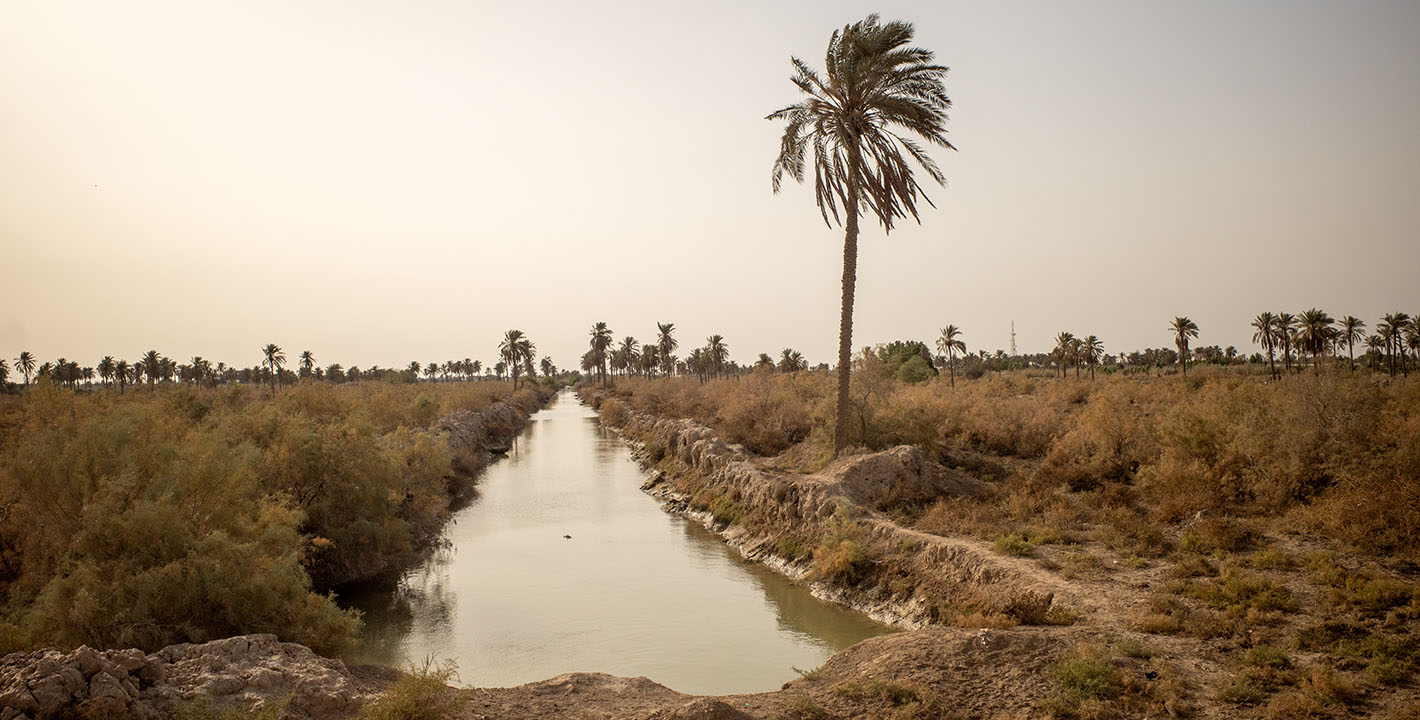
Across the Middle East and North Africa, climate stress interacts with economic fragility, governance failures, social marginalization, and conflict.
Camille Ammoun
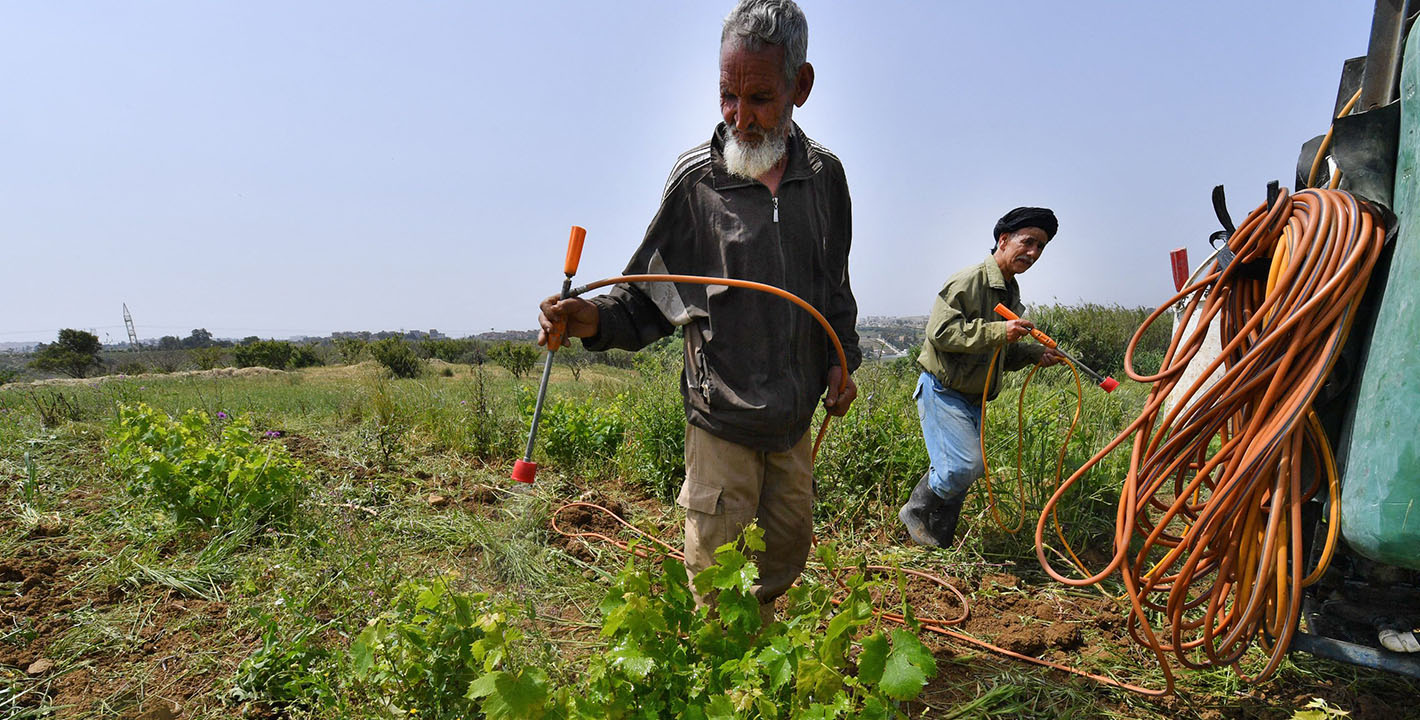
Understanding how farmers in the Oued Sahel-Soummam Valley grapple with climate change is essential for addressing the paradoxes through which adaptation, operating at both individual and institutional levels, deepens the region’s vulnerability and erodes the social fabric and agrarian identity that once defined life.

Ilyssa Yahmi
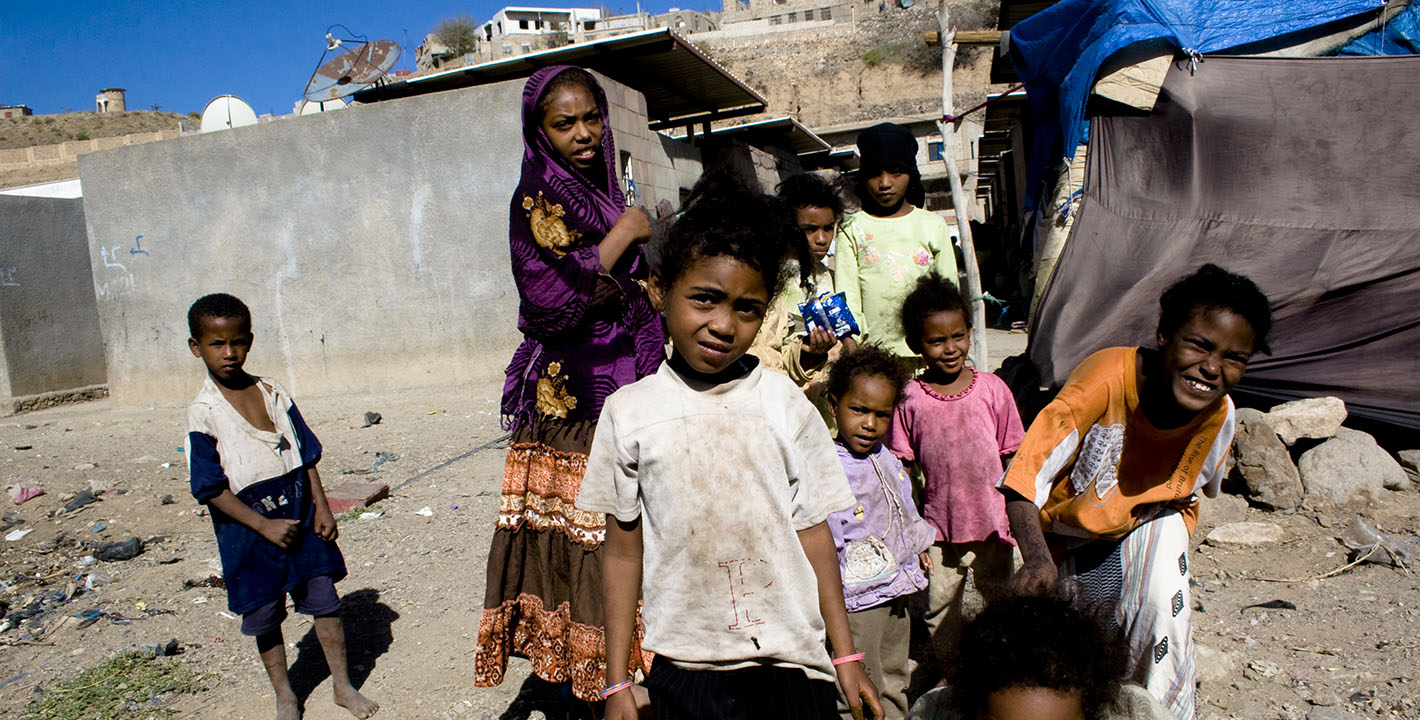
The community already suffers social discrimination, so addressing inequalities requires sustained interventions.
Musaed Aklan , Mohammad Al-Saidi
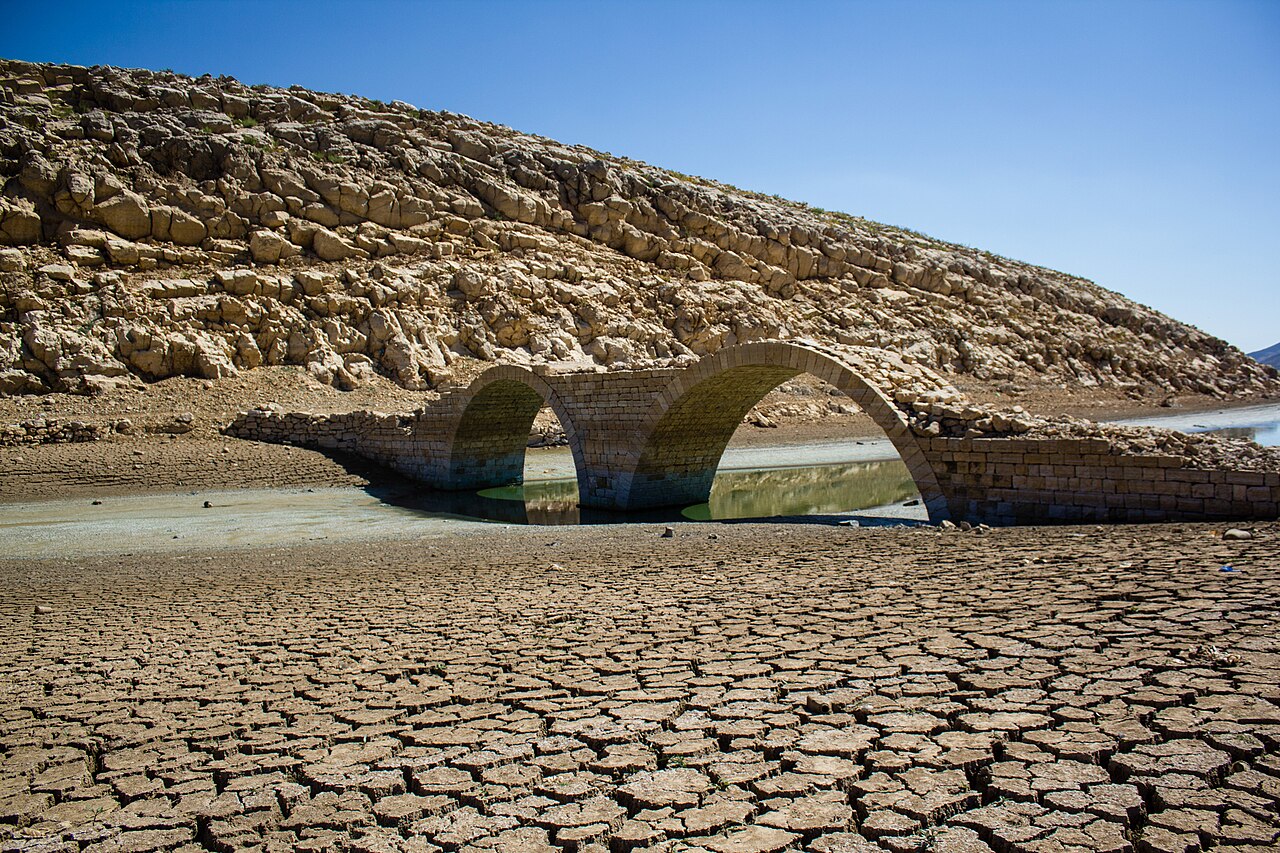
Lebanon’s largest water reservoir is a house of many mansions when it comes to converging failures.
Camille Ammoun
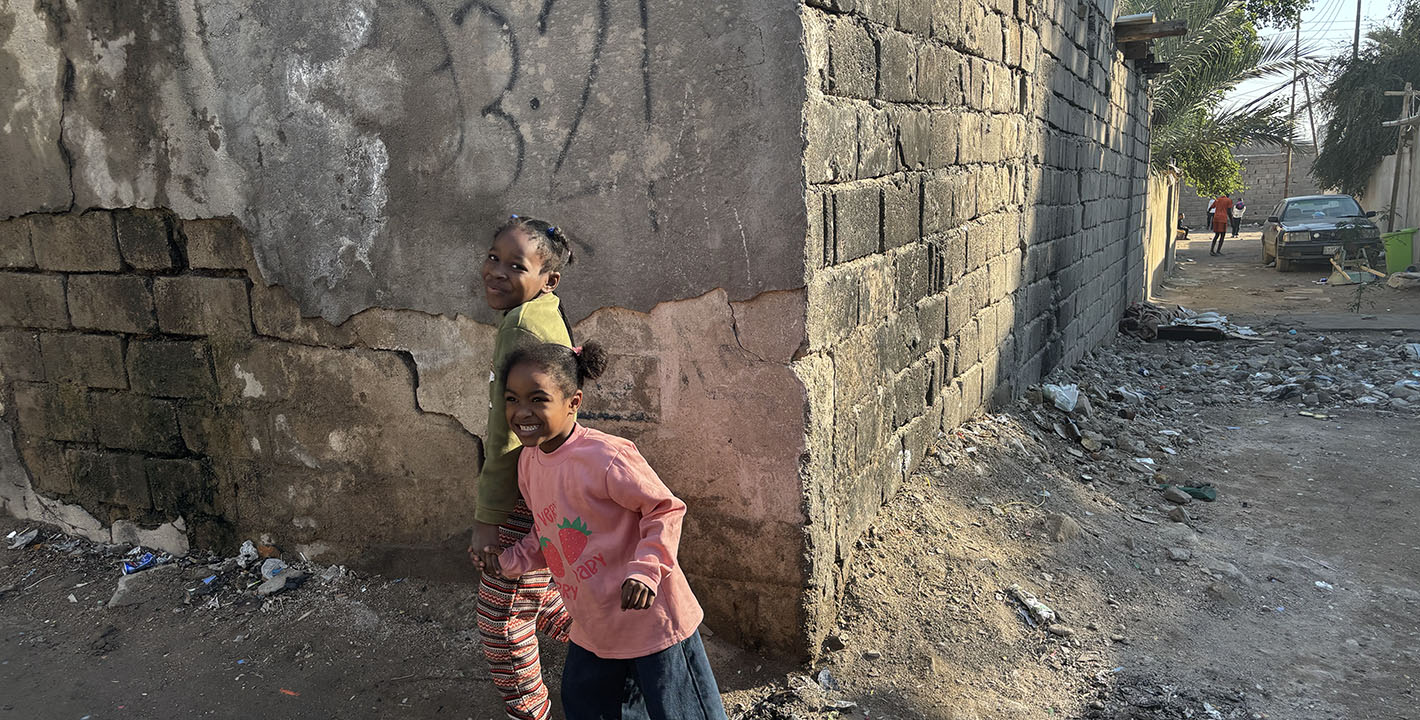
Afro-Iraqis experience political, economic, and social marginalization and discrimination, which exposes the poorest members of the community to the harsh realities of the region’s climate disaster.

Zeinab Shuker