

In The Media
Lina Khatib
{
  "authors": [
    "Lina Khatib"
  ],
  "type": "legacyinthemedia",
  "centerAffiliationAll": "dc",
  "centers": [
    "Carnegie Endowment for International Peace",
    "Malcolm H. Kerr Carnegie Middle East Center"
  ],
  "collections": [],
  "englishNewsletterAll": "menaTransitions",
  "nonEnglishNewsletterAll": "",
  "primaryCenter": "Malcolm H. Kerr Carnegie Middle East Center",
  "programAffiliation": "MEP",
  "programs": [
    "Middle East"
  ],
  "projects": [],
  "regions": [
    "Levant"
  ],
  "topics": [
    "Political Reform"
  ]
}
Source: Getty
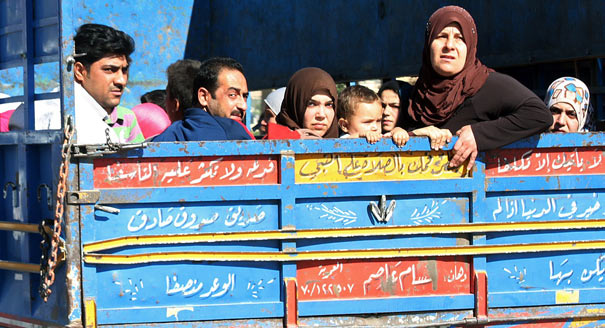
Thousands of people are fleeing Lebanon’s eastern border town of Arsal, as the Lebanese army and rebels from Syria clash.
Source: BBC Radio 4 Today
Thousands of people are ‘fleeing’ Lebanon’s eastern border town of Arsal, as the Lebanese army and rebels from Syria clash for a third day.
Speaking on BBC Radio 4’s Today program, Lina Khatib, the director of the Carnegie Middle East Center in Beirut, said that a delegation of Muslim scholars, who had gone to the area to negotiate the release of kidnapped Lebanese army soldiers who were taken hostage by Syrian rebels, had been shot at.
This interview was originally broadcast on BBC Radio 4's Today program.
Former Director, Middle East Center
Khatib was director of the Carnegie Middle East Center in Beirut. Previously, she was the co-founding head of the Program on Arab Reform and Democracy at Stanford University’s Center on Democracy, Development, and the Rule of Law.
Recent Work
Lina Khatib
Lina Khatib
Carnegie does not take institutional positions on public policy issues; the views represented herein are those of the author(s) and do not necessarily reflect the views of Carnegie, its staff, or its trustees.
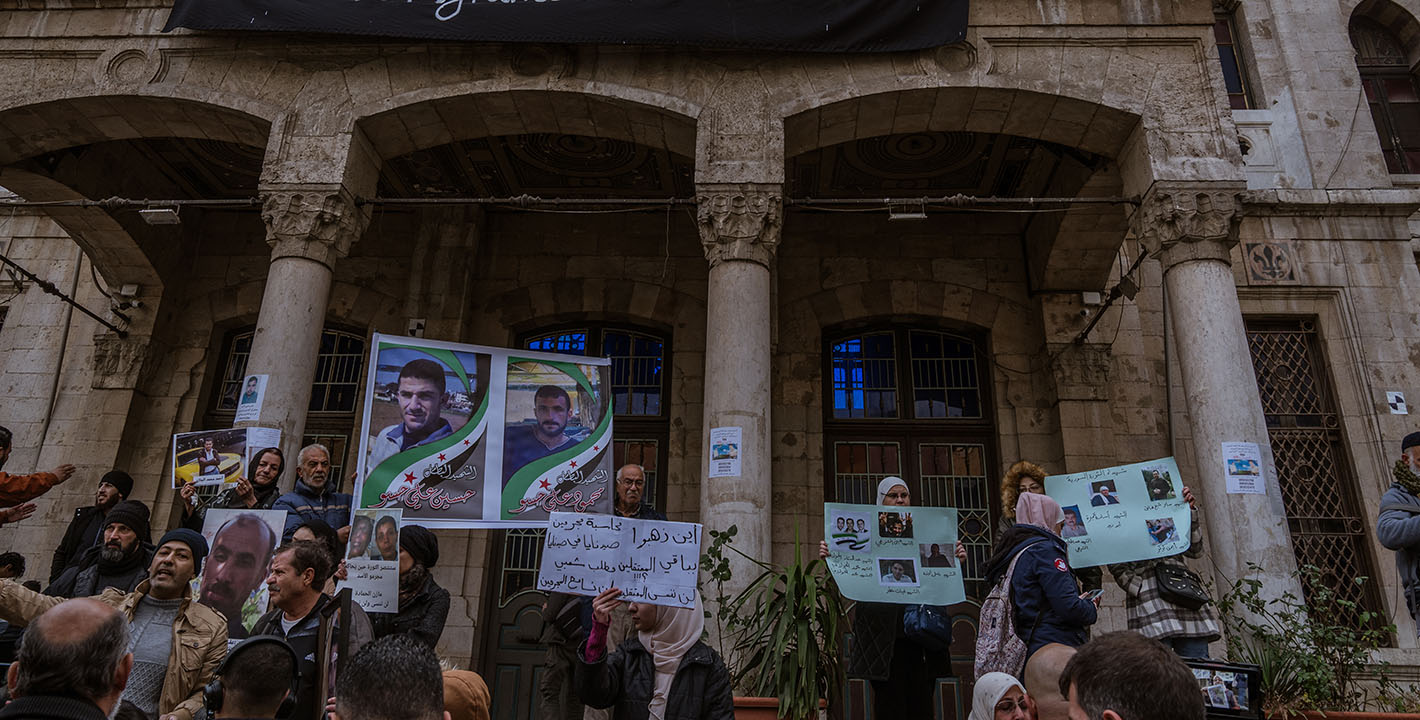
Reconciliation councils are emerging throughout the country to mediate in intracommunal disputes, many from the war years.
Natacha Danon
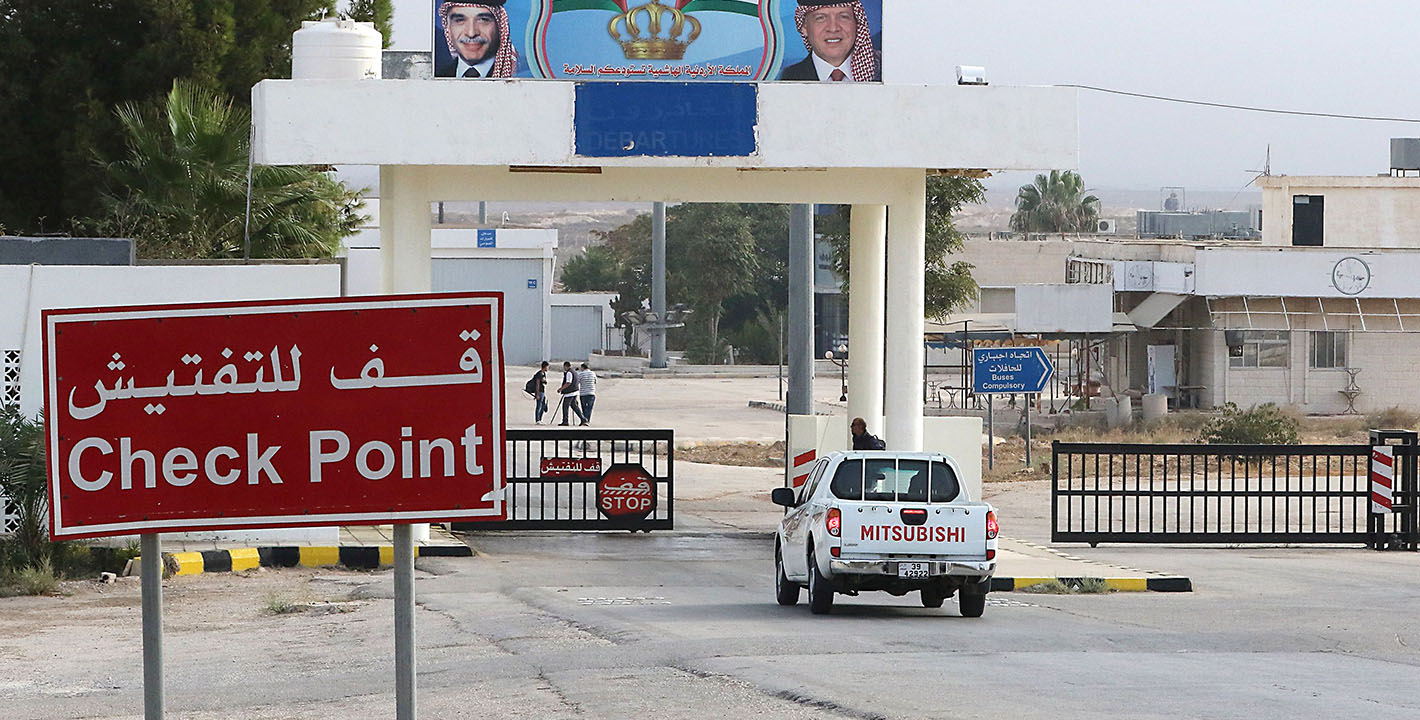
The civil war in Syria may have ended, but the country continues to serve as a source for the trafficking of illegal substances into and via Jordanian territory.

Armenak Tokmajyan, Laith Qerbaa
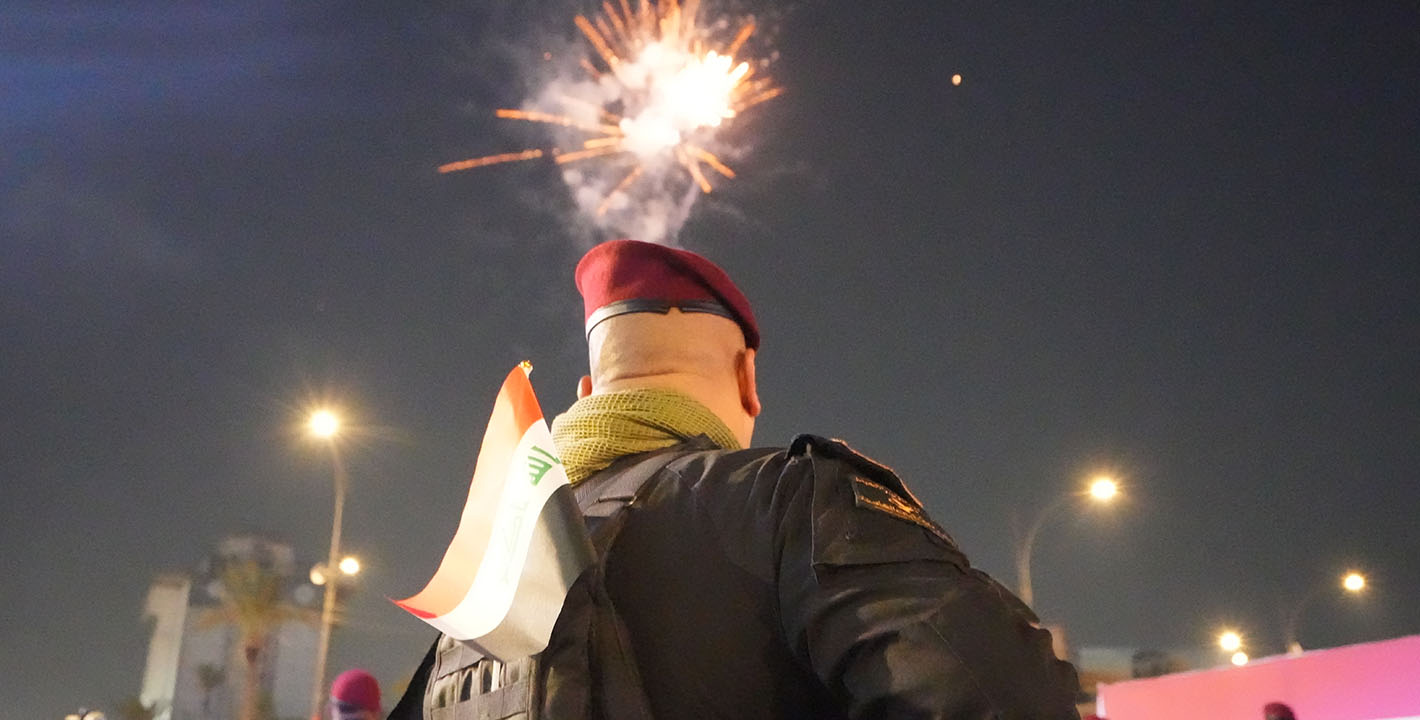
As the U.S.-led Coalition withdraws, the Kurds’ reliance on Baghdad, and on themselves, will only increase.
Wladimir van Wilgenburg
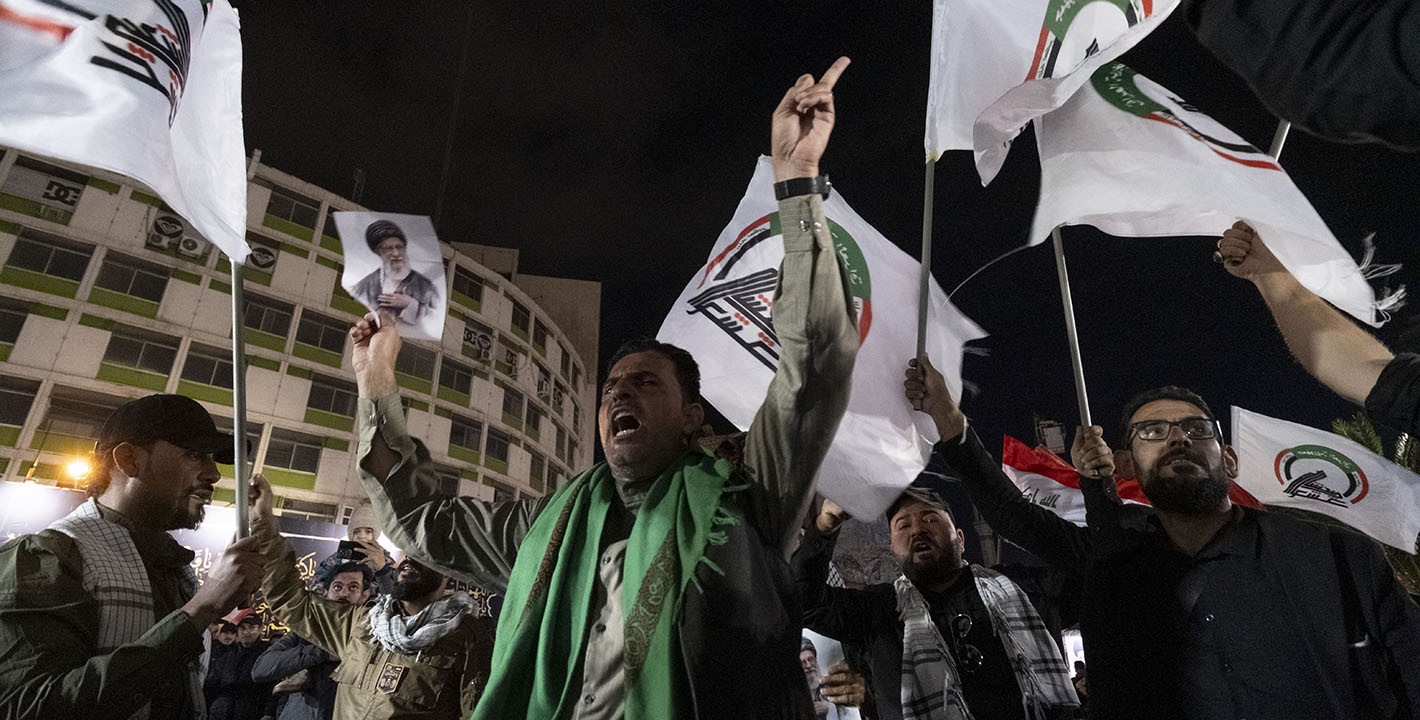
The Zaidi government’s objective to collect weapons is constrained by regional conflict, but it can take certain measures at home.
Ali Al-Mawlawi
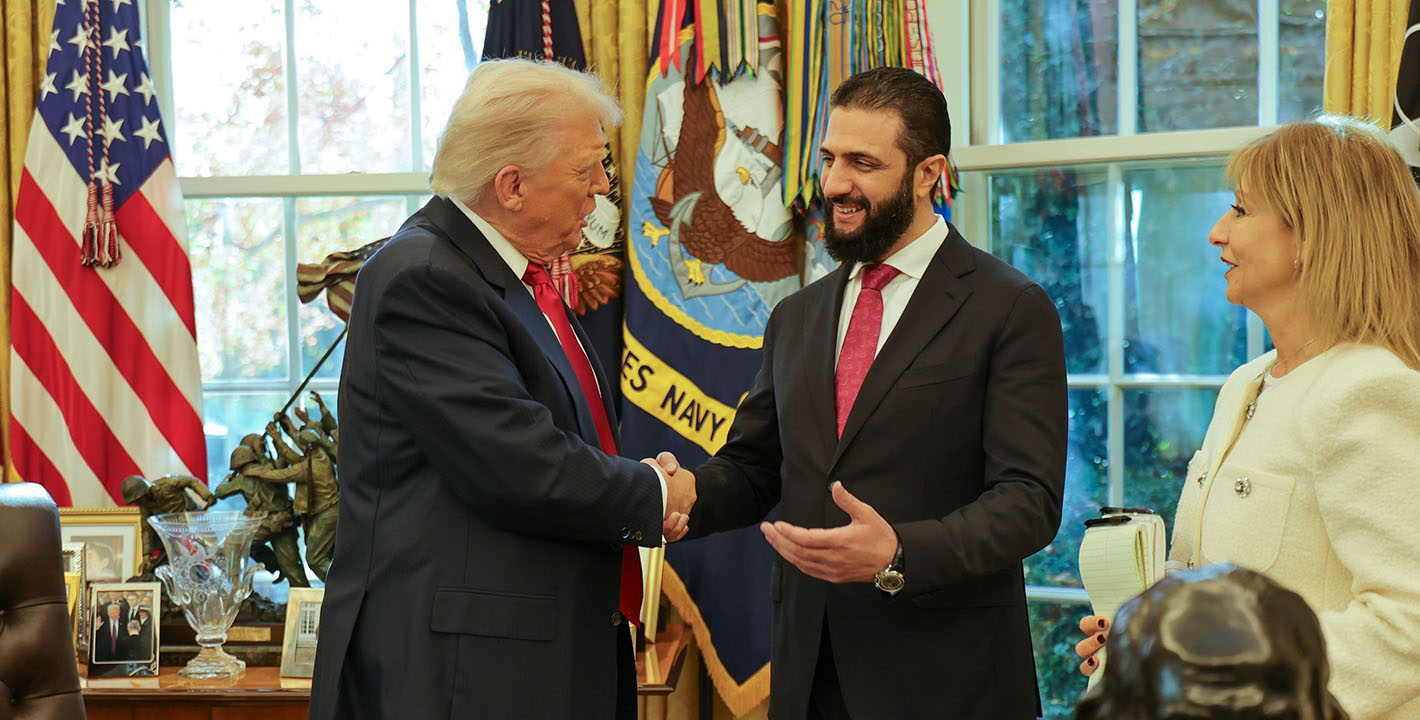
Any move by the United States to make good on Trump’s suggestion that Washington persuade Damascus to confront Hezbollah militarily would have catastrophic consequences.

Kheder Khaddour