

Commentary
- +1
Sumitra Badrinathan, Devesh Kapur, Andy Robaina, …
{
  "authors": [
    "Milan Vaishnav"
  ],
  "type": "legacyinthemedia",
  "centerAffiliationAll": "dc",
  "centers": [
    "Carnegie Endowment for International Peace"
  ],
  "collections": [],
  "englishNewsletterAll": "ctw",
  "nonEnglishNewsletterAll": "",
  "primaryCenter": "Carnegie Endowment for International Peace",
  "programAffiliation": "SAP",
  "programs": [
    "South Asia"
  ],
  "projects": [],
  "regions": [
    "North America",
    "United States",
    "South Asia",
    "India"
  ],
  "topics": [
    "Foreign Policy"
  ]
}
Source: Getty
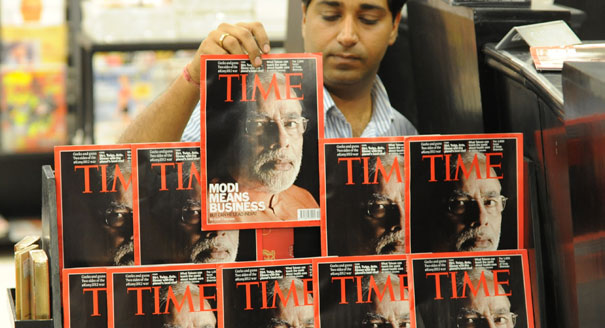
Washington is in a mood to strike up new deals with India and is eager to seize the window of opportunity with a new government.
Source: Economic Times
We don't need a reboot, but we are literally starting from scratch as the US had no relations with Narendra Modi for over a decade. So the US is starting from a disadvantage as it waited till the last minute to refresh and reorient its Modi strategy and the president and the cabinet would have to go that extra mile to make a good start.
The hangover from the last few years of the UPA government has made people in the US government upset with the lack of momentum from India towards US and its economic performance. There is now some cautious optimism about the Indian economy getting back on track and Modi's active foreign policy engagements. Most people are encouraged by Modi's first few months, but are waiting to see more details.Washington is in a mood to strike up new deals with India and is eager to seize the window of opportunity with a new government. The bureaucracy realises this is an important moment, but we need leadership at the highest level to champion this.
They feel that they have been left hanging and there is no return on investment on this front. But since the Modi government is business-friendly and focused on energy security, it may find a way to revisit the civil nuclear liability laws or find a loophole that allows investors to come in.
The biggest potential clearly is in defence, which is a key component of the 'Make In India' pitch unveiled by the PM. The two countries could look at co-production and development of defence technologies. On energy, India is keen to get shale exports from the US, but the tricky part is the US would like a commitment on climate change in return. Thirdly, given the PM's focus on skilling the youth to realise India's demographic dividend, India must consider legislative changes to allow US universities to come in. The US could also help India's drive to build smart cities and improve sanitation, with its expertise.
One open question is whether Modi is pro-business, where incumbents are favoured and there are no big changes in FDI or privatisation policies, or promarkets, which would raise FDI, expedite privatisation and weaken incumbents. It's too early, but one can sense that he is more pro-business from some of his initial decisions. US firms are also curious about why Modi isn't bringing a delegation of Indian businesses along.
We would like to see his Pakistan policy after the cancellation of foreign secretary level talks. US understands India's position and Pakistan's internal problems, but would like to know what's next. There is also a lingering concern about secularism as people find the 'love jihad' campaign troubling, though Modi is not associated with it. He has made progressive comments about Indian Muslims for the international audience, but he didn't condemn Yogi Adityanath's statements at home.
This article was originally published in the Economic Times.

Director and Senior Fellow, South Asia Program
Milan Vaishnav is a senior fellow and director of the South Asia Program and the host of the Grand Tamasha podcast at the Carnegie Endowment for International Peace. His primary research focus is the political economy of India, and he examines issues such as corruption and governance, state capacity, distributive politics, and electoral behavior. He also conducts research on the Indian diaspora.
Recent Work

Sumitra Badrinathan, Devesh Kapur, Andy Robaina, …
Milan Vaishnav, Sumitra Badrinathan, Devesh Kapur, …
Carnegie does not take institutional positions on public policy issues; the views represented herein are those of the author(s) and do not necessarily reflect the views of Carnegie, its staff, or its trustees.
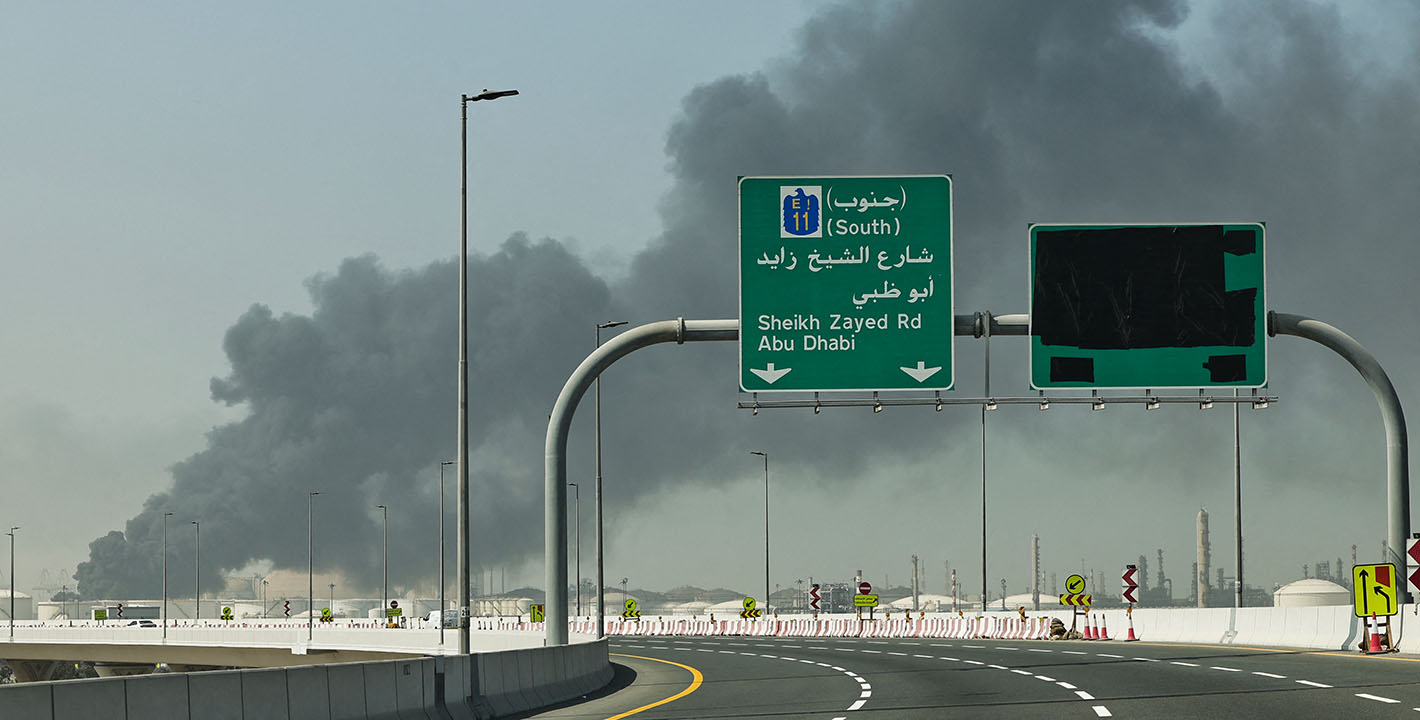
The countries in the region are managing the fallout from Iranian strikes in a paradoxical way.

Angie Omar

In an interview, Hassan Mneimneh discusses the ongoing conflict and the myriad miscalculations characterizing it.

Michael Young
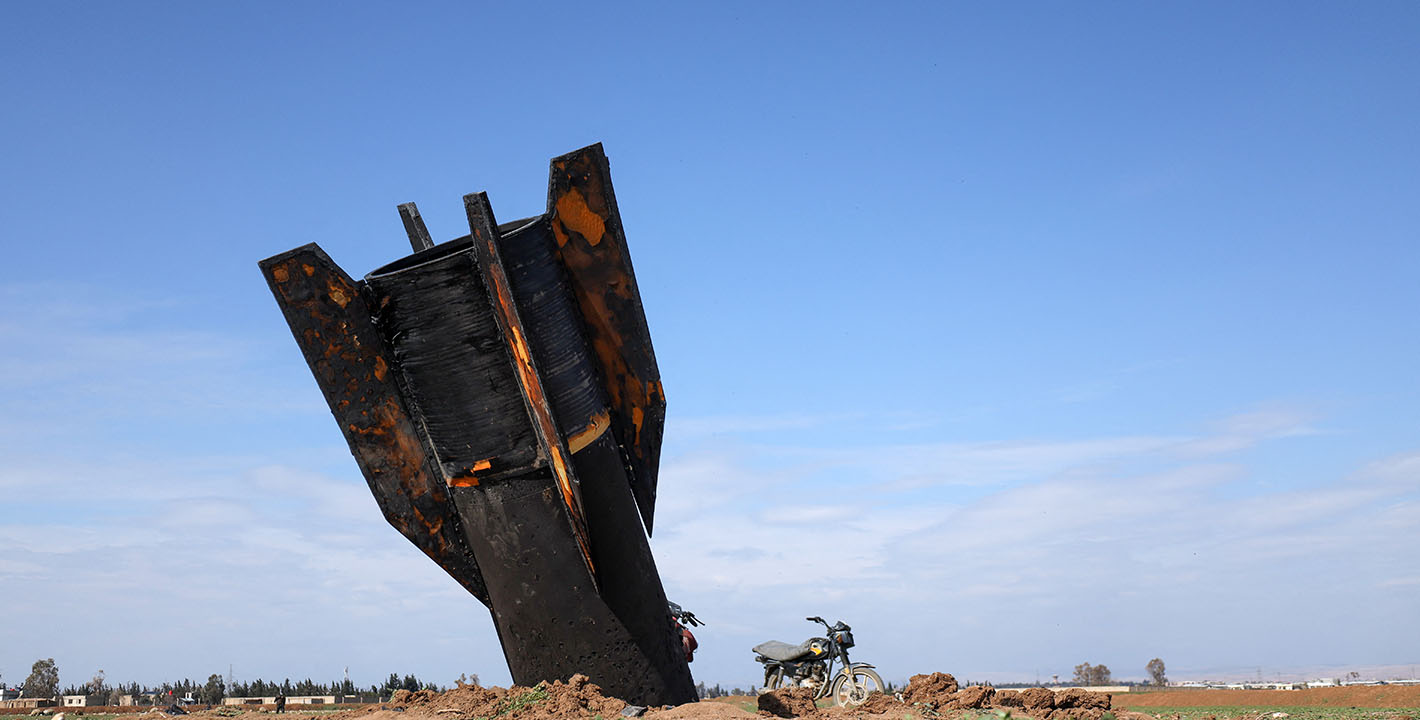
In an interview, Nicole Grajewski discusses the military dimension of the U.S. and Israeli attacks on Iran.
Michael Young

In an interview, Naysan Rafati assesses the first week that followed the U.S. and Israeli attack on Iran.
Michael Young
At heart, to impose unconditional surrender on Hezbollah and uproot the party among its coreligionists.

Yezid Sayigh