

Commentary
Togzhan Kassenova
{
  "authors": [
    "Togzhan Kassenova"
  ],
  "type": "other",
  "centerAffiliationAll": "dc",
  "centers": [
    "Carnegie Endowment for International Peace"
  ],
  "collections": [],
  "englishNewsletterAll": "ctw",
  "nonEnglishNewsletterAll": "",
  "primaryCenter": "Carnegie Endowment for International Peace",
  "programAffiliation": "NPP",
  "programs": [
    "Nuclear Policy"
  ],
  "projects": [],
  "regions": [
    "Central Asia",
    "Kazakhstan"
  ],
  "topics": [
    "Nuclear Policy"
  ]
}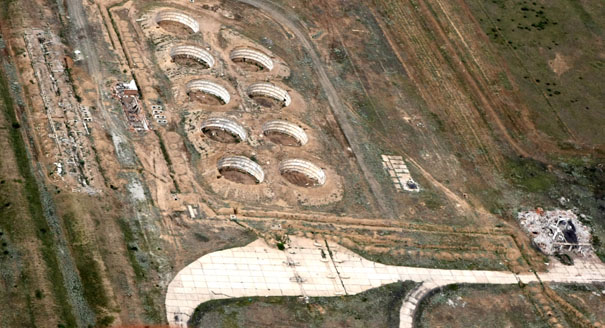
Source: Getty
Kazakhstan’s advanced nuclear industry and active foreign nuclear policy make it a significant player on the global nuclear scene.
Source: Central Asian Affairs
Kazakhstan’s role in the global nuclear order is far from minor. Blessed with abundant uranium resources, it is the world’s largest uranium producer. Kazakhstan’s nuclear sector made a major comeback after facing collapse in the early 1990s when the Soviet Union disintegrated. The state-owned company Kazatomprom has been gradually pursuing an advanced nuclear fuel cycle, including the capacity to produce nuclear fuel. Further, Kazakhstan is the only country in Central Asia that has made a firm commitment to developing nuclear energy.On the international scene, Kazakhstan’s nuclear diplomacy is rather ambitious as well. The country hosted Iranian nuclear talks in 2013 and will host the international nuclear fuel bank expected to be launched in 2015. These are just a couple of recent examples that confirm that Kazakhstan is seeking a greater role for itself in global nuclear politics....
Former Nonresident Fellow, Nuclear Policy Program
Kassenova was a nonresident fellow in the Nuclear Policy Program at the Carnegie Endowment.
Recent Work
Togzhan Kassenova

Toby Dalton, Togzhan Kassenova, Lauryn Williams
Carnegie does not take institutional positions on public policy issues; the views represented herein are those of the author(s) and do not necessarily reflect the views of Carnegie, its staff, or its trustees.
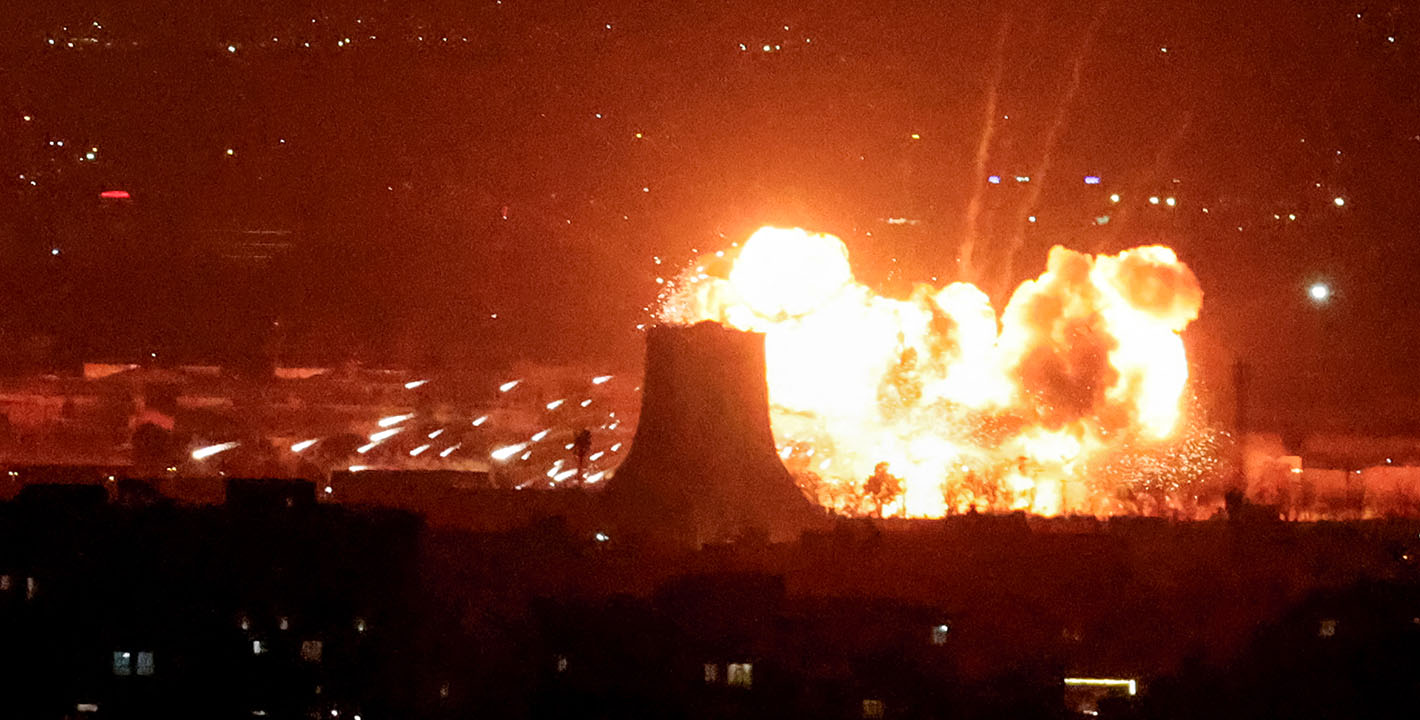
In an interview, Marc Lynch discusses his new book decrying the post-1990 U.S.-dominated order in the Middle East.

Michael Young
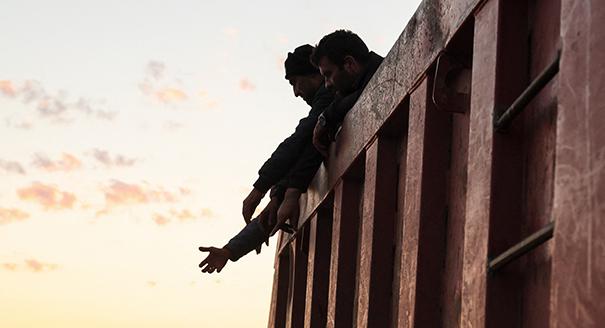
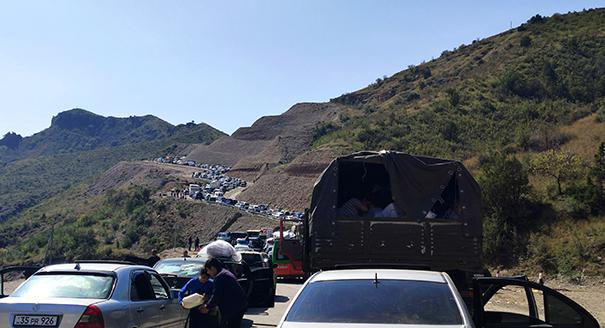
Beyond the tragedy of the Armenians, many countries in the region and internationally have a stake in what happens in the territory.

Marc Pierini
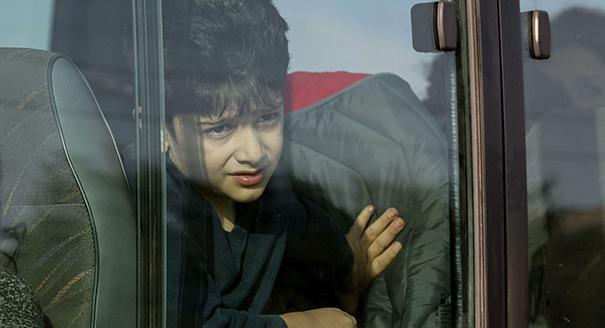
The situation in Nagorno-Karabakh has revived memories of exile and pain in the diaspora community of Lebanon.
Araz Bedross
The Azerbaijani assault in Nagorno-Karabakh in many ways reflects a ruthless strategy that was previously employed in Syria.

Armenak Tokmajyan
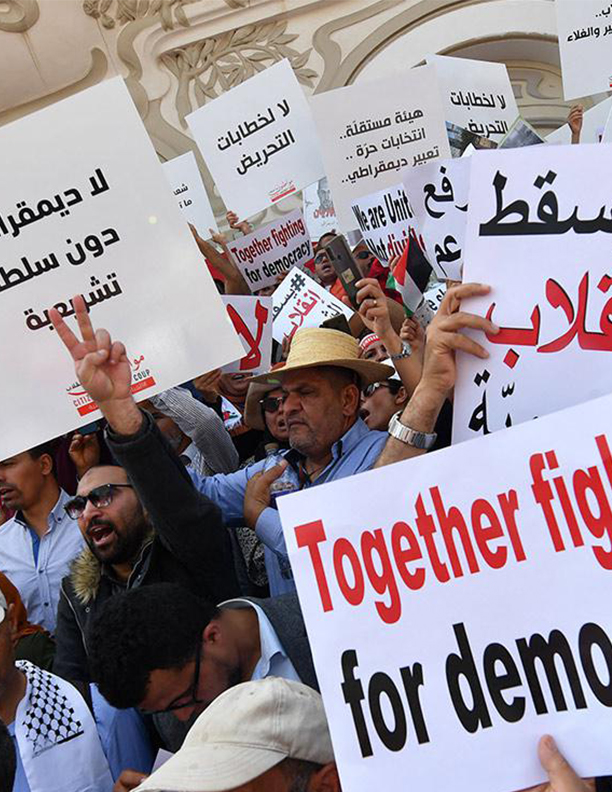
One year ago, Tunisian President Kais Saied’s self-coup put the country’s democratic transition in jeopardy. Carnegie experts examine the key aspects of Tunisia’s stalled transition through a comparative lens, both with other countries’ transitions and Tunisia’s own sectoral changes over time.


Sarah Yerkes, Jennifer McCoy, Paul Stronski, …