

Article
C. Raja Mohan, Darshana M. Baruah
{
  "authors": [
    "C. Raja Mohan"
  ],
  "type": "legacyinthemedia",
  "centerAffiliationAll": "dc",
  "centers": [
    "Carnegie Endowment for International Peace",
    "Carnegie India"
  ],
  "collections": [],
  "englishNewsletterAll": "ctw",
  "nonEnglishNewsletterAll": "",
  "primaryCenter": "Carnegie India",
  "programAffiliation": "SAP",
  "programs": [
    "South Asia"
  ],
  "projects": [],
  "regions": [
    "South Asia",
    "Afghanistan",
    "Pakistan",
    "India"
  ],
  "topics": []
}
Source: Getty
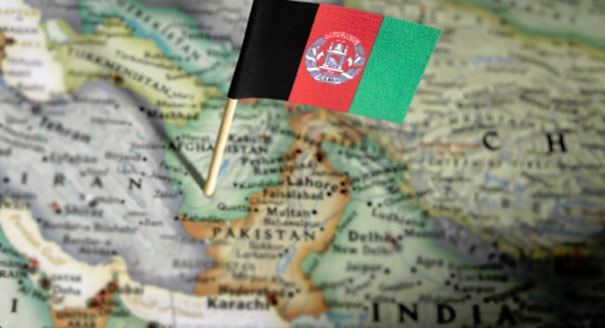
Delhi and Tehran see the Chabahar port as a means to improve their geopolitical leverage with Pakistan and pursue their common interest in providing Central Asia alternative routes to the Indian Ocean.
Source: Indian Express
Delhi’s decision, annonunced over the weekend, to participate in the development of the Chabahar port in Southeastern Iran has not come a day too soon.
The idea was first mooted more than a decade ago during the visit of the Iran’s president, Mohammed Khatami, as the chief guest at India’s Republic Day celebrations in January 2003.
That it has taken so long to move on this important project underlines the fact that the UPA government failed to get its act together on critical projects involving India’s national security.If the finance ministry refused to fund strategic projects within and beyond borders during the UPA rule, the government of Narendra Modi is eager to press ahead by resolving the inter-ministerial disputes. With Arun Jaitley in charge of both the finance and defence ministries, it has become a lot easier to ‘convince’ the bureaucrats of the finance ministry.
Both Delhi and Tehran value the Chabahar port as a means to improve their geopolitical leverage vis a vis Pakistan and pursue their common interest in providing Afghanistan and Central Asia alternative routes to the Indian Ocean.
The NDA government has sanctioned nearly $85 million for the construction of two berths at Chabahar and the development of a container terminal.
The proposal for Chabahar port came up in the context of Pakistan’s plans to develop a greenfield port at Gwadar on Pakistan’s Makran coast with substantive financial assistance from China at the turn of the last decade.
Tehran saw the Gwadar project as undermining Iran’s position as the gateway to Central Asia and decided to develop Chabahar, which is located not too far to the West from Gwadar. Delhi, which long chafed at Pakistan’s refusal to provide overland access to Afghanistan, viewed the Chabahar port as a credible alternative to gaining physical access to Afghanistan. Land-locked Kabul, whose only route to the sea is through Pakistan, welcomed the project as a way to ease its strategic dependence on Islamabad.
Even the United States, which was determined to isolate Iran, chose to support the efforts by Delhi, Tehran and Kabul to develop transport corridors that improve international connectivity with Afghanistan.
The importance of Chabahar project has only gone up over the last decade. Afghanistan’s strategic vulnerabilities are increasing amidst the U.S. plans to substantially reduce its military presence in Afghanistan.
Meanwhile India-Pakistan relations have entered a tense phase.
The hopes for normalisation of trade relations between the two countries have begun to evaporate. There is little prospect that Islamabad will agree to trilateral economic integration with India and Afghanistan.
Delhi and Tehran must now sit down with the new government in Kabul to negotiate trilateral trade and transit agreements that will ensure an early realisation of all economic and strategic benefits that the Chabahar project promises.
Former Nonresident Senior Fellow, Carnegie India
A leading analyst of India’s foreign policy, Mohan is also an expert on South Asian security, great-power relations in Asia, and arms control.
Recent Work

C. Raja Mohan, Darshana M. Baruah


Alexander Gabuev, Paul Haenle, C. Raja Mohan, …
Carnegie does not take institutional positions on public policy issues; the views represented herein are those of the author(s) and do not necessarily reflect the views of Carnegie, its staff, or its trustees.
In an interview, Abhinav Pandya discusses the multiple facets of India’s ties with the Middle East.

Armenak Tokmajyan
The interaction of national armed forces and private business sectors offers a useful lens for viewing the politics of numerous countries of the so-called Global South. A rising trend of military political activism—often accompanied by military commercial activity—underlines the importance of drivers and outcomes in these relationships.

Yezid Sayigh, Hamza Meddeb

The Gulf Cooperation Council has shifted its energy export focus to Asia, particularly India and China. This is part of a broader shift as GCC members look to expand their geopolitical alliances away from the West.

Alexandre Kateb
Scholars from Carnegie’s global network comment on how the ongoing conflict between Israelis and Palestinians is affecting their areas of interest, and what the implications of this may be.



Maha Yahya, Rosa Balfour, Judy Dempsey, …
Turkey’s success in finding a role in Afghanistan could bring its leadership valuable benefits.

Marc Pierini