

Article
Frederic Wehrey, Charles H. Johnson
{
  "authors": [
    "Frederic Wehrey"
  ],
  "type": "legacyinthemedia",
  "centerAffiliationAll": "dc",
  "centers": [
    "Carnegie Endowment for International Peace",
    "Malcolm H. Kerr Carnegie Middle East Center"
  ],
  "collections": [],
  "englishNewsletterAll": "menaTransitions",
  "nonEnglishNewsletterAll": "",
  "primaryCenter": "Carnegie Endowment for International Peace",
  "programAffiliation": "MEP",
  "programs": [
    "Middle East"
  ],
  "projects": [],
  "regions": [
    "Middle East",
    "Iraq",
    "Syria",
    "Gulf",
    "Levant"
  ],
  "topics": [
    "Political Reform",
    "Security"
  ]
}
Source: Getty
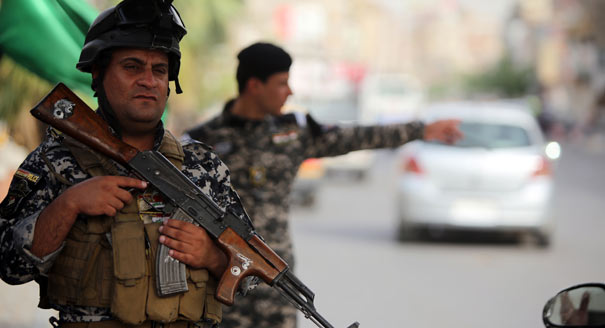
Empowering local partners on the ground is going to be a long-term challenge.
Source: BBC World
Speaking on BBC World, Carnegie’s Frederic Wehrey discussed U.S. President Barack Obama’s recent meeting with the defense ministers of the more than twenty countries taking part in the coalition against the Islamic State. While the members of the coalitions have their own interests and in some cases use their participation as leverage, Wehrey said the purpose of the meeting is to forge a common strategy and vision behind the anti-IS campaign.
He argued that the situation on the ground is going to be a long-term challenge of empowering local partners. American officials are focused on the Iraqi theater of operations because it is the most alarming in terms of the advances by the IS. “There is a partner there that can be worked with,” Wehrey argued, “they’re trying to shore up the Iraqi security forces, they’re trying to advise them, equip them, they’re trying to co-opt the Sunni tribes so that’s really where the focus has to be in terms of stopping this advance.”
Senior Fellow, Middle East Program
Frederic Wehrey is a senior fellow in the Middle East Program at the Carnegie Endowment for International Peace, where his research focuses on governance, conflict, and security in Libya, North Africa, and the Persian Gulf.
Recent Work
Frederic Wehrey, Charles H. Johnson
Frederic Wehrey, Charles H. Johnson
Carnegie does not take institutional positions on public policy issues; the views represented herein are those of the author(s) and do not necessarily reflect the views of Carnegie, its staff, or its trustees.
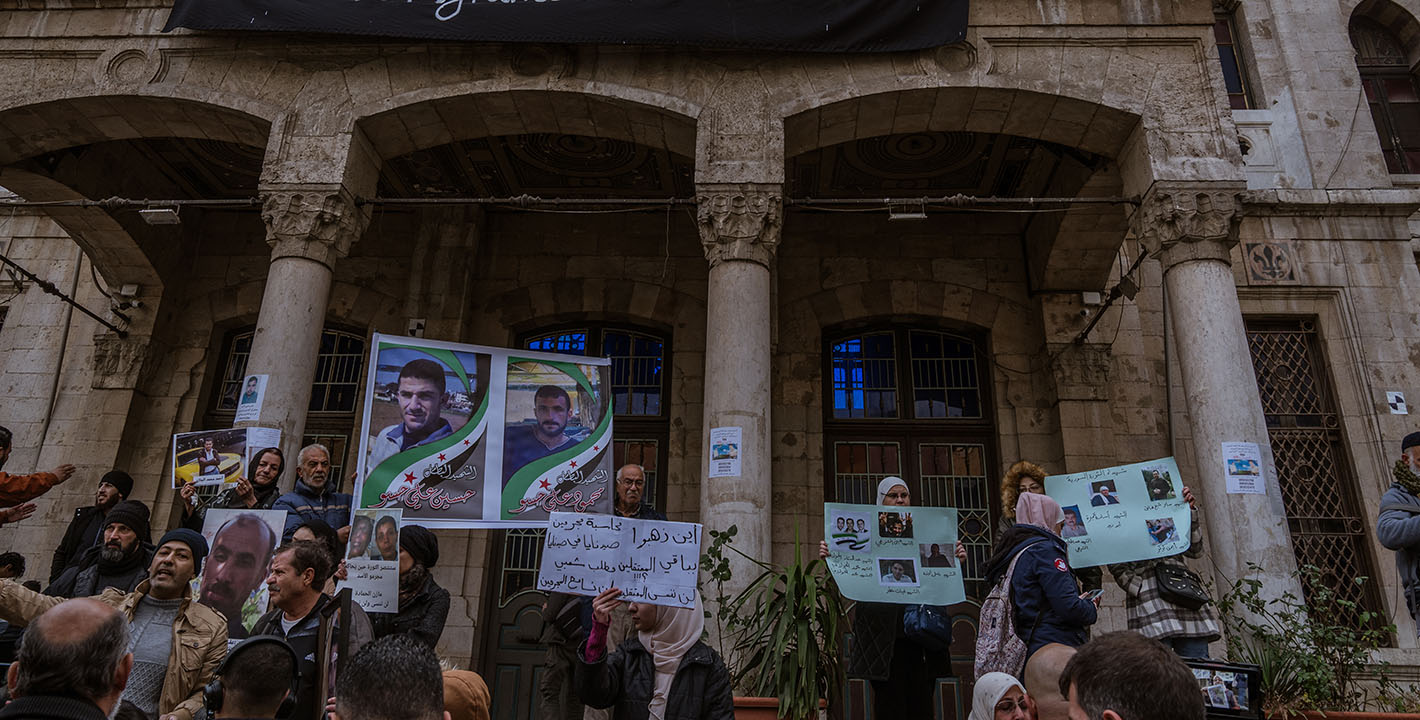
Reconciliation councils are emerging throughout the country to mediate in intracommunal disputes, many from the war years.
Natacha Danon
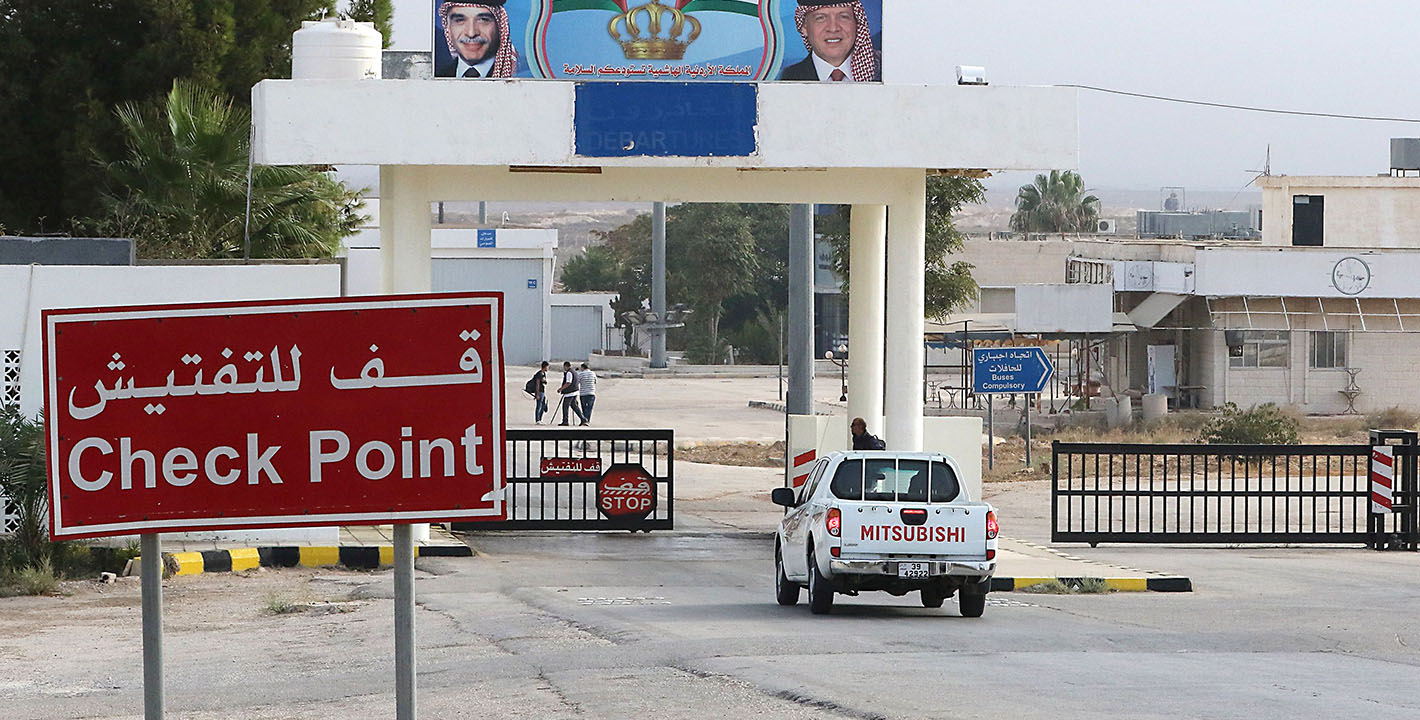
The civil war in Syria may have ended, but the country continues to serve as a source for the trafficking of illegal substances into and via Jordanian territory.

Armenak Tokmajyan, Laith Qerbaa
As the U.S.-led Coalition withdraws, the Kurds’ reliance on Baghdad, and on themselves, will only increase.
Wladimir van Wilgenburg

As the U.S. stumbles in its war with Iran, we are likely to see an acceleration of its disengagement from the region.

Michael Young
The Zaidi government’s objective to collect weapons is constrained by regional conflict, but it can take certain measures at home.
Ali Al-Mawlawi