

Paper
New data reveal how China’s foreign police training programs have become an integral part of Beijing’s strategy to remake global security.
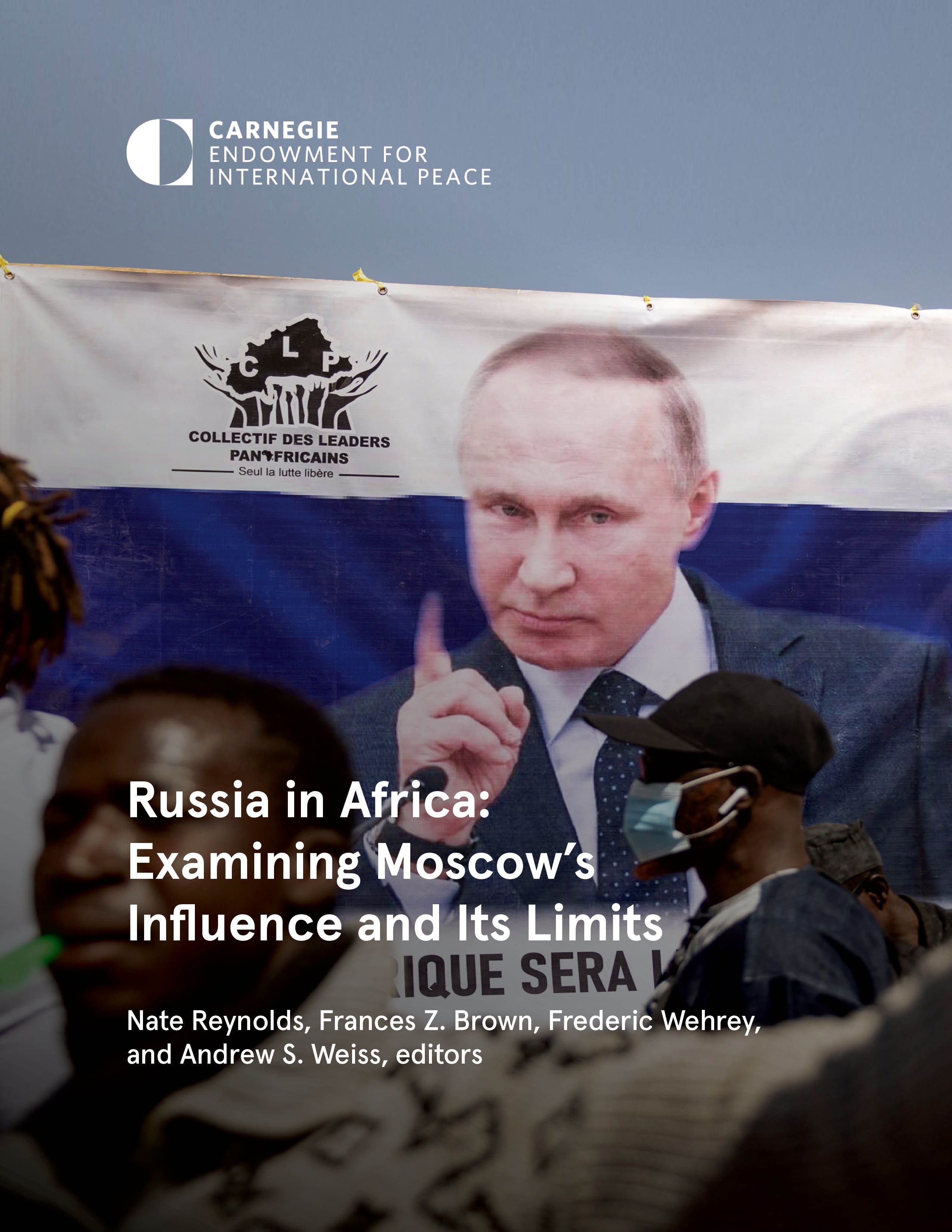
As Moscow looks for opportunities to build inroads on the continent, governments in West and Southern Africa are identifying new ways to promote their goals—and facing new risks.
Frances Z. Brown and Nate Reynolds
Too often in the halls of Capitol Hill, and more broadly in Washington, Russia’s role in Africa is framed in polarizing and almost caricature-like terms. On the one hand, Russia is frequently portrayed as a potent, malign actor that demands a robust response across multiple fronts. On the other, it is sometimes dismissed as a weak paper tiger that is not worth challenging with meaningful resources. This compendium aims to inject nuance and complexity into this conversation.
The collection explores Russia’s role, its appeal, and its limitations across very different parts of the continent—from West Africa and the Sahel to Southern Africa. Bringing together contributions from a range of scholars based in or hailing from the continent, it dives into Russia’s interests and tools, and explains how they vary over time and between places. Given Moscow’s increased engagement on the continent since the 2010s, and especially since its full-scale invasion of Ukraine in 2022, this collection offers a timely look at its influence in these two key regions.
But equally, the compendium explores the agency and interests of African governments and citizens. As African actors navigate relationships with Moscow and other external powers, they are identifying new ways to promote their goals—and facing new risks.
In the end, the picture that emerges is complex. No single story encapsulates Russia’s role on the African continent, and likewise, no single story emerges of African governments’ and citizens’ agendas vis-à-vis Russia. In this opening overview, we highlight three key themes that emerge in multiple essays in the collection. Just as importantly, we also highlight three open questions that bear consideration as the narratives of Russia in Africa continue to unfold.
Opportunism continues to define Russia’s approach to Africa, as Moscow hones a set of tools designed to take advantage of instability and state fragility.
Since Russia expanded outreach to Africa over a decade ago, it has exploited political instability and weak regimes to build influence quickly and cheaply. In 2018, Russia shocked the West by deploying mercenaries and weapons to shore up Faustin-Archange Touadéra’s besieged regime in the Central African Republic. More recently, as Priyal Singh notes in his essay for this compendium, Russia has relied on a similar playbook in the Sahel. Beginning in 2020, political upheaval, insurgency, and the perceived failure of French-led security efforts created fertile ground for Russia to displace France as the dominant partner for regimes in Burkina Faso, Mali, and Niger.
It is unlikely a Kremlin strategist would have pinpointed these countries—all of which are landlocked and fall in the bottom ten of the UN’s human development index—as top priorities, but instability and opportunism drive Moscow’s engagement as much as grand plans. As multiple essays in this compendium show, Russia’s overall tool kit cannot compare to those of several other external actors, especially in terms of economic power. To compensate, Russia has developed and refined flexible security offerings that appeal to regimes anxious about their own survival. Mercenaries, weapons, and media operations are delivered, often in apparent return for opaque deals for natural resources and without the conditions that would be imposed by the West. Singh points out Russia’s relationships in the Sahel are inherently fragile. Moscow nonetheless seems content as long as it can weaken Western influence, gain access to markets and resources, and raise its profile as a global actor.
Instability and opportunism drive Moscow’s engagement as much as grand plans.
While Russia has important relationships with several stronger African states, some essays conclude that stability and security help temper Moscow’s influence. Singh argues that more stable states in Southern Africa value Russia as a historical and current partner, but they are uninterested in accepting Russian mercenaries or jettisoning economic opportunities with important partners such as China, the United States, and Europe. In their essays, Jean-Hervé Jezequel and Beverly Ochieng separately point to stability in coastal West Africa as a moderating force on Russian influence so far. Ochieng notes this dynamic ultimately encourages Russian opportunism, as Moscow expands disinformation campaigns and looks for openings to improve a weak hand.
African actors can—and do—instrumentalize Russian engagement on the continent and advance their own agency in the relationship.
In Washington, much has been made of Russia’s instrumentalization of African partners to achieve its agenda. Several of these essays provide further granularity on this trend, while also showing that the story varies between countries.
But many African governments are leveraging Russia to advance their own agendas in the context of an increasingly multipolar world. As Philani Mthembu argues, several Southern African states are “using Russia’s reemergence as a source of leverage to get better deals and options from their largest economic and political partners.” Mthembu recounts Mozambique’s recent hedging—maintaining Moscow as a key security partner even as the EU has expanded security support—as one example in practice. Ochieng documents how Togo is cultivating both Russia and the West, expanding security cooperation with Russia while its senior officials argue that it could serve as a foothold for U.S. counterterrorism goals in the region. For many African actors, “gaining Western attention” is a good in and of itself—and courting Russian engagement is one surefire means to do so.
Elsewhere on the continent, as Singh’s contribution recounts, several Sahelian regimes are leveraging Russia to advance their own priorities, generally of regime survival and concession-oriented deals. Some are also harnessing Russian information tools. In his essay, Bah Traoré shows how Sahelian regimes “actively develop their own strategies, using both Russian channels and domestic media to disseminate their messages, enhance their legitimacy, and shape the internal political narrative.” Traoré argues that this creates a symbiotic relationship: “Moscow provides dissemination tools and ideological framing, while local regimes adapt and leverage these messages to serve their own political goals and consolidate power.” Mthembu notes that sometimes particular African political actors use Russian engagement to gain tradespace in their own internal political party struggles.
Geopolitical competition in Africa is widening and intensifying as middle powers emerge as important external partners, in addition to traditional powers. The West must evolve its approach accordingly.
Russia is now part of a growing and crowded field of external powers looking to build influence in Africa. In his essay, Anouar Boukhars examines this phenomenon in the Sahel and West Africa, where a combination of instability, insurgency, and a demand for energy and critical minerals has attracted a wide array of external powers. Today, China, various European states, the Gulf states, Russia, Türkiye, and the United States are all active in the region, each with different strengths, creating a geopolitical landscape that is more complex than the binary frames of the Cold War. Boukhars concludes West African states now can negotiate better terms, though he warns Russia’s partners in the Sahel risk falling into “older patterns of dependency.”
As Mthembu notes in his conclusion, the West would be wise to accept the trend toward multipolarity rather than fight it. With some exceptions, discourse in Washington has often used an explicit counter-China and counter-Russia framing of policies toward Africa. But many countries see utility from a multitude of partners, and trying to force them into taking sides will be counterproductive. Multiple UN General Assembly votes to condemn Russia’s war in Ukraine, for example, pushed the West to spend political capital with neutral African states with diminishing returns in terms of isolating Russia. Mthembu argues that the Western focus on countering Russia has even paradoxically elevated Moscow in the eyes of some African leaders.
Success in geopolitical competition will ultimately hinge on the value proposition that the West offers African governments. This brings its own complexities and debates. Many of the regimes where Russia seeks to build influence are undemocratic, corrupt, and weak. Western countries will therefore face difficult choices on whether and how to engage them while upholding their traditional commitment to human rights and democracy.
As Russia struggles to manage the security challenges in the Sahel, how will this affect its influence more broadly?
Having exploited insecurity to entrench itself in the Sahel, Russia is now outmatched by the complex and growing insurgency it inherited. Hannah Rae Armstrong’s essay, which looks at Moscow’s efforts in Mali, argues that Russia is repeating France’s mistakes, favoring a heavy military hand without a political strategy to address the root causes of violence. Even Russia’s battlefield successes have ultimately inflamed rather than reduced tensions. By late 2025, insurgents had encircled Bamako and put strain on fuel supplies.
Whether Russia’s struggles will damage its relationships with governments in Burkina Faso, Mali, and Niger is an open question. In his essay, Jezequel concludes that these governments are content for now but warns that “Russia may already have reached the high-water mark” in the region given ongoing security and economic challenges. There are clearly frictions that could become worse over time. Jezequel highlights political distrust, with Sahelian regimes wary of becoming too dependent on Moscow, given the deep hooks Russia has put into controlling Touadéra’s regime in the Central African Republic. Armstrong points to tensions between Malian forces and Russian contractors linked to atrocities. Public sentiment is another variable to watch. Russia enjoys strong support inside Mali according to polls, but France benefited from a similar dynamic before its failures triggered a backlash.
Moscow’s record also matters as it looks to build influence elsewhere. Mali is Russia’s largest deployment in the Sahel and the first major test for Africa Corps, the rebrand of the Wagner Group that put it under direct state control. As Moscow looks to expand influence, other countries will be watching. Russia needs to show that Africa Corps can deliver what is promised in the Sahel, even if that is only meeting the relatively low bar that Armstrong describes—“protect the junta and protect the mines.”
Can Moscow keep relying on history, symbolism, and a sovereigntist narrative to offset economic and other weaknesses?
As several essays show, historical memory has loomed large in the minds of African populations and governments. In many countries, Moscow’s Cold War–era support for liberation movements on the continent has a lasting impact, which is a theme of Ray Hartley’s essay on the evolution of South Africa’s relations with Russia since the end of apartheid. But Steven Gruzd and Friedrich von Treskow argue that “Moscow’s foreign policy is over-reliant on symbolism. Much of Russia’s influence rests on history and rhetoric, with few tangible benefits for African partners.” Further, several liberation-movements-turned-political-parties in Southern Africa have faced setbacks at the ballot box in recent years, including, as Hartley notes, in South Africa.
Meanwhile, somewhat parallel questions have emerged in the Sahel, where Russia successfully harnessed the narrative of “retaking sovereignty” in the wake of the expulsion of French forces. But several years on, the Russian presence in these countries has largely not improved security or economic conditions for populations. Citizens may well be asking how much sovereignty they have retaken under Russian influence, and whether Russian engagement truly advances their goals.
Even if Russia continues to fall back on symbolism and gestures, Mthembu suggests that this may not matter. He makes the case that Russia’s appeal goes beyond what it did for liberation movements: It has an attraction rooted in alternatives and leverage. Even small gestures have impact. Additionally, as Gruzd and von Treskow recount, Russia is still offering soft power initiatives focused on education and media. Compared with a U.S. administration that has largely retreated from the African continent—and from soft power initiatives—there is an argument that even symbolic gestures beat no gestures at all.
How might the sharp shifts in U.S. foreign policy under Donald Trump’s administration affect the dynamics between Africa, Russia, and the United States in the years to come?
Even as the collection unpacks current complexities in Russia-Africa dynamics, it surfaces a related question of how recent shifts in U.S. policy might intersect with this equation.
Thus far, the contours of the second Trump administration’s policy toward Africa are still emergent, and it is often hard to distinguish rhetoric from reality. Conceivably, some recent developments offer an opening for the United States to press its advantage vis-à-vis Russia. The Trump administration has cited commercial diplomacy as a top priority on the continent. This shift was welcomed by many African stakeholders and also offered the United States the opportunity to play off of Russia’s weakness as an economic partner. However, it remains to be seen how much of that stated U.S. emphasis on trade and investment will translate into real economic opportunities for African actors, particularly as the administration seeks to expand tariff regimes.
On another note, the story of Russia’s engagement in the Central African Republic—often seen as a cautionary one by African stakeholders—could provide an opening for the United States to offer itself as a more attractive alternative partner. But the administration may or may not choose to take this opportunity, as it has overall publicly downgraded emphasis on both Africa and competing with Russia. Similarly, the insight presented in several essays, that Russia exploits state fragility, would seem to present the United States with an imperative to focus on bolstering institutions, particularly in key states of coastal West Africa. But the administration has backed away from previous administrations’ emphasis on strengthening fragile states.
At the same time, the administration has signaled prospects for more transactional relations that are less focused on democracy and values, including in its counterterrorism outreach to the Sahel. It remains to be seen whether this will meaningfully challenge Russian counterterrorism presence in the Sahel, for example.
Overall, these essays point to a complicated and mixed record for Russia in Africa that defies the simple characterizations that are too often applied. Russia’s influence in Africa has undoubtedly grown, but there are outstanding questions about whether it can translate its gains into stable, lasting relationships; whether its tools and symbolic gestures will gain further traction; and whether it can outcompete a crowded field of external powers that can deliver more than Russia, should they choose to. From the perspective of African stakeholders, the story of interaction with Russia also eludes monolithic description, presenting both challenges and opportunities to exert agendas. The essays do not have the answers about what comes next, but they point to trends and questions, offering signposts to evaluate Russia’s engagement on the continent as it continues to unfold.

Vice President for Studies
Dr. Frances Z. Brown is a vice president for studies at the Carnegie Endowment for International Peace. Brown served on the White House National Security Council (NSC) staff over the past three presidential administrations. Her research focuses on U.S. foreign policy, Africa, the Middle East, and governance.
Senior Fellow, Russia and Eurasia Program
Nate Reynolds is a senior fellow in the Russia and Eurasia Program at the Carnegie Endowment for International Peace.
As the Russian invasion of Ukraine drags on, Moscow is prioritizing bilateral engagements with African nations to counter and mitigate the political and economic fallout of Western attempts at isolation. Through increased high-level political engagements, a bolstered security and military footprint, the expansion of various economic initiatives, and targeted media and ideological outreach activities, Moscow’s refocus on Africa has been broad, sweeping, and hasty. In just a few short years, the continent has evolved from a largely peripheral Russian foreign policy consideration to a more heavily weighted geopolitical theater to counter Western influence, bolster its strategic autonomy, and broaden its list of key international partners and clients. Though this trend began before 2022, the war in Ukraine has been an accelerant, and Russia’s more activist approach today contrasts sharply with Moscow’s relative disengagement from the continent in the two decades following the Soviet collapse.
Underneath this broad trend, there are important regional distinctions in Moscow’s engagement that are often overlooked. Russia’s approach toward the Sahel, for example, where it has capitalized on insecurity and regime fragility, bears little resemblance to its approach in Southern Africa, where its ties are less transactional and more long-standing. Understanding these distinctions sheds light on the opportunities and limitations facing Russia in the different regions, with different models for Moscow’s influence on the continent. Though Russia’s push for clients draws attention, the long-term success of its approach to Africa will depend on whether it can build more balanced and enduring relationships that mirror those in Southern Africa.
In the West, the dimension of Russia’s pivot to Africa that garners the most concern is Moscow’s expansion and instrumentalization of its bilateral security assistance to a growing number of African nations. Working through direct government channels as well as through state-backed military contractors, Moscow has managed to entrench and deepen its political influence, particularly across the Sahel—despite remaining a fairly marginal actor in terms of trade, investment, and development assistance throughout the broader continent.
In Burkina Faso, the Central African Republic, Libya, Mali, Niger, and Sudan, among other countries, Moscow has positioned itself as a major security partner. It does not impose the conditions often attached to Western assistance, it inflames and capitalizes on anti-Western sentiments, and it is often tied to direct (albeit opaque) mining and minerals concessions. While Moscow derives symbolic and broad geopolitical benefits from these engagements, such as an emboldened international profile propping up its self-conception as a great power in the contemporary international system, these engagements are, for the most part, opportunistic and transactional. Driven by immediate economic and geopolitical imperatives, Moscow’s bolstered bilateral security assistance to many African nations in recent years appears to respond to the regime survival concerns of various African leaders, on the one hand, and Russia’s own access to critical natural resources, on the other.
At the same time, Russia’s relationships with these states are accompanied by targeted media initiatives and disinformation campaigns to frame deepening security cooperation as a response to the failures and malign intent of traditional Western security partners. In this way, Moscow buttresses its geopolitical position and promotes a broader Russian worldview of a shifting international order, a worldview that aligns with the misgivings and disillusionment that numerous African state actors have with the U.S.-led, Western-dominated global system.
It is unsurprising that this approach has gained the greatest traction across the Sahel and Central Africa. In a region that is Africa’s most prominent conflict belt, Russia has managed to concentrate influence with a handful of select client states and leaders. Following a wave of coups d’état in Burkina Faso, Mali, and Niger (between 2020 and 2023), Moscow—at first through Yevgeny Prigozhin and his state-supported Wagner Group—managed to step into the breach left behind by traditional Western security partners and service the security needs of the newly installed military juntas. Russia has pledged military assistance and regime security through state-backed military contractors and delivered small and heavy armaments to bolster and augment the capabilities of these juntas. In return, Russia has gained mining concessions and favorable long-term mineral supply contracts. After Prigozhin’s failed 2023 rebellion against the Kremlin, Russia subsumed the Wagner Group into the more directly state-controlled Africa Corps, but the basic transaction with these regimes has remained the same.
This playbook was first developed and refined through earlier engagements in Sudan and the Central African Republic, where Prigozhin and the Wagner Group established a wide array of security and commercial ties with elite political networks beginning in 2017–2018. In the Central African Republic, the Wagner Group’s deployment, on the back of arms provisions and other military assistance to President Faustin-Archange Touadéra, quickly paved the way for Prigozhin’s personnel to embed themselves within Bangui’s corridors of power. Through close and direct access to the country’s political elites, apparent commercial quid pro quos soon followed. A similar request by former Sudanese president Omar al-Bashir in 2017 led to Wagner’s security assistance in exchange for privileged access to lucrative mining concessions.
Moscow continues to try to expand its influence across the continent based on this playbook, intertwining security partnerships, regime security, resource access, and countering Western influence. In recent years, Moscow has looked toward Equatorial Guinea (through the deployment of troops in support of President Teodoro Obiang Nguema Mbasogo’s regime in late 2024), Togo (through the signing of a recent military cooperation agreement in 2025), and Guinea and Republic of the Congo (through visits from the Russian foreign affairs minister in June 2024), among others.
While Moscow’s profile expands as a result of this relatively nascent commercial-security quid-pro-quo playbook in the Sahel, the Southern African region is far less receptive to this approach. With the exception of Mozambique, which saw a short-lived intervention by the Wagner Group in 2019, no state actors in the region have entered the commercial-security arrangements with Moscow or state-backed entities that are so prevalent further north. There is a lower demand for these kinds of services given that regime survival and stability is not as tenuous as in the Sahel and Central Africa, where countries remain plagued by authoritarian governments, deeply rooted violent insurgencies and extremist groups, and other structural conditions that facilitate cyclical waves of coups d’état. While there is considerable cross-country variation, Southern African states in general benefit from comparatively more robust democratic governance institutions and norms that help underpin regional stability and security.
Nonetheless, Moscow’s influence in Southern Africa is buoyed by other, more long-standing factors, including ties stemming back to the region’s liberation-era politics that have anchored bilateral engagements. South Africa is a particularly special case. It maintains strong and comprehensive relations with Moscow based on a deep reservoir of political capital garnered through Soviet-era support for the African National Congress political party. This special relationship has been further supported through interpersonal relations between both countries’ political elites, again stemming back to the Soviet era, and some foreign policy commonalities rooted in the party’s ideological commitment to what it calls “progressive internationalism.”
This historical political capital also extends to other major state actors in the region, including Angola (through extensive Soviet military assistance provided to the Popular Movement for the Liberation of Angola), and Mozambique (through Soviet arms supplies and training to the Mozambique Liberation Front). Beyond such tangible material support, most other liberation movements in the region generally veered toward Moscow’s political orbit throughout much of the Cold War, given their ideological leanings toward anti-colonial, revolutionary, and Marxist thinking. Despite recent electoral setbacks, the long-standing dominance of such liberation-era political parties in Southern Africa continue to provide a significant anchor point for bilateral relations with Moscow compared to the rest of the continent.
Accordingly, Russia’s security footprint in the region is grounded within comparatively deeper political and military networks, and it appears less transactional compared to Russia’s recent engagements in the Sahel. Russia’s security footprint in Southern Africa is more institutionalized and rooted in strategic partnership agreements, bilateral military cooperation deals, training exchanges, and joint naval exercises, as well as arms sales and technical military support.
Moscow’s economic relationships in Southern Africa are also more comprehensive compared to those in much of the rest of the continent (barring North Africa), even if they remain limited to certain sectors. State-backed companies—including Rosatom, ALROSA, and Rosoboronexport, with interests and operations spread across mining, energy, and defense—have been particularly prominent in the region. Broader secondary interests span trade in agriculture and fertilizers (notably through Uralchem and PhosAgro), to information and communications technologies, to nuclear medicine and health. Russian commercial interests are bolstered by established, long-standing political ties. The region’s relatively more stable political and security environment, coupled with more developed financial institutions and infrastructure (centered around South Africa) have also facilitated deeper economic ties with Russian firms.
These kinds of engagements, largely falling outside of the overtly transactional playbook employed by Moscow elsewhere on the continent, establish a basis for cooperation within multilateral settings, often framed through the lens of shared interests and alignment on norms. Voting patterns between Russia and elected Southern African states serving on the UN Security Council have often diverged, with African states largely affirming the independence of their respective foreign policy approaches. Nonetheless, there are overarching themes and ideological points of convergence between these states and Moscow within multilateral settings, particularly on global governance institutions, the pursuit of a more multipolar international system, and opposition to Western sanctions regimes.
These distinctions point to a seemingly dual-track approach that underscores both the opportunism and limits of Russia’s Africa policy: While Moscow’s influence has grown markedly in unstable, conflict-prone states across much of the Sahel and Central Africa, its more sustainable partnerships remain the ones grounded in historical solidarity and the comprehensive political networks nurtured over time. As Moscow seeks to deepen its engagements across the continent, the limits of the former approach may soon become as apparent as the long-standing utility of the latter. In other words, Moscow’s bilateral ties based primarily on short-term transactional interests may flounder as political or security dynamics in African states change over time. Clients or patrons are easily interchangeable in this context, leaving little in the way for building long-term strategic partnerships.
Southern Africa, on the other hand, represents a different model of engagement in which bilateral ties have been grounded in a sense of political solidarity and nurtured over decades on the back of a shared history and normative alignment with the region’s former liberation movements. This has resulted in robust bilateral ties that can survive and grow, even amid prevailing geopolitical headwinds. While there are many lessons Moscow could leverage and seek to replicate elsewhere across the continent, it remains to be seen whether the Kremlin can resist the temptation of short-term gains in an increasingly fragmented and unpredictable international environment.
Priyal Singh
Senior Researcher, Institute for Security Studies
Priyal Singh is a senior researcher at the Institute for Security Studies, a leading pan-African human security think tank headquartered in Pretoria. He is an international relations PhD candidate at the University of the Witwatersrand, focusing on ad hoc security coalitions and the deinstitutionalization of conflict response in Africa.
Russia’s growing influence in the central Sahel represents one of the most significant shifts in West African geopolitics over the past decade. In the three Alliance of Sahel States (AES) countries (Burkina Faso, Mali, and Niger), Moscow has emerged as a key alternative to Western partners, particularly France—although in different ways in each AES country. Several factors explain Russia’s appeal, including the persistent shortcomings of French-led stabilization efforts in the 2010s as well as Moscow’s flexible and opportunistic approach. At the same time, this influence is constrained by operational and financial limits, as well as the presence of competing external actors. By examining the factors behind Russia’s rise, the limitations it faces, and the extent to which regimes in Burkina Faso, Mali, and Niger are satisfied, it is possible to shed light on the uncertain trajectory of Russian influence in the region.
Russia’s growing appeal in the Sahel did not emerge in a vacuum. It is the product of several overlapping dynamics that together explain why the three AES countries have welcomed closer ties with Moscow following coups that brought military juntas to power in each case.
The first and perhaps most decisive factor was the failure of the French-led stabilization efforts that began in 2013—Operations Serval and Barkhane, the UN Multidimensional Integrated Stabilization Mission in Mali, the G5 Sahel, and various EU missions. After more than a decade of external military engagement, jihadist groups continued to expand their reach, controlling or contesting large areas of central Mali, northern Burkina Faso, and western Niger. For many citizens and elites, this security failure discredited France and its allies, creating frustration that opened the doors to political instability and alternative partners.
Beyond the failures of Western countries in the Sahel, Russia’s influence has been amplified by well-coordinated information operations. Pro-Russia media outlets and online campaigns on Facebook, TikTok, and Telegram consistently attacked France while praising Moscow. These narratives have found fertile ground in societies where Western partners are widely distrusted, while reinforcing the perception of Russia as a loyal and honest ally.
Such information campaigns help support historical and social ties. Beginning in the 1960s, the Soviet Union sent advisers to help train Mali’s armed forces, and close military ties persisted throughout the Cold War. Thousands of Malian and Burkinabé citizens also studied in the Soviet Union or Russia. At the same time, Russia has successfully tapped into powerful anti-colonial sentiments, presenting itself as a partner unburdened by the legacy of Françafrique, the term used to name France’s relationship with its former colonies in Africa. On social media, young activists have embraced Moscow as an ally in the fight against neocolonialism, amplifying its attractiveness among populations already suspicious of Western intentions.
Equally important has been Russia’s pragmatic and opportunistic approach to bolstering relations with AES regimes. Unlike Western actors who tie assistance to governance reforms or human rights benchmarks, Moscow adapts to its partners’ demands in a more pragmatic way. Whether through military instructors, weapons deliveries, or deploying boots on the ground for specific operations, it provides flexible responses. This form of cooperation resonates with regimes that increasingly appear more concerned with their immediate survival than long-term reforms. Russia’s presence differs from one AES country to the other, but Moscow has delivered tangible security cooperation in line with what each military regime wants. In Mali, the private military organization the Wagner Group—later succeeded by the state-controlled Africa Corps—helped government forces retake the northern stronghold of Kidal. In Niger, Russian military instructors and air defense systems arrived in 2024. Moscow also pledged support for the joint AES force that combines units from the three Sahelian countries. These gestures strengthened the perception that Russia can deliver in areas where Western actors retreated.
Moscow adapts to its partners’ demands in a more pragmatic way. Whether through military instructors, weapons deliveries, or deploying boots on the ground for specific operations, it provides flexible responses.
Economic cooperation, though still limited in scope, has added to Russia’s appeal, even if it remains to be seen whether Moscow has the means to realize its ambitions. In 2023, Russia and Mali signed agreements on geological exploration, gold refining, and even nuclear energy. In Burkina Faso, Russian companies entered the mining sector, while food aid deliveries and energy talks signaled Moscow’s ambition to broaden ties beyond the purely military sphere.
Despite its notable gains, Russia’s role in the Sahel is far from unchallenged. Moscow’s expansion has encountered several obstacles that limit the depth and sustainability of its influence.
One major source of caution for Sahelian regimes is the experience of the Central African Republic, where Russia’s use of mercenaries was accompanied by allegations of abuses, opaque resource deals, and signs that the private military company the Wagner Group was directly managing significant sections of the state, including some customs resources. This legacy has fueled mistrust elsewhere, including in Niger, where some political and military elites remain cautious about granting Moscow too much space.
Despite the success at Kidal and the provision of arms and military instruction, Russian security assistance in the Sahel continues to face daunting challenges. Insurgent violence has continued largely unabated. Jihadist groups have continued to expand in rural areas and recently demonstrated the capacity to put pressure on urban areas. Since September 2025, Jama’at Nusrat al-Islam wal-Muslimin, the most active jihadist coalition in Mali, has imposed a selective blockade of Mali’s capital Bamako, burning fuel trucks and imposing gender segregation in transport. Although the Malian Army—with the help of an estimated 1,000 Russian combatants from the Africa Corps—was able to secure convoys, access to fuel has still not fully resumed in Bamako in early 2026. More generally, in many rural areas of central and northern Mali, abuses attributed to Russian-linked forces have further alienated local communities from Russia’s presence. Some Sahelian military elites discreetly question whether Russian assistance alone can change the strategic equation. These shortcomings have exposed Moscow to accusations similar to those that previously undermined France’s legitimacy, and critical voices like Malian activist Sambou Sissoko are active on social media and have at times critiqued Russia, using the very tools that previously amplified its appeal.
Another limitation lies in Russia’s narrow focus on military solutions. Just like Western actors before it, Moscow has struggled to support meaningful political dialogue or governance reforms. Its partners in Bamako, Niamey, and Ouagadougou have leaned on Russia for battlefield assistance, but Russia has shown little capacity or interest to help these regimes move toward political settlements with armed groups or address the governance deficits that fuel insurgency.
Russia is also limited by the lack of opportunities in the more secure countries of the region. Notably, Russia’s influence tends to flourish where state authority is seriously challenged by armed insurgences and Western actors are discredited. Since 2022, in more stable contexts such as Senegal or Côte d’Ivoire, Moscow has increased its presence through diplomatic, cultural, or economic channels. For instance, according to an International Crisis Group report, the Russian Embassy in Abidjan has recently increased its staff “by between 1.5 and 3 times.” This being said, the expansion of Russian influence in coastal West Africa has been less impressive so far than in the central Sahel. This may reflect a structural limitation: Russia’s appeal is strongest where violence and political disorder open doors, and weaker where political institutions remain relatively resilient.
Russia’s appeal is strongest where violence and political disorder open doors, and weaker where political institutions remain relatively resilient.
Financial capacity is another significant constraint. While Moscow has signed agreements on food aid, nuclear energy, and mining, the material impact of these promises remains modest compared to what Western donors and China can mobilize. More generally, Russia does not operate in a vacuum. Other actors—including China, Türkiye, and even the Gulf states—are also seeking to expand influence in the region. In the context of the AES, these competitors may offer alternatives that limit Moscow’s room to maneuver. The result is that while Russia has carved out a prominent role, its ability to consolidate and expand this influence remains uncertain.
Overall, the regimes in Bamako, Niamey, and Ouagadougou seem satisfied in the sense that Russia has validated their political choices and provided immediate tools of survival. But deeper frustrations persist, as Moscow has not yet demonstrated the ability to transform the countries’ security environments or significantly boost their economies.
While Moscow has successfully developed its influence in Burkina Faso, Mali, and Niger, it is not guaranteed to maintain or expand this position for long. The future will depend on the evolving regional security situation, domestic political dynamics, and the actions of competing external powers.
As long as France and other Western allies remain discredited, Moscow can present itself as a reliable alternative, especially to regimes that prioritize sovereignty and regime survival over long-term reforms. Its symbolic capital as a partner resisting Western dominance remains potent, particularly among younger generations mobilized around anti-colonial narratives.
As long as France and other Western allies remain discredited, Moscow can present itself as a reliable alternative.
However, Russia may already have reached the high-water mark of its appeal. Its military presence has not decisively turned the tide of conflict, and its limited financial capacity prevents it from offering large-scale reconstruction or development aid. If insecurity continues to worsen, Russia risks facing the same backlash that toppled France’s credibility in the region. Information campaigns can help sustain its image, but they cannot substitute for concrete results on the ground.
The future is thus marked by uncertainty. Russia is firmly entrenched in the political imaginations of Burkina Faso, Mali, and Niger, but its structural weaknesses limit the scope of its power. Unless it can move beyond opportunistic security partnerships and deliver meaningful development support, its influence could plateau—or even decline—as other powers fill the gaps it cannot address.
Jean-Hervé Jezequel
Sahel Project Director, International Crisis Group
Jean-Hervé Jezequel is Sahel Project Director at the International Crisis Group, based in Dakar. He is also a scholar specializing in African colonial and postcolonial history. He formerly taught at Emory University in Atlanta and at the University of Bordeaux in France.
In the Sahel and West Africa, Russia is part of a shifting and increasingly crowded geopolitical landscape. The limited effectiveness—and eventual termination—of earlier international security initiatives, including UN peacekeeping operations, EU training missions, and French-led interventions such as Operation Serval and its successor Operation Barkhane, prompted African governments to reassess their defense strategies and find new external partnerships. Russia, China, Türkiye, the Gulf states, and other powers have all entered this changing balance, each offering security assistance and political backing to leaders intent on asserting sovereignty and shoring up regime survival. Amid persistent security concerns, successive military coups, the closing of political and civic space, a surge of nationalist sentiment, and a global race for access to energy and critical minerals, the Sahel and West Africa region is now a crowded arena of external competition. The central challenge for African governments is to shape these dynamics into mutually beneficial arrangements that strengthen the capacity and legitimacy of state institutions rather than reproduce old patterns of dependency.
The fragility of states in the Sahel and West Africa has created fertile ground for external actors. After a decade of socioeconomic progress in the 2000s, the region’s fortunes declined after 2015. Growth slowed, debt surged—culminating in Ghana’s default in late 2022—and resilience to shocks weakened. In parts of the Sahel and West Africa, governments came under fiscal strain as popular frustration mounted. At the same time, security unraveled and political stability frayed. Violent militancy spread across borders, while a number of states experienced democratic backsliding marked by declining electoral credibility and incumbents entrenching themselves through the manipulation or removal of constitutional term limits. Demographic and environmental pressures compounded these challenges. Rapid population growth and intensifying weather extremes fueled urban overcrowding and sharpened competition over access to land and natural resources in rural areas, deepening grievances and creating fertile ground for political entrepreneurs and violent militants to mobilize resentment.
These trends created the opening for coups in the region, toppling governments in Burkina Faso, Guinea, Mali, and Niger, as well as Gabon close by in Central Africa and more recently in Guinea-Bissau. These dynamics also opened further space for Russia, China, Türkiye, and Gulf states to jockey for influence in the Sahel and West Africa. Some of these actors are playing out their rivalries in the region—as seen among Gulf states; between Russia, China, and the West; and between Algeria and Morocco.
These external actors exploit state insecurity and fragility through a well-tested playbook centered on shoring up regime survival. Security support is the cornerstone, but each state takes a slightly different approach. Russia and Türkiye supply arms, deploy private military companies, and train forces. China couples peacekeeping and arms sales with support for internal security services and provision of surveillance technologies. Gulf states leverage financial muscle and security assistance to shape outcomes that advance their interests. These offers are often bundled with infrastructural investments and concessions granting access to minerals, farmland, or ports.
Among external actors, Russia is the most assertive in translating this playbook into hard power on the ground while seeking to reduce Western influence. Since the mid-2010s, Moscow has relied on three interconnected levers—military agreements, arms sales, and deployments of mercenaries and state-controlled military companies—to expand its security footprint in Africa. It has signed several security cooperation deals and provided training, intelligence, and equipment to Sahelian and West African countries. In 2025, Russia ratified a military cooperation agreement with Togo that provides for joint exercises, training of Togolese soldiers, and intelligence sharing. The accord also extends into naval domains, covering cooperation in hydrography surveying, maritime navigation, and anti-piracy efforts. Moscow has since signaled plans for a similar arrangement with Benin. Its reach extends further into Guinea, where the Russian navy has used the port of Conakry and is eyeing additional access to Togo’s port of Lomé.
The second lever, arms sales, reinforces these relationships by offering partners equipment that Russia presents as combat-tested and well-suited to counterinsurgency. Arms transfers are not just commercial transactions but also mechanisms for embedding Russian systems within local defense infrastructures. However, given the constraints of its war in Ukraine, Russia’s exports to West Africa and the Sahel have become more concentrated than broad, accounting for 11 percent of all arms imports to these subregions combined in 2020–2024. This placed Russia behind China (26 percent) and tied it with Türkiye (11 percent). Within this narrower footprint, Mali absorbed 54 percent of all Russian deliveries, reflecting Moscow’s strategic emphasis on cultivating select partners where influence can be maximized rather than spread thinly across many states.
The third lever, the use of mercenaries and state-controlled military companies, has allowed Moscow to project force flexibly while securing resource concessions. The Wagner Group’s previous activities in Mali and Burkina Faso blended combat support and regime security with extraction deals, creating a dual security-commercial model. After the death of Wagner leader Yevgeny Prigozhin in 2023, Moscow formalized this presence by creating the Africa Corps under the Ministry of Defense, absorbing many of the Wagner Group’s functions. Since then, the corps has consolidated its role in Burkina Faso, Mali, and Niger, where troops first deployed in April 2024 to train Nigerien forces, including in the use of drones. Taken together, these levers enable Moscow to project influence and secure commercial gains in an increasingly competitive field where other powers are also vying for engagement.
Beyond security, Russia is also broadening its economic footprint by leveraging sectors where it maintains competitive advantages, namely in energy, mining, fertilizers, and wheat exports. Russian oil, gas, and mining firms such as Nordgold and Rusal have deepened operations in West Africa, while low-cost wheat and fertilizers now reach a widening group of markets. Russian tech and service companies have gained traction as well. The Russian ride-hailing service Yandex Go entered Côte d’Ivoire in 2018 and has since expanded across other West African cities. Though Russia remains modest in scale relative to West Africa’s larger economic partners, these initiatives complement Moscow’s security activities and help sustain its broader influence in the region.
China first entered Africa through infrastructure and trade, but its role has since expanded into security. It is now a leading contributor to UN peacekeeping missions on the continent and conducts regular joint military exercises with African partners. These missions sharpen the People’s Liberation Army’s operational readiness and showcase modern hardware, creating entry points for arms sales, training, and localized production. Since 2020, Beijing has become Africa’s second-largest arms supplier after Russia, moving beyond light weaponry into drones, vehicles, and fighter jets. In the Sahel and West Africa—where its role has historically been limited by French dominance and language barriers—Beijing has exploited openings created by France’s declining influence and the impact of international sanctions on Russia. As a result, between 2020 and 2024 China became the largest supplier of arms to West Africa. In 2023, for example, state-owned arms manufacturer China North Industries Group Corporation Limited (NORINCO) opened a regional sales office in the Senegalese capital Dakar to expand sales and set up maintenance hubs in Mali and Côte d’Ivoire. This expanding footprint is also evident in Burkina Faso, where NORINCO’s recent deliveries of armored vehicles, artillery, and rocket systems highlight China’s expanding role as a key security supplier.
Training is another pillar of China’s security approach. Military officers from the Sahel and West Africa are increasingly educated at Chinese defense institutions, reflecting a broader effort that has seen China train around 2,000 African military personnel each year. In parallel, China has expanded law enforcement cooperation, training approximately 2,000 African police officers between 2018 and 2021. These efforts were reinforced at the September 2024 Forum on China-Africa Cooperation, where Beijing pledged to train thousands more African military and police personnel, including 6,000 senior officers, 500 junior officers, and 1,000 police, by the time of the next summit in 2027. This cooperation often extends beyond technical skills. Chinese programs emphasize regime-centric security practices that prioritize internal stability and control. As a result, Beijing places particular weight on law enforcement, paramilitary, and intelligence bodies tasked with political policing. Combined with the export of surveillance systems, these partnerships equip fragile regimes with tools to monitor populations, suppress dissent, and consolidate power.
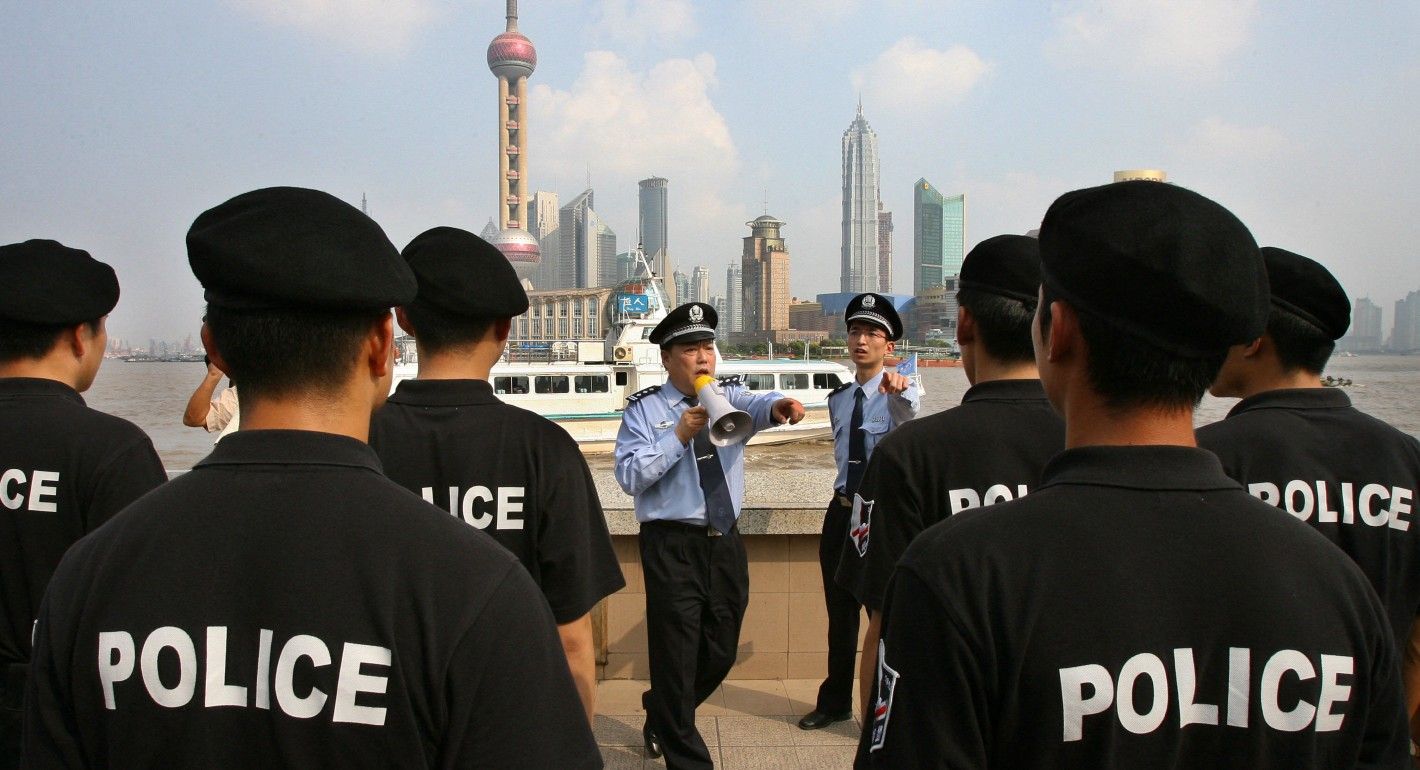
New data reveal how China’s foreign police training programs have become an integral part of Beijing’s strategy to remake global security.
A third pillar is defense-industrial cooperation. In Nigeria, NORINCO is coproducing ammunition with the Nigerian state-owned Defence Industries Corporation. This and other ventures embed China more deeply in the region’s security. Altogether, Beijing is exporting a model of regime security that mirrors its own conception of security: survival of incumbents and internal control. For Sahelian military regimes and West African governments grappling with insurgencies and fragile institutions, this model can be attractive.
Beyond the security sphere, China’s presence in the Sahel and West Africa rests on deepening economic engagement. Over the past two decades, Chinese financing has expanded across transport infrastructure, extractive industries, agribusiness, ports, and logistics. More recently, Beijing has strengthened its position in critical minerals—including through acquisitions in lithium, such as Mali’s Goulamina project—reinforcing China’s role across upstream resource extraction. At the same time, these engagements have attracted growing scrutiny. In countries including Côte d’Ivoire, Ghana, Liberia, Nigeria, and Sierra Leone, some Chinese firms have been linked to environmentally harmful practices in mining and forestry. In Niger, frictions between authorities and the China National Petroleum Corporation, a major investor in the oil sector, have highlighted tensions over local hiring and labor standards in Chinese-led energy projects. For Sahelian and West African states, engagement with China therefore entails balancing the pursuit of investment against the risk of entrenching structural asymmetries.
Türkiye has positioned itself as a third way for African states, offering an alternative to both traditional Western actors and Russia in particular. Since declaring 2005 the “Year of Africa,” Ankara has multiplied its embassies from twelve in 2002 to forty-four in 2022 and expanded trade from $5 billion in 2003 to $30 billion in 2020. In the Sahel and West Africa, it has translated this diplomatic expansion into concrete strategic influence. It has leveraged security cooperation to build regional influence—contributing $5 million to the G5 Sahel force in 2018, signing defense agreements with Niger and Nigeria in 2020, and supplying drones and other military equipment to governments grappling with violent militancy. By 2024, Turkish defense sales made up around 11 percent of West Africa’s arms imports, firmly positioning Ankara among the region’s four leading military suppliers. Bayraktar TB2 drones, valued for their affordability and ease of deployment, have become a signature Turkish export and are now fielded by Burkina Faso, Mali, Niger, and others.
These state-to-state partnerships are embedded within a broader Turkish security ecosystem. Türkiye trains military personnel, supplies armored vehicles and drones, and deploys advisers across the region, while also concluding military cooperation agreements with countries such as Togo (2021) and Senegal (2022). Private military companies, most notably SADAT, have complemented these efforts by providing training to security services in the region and reportedly by supporting the protective unit around Mali’s leader Assimi Goïta.
At the same time, Ankara reinforces its security footprint through economic and cultural engagement. Turkish Airlines connects dozens of African cities, Turkish construction firms deliver infrastructure projects, the governmental Turkish Cooperation and Coordination Agency implements development programs in Niger, Senegal, and Togo, and cultural institutions like the Turkish Maarif Foundation manage schools across Guinea, Mali, Mauritania, Niger, Senegal, Sierra Leone, Tunisia, and beyond. By avoiding restrictive political conditions and emphasizing practical cooperation, Türkiye positions itself as a flexible and pragmatic partner for African governments.
The Gulf states are extending their influence in the Sahel and West Africa through both hard and soft power. The United Arab Emirates has supplied arms, financed local security initiatives, and reportedly leveraged gold trade networks as both revenue streams and instruments of influence, while also channeling substantial investment into infrastructure, agribusiness, ports, and telecommunications to consolidate its strategic reach. Saudi Arabia’s engagement in Africa has moved away from its earlier focus on religious outreach toward a more pragmatic strategy centered on economic diplomacy and investment. As the kingdom seeks to diversify its economy beyond oil and expand its global influence, African states have become increasingly important for their expanding markets, critical mineral reserves, and agricultural potential. Riyadh’s updated approach prioritizes securing mineral supply chains, deepening agricultural partnerships, and strengthening its diplomatic and cultural presence across the continent, offering African governments both an alternative source of capital and greater leverage within an increasingly multipolar funding landscape. Qatar positions itself as a development partner and mediator, channeling funds into infrastructure, health, and education projects while seeking roles in conflict resolution.
Taken together, these approaches blend hard and soft power. By doing so, the Gulf states inject fresh resources as well as rivalries into the Sahel and West Africa, using financial muscle, strategic positioning, and transnational networks to cement their places in an increasingly crowded geopolitical arena.
Western powers remain active in the Sahel and West Africa. France, though forced out of Burkina Faso, Mali, and Niger, still retains influence in Benin, Côte d’Ivoire, and other coastal states, while also seeking to boost strategic and economic ties with Nigeria. The European Union has advanced its Global Gateway Africa-Europe Investment Package as a counterweight to China’s Belt and Road, while the United States is reassessing its role amid broader shifts in foreign policy. Washington’s “trade not aid” approach—focused on investment, arms sales, and commercial diplomacy—has merit, but cannot succeed on its own. Without stronger backing for African-led security initiatives to stem escalating violence in the Sahel, ambitions for regional stability and prosperity will struggle to materialize.
Amid deep insecurity, the Sahel and West Africa have become crowded arenas of external competition. Russia, China, Türkiye, and the Gulf states have carved out new influence, while Western powers scramble to adapt. For fragile regimes, this influx of actors offers leverage to secure better terms in security assistance, technology transfer, and economic investment. The challenge for West African governments is to turn these bargains into genuine win-win arrangements by strengthening state institutions and political legitimacy and by ensuring that arms purchases, security aid, and infrastructure projects advance national security, accountable governance, and sustainable development rather than replicating old patterns of dependency.
Côte d’Ivoire represents a comparatively successful model in this regard. Abidjan has managed to preserve strong ties with traditional Western partners while simultaneously expanding relations with newer actors, including China, Russia, the Gulf, and other African states. This diversified approach has supported its push into domestic processing in cocoa, cashew, and rubber, while also laying early foundations for greener, more technology-enabled growth. Although structural constraints persist, Côte d’Ivoire demonstrates how a balanced, multipartner strategy can improve national bargaining power and gradually move the economy up the value chain.
The picture is far more mixed in the Sahelian states where Russia is most active. Burkina Faso, Mali, and Niger have revised mining laws to tighten state authority, increase royalties, and push for domestic processing of raw materials. Mali and Niger—following in the footsteps of Ghana—have also launched gold refineries to retain more value domestically. In Mali’s case, the refinery project is partly financed by Russian capital, linking the country’s push for greater resource control to Moscow’s commercial and strategic objectives. Niger has likewise moved to recalibrate its uranium sector—long dominated by French firms—by seeking greater control over production and marketing while exploring new partnerships, including with Russia. These initiatives reflect a broader push for resource sovereignty but unfold under acute insecurity, fiscal pressures, and international isolation. Heavy reliance on a narrow set of security partners limits these countries’ abilities to negotiate from a position of strength. While Bamako, Ouagadougou, and Niamey frame their partnerships as vehicles for sovereignty, the dependence on a few international actors risks replicating older patterns of dependency unless complemented by wider diversification and stronger institutional reforms.
For external partners, the lesson is clear. For Sahelian and West African governments, security and sovereignty remain the dominant priorities shaping government choices. Accordingly, investments that professionalize security institutions and reinforce state capacity, while encouraging governance reforms and opening political and economic space for marginalized groups, stand a far greater chance of success than narrowly transactional deals that risk perpetuating the mistrust and grievances associated with earlier engagements.
Anouar Boukhars
Professor of Political Science, McDaniel College
Anouar Boukhars is a professor of political science at McDaniel College in Westminster, Maryland. Boukhars is the author of Politics in Morocco: Executive Monarchy and Enlightened Authoritarianism (Routledge, 2010) and coauthor of Salafism in the Maghreb: Politics, Piety, and Militancy (Oxford University Press, 2019). He is also the coeditor of Perilous Desert: Insecurity in the Sahara (Carnegie Endowment for International Peace, 2013) and Perspectives on Western Sahara: Myths, Nationalisms and Geopolitics (Rowman and Littlefield, 2013).
Russia’s consolidation of its influence in the Sahel will depend on whether Moscow can do what France and other external actors could not—make tangible improvements to the overall security situation in the region. In Mali, which has the largest and longest-standing Russian security presence in the central Sahel, prospects for any such success look increasingly dim. Russia is making many of the mistakes that France made, attempting to restore order through force while ignoring, and sometimes even fueling, the underlying grievances that drive the insurgency.
Though Russia’s goals in Mali are more limited than France’s were, Moscow’s struggles to achieve even these objectives may cause other regimes in the region to reassess Russia as a partner over time. This could create opportunities for Western actors to return to the Sahel, but they should heed the mistakes of Russia and France and eschew overly securitized approaches rooted in great power competition. The crisis in Mali has many layers, but its most powerful driver is gaps in rural governance, which external security support is fundamentally ill suited to address.
The insurgency in Mali began with a 2012 uprising in the northern part of the country that jihadist networks co-opted to serve their own agenda. As jihadist fighters prepared to march south in 2013, overwhelmed and desperate Malians on both sides of the uprising welcomed the deployment of French troops to stop their advance. But seven years later, the insurgency continued to gain ground, and frustration with the government in Bamako and its French partners boiled over. The result was a coup in 2020 and another in 2021, the coming to power of the current military leaders, and the ultimate departure of French troops.
France failed to improve security in Mali in part because it adopted a strategy that emphasized total military defeat of the insurgents, while ignoring the underlying drivers of the jihadist insurgency and rejecting negotiations with groups under the “terrorist” label. In doing so, France deepened and expanded the conflict, with counterterror strikes provoking reprisals and sending new waves of recruits to insurgent groups. This was particularly true with Fulani groups along the Mali-Niger border: In 2018, French forces teamed up with largely Tuareg and Daosahak ethnic militias who engaged in score-settling and carried out strikes against Fulani civilians. This pushed the conflict, until then largely contained within the north, further into central Mali and eventually across the borders with Niger and Burkina Faso. The targeting of Fulani civilians led some Fulani men to join the insurgency to protect their communities.
Security and development were originally intended to carry equal weight in Europe’s Sahel strategy, but the French-led intervention leaned into counterterrorism, undermining other objectives. Even as France announced it was prioritizing development aid in the Sahel, doubling spending there between 2012 and 2019, most of these funds went to the military operation. Over the same interval, French development spending in Mali remained at just 2.5 percent of French development aid to Africa.
Making an exception only for ransoming European hostages, France redlined negotiations with jihadists, resisting calls from central Sahel states, religious leaders, and civil society to explore avenues for dialogue. French forces managed to kill or capture several commanders, but the insurgent groups—the al-Qaeda affiliate Jama’at Nusrat al-Islam wal-Muslimin (JNIM) and, to a lesser degree, its Islamic State–affiliated rival, IS-Sahel—adapted quickly, anointing new leaders to carry on the work, sometimes more violently. By 2021, violence against civilians had increased significantly in Mali, Niger, and Burkina Faso.
Amid this failure by Malian leaders and their heavy-handed French backers to stanch the crisis, Malians embraced Russia’s deployment of the private military company the Wagner Group in 2021, hoping it could finally usher in security. However, since that time, Russia has made the same mistakes that France did. The insurgency continues to gain ground as Russia—and the military leaders it supports—ignores the underlying drivers while focusing on short-sighted security objectives.
The insurgency continues to gain ground as Russia—and the military leaders it supports—ignores the underlying drivers while focusing on short-sighted security objectives.
This failure was evident even in the wake of Russia’s most successful military engagement. In November 2023, the Malian Armed Forces (FAMa) and the Wagner Group scored a significant strategic victory against northern rebels by retaking Kidal, marking a promising start for Bamako’s transition from Western to Russian security assistance. But the seizure of Kidal similarly deepened the conflict: It ushered in a coalition between JNIM and the Azawad Liberation Front rebel group, who had been mainly adversaries until then but began carrying out joint attacks on FAMa.
Since FAMa and the Wagner Group scored their initial victory in Kidal, Bamako has sustained significant losses in the north, center, and southwestern regions. In July 2024, rebels united with JNIM against Malian and Russian forces at Tinzaouaten, killing roughly eighty Wagner mercenaries and fifty Malian soldiers. In response, FAMa and the Wagner Group sought vengeance on civilians, killing hundreds, often by drone attacks. Hundreds of thousands of civilians fled, mainly to Mauritania and Algeria. In the summer of 2025, JNIM went on the offensive in central Mali, killing up to one hundred soldiers at a major Malian army post at Boulkessi and seizing the strategic town of Farabougou. During the same period, JNIM pulled off its first complex sequence of attacks in southwestern Mali, attacking seven security force installations as well as industrial and mining sites along the Senegal border.
Most worrying for Bamako, the group has now encircled the capital, squeezing logistical and communications lines and controlling the road from Kayes, a key economic hub that accounts for 80 percent of Mali’s gold production and serves as a trade corridor to Senegal, especially for fuel. Since September 2025, JNIM has imposed a fuel blockade on the capital, choking the national economy.
Bamako’s military rulers received some support from Alliance of Sahel States partners in Niamey and Ouagadougou, but appeared fragmented, isolated, and weak: Rumors of internal dissent have grown louder, with senior officers reportedly plotting a coup; moreover, relations between Malian soldiers and Russian operatives are reportedly straining. In late October 2025, Bamako and JNIM forces are believed to have negotiated a one-month suspension of the blockade, raising fuel supplies in Bamako. The next month, Africa Corps, the Russian Ministry of Defense’s successor to the private Wagner Group, helped to escort a convoy of eighty-two fuel tankers from Niger to Bamako, taking twenty-one days to cross contested routes. However, in late January, JNIM attacked a fuel convoy attempting to reach Bamako from the western border, killing fifteen drivers and setting fire to the tankers.
Bamako is further isolated by the effects of a spat with Algiers that erupted in April 2025. Algeria, a critical neighbor and regional powerbroker with influence over key conflict actors, has helped forge peaceful paths out of conflicts in Mali and Niger for decades. There is little prospect for peace talks between rebel factions and the central government until Bamako and Algiers, at the very least, restore bilateral relations and begin working together.
Notwithstanding some similarities between French and Russian strategies for curbing insecurity in the Sahel, there are also significant differences between the two approaches. In particular, Russia’s goals are far more limited.
France marshaled support from the European Union, United States, and United Nations for a vast stabilization campaign that amounted to a statebuilding program. While, in practice, these efforts heavily focused on counterterrorism, Paris also pursued a disparate agenda that encompassed economic development, police training, justice, civil society support, inclusion of women and youth, anti-trafficking, and more. Peacebuilding also played an auxiliary role in this strategy, via mechanisms for human rights monitoring, protections for civilians, and political negotiations in the framework of the 2015 Algiers Accord.
The Russian model, on the other hand, has far more restricted aims: Protect the junta and protect the mines. These goals seem far easier to achieve than the sweeping ambitions of the previous French-led stabilization effort. Russia is making no pretense of trying to protect Malian civilians, improve Malian civil administration, or resolve the political disputes between some northern communities and Bamako.
The Russian model, on the other hand, has far more restricted aims: Protect the junta and protect the mines.
There are mixed indications that the Kremlin’s efforts in 2025 to bring Wagner personnel and activities under Africa Corps—following the Wagner leader Yevgeny Prigozhin’s failed rebellion in summer 2023—may lead to a more scaled back Russian role. The Wagner Group left its mark via aggressive tactics during joint operations with counterparts from Mali’s security forces. Wagner’s depiction of itself as a private military company provided the thinnest level of plausible deniability for the Russian state’s responsibility for atrocities such as the Moura massacre. Africa Corps has been at pains to portray its activities as primarily focused on training missions, but there are continuing credible reports of Russian involvement in human rights abuses and atrocities.
Will Moscow achieve its more limited set of goals with far fewer resources than previous French-led efforts? This depends upon how much more isolation Bamako can sustain. The asphyxiation of the fuel blockade suggests the regime is already testing the limits of what it can withstand. Security for citizens continues to deteriorate, as does the economy. The rest of the region is watching. A negative scorecard in Mali is likely to discourage Niger and Burkina Faso from further relying on Russia’s so-called regime survival package.
Moscow may be pursuing a more modest agenda in Mali than Paris did just a few years ago, yet its chances of success are no greater. The spread of insecurity was what undermined support for the French efforts in Mali. The same may well happen to Russia. External support models have erred by opting for overly militarized approaches and resisting or redlining dialogue with insurgent groups. As a consequence, they have inadvertently strengthened the jihadist insurgent groups they have worked to defeat, handing them more territory.
External support models have erred by opting for overly militarized approaches and resisting or redlining dialogue with insurgent groups.
As Russia struggles, the United States is considering its options in the Sahel, options that include new cooperation with Mali on counterterrorism and intelligence sharing. U.S. envoy Nick Checker’s February 2026 visit to Bamako confirmed Washington’s willingness to look for new ways to enhance ties and strengthen security. Despite new pressures such as great power competition and the spread of jihadist militancy from the Sahel into the coastal West African states, the United States should learn from previous mistakes. The dogged pursuit of counterterrorism through military means alone has failed the Sahel, throwing fuel on the fire of jihadist insurgency. For decades, coups and rebellions have occurred cyclically in the central Sahel. What makes this round different—and far deadlier—is that the only political pathway out of a so-called terrorist insurgency seems to be for the insurgents to seize control over the state, as in Afghanistan and Syria. But JNIM does not seem to want to capture Bamako and operates most effectively in rural environments.
External actors seeking to play a constructive role in curbing insecurity in Mali and the central Sahel should start by looking for ways to reach a political solution. This involves dialogue with insurgents, and it also involves working with Algeria on mediation to address the core grievances that first fueled the 2012 uprising. Central Sahel countries, and Mali in particular, do not need more external guidance on how to hit back at rapidly advancing insurgents. They need guidance on entering into talks with militants who have political ambitions. The leverage JNIM currently holds over the Malian capital with this blockade is a reminder of the urgency of this need.
Hannah Rae Armstrong
Writer and policy adviser
Hannah Rae Armstrong is a writer and policy adviser with more than a decade of field-based experience working on peace and security in North and West Africa.
Over the past decade, Russia’s influence in Africa has grown as Moscow established itself as a major strategic actor on the continent. Its approach relies on three complementary pillars: official diplomacy, including high-level visits and summits; security assistance; and a sophisticated influence strategy. This influence strategy is particularly focused on West Africa and the Sahel, where Russia leverages preexisting anti-Western sentiment and narratives already shared with certain regimes aligned with Moscow. By combining state media, proxy networks, and disinformation campaigns, Russia amplifies messages that serve its strategic objectives: weakening Western influence, presenting itself as a counterweight to a Western-dominated world order, bolstering the legitimacy of allied regimes, and positioning itself as an indispensable partner in regional political and security dynamics.
Yet, governments partnered with Russia are not merely passive vessels for Russian influence campaigns. Instead, they actively develop their own strategies, using both Russian channels and domestic media to disseminate their messages, enhance their legitimacy, and shape the internal political narrative. This creates a symbiotic relationship. Moscow provides dissemination tools and ideological framing, while local regimes adapt and leverage these messages to serve their own political goals and consolidate power. In this way, Russian influence campaigns in Africa are a strategic instrument actively deployed by partner states, enabling them to strengthen their authority and reshape domestic discourse while also simultaneously reinforcing Russia’s presence and legitimacy in the region.
In recent years, Russian influence campaigns found fertile ground in the Sahel, in part because of existing anti-French sentiment and frustration with governments perceived to be too close to the West. This public frustration is rooted in colonial history, in failed French and international interventions such as Operation Barkhane and the United Nations Multidimensional Integrated Stabilization Mission in Mali and in the failure of states to protect their populations.
For example, surveys in Mali conducted before the 2020 coup and the subsequent withdrawal of French forces revealed a deep mistrust of Paris. A majority of citizens believed France was pursuing its own interests rather than genuinely focused on fighting terrorism. Persistent suspicions existed that Paris was fueling the conflict by secretly arming terrorist groups to justify its military presence. In December 2019, a piece of disinformation falsely claimed that France had delivered sixty motorcycles to terrorist groups in Mali. This rumor, denied by official sources including the French embassy in Mali and the Malian Armed Forces, concerned motorcycles transported by a Barkhane aircraft from Bamako to Gao to equip new Malian Armed Forces mobile units tasked with countering jihadist motorcycle attacks in the Sahel. It emerged shortly after thirteen French soldiers were killed in November 2019 during anti-terrorist operations, in a context of growing hostility to Operation Barkhane and a surge of anti-French fake news in the region. Indeed, before the coup, these suspicions helped spur anti-French demonstrations in Mali, which the government tightly controlled to preserve its strategic alliance with France. As these popular mobilizations grew in 2019, they reflected growing anger at the state’s failure to provide security and rising hostility toward a foreign military presence that was ineffective.
The successive coups in Mali (2020, 2021), Burkina Faso (2022), and Niger (2023) brought to power juntas with new political challenges. Confronted with a legitimacy deficit at home and escalating tensions with France and the wider international community, the juntas gradually elevated sovereigntist and anti-Western rhetorics into central instruments of political survival. Sovereigntist stances emphasize national independence and self-determination, often opposing foreign influence or intervention in domestic affairs. By allowing and at times actively encouraging anti-Western sentiment that had previously been contained under civilian regimes, they equated rejecting the West with defending sovereignty.
By allowing and at times actively encouraging anti-Western sentiment that had previously been contained under civilian regimes, they equated rejecting the West with defending sovereignty.
Within this context, state authorities soon reframed the embrace of Russia as a broader rupture with the West. In Mali, this led to the expulsion of French forces and the withdrawal of UN forces; in Burkina Faso, it led to the glorification of a recovered sovereignty and an overt realignment toward Moscow. In Niger, this dynamic culminated in the country’s integration into the Alliance of Sahel States with Bamako and Ouagadougou, forming a political-military bloc that openly challenged the Economic Community of West African States and Western powers. Niger expelled U.S. military bases in 2024, bolstering regional sovereigntist stances against foreign presences.
Through media and influence networks, Russia was able to take advantage of this shifting geopolitical environment. It amplified and legitimized the same grievances that the juntas did. This allowed Moscow to translate deep-seated local frustrations into sovereigntist and anti-Western narratives, strengthening its credibility in the region and its appeal as a partner for the new regime.
Russia’s media and influence networks had been growing in Africa for several years. In the wake of the full-scale invasion of Ukraine in early 2022 and a subsequent EU ban on Russian state media outlets from the European media space, Moscow poured resources into shaping elite and public opinion across Africa about the impact of the war. These redirected communication efforts placed priority on regions where anti-French sentiment was already strong, such as the Sahel. State-controlled channels RT and Sputnik Afrique quickly became central tools in this strategy. Produced in French and styled like conventional journalism, their content consistently advanced pro-Russian and anti-Western narratives that disarmed criticism of the war. This “traditional” media has been reinforced by digital campaigns run by the private military organization the Wagner Group, now rebranded as the Russian state organization Africa Corps. Such campaigns heavily exploit popular social media and messaging apps to amplify Moscow’s message. According to the Africa Center for Strategic Studies, Russia is responsible for nearly 40 percent of disinformation campaigns targeting Africa, highlighting the continent’s strategic significance for the Kremlin.
Russia’s messaging gains traction not only through official channels but also via African intermediaries who provide authenticity to its discourse. Well-known Pan-African web activists—such as Kémi Séba (accused of receiving Russian funding) and Nathalie Yamb (whom, like Séba, the U.S. government has linked to Russian disinformation networks)—play a pivotal role. Regularly featured on RT, they reframe Russian narratives in African terms: denouncing neocolonialism, promoting sovereignty, and criticizing Western powers. For instance, Yamb’s campaigns denounce European neocolonialism in the Sahel as paternalism, promote military sovereignty through alliances such as the Alliance of Sahel States, and criticize Western sanctions as economic sabotage.
Russia is also investing in strategic partnerships with established African media outlets. The most striking example is Afrique Média, a Cameroonian television channel with a large audience in Central and West Africa, which signed a partnership with RT in late 2022 that allowed the Russian channel to share content, including online. This allows the Kremlin’s message to be amplified on social media and gives local momentum to Russian narratives. Known for its Pan-Africanist and sovereigntist stances, Afrique Média frequently broadcasts pro-Russia content adapted to African points of view. This partnership blurs the line between foreign propaganda and local journalism, giving Moscow’s messaging a veneer of homegrown legitimacy.
In the same spirit, new hybrid media ventures have emerged. One example is the collaboration between African Initiative (a state-run Russian media project that, according to a French government report, allegedly employs staff members with ties to Russian security services) and Gandhi Malien Web TV, which launched the biweekly talk show Le Mot de Mikhaïl. Hosted by Russian journalist Mikhail Pozdniakov alongside Malian presenter Issa Diawara, the program exemplifies Russia’s strategy of creating shared media spaces where Russian and African voices coproduce narratives.
The African Initiative represents a broader innovation in Russia’s influence tool kit. It is a state-run press agency combined with a network of cultural associations. Publicly, it presents itself as an independent media outlet; in practice, it acts as a vehicle for soft power and public diplomacy. On one level, it produces and circulates news content. On another, it builds partnerships with local nongovernmental organizations and associations that operate in fields ranging from education and health to sports and the environment, all while subtly embedding pro-Russia narratives.
These efforts are not just short-term communication campaigns but part of a deeper strategy to embed pro-Russia narratives into Africa’s media landscape and political imagination.
The goals of Russia’s media and influence networks and the political objectives of the military regimes in Burkina Faso, Mali, and Niger are often mutually reinforcing. These regimes portray themselves as defenders of national sovereignty against a hostile West, and Russian media outlets amplify these messages. The convergence serves two purposes: It reinforces the legitimacy of military authorities while disseminating pro-Russian, anti-Western messaging aimed at weakening France in particular.
This symbiotic relationship between Russian influence campaigns and partner regimes is particularly clear in Burkina Faso. Since Ibrahim Traoré rose to power in Ouagadougou, Russian outlets have depicted him as a youthful leader embodying sovereignty and resistance against Western domination. Russian media presents him as a symbol of Pan-African renewal and as proof of the deepening partnership between Burkina Faso and Russia. This adds to Traoré’s legitimacy and his status as a regional leader,
At the same time, Traoré’s popularity and rhetoric serve to strengthen the worldview the Kremlin wants to promote. Traoré’s intervention at the second Russia-Africa Summit in July 2023 was particularly emblematic. His fiery denunciation of imperialism and neocolonialism, coupled with a call for African leaders to stop behaving like “puppets” of the West, went viral across the continent. These speeches, widely shared on social media, resonated well beyond the Sahel, reaching audiences in countries not directly affected by terrorism. Videos featuring Traoré consistently draw some of the largest online audiences, reflecting his growing popularity across Africa.
Traoré’s popularity and rhetoric serve to strengthen the worldview the Kremlin wants to promote.
Media appearances by Sahelian leaders also serve to bolster the popularity and visibility of Russian media outlets in the region. In recent years, Sahelian governments have largely abandoned Western media outlets such as Deutsche Welle, France 24, RFI, and Voice of America in favor of interviews with Russian outlets like RT and Sputnik. The change signals both a symbolic and strategic alignment, positioning Russian platforms as preferred vehicles for shaping domestic and regional narratives.
In interviews with Sputnik and RT, Traoré has made his preference for Russian media clear. On RT, he declared: “My greatest regret is having spent much of my youth listening to stations like RFI and France 24.” The remark, widely circulated, symbolized his rejection of Western media and positioned him squarely within the ongoing information war. He went further, praising RT’s role in “awakening the consciousness of African youth,” a demographic increasingly wary of Western narratives and eager for counterdiscourses.
In apparent return for these endorsements, Russian media coverage of the security crises in Burkina Faso, Mali, and Niger has generally been favorable to the ruling regimes. While Western media outlets tend to emphasize the devastating impact of terrorist attacks on civilian populations, Russian state-backed platforms frequently downplay, relativize, or altogether ignore such violence. This asymmetry in coverage becomes particularly visible in the case of Mali, where the fuel crisis has been widely reported by Western media to be a consequence of militant attacks on supply routes. However, it has been framed by the Malian authorities as evidence of a coordinated media campaign or media cabal against the regime.
Terrorism is also framed as a tool of Western, particularly French, imperialism designed to destabilize Sahelian regimes and perpetuate neocolonial control. For example, on Sputnik Afrique, Traoré said: “This is not really terrorism, it is imperialism. Their goal is to keep us in a permanent state of war to prevent our development and continue plundering our resources.” Here, the struggle against terrorism is recast as a broader confrontation against Western domination.
In the Sahel, Russian media has found fertile ground given preexisting sentiments, the ascension of military juntas that embraced Russian narratives for their own purposes, and adept alignment with regional outlets and prominent voices. These regimes’ embrace of Russia helps strengthen Moscow’s position in the region overall. At the same time, the relationships between Russia and the juntas in Burkina Faso, Mali, and Niger are symbiotic; Russian narratives help give the juntas legitimacy and amplify their messages. Any attempts to counter Russian misinformation and disinformation must deal with these complexities. Weakening the power of Russian influence campaigns in the Sahel will ultimately require tackling problems that extend well beyond the information space alone.
Bah Traoré
Sahel Research Officer, West Africa Think Tank
Bah Traoré is a Sahel research officer at the West Africa Think Tank (WATHI). He specializes in influence operations research, particularly disinformation and information warfare in West Africa.
As Russia attempts to bolster its influence in the landlocked Sahel, the neighboring coastal West African states are now becoming increasingly important to the Kremlin. Russia’s interest in the region is clear, as it grows its diplomatic presence, pushes for access to ports to support logistics on the continent, and looks to secure critical resources and new security partners. However, the states along the Gulf of Guinea pose a daunting set of political, economic, and geopolitical barriers for Russia, in part because the region lacks the same levels of instability and grievance that opened doors for Moscow in the Sahel. So far Russia has had limited success overcoming these challenges, but it will continue to position itself to opportunistically build influence where it can.
Russia’s interests in West Africa mirror those in other parts of the continent, including the Sahel. It wants to gain access to natural resources, build new security and military partnerships, and challenge Western influence. West African states also offer something that the landlocked Sahel states cannot—access to ports to support logistics for Russia’s broader presence on the continent. The search for basing rights has been a theme undergirding Russia’s activism across Africa for years, though these efforts have yet to pay off.
Russia nonetheless faces challenges building relations with coastal West African states. While Russia has been able to capitalize on political instability, security challenges, and anti-French sentiment to establish and entrench itself in the Sahel, it has fewer opportunities to tap into grievances in coastal West Africa. Anti-French and anti-Western sentiment are comparatively lower in most of these states, which also enjoy more stability and security than Sahelian countries. Nor have regional leaders jumped at Russia’s traditional offering of regime security services. Emerging Islamist militant insurgencies have not yet demanded sustained external intervention that Russia could exploit. The political discourse around resource nationalism and sovereignty—though focused on unwinding colonial legacies—is more nuanced than in some Sahel states, focusing on the need to strengthen regulatory frameworks rather than legitimizing unelected authorities.
Russia is also unlikely to outpace well-established cooperation from China, the EU, and the United States, which have built political goodwill with coastal West African governments. In the past decade, coastal West African states have ramped up joint initiatives to improve regional infrastructure and interconnectivity. These initiatives have attracted investments in pivotal sectors such as energy and logistics from China, notably for the Benin-Niger crude oil pipeline, and the United Arab Emirates, which has several port expansion and solar energy projects underway in Côte d’Ivoire and Senegal, among others. In parallel, the EU and United States have stable security partnerships, including training and surveillance programs, with militaries along the Gulf of Guinea corridor to counter threats posed by armed groups, human trafficking networks, and narcotics cartels.
Despite the challenges, Russia is trying to position itself as a responsive and dependable partner in West Africa, using the Sahel as a launching pad for political outreach and disinformation operations aimed at undermining Western influence. Given the tough geopolitical environment, Russia has focused on engagements with receptive West African leaders, while looking for opportunities to stoke instability should it emerge and open new doors for Russian influence.
In recent years, Russia has cultivated a handful of West African states that have ties to Moscow’s partners in the Sahel—Burkina Faso, Mali, and Niger. Togo, a quiet regional powerbroker that currently has the only well-equipped deep seaport in the region, is one example. Togo has served as a diplomatic bridge between the Sahelian junta-led governments and the Economic Community of West African States (ECOWAS). Since 2022, Togo has on separate occasions successfully negotiated tensions between Mali and Côte d’Ivoire and between Burkina Faso and Côte d’Ivoire. The Pan-Africanist leanings of Togo’s government align with those of the Sahelian juntas. At the same time, Togo has taken a multivector approach; Togolese Foreign Minister Robert Dussey has also argued that Togo could provide the United States a foothold for advancing counterterrorism in the Sahel.
As Togo looked to balance its partnerships, Russia expanded security cooperation there, especially after the full-scale invasion in Ukraine began in 2022. In 2024, the two countries negotiated a bilateral security agreement, which Russian President Vladimir Putin and Togo’s President of the Council of Ministers Faure Gnassingbé endorsed in late 2025. The agreement encompasses intelligence and counterterrorism support, joint military exercises, and—perhaps most importantly—access to Togo’s port for Russia’s navy and airfields for Russian planes. If implemented fully, Russia will gain access to maritime routes that connect West Africa with the Western Hemisphere, while also undercutting France’s efforts to limit access to the sea for Sahelian states.
Similarly, Russia has taken advantage of Guinea’s favorable attitude toward its partners in the Sahel. Although Guinea’s former junta leader and now president, Mamady Doumbouya, is close to France and previously served in the French Foreign Legion, he is allowing Russia to move materiel through the port in Conakry on sanctioned vessels to support forces in Mali. This flow through Guinea is important, because unlike other coastal states, including Cameroon and Côte d’Ivoire, Guinean leaders are accommodating to Russia. Guinea’s role as a logistics hub builds on Russia’s long-standing presence in Guinea’s gold mining sector, where it has a concession for one of the country’s largest mines, which accounts for nearly 20 percent of output for Russia’s Nordgold company, which is under Western sanctions. Guinea, similar to Togo, values diversification in its relations with external powers. China oversees the junta’s flagship iron ore project in Simandou and the UAE is invested in the bauxite sector.
Russia has also courted Equatorial Guinea. In 2024, Moscow sent 200 Africa Corps military instructors to the country. They are reportedly training elite guards inside the country, mirroring other Russian deployments intended to boost regime security. The deployment came on the heels of economic discussions between the two countries, which have focused on hydrocarbons and minerals.
Beyond these partnerships, Russia has expanded its disinformation efforts in coastal West Africa, especially in states more closely aligned with the West, including Côte D’Ivoire and Nigeria. Some of the disinformation campaigns targeting West Africa have also been traced back to Russian actors in the Sahel, creating suspicion of Moscow’s involvement. Social media accounts linked to Burkina Faso, for example, helped spread disinformation intended to exacerbate divisions in Côte d’Ivoire ahead of the election in 2025. While the overall impact of these campaigns is hard to measure and may be marginal, Russia’s efforts point to a broader opportunism and willingness to invest in relatively cheap tools in a bid to gain ground.
Russia’s efforts point to a broader opportunism and willingness to invest in relatively cheap tools in a bid to gain ground.
This opportunism increases the risk that Moscow will latch onto potential instability to build its influence. This risk was evident during the attempted coup in Benin in late 2025. On December 7, a group of soldiers calling themselves the Military Committee for Refoundation (CMR) claimed to depose President Patrice Talon after accusing him of political repression, poor governance, and mismanaging a militant insurgency in northern Benin. The coup was halted by the army and national guard, which received military and tactical reinforcements from neighboring Nigeria, ECOWAS, and France, all at the request of Talon.
There is no concrete evidence that Russia was involved in the coup attempt, which seems to have been driven by internal politics. Still, comments by Russia’s ambassador to Benin in July 2025 on plans to establish a defense pact similar to the current agreement with Togo underscore Moscow’s interest in making inroads in a country that is close to France. The end of Talon’s government—or even prolonged instability—could have opened opportunities for Moscow to exploit. There were nascent signs that this was beginning to happen before the coup failed. A prominent Pan-African influencer that the United States has linked to Russian disinformation in the Sahel urged support for the coup as it unfolded, and there was a wave of disinformation that sought to exploit anti-French and anti-colonial sentiment—grievances that Russia has helped amplify in the Sahel. At least one of Russia’s partners, Niger, also stood to gain from the coup, given that its relations with Benin have been deeply strained since 2023. Niger’s junta leader has even accused Benin of hosting French bases to train jihadists to deploy against Niamey.
The coup attempt in Benin was short-lived, but it still shows how regional and geopolitical tensions, which Russia helps to promote, could exacerbate any instability in the coastal West African states. Russia’s approach to Africa has long been opportunistic. Its established presence in the Sahel, its investments in disinformation networks in the region, and its interest in gaining influence along the Gulf of Guinea all suggest that it would look to exploit any vacuums or instability to gain ground.
While Russia presents itself as a capable and durable partner to a handful of states in coastal West Africa, it faces significant barriers to bolstering its influence in a region that has become more strategically important. In the face of these barriers, Russia will look for crises and vacuums that it can exploit, hoping to chip away at Western influence. Coastal West African states aligned with the West will need to maintain vigilance to limit destabilizing forays by Russia or further ruptures with Russian allies in the region. This will require sustained resources toward tackling disinformation, building institutional capacity, and maintaining cooperation with Sahelian states to bolster regional cohesion. To effectively address this vigilance, the United States and EU should put resources toward strategic areas such as intelligence and security cooperation, improving media to counter disinformation, and partnering with African regional institutions to enhance cross-regional policies that reinforce cohesion, therefore limiting Russian opportunism.
Beverly Ochieng
Analyst
Beverly Ochieng is an analyst based in Dakar who has extensively written about and commented on geopolitical developments in the Sahel and West Africa for the BBC, The Continent, Al Jazeera, the Center for Strategic and International Studies (CSIS), and others.
The beginning of Russia’s war against Ukraine in 2014 and the full-scale invasion in 2022 reshaped the Kremlin’s foreign policy toward Africa, as it drove Moscow to engage more partners outside Europe and North America. Amid this trend, Southern Africa—which has liberation-era ties to the Soviet Union, abundant minerals, and a geostrategic position spanning the Atlantic and Indian Oceans—has reemerged as a more active arena for Russian diplomacy.
Russia’s appeal to Southern African states is evident, with Moscow’s rhetoric clearly resonating in some key areas. It routinely invokes its support for anti-colonial struggles dating to the Soviet period, support that is the bedrock of its ties. Russia rejects Western dominance and offers African states an alternative partner. And Russia routinely calls for building a multipolar order that aligns with the African Union’s own calls for global governance reform.
Despite its appeal and recent activism, Russia faces at least three major obstacles to further expanding its influence in Southern Africa. First, Moscow’s foreign policy is over-reliant on symbolism. Much of Russia’s influence rests on history and rhetoric, with few tangible benefits for African partners. Second, its economic weakness—in the face of sanctions, difficult geography, and a stagnating economy—limits investment capacity and puts Russia at a disadvantage in trade, aid, and infrastructure provision in Africa compared to more economically powerful players such as China, the EU, the United States, and even the Gulf states. Finally, many African civil society organizations and citizens have negative perceptions of Russia and criticize their governments for solidarity with an authoritarian state conducting a brutal, unjust war in Ukraine. Though Moscow seeks to revive old connections and carve out new opportunities in trade, energy, security, and multilateral politics, these barriers limit its reach, creating a gulf between Russia’s rhetoric and results.
Russia stepped up its outreach to Southern Africa, especially after its invasion of Ukraine, to counteract international isolation. Russia will have embassies in thirteen out of sixteen member states of the Southern African Development Community (SADC) when it opens its new embassy in Comoros, but South Africa remains the pivotal state for Russia in the region. South Africa’s position in BRICS provides Moscow with diplomatic cover and a partner willing at times to contest Western narratives internationally. Mozambique and Angola have pursued more pragmatic, hedging strategies, balancing Russian links with Western and Chinese partnerships.
High-level visits from Russian Foreign Minister Sergey Lavrov and other senior officials are a key part of the Russian toolkit. Lavrov has visited Southern Africa four times since 2022, even as Russian President Vladimir Putin has been absent, unable to attend the BRICS Summit in 2023 or G20 Summit in 2025 in South Africa because of an arrest warrant issued by the International Criminal Court. With the notable exceptions of Botswana and Lesotho, Southern African states have sent high-ranking officials to Russia for bilateral engagement or multilateral conferences on at least fifteen occasions since February 2022.
These examples of high-level diplomatic engagement largely serve as political signaling exercises to counter perceptions of Russian isolation. Though familiar discussions on energy and education cooperation take place, tangible agreements are scarce. In Moscow’s largest overture, it pledged to forgive $23 billion of African countries’ Soviet-era debts during the 2023 Russia–Africa Summit in St. Petersburg, a move that was more symbolic than substantive given that much of the debt was already unserviceable. At the same event, amid concerns about food security emanating from the Ukraine war, Moscow announced grain shipments but only to six politically aligned countries (Burkina Faso, Central African Republic, Eritrea, Mali, Somalia, and Zimbabwe), with Zimbabwe as the sole Southern African recipient. The quantities were small, and the exercise underscored Moscow’s penchant for symbolic acts and public relations.
These examples of high-level diplomatic engagement largely serve as political signaling exercises to counter perceptions of Russian isolation.
Indeed, Russian diplomacy is often focused on pushing back on unwelcome initiatives. In Mozambique, for example, Lavrov offered counterterrorism support during a June 2023 visit that followed just days after Ukraine’s foreign minister pledged to open an embassy in Maputo, a position Moscow reiterated again in July 2025. Similarly, his January 2023 Angola visit followed President João Lourenço’s call for a “definitive and unconditional ceasefire by Russia.”
A close look at how Southern African states voted at the UN General Assembly on Ukraine provides one metric for Russia’s diplomatic ties and influence in the region, and the results are decidedly mixed (see figure 1). Most SADC countries have consistently abstained on the assembly’s resolutions condemning Russia’s invasion. In South Africa, abstentions have drawn criticism from domestic political parties, religious leaders, and civil society organizations such as Amnesty International South Africa and the (now defunct) Brenthurst Foundation, which have all urged the government to defend international law more clearly. Mozambique and Namibia have abstained on every vote since 2022 on Ukraine, while Zimbabwe, which is under Western sanctions, stands out as the only SADC state that has supported Russia on occasion.
On the other end of the spectrum, Comoros and Seychelles voted against Russia in every single resolution condemning the invasion, reflecting small island states’ dependence on the UN Charter and multilateral law for their security. As beneficiaries of EU-anchored maritime security programs, both countries also share strategic incentives to align with EU member states. Democratic Republic of the Congo and Malawi, both heavily dependent on Western aid, supported Ukraine in at least half of the eight related resolutions since February 2022. Mauritius and Zambia did the same, the latter being particularly eager to signal pro-Western credentials under President Hakainde Hichilema.
History often underlies Russia’s diplomacy when it is successful in the region. The Soviet Union heavily backed African liberation movements during the Cold War, supporting their struggle against colonial and White-settler minority rule. These bonds created a legacy of political affinity. Southern Africa was central: South Africa’s African National Congress (ANC) party and similar liberation movements in Angola, Mozambique, Namibia, and Zimbabwe all received Soviet arms, training, and scholarships to study at Russian universities. All of these former liberation movements currently remain as ruling parties in their countries (or in ruling coalitions), albeit with diminishing public support. Leaders frequently invoke solidarity with Moscow as repayment for past loyalty. South Africa’s ANC, in particular, has used this narrative to justify its nonaligned stance on the Ukraine war, which critics charge is actually pro-Russia.
Moscow has sometimes been able to generate controversy in South Africa, meddling in its fractious politics. Examples include the scandal around Duduzile Zuma-Sambudla, the daughter of former president Jacob Zuma who is accused not only of inciting violence during her father’s 2021 jailing but also of allegedly recruiting South African men to fight for Russia in Ukraine; the generous funding of the ANC by Russian mining oligarch Viktor Vekselberg; and a failed nuclear deal with South Africa, canceled when Zuma was ousted.
Yet generational change is weakening the resonance of these liberation ties, and there are mixed feelings toward Moscow among younger elites and civil society. Russia now needs more than romanticized nostalgia to sustain its influence. And what is often forgotten—or deliberately obscured—is that other post-Soviet states can lay a claim to supporting these movements. Some ANC members, for example, received military training in the 1960s in what is now modern Ukraine.
Russia now needs more than romanticized nostalgia to sustain its influence.
Complicating efforts to expand on its historic and political ties, Russia’s economic footprint in Southern Africa remains modest compared to China, the EU, and the United States (see figure 2). In 2024, Russia barely made up 1 percent of Southern Africa’s external trade. By comparison, China accounted for over 22 percent and the EU over 15 percent.
Exports to Russia collapsed in most Southern African countries post-2022, but some exceptions showed significant recovery in 2024 (such as for Madagascar). Overall, imports from Russia remained far above export levels (see figure 3), proving more resilient and in some cases even surging since 2022, including for Mozambique and Tanzania. In Angola, Mozambique, and Tanzania, such one-sided flows have produced stark trade imbalances. South Africa stands out as the most important and stable trade partner for Russia in Southern Africa, with less pronounced trade disruptions over the past years. In the first half of 2025, Russia–South Africa trade slightly expanded, even if still dwarfed by other trading partners.
There are specific industries where Russia is a bigger player, including supplying fertilizer and in natural resource sectors. Russian mining companies have operated in countries such as Zimbabwe and South Africa. Rosatom leads in marketing Moscow’s nuclear technology across the region, though progress is slow and uneven. Russia is positioning itself for nuclear business with Namibia, South Africa, and Zimbabwe, but all of these projects are nascent.
Sanctions, particularly exclusion from the Society for Worldwide Interbank Financial Telecommunication (SWIFT) banking system, limit Russia’s ability to finance major projects. In 2025, for example, Russia’s ambitions to build deeper economic links to the region suffered another blow when Gazprombank—which is under Western sanctions—failed to deliver planned funding for the Mossel Bay gas refinery in South Africa. Governments are wary of depending on a partner with such deep economic constraints. Disruptions and higher risks in Black Sea shipping routes, with goods often rerouted through third countries, have further raised trade costs and contributed to delays. Given these challenges, Moscow lacks the trade and economic heft to compete outright with Beijing or Brussels.
Russia has a greater comparative advantage in Southern Africa when it comes to security cooperation. Weapons sales and training are a part of Russia’s appeal—more so than the mercenaries who have taken a prominent role in Russian foreign policy in other parts of the continent. Between 2018 and 2022, Russia was the largest supplier of arms imports to West, East, Central, and Southern Africa collectively, providing 26 percent of all arms. However, in the 2019–2023 period, its share fell to 17 percent, while China’s stood at 19 percent. Angola, which has long been Russia’s largest arms client in Southern Africa, in late 2022 openly denounced prior plans to host Russian arms factories, instead declaring its intention to align more closely with the United States and NATO on defense procurement. With much of Russia’s defense-industrial capability absorbed by the war in Ukraine, its capacity to project influence through security partnerships in Southern Africa has come under strain.
Still, Russia maintains military cooperation agreements with all large Southern African countries and continues to train officers from countries like South Africa and Zimbabwe at Russian military academies, which helps sustain elite ties. South Africa has also hosted joint naval drills with Russia and China, most notably February 2023’s Mosi II exercises, coinciding with the one-year anniversary of Russia’s second invasion of Ukraine. Western-sanctioned ships have docked in South African ports, also inviting controversy.
Though Russia’s cultural appeal is limited, it is making investments in soft power projection, focusing on education and media. Echoing Soviet-era strategies, Russia uses study abroad scholarships to cultivate goodwill among top Southern African students, reinforcing long-term pro-Russia alignment among the region’s emerging elite and decisionmakers. In November 2024, at the first ministerial conference of the Russia-Africa Partnership Forum, Russia announced the allocation of 4,816 scholarships for African students in the 2025–2026 academic year, a slight increase from the previous year, while the overall number of African students tripled over the past decade. Angola, Zambia, and Zimbabwe received the highest scholarship quotas in Southern Africa, mirroring their comparatively large enrollments of students in Russia. However, of the more than 35,000 total African students in Russia in 2022–2023, only roughly 10 percent came from SADC member states, which is disproportionately low given that the region accounts for around one quarter of Africa’s total population.
Russia has also expanded its media presence, with the state-controlled outlets RT and Sputnik providing alternative narratives that resonate with anti-Western sentiment in African states. The removal of RT from DStv, the satellite offering in Southern Africa, due to EU sanctions on Russia in March 2022 has been a considerable setback for the channel that used to broadcast throughout Africa.
Russia’s ties to Southern Africa are real but limited by key constraints. Moscow offers diplomatic solidarity, security partnerships, and selective economic cooperation, and Southern African states view it as a useful partner of convenience, providing alternatives, hedging space, and political cover. But Russia lacks the financial might and development model that China or Western partners bring, and few governments see Moscow as a core economic partner.
As the global order fragments, Russia will continue to court Southern Africa. Liberation nostalgia and anti-Western narratives will be powerful tools, but long-term influence will depend on whether Moscow can deliver concrete economic and developmental gains. Without them, its role in the region will remain symbolic and transactional, rather than transformative.
Steven Gruzd
Head of the Russia-Africa Project, South African Institute of International Affairs
Steven Gruzd is the head of the Russia-Africa Project at the South African Institute of International Affairs (SAIIA).
Friedrich von Treskow
Former Visiting Fellow, South African Institute of International Affairs
Friedrich von Treskow was a visiting fellow at the South African Institute of International Affairs in 2025 and is a dual master’s candidate in International Governance and Diplomacy at Sciences Po and International Political Economy at the London School of Economics and Political Science.
Though Russia cannot match the material offerings of the West or China in Southern Africa, Moscow’s appeal to states in the region goes beyond dollars and cents. Leaders view ties with Russia as part of a deeper embrace of multipolarity as geopolitics shifts away from the unipolar moment of the 1990s and early 2000s. This emerging world order gives African states new choices and leverage with external actors. Even if Russia’s economic and development footprint in Africa is not on par with the United States, China, leading European countries, and even some of the Gulf states, Moscow’s increased focus on the continent has given Southern African states greater autonomy and options on the global stage as they pursue a range of national interests.
As some African states resisted calls to isolate and condemn Russia in the wake of its full-fledged invasion of Ukraine in 2022, especially in votes at the UN General Assembly, Western officials responded with alarm and rebukes. French President Emmanuel Macron, for example, pointed to African “hypocrisy” for failing to condemn Russia’s invasion in summer 2022 while blaming Russian diplomatic pressure and “hybrid war,” including disinformation, for African ambivalence. Macron’s comments reflected a wider sentiment. Conversations with Western officials, scholars, journalists, and members of the business community in the wake of the Ukraine war pointed to simultaneous concern and confusion about Russia’s appeal.1
This confusion stems in part from Russia’s economic limitations. Even a cursory review of economic indicators shows that Russia is no longer a major economic actor in Africa, at least not compared to the United States and leading European states that were pushing for stronger condemnations of Russia’s actions. Indeed, if African countries acted purely based on the magnitude of their economic and development relations with the United States and Europe, most would align with the West in the UN General Assembly.
Unable to point to an economic rationale underpinning Russia’s appeal, some Western observers concluded that African states were reluctant to condemn Russia because they were swayed by Russian disinformation. In March 2022, then EU high representative for foreign affairs Josep Borrell leaned into this argument, noting that
This battle of narratives is every day more important. Look at what is happening in Africa . . . People are influenced by what they are being told. And at the end it goes up to the political scale and finally it converts in votes in the international institutions.
While Russia certainly attempts to shape narratives, it is a mistake to understand Russia’s appeal as purely a function of disinformation. People within and outside decisionmaking structures in Southern Africa arrive at their conclusions about the pursuit of national interests independent of any Russian effort. Indeed, political and economic elites in Southern Africa, and in other parts of the continent, have agency in their relationships with Russia and shape them to their own ends.
People within and outside decisionmaking structures in Southern Africa arrive at their conclusions about the pursuit of national interests independent of any Russian effort.
During the Cold War, the role and influence of the Soviet Union in Southern Africa was significant. Moscow competed with the United States by supporting liberation movements that sought to overthrow colonialism and apartheid in the region, helping bring about independence and majority rule. When the Soviet Union collapsed, Russia’s position in Southern Africa and the broader continent was severely weakened as the country faced economic crises and political uncertainty. The initial years after the collapse of the Soviet Union thus saw a reduction in Russia’s economic and development footprint in Africa and other parts of the Global South. Despite this reduction, Russia maintained its diplomatic presence on the continent. Since most of the newly independent countries that emerged after the Soviet Union collapsed either did not build an extensive diplomatic presence in Africa or sought to establish a new identity closer to Western Europe and the United States, it was easier for Russia to position itself as the natural successor to the legacy of the Soviet Union. This legacy has been an important calling card for Russia as it renewed its focus on relations with African states beginning in the mid-2010s, spurred in part by growing tensions with the West in the aftermath of the initial phase of the war in Ukraine.
While the collapse of the Soviet Union and the so-called end of history was celebrated in the West, many Southern African states had a different reaction. Within the region, the Soviet Union’s collapse and Russia’s subsequent retrenchment ushered in an era of geopolitical imbalance that restricted the choices of Southern African countries. The unipolar moment led to the emergence of the so-called Washington Consensus, which promoted economic policies that Southern African states reluctantly followed. A dominant transatlantic partnership remained the center of global affairs, with Africa on the periphery.
Southern African countries have thus seen the rising power of China and Russia in recent years as a welcome part of a rebalancing of the geopolitical order that aligns with their interests. When U.S. president Barack Obama referred to Russia as a regional power, his views did not necessarily resonate in parts of the Global South. Countries in Southern Africa and parts of the Global South continue to see Russia as one of the great powers, alongside China and the United States. Such attitudes are not necessarily about the historic role of the Soviet Union but about the modern Russian state and how it has rebuilt its perceived hard and soft power.
Countries such as South Africa have embraced the concept of multipolarity, not because of deep affinity for Russia or China but because increases in the relative power of these countries means more policy choices and greater autonomy. Russian President Vladimir Putin’s rise to power in the 2000s, especially his success in rebuilding Russia’s economy and the central authority of the state, also carried obvious appeal for some African leaders. Putin conducted a state visit to South Africa and Morocco in 2006 as Russia sought to deepen ties on the continent. Putin’s rise and assertion of Russian sovereignty was a powerful example on the continent with the largest number of developing countries, with many states unable to exercise full sovereignty over their territories.
Western analyses often point out that Africa remains peripheral to Russia’s core interests, arguing that Moscow uses mostly cheap and often symbolic gestures to achieve broader geopolitical goals. However, it is important to see Russia’s relationships with Southern African states through the opposite end of the lens as well. Russia is in many ways peripheral to these states’ core interests, and countries in the region often instrumentalize Russia to achieve their own objectives. These objectives can include enhancing bilateral economic relations with other international partners in the West, advancing strategic geopolitical objectives, as well as managing internal party-political dynamics or internal national politics.
Just as importantly, Southern African states are using Russia’s reemergence as a source of leverage to potentially get better deals and options from their largest economic and political partners. This is part of a larger strategy of diversifying international relations, which includes outreach to Brazil, China, India, and other parts of the Global South. When they feel ignored or under pressure from Europe or the United States, African leaders can enhance relations with Russia to attract the attention of the West or negotiate better terms from it.
Enhanced geopolitical competition following the war in Ukraine has made this strategy even more attractive. Despite its economic weakness, Russia has been relatively good at elevating itself to the point where European and American leaders perceive it as a competitor that can hurt some of their interests in Africa. This gives Southern African states opportunities to play both sides and gain leverage. Viewed through this wider lens, relations with Russia may not always bring about short-term economic benefits, but they can provide greater leverage with Western states focused on strategic competition.
Relations with Russia may not always bring about short-term economic benefits, but they can provide greater leverage with Western states focused on strategic competition.
Mozambique offers an example of this. Mozambique has long-standing ties to Moscow dating back to Soviet support for its liberation movement, the Mozambique Liberation Front. The front has now been in power for over fifty years, and Russia remains a key partner for military-technical support and weapons, especially as the government fights an insurgency in the northern part of the country. In 2019, Mozambique briefly welcomed Russian mercenaries, though a series of setbacks ended that mission within months.
In the wake of Russia’s full-scale invasion of Ukraine, Mozambique has worked to avoid alienating Moscow while seeking leverage with Western partners. Despite Western pressure, Mozambique abstained from UN General Assembly votes on Ukraine, and then president Filipe Nyusi was one of the African leaders who attended the Russia-Africa Summit in St. Petersburg in 2023. At the same time, the EU has expanded its security support to Mozambique since the war in Ukraine began, in part because Mozambique’s gas supplies have become more strategically important as Europe reduced imports from Russia. Press reports also suggest that EU security support has expanded in part to prevent Mozambique from seeking expanded partnerships with Russia and China.
For the West, it can be tempting to divide the world into camps, pitting countries perceived as pro-Russia and anti-West against those that are pro-Ukraine and pro-West. The reality is of course more nuanced, as states in Southern Africa and the broader Global South look to capitalize on the opportunities provided from a multipolar world. This world is no longer a theoretical one on the horizon. Even U.S. Secretary of State Marco Rubio acknowledged the rebalancing of the geopolitical landscape toward multipolarity in 2025. While multipolarity is not a central talking point for the current administration in Washington, the relative overstretch of U.S. power on the global stage and the need to prioritize interests is clearly a part of its worldview.
The West should expect states in Southern Africa to continue to value choices and leverage among partners. A refusal to condemn Russia for its actions in Ukraine is not necessarily an endorsement of Moscow; rather, it may be a way to maximalize options and choices in pursuit of interests in a complicated geopolitical landscape. Increased engagement by the great powers will be welcomed, with more developed states and regions like Southern Africa prepared to maximalize the benefits.
In this new geopolitical environment, the West must embrace rather than fight multipolarity and the greater autonomy it provides Southern African states. The West is no longer the only game in town, but it still has many strategic advantages in cultivating strong, stable partnerships in Southern Africa when it finds ways to address these states’ interests as true partners. Along the way, it will need to heed the advice of Nelson Mandela, who told an American journalist in 1990, “one of the mistakes which some political analysts make is to think that their enemies should be our enemies.”
Philani Mthembu
Executive Director, Institute for Global Dialogue
Philani Mthembu is the executive director at the Institute for Global Dialogue, an independent foreign policy think tank based in Tshwane (Pretoria), South Africa.
Senior Fellow, Russia and Eurasia Program
Nate Reynolds is a senior fellow in the Russia and Eurasia Program at the Carnegie Endowment for International Peace.
Vice President for Studies
Dr. Frances Z. Brown is a vice president for studies at the Carnegie Endowment for International Peace. Brown served on the White House National Security Council (NSC) staff over the past three presidential administrations. Her research focuses on U.S. foreign policy, Africa, the Middle East, and governance.
Senior Fellow, Middle East Program
Frederic Wehrey is a senior fellow in the Middle East Program at the Carnegie Endowment for International Peace, where his research focuses on governance, conflict, and security in Libya, North Africa, and the Persian Gulf.

James Family Chair, Vice President for Studies
Andrew S. Weiss is the James Family Chair and vice president for studies at the Carnegie Endowment for International Peace, where he oversees research on Russia, Ukraine, and Eurasia. His graphic novel biography of Vladimir Putin, Accidental Czar: the Life and Lies of Vladimir Putin, was published by First Second/Macmillan in 2022.
Carnegie does not take institutional positions on public policy issues; the views represented herein are those of the author(s) and do not necessarily reflect the views of Carnegie, its staff, or its trustees.

In an interview, Ian Lustick and Eli Clifton discuss their new book on why a prominent ally has so much influence in America.

Michael Young

By failing to address Palestinian representation, the current process is bound to lead to just another temporary arrangement.

Nathan J. Brown

The armed forces champion a form of capitalism that is generating revenue, but its reliance on rent faces diminishing returns, leaving the country with massive sunk costs and deferred returns, deepening dependency on external borrowing.

Yezid Sayigh
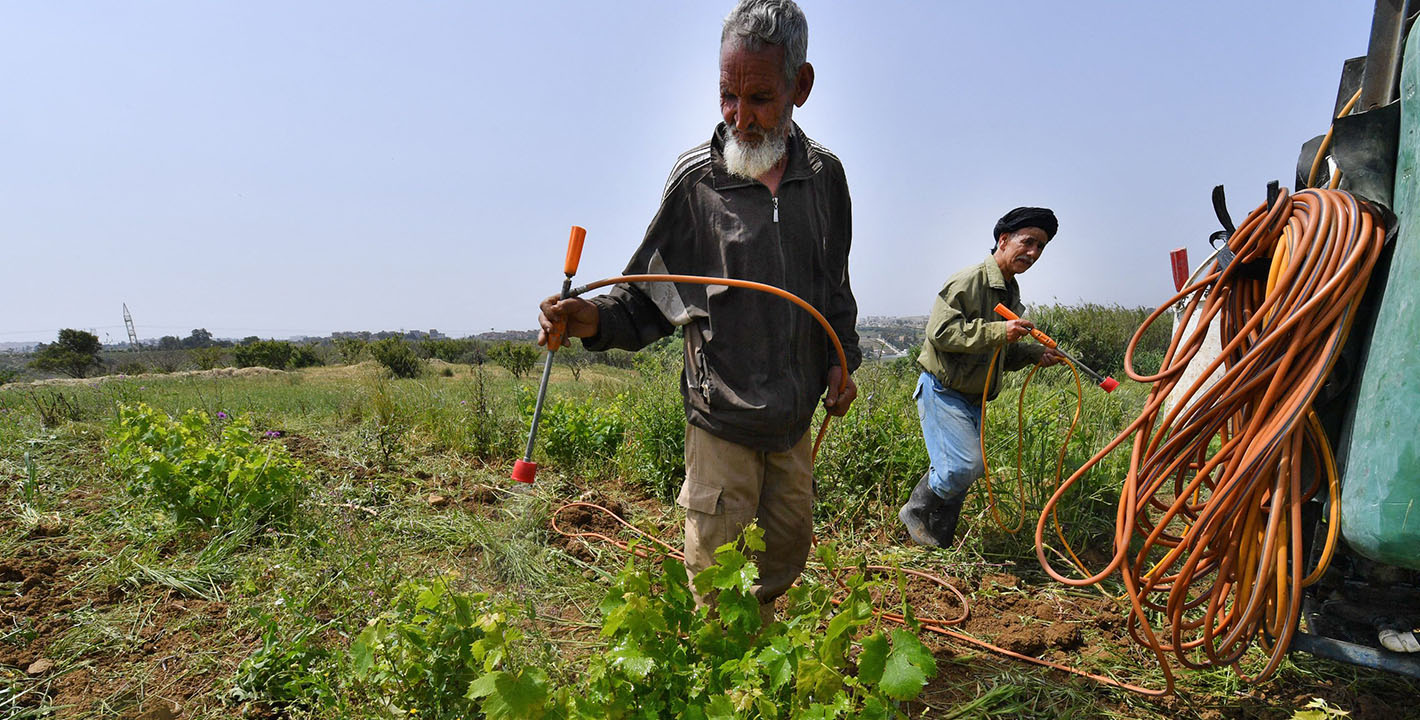
Understanding how farmers in the Oued Sahel-Soummam Valley grapple with climate change is essential for addressing the paradoxes through which adaptation, operating at both individual and institutional levels, deepens the region’s vulnerability and erodes the social fabric and agrarian identity that once defined life.
Ilyssa Yahmi
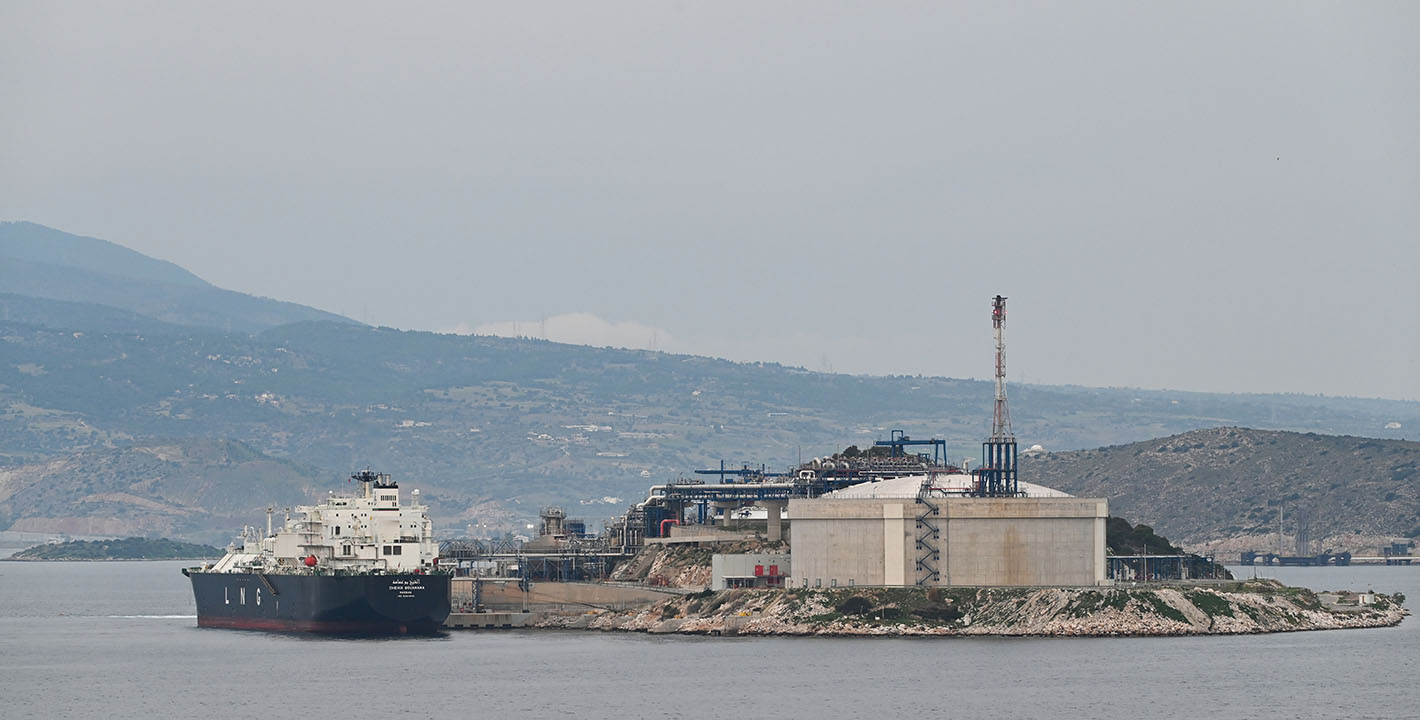
Unless the European Union-led energy transition provides economic development to Algeria, Morocco, and Tunisia, the process may be perceived as a new form of extraction.

Yasmine Zarhloule