

Article
Morocco and Algeria, each in its own way, are having to navigate the global economic fallout of the U.S.-Israeli military campaign against Iran.
Yasmine Zarhloule
{
  "authors": [
    "Kalypso Nicolaïdis",
    "Richard Youngs"
  ],
  "type": "other",
  "centerAffiliationAll": "dc",
  "centers": [
    "Carnegie Endowment for International Peace",
    "Carnegie Europe"
  ],
  "collections": [
    "EU Integration and Enlargement",
    "Democracy and Governance"
  ],
  "englishNewsletterAll": "democracy",
  "nonEnglishNewsletterAll": "",
  "primaryCenter": "Carnegie Europe",
  "programAffiliation": "DCG",
  "programs": [
    "Democracy, Conflict, and Governance",
    "Europe"
  ],
  "projects": [
    "Reshaping European Democracy"
  ],
  "regions": [
    "Europe",
    "Western Europe",
    "Iran"
  ],
  "topics": [
    "EU",
    "Democracy"
  ]
}
Source: Getty
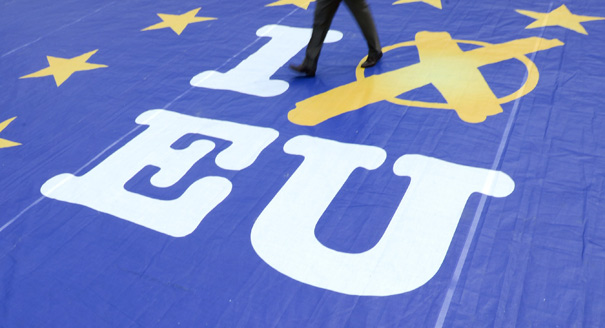
The EU faces a democracy trilemma. Only by enhancing transnational democratic interdependence, national democratic legitimacy, and local democratic vitality will the EU fix it.
Source: International Affairs
Since the European Parliament (EP) elections of May 2014 and the naming of a new team of European Commissioners and a new European Council president, debate has intensified over how the European Union should be reformed. The rise of Eurosceptic representation in the EP, in particular, has nudged conversations about the EU’s future into a different phase, crystallizing themes that had been slowly gathering during five years of economic crisis. There is now an apparent consensus that the model of integration must be more flexible, better rooted in local legitimacy, and more responsive to social concerns. The worst tremors of the eurozone crisis may have subsided for now, but the tensions of recent years suggest that interdependence between EU member states needs in the future to be managed in a more democratic fashion. Such observations are, of course, not new. The question is how to give these long-ruminated principles more tangible life. Our aim in this article is not to add our own list of ‘solutions’ or democratic add-ons to the many suggested since the crisis began. Rather, we hope to contribute a simple framework for thinking about the issues at stake. In doing this we caution against the tendency to advocate easy, short-term fixes to the EU’s travails; such measures have too often prevailed in the past. There is no big bang theory of European democratization.
In this spirit, we argue that the EU faces a democracy trilemma, as reform options need to combine three features: transnational democratic interdependence; national democratic legitimacy; and local democratic vibrancy. We use the concept of trilemma to convey the challenge of strengthening democratic principles on all three fronts and the tensions that may arise in doing so. Indeed, measured against this trilemma, we point out that several aspects of current reform proposals are misconceived or at least insufficient. We then suggest how democratic legitimacy can be reinvigorated through the empowerment of citizens in democratic processes, combining national representation with local participation while recognizing that democratic interdependence sometimes needs to be managed at the supranational level. Many familiar options for EU reform are now high on the policy agenda; but if the tide of frustration with the EU is to be turned back, the means of implementing these must be rethought and widened.Read the full text of this article on International Affairs.
Kalypso Nicolaïdis
Chair in Global Affairs, School of Transnational Governance, European University Institute
Kalypso Nicolaïdis is chair in global affairs at the School of Transnational Governance of the European University Institute.

Senior Fellow, Democracy, Conflict, and Governance Program
Richard Youngs is a senior fellow in the Democracy, Conflict, and Governance Program, based at Carnegie Europe. He works on EU foreign policy and on issues of international democracy.
Carnegie does not take institutional positions on public policy issues; the views represented herein are those of the author(s) and do not necessarily reflect the views of Carnegie, its staff, or its trustees.

Morocco and Algeria, each in its own way, are having to navigate the global economic fallout of the U.S.-Israeli military campaign against Iran.

Yasmine Zarhloule
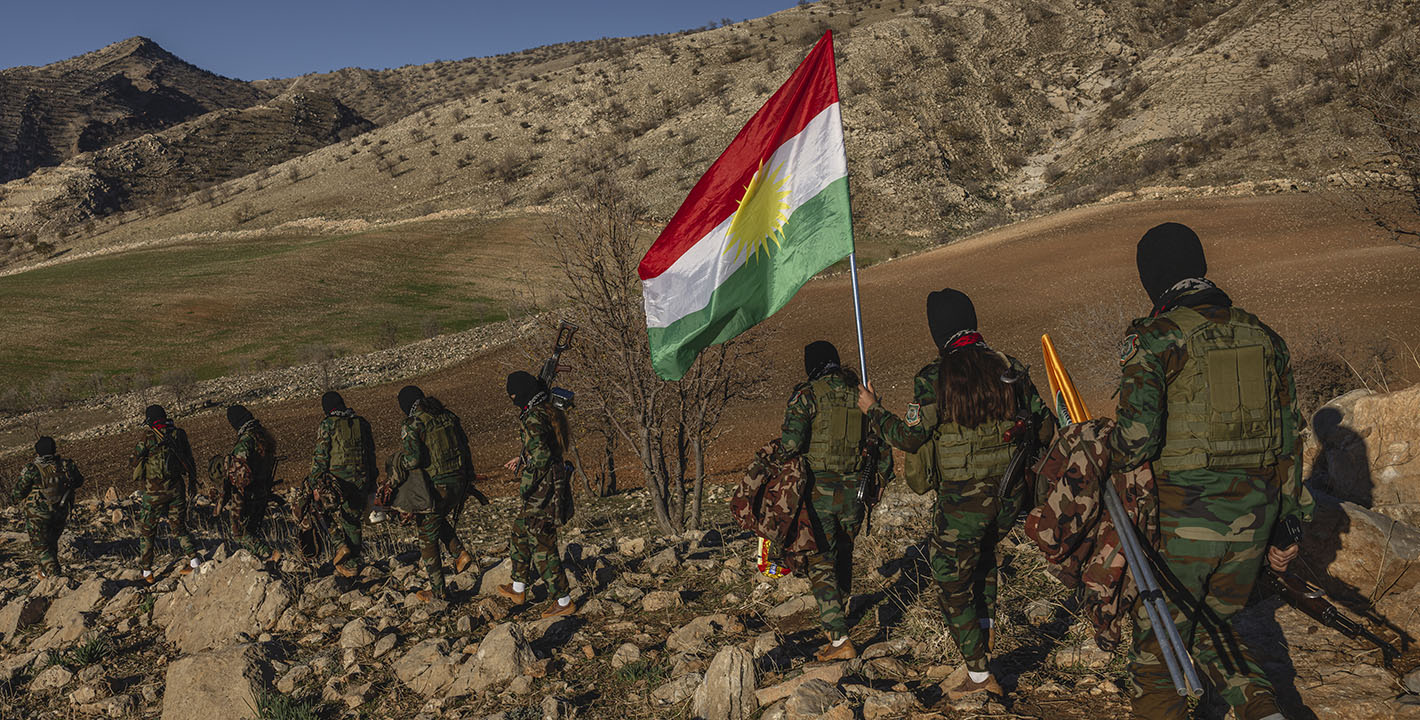
Following its deal with the United States, Iran may act against Iraq-based dissidents.
Wladimir van Wilgenburg
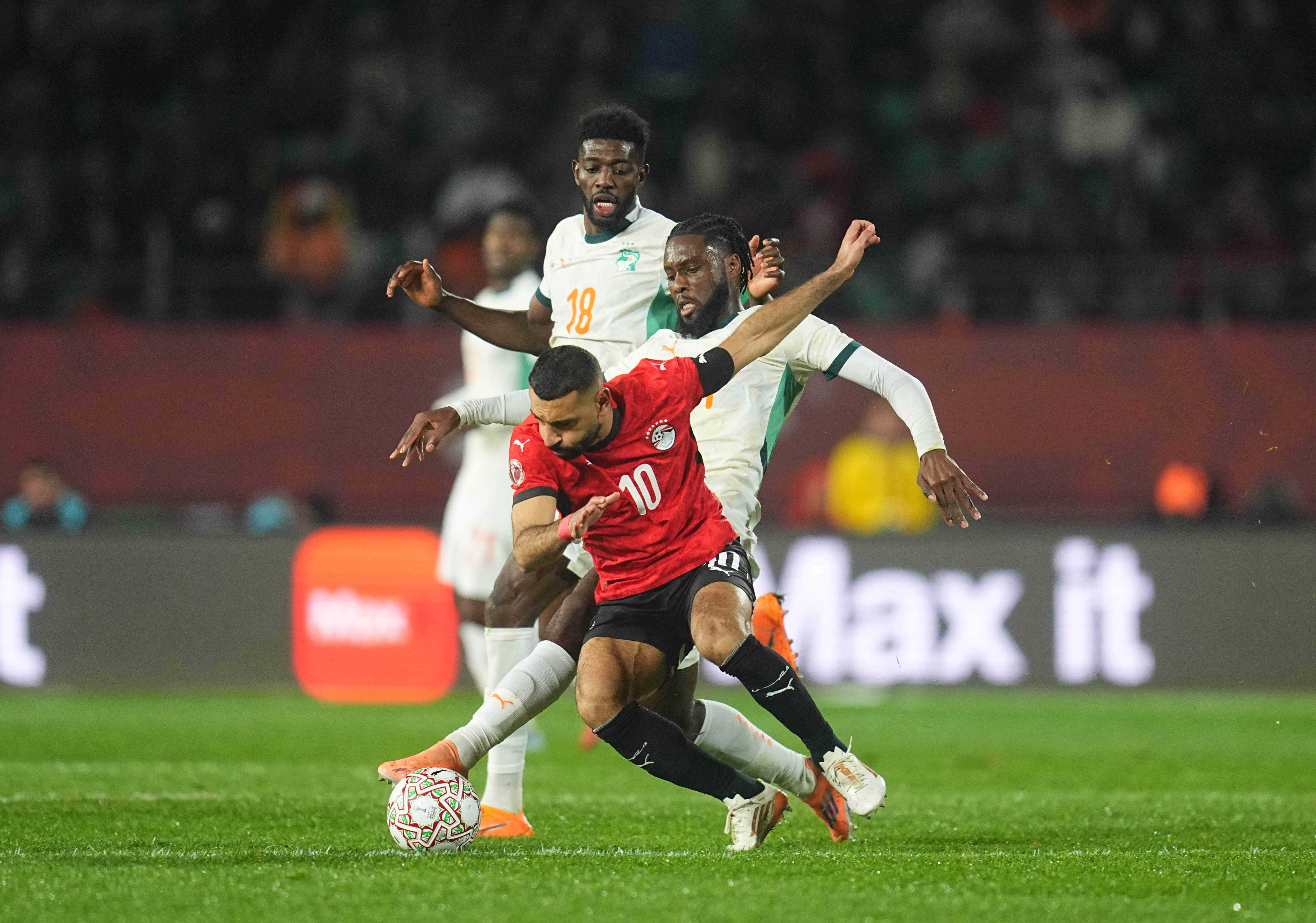
This will be the region’s most representative tournament, amid broad changes in its footballing landscape.

Issam Kayssi
In an interview, Marc Lynch discusses his new book decrying the post-1990 U.S.-dominated order in the Middle East.

Michael Young
Because perpetual conflict enhances control, offers economic benefits, and allows leaders to ignore popular preferences.

Angie Omar