

Article
C. Raja Mohan, Darshana M. Baruah
{
  "authors": [
    "C. Raja Mohan"
  ],
  "type": "legacyinthemedia",
  "centerAffiliationAll": "dc",
  "centers": [
    "Carnegie Endowment for International Peace",
    "Carnegie India"
  ],
  "collections": [],
  "englishNewsletterAll": "ctw",
  "nonEnglishNewsletterAll": "",
  "primaryCenter": "Carnegie India",
  "programAffiliation": "SAP",
  "programs": [
    "South Asia"
  ],
  "projects": [],
  "regions": [
    "South Asia",
    "India"
  ],
  "topics": [
    "Political Reform"
  ]
}
Source: Getty
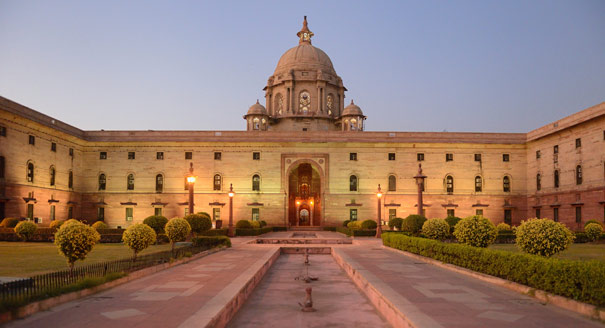
Arguments in New Delhi about Jawaharlal Nehru probably say more about India’s contemporary politics than the achievements and failures of its first prime minister.
Source: Indian Express
Arguments in New Delhi about Jawaharlal Nehru probably say more about India’s contemporary politics than the achievements and failures of its first prime minister. The Congress and the BJP might be pardoned for playing politics with Nehru; but there is no excuse for our collective intellectual failure to construct an objective assessment of such a historic figure. This is especially true of the study of India’s international relations, where Nehru’s foreign policy is near unanimously characterised as “idealist”. This simplistic assessment is based on utterly inadequate empirical work on Nehru’s engagement with the world.
As India’s most influential voice on foreign affairs in the run-up to Independence and its chief diplomat for the first 17 years of the republic, Nehru said and did things that can’t be stuffed into one box labelled “Nehruvian”. Nehru’s understanding of the world went through multiple phases and his eclectic mind struggled to reconcile competing ideas. No genuine assessment of the policies of a statesman, who deals with many real-world challenges over an extended period of time, can be reduced to one single idea.To be sure, idealism was a strong component of Nehru’s worldview. That could be said of many leaders in the colonial world who came of age in the period between the two World Wars. Nehru was critical of power politics and called for transcending it through collective security arrangements and strong international institutions.
At the same time, as a nationalist, Nehru believed India was destined to play a great role in the world. Well before Independence, Nehru argued that India would be one of the six great powers of a future world order. The others on his list were America, Russia, Japan, China and a (unified) Europe. That India must maximise its power potential and shape the world order was quite central to Nehru’s worldview.
The complexity of Nehru’s foreign policy can be understood better if we see him as a legatee of two very different streams of strategic thought in India. One was the inheritance from the Indian national movement, where “idealist” currents and “moralpolitik” were so dominant. The other was the legacy of the British Raj that defined a set of foreign policy goals for India rooted in the imperatives of geography and the logic of realpolitik. While the Raj was not an independent actor on the world stage, it had considerable autonomy from London in devising India’s policies towards the neighbourhood in Asia and the Indian Ocean.
As the successor state to the Raj, Nehru’s India incorporated many of its regional policies. Consider, for example, the first three bilateral treaties that Nehru signed — with Bhutan, Sikkim and Nepal during 1949-50. All three reiterated the essence of the treaties that the Raj had signed with the three Himalayan kingdoms in the 19th century — that Calcutta (and Delhi) would protect them from external threats.
Nehru’s decision to continue the protectorate arrangements in the Himalayas also reflected the perceived need to balance the power of a newly unified China that took control of Tibet. All this while Nehru was making friendly gestures to Beijing and championing liberal internationalist causes on the world stage.
Much like the Raj, Nehru believed in the importance of sustaining Delhi’s primacy in the subcontinent and preventing other powers from meddling in its neighbourhood. Nearly seven decades after Independence, this proposition continues to animate India’s foreign policy.
That India is a “net security provider” in the Indian Ocean has gained some currency these days. The concept has its roots in the role of the Raj as the sheet anchor of regional security until the middle of the 20th century. This was reflected in the extraordinary role of the Indian army in the two World Wars.
Nehru found a way of continuing this tradition of deploying the Indian military beyond the borders. Despite the security problems with Pakistan and China, Nehru chose to actively participate in international peacekeeping operations. India has since remained, cumulatively, the largest contributor to peace operations under the aegis of the UN.
While political games with Nehru are likely to continue in Delhi, the world of scholarship has the responsibility to rescue the legacy of the first prime minister from the Congress party’s ignorant idol worship and the BJP’s mindless demonisation. As India’s relative weight in the international system grows, students and practitioners of its foreign policy have much to gain from an honest appreciation of the strengths and weaknesses of Nehru’s foreign policy.
This article was originally published in the Indian Express.
Former Nonresident Senior Fellow, Carnegie India
A leading analyst of India’s foreign policy, Mohan is also an expert on South Asian security, great-power relations in Asia, and arms control.
Recent Work

C. Raja Mohan, Darshana M. Baruah


Alexander Gabuev, Paul Haenle, C. Raja Mohan, …
Carnegie does not take institutional positions on public policy issues; the views represented herein are those of the author(s) and do not necessarily reflect the views of Carnegie, its staff, or its trustees.
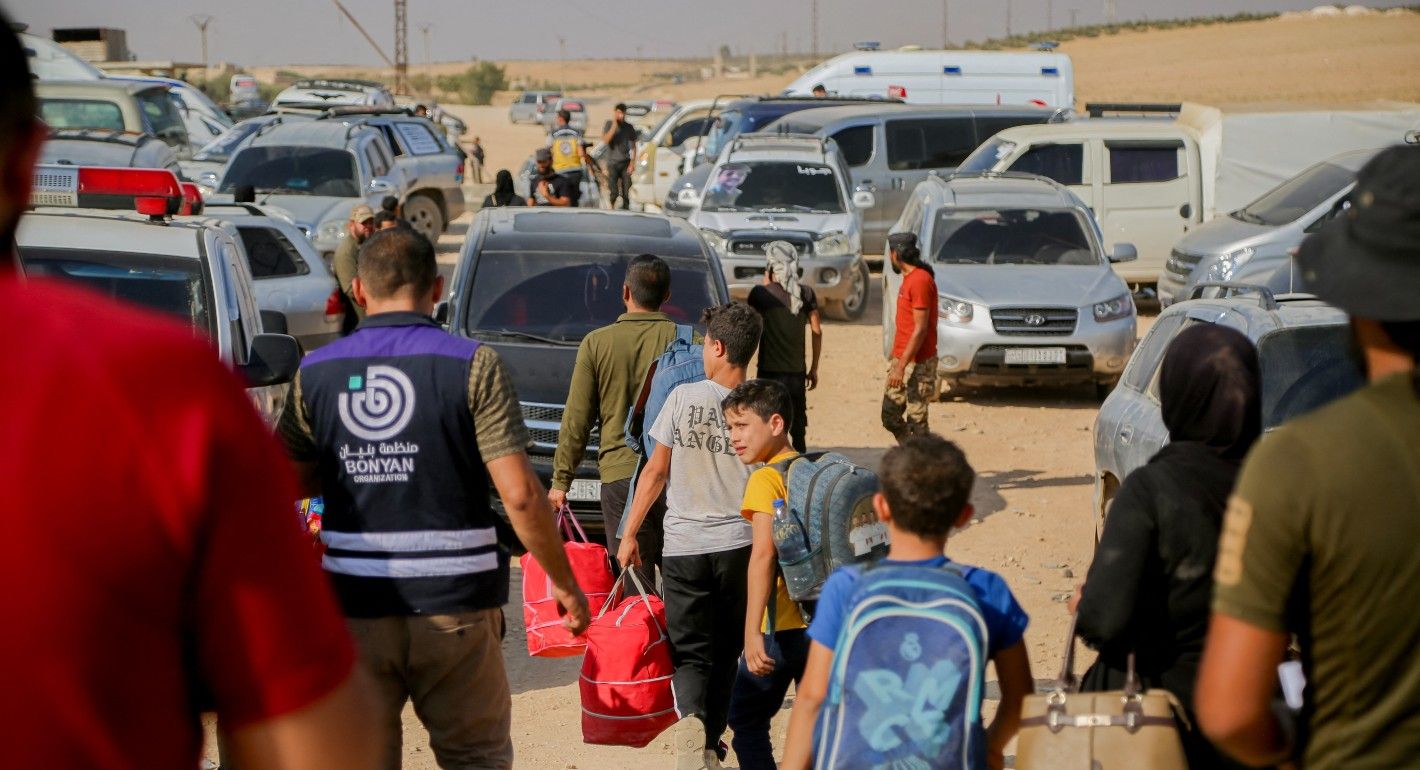
A humanitarian crisis in Lebanon deepens, and Syrian refugees face a perilous choice: remain in a war-torn environment or return to Syria where they risk encountering significant dangers and discrimination. There are significant challenges and risks to their search for safety in Syria.
Haid Haid
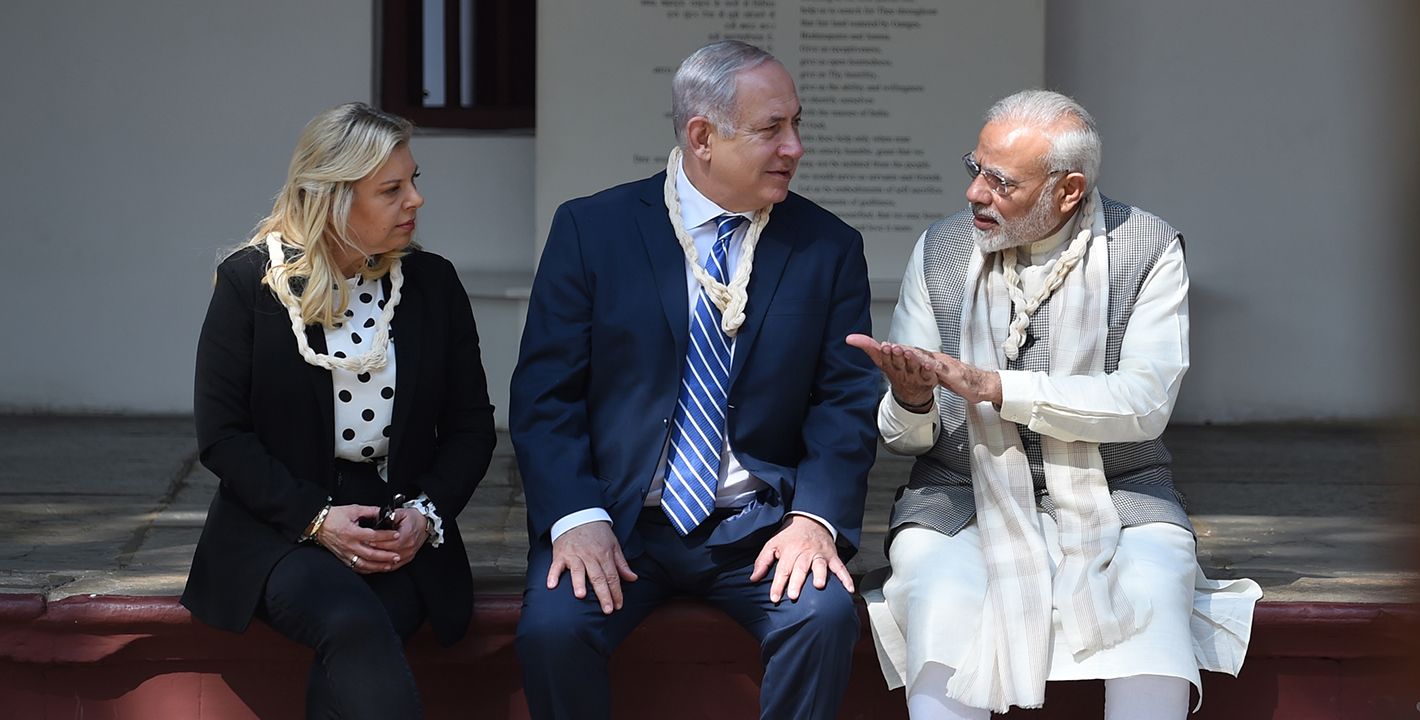
In an interview, Abhinav Pandya discusses the multiple facets of India’s ties with the Middle East.

Armenak Tokmajyan
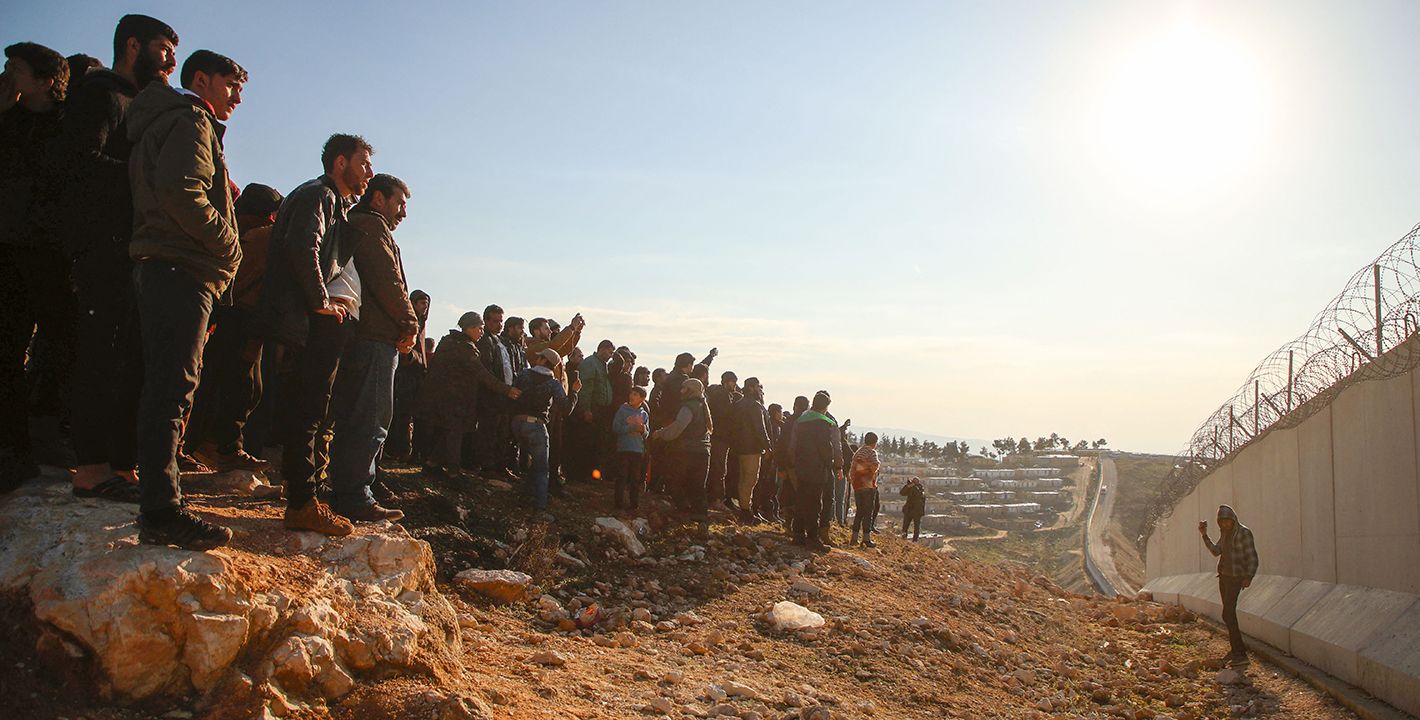
In Syria’s border regions, changes in demographics, economics, and security mean that an inter-Syrian peace process will require consensus among main regional powers that Syria must remain united, that no one side can be victorious, and that perennial instability threatens the region.
Kheder Khaddour, Armenak Tokmajyan
The interaction of national armed forces and private business sectors offers a useful lens for viewing the politics of numerous countries of the so-called Global South. A rising trend of military political activism—often accompanied by military commercial activity—underlines the importance of drivers and outcomes in these relationships.

Yezid Sayigh, Hamza Meddeb
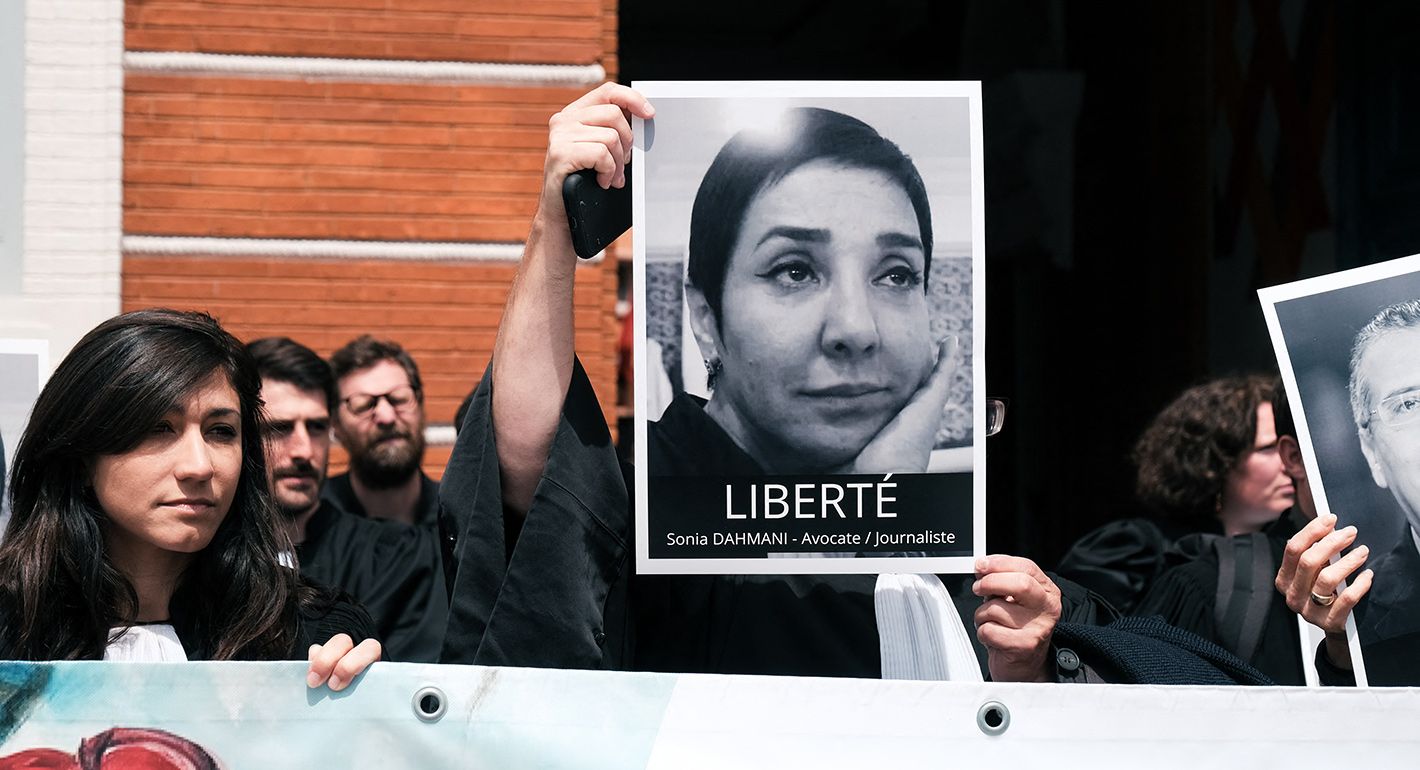
For many in the society, the post-Ben Ali years were mainly about successive economic crises and political instability.
Jasmine Khelil