

Report
- +3
James M. Acton, Alexey Arbatov, Vladimir Dvorkin, …
{
  "authors": [
    "Petr Topychkanov"
  ],
  "type": "commentary",
  "centerAffiliationAll": "",
  "centers": [
    "Carnegie Endowment for International Peace",
    "Carnegie Russia Eurasia Center"
  ],
  "collections": [],
  "englishNewsletterAll": "",
  "nonEnglishNewsletterAll": "",
  "primaryCenter": "Carnegie Russia Eurasia Center",
  "programAffiliation": "",
  "programs": [],
  "projects": [],
  "regions": [
    "South Asia",
    "Pakistan"
  ],
  "topics": [
    "Political Reform",
    "Democracy",
    "Religion"
  ]
}
Source: Getty
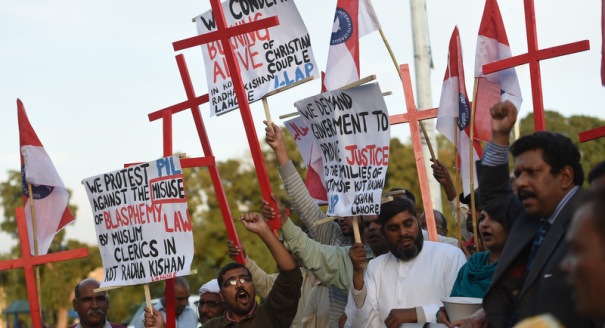
Pakistani religious minorities live in fear. This fear can only abate through the Pakistani government’s consistent and tough policies directed at the softening of the blasphemy law and cracking down on any attempts of vigilante justice.
At the end of October, Patriarch Kirill, the head of the Russian Orthodox Church, appealed to Pakistan’s President Mamnoon Hussain asking him to pardon Asia Bibi, who was sentenced to death in November 2010 for insulting the Prophet Muhammad. Bibi, a Christian woman from Ittan Wali village, was charged with the crime after three Muslim women testified to the “blasphemous” statements she allegedly made in a private conversation.
The law that justified Asia Bibi’s death sentence went into effect over 20 years ago during the rule of General Muhammad Zia-ul-Haq. The laws that were adopted during his reign allow for а maximum life sentence for soiling, damaging, and desecrating the Koran (Section 295 B included in the Pakistan Penal Code in 1982), as well as for а maximum life sentence or death penalty for insulting the Prophet Muhammad (the 1986 Amendment to Section 295 C of the Pakistan Penal Code). The Nankan Sahib District Court in Pakistan’s Punjab province sentenced Asia Bibi to death under the latter. The Lahore High Court dismissed Asia Bibi’s petition for pardon in October 2014.
One of the largest such conflicts claimed the lives of eight Christians, including four women and a child, and left dozens injured during the summer 2009 riots in the Punjab city of Gojra. The riots were triggered by charges of desecrating the Koran brought against three Christian believers (the criminal charges against Mukhtar Maseeh, Talib Maseeh, and Imran Maseeh were filed under the Section 295 (B)). The November 4, 2014 murder of Shahzad and Shama Maseeh, who were burned alive after being accused of blasphemy, is the most recent in a series of these cases. Quite often the accusations of blasphemy have non-religious origins and mask disputes over property, labor, or business.
The Punjab governor Salman Taseer and the Federal Minister for Minority Affairs Shahbaz Bhatti were the highest-ranking politicians that came to Asia Bibi’s defense. Both of them were later assassinated—in January and March 2011 respectively.
Some government officials justify this “people’s justice.” For instance, the former Lahore High Court justice Mian Nazir Akhtar has repeatedly stated that in the face of blasphemy a Muslim may either act according to the law or be guided by traditional practices without resorting to legal recourse. Some religious leaders echo these sentiments. The Ittan Wali imam Qari Mohammed Salim said in a BBC interview that “if the law punishes someone for blasphemy, and that person is pardoned, then we will also take the law in our hands.”
The president will not risk supporting Asia Bibi and others charged with blasphemy.Tweet This
It is highly unlikely that President Mamnoon Hussain will heed Patriarch Kirill’s appeal. The president, just like any other high-ranking Pakistani politician, will not risk supporting Asia Bibi and others charged with blasphemy. Such a step poses a threat to one’s personal security and might lead to a conflict with the parties that flirt with radicals. It looks as though Pakistan lacks top ranked leaders that are ready to run such high risks at this time.
Even if the Asia Bibi case is resolved successfully, she, her family, and other religious minorities will still have to live in fear. This fear can only abate through the Pakistani government’s consistent and tough policies directed at the softening of the blasphemy law and cracking down on any attempts of vigilante justice.
Former Fellow, Nonproliferation Program, Moscow Center
Topychkanov was a fellow in the Carnegie Moscow Center’s Nonproliferation Program.
Recent Work

James M. Acton, Alexey Arbatov, Vladimir Dvorkin, …
Petr Topychkanov
Carnegie does not take institutional positions on public policy issues; the views represented herein are those of the author(s) and do not necessarily reflect the views of Carnegie, its staff, or its trustees.
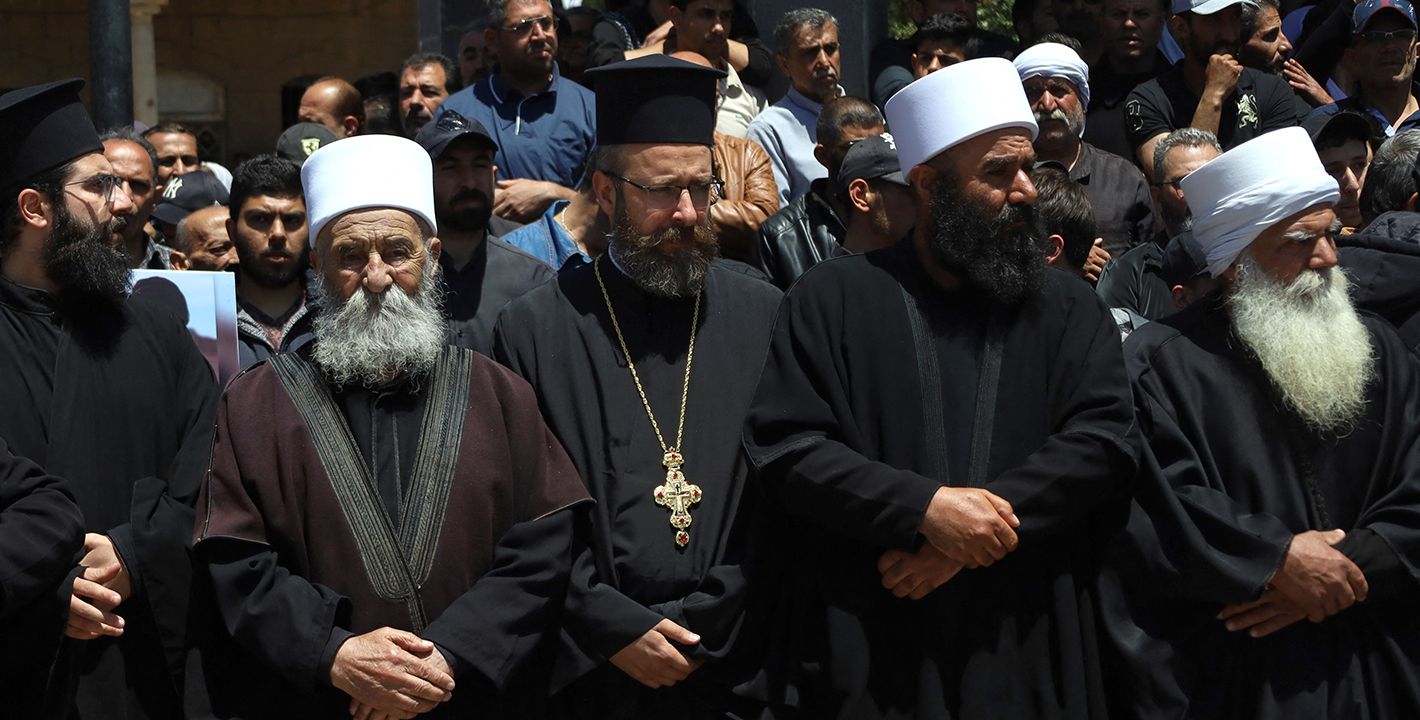
In an interview, Peter Harling discusses the fate of religious communities in the Syrian transformation.

Michael Young
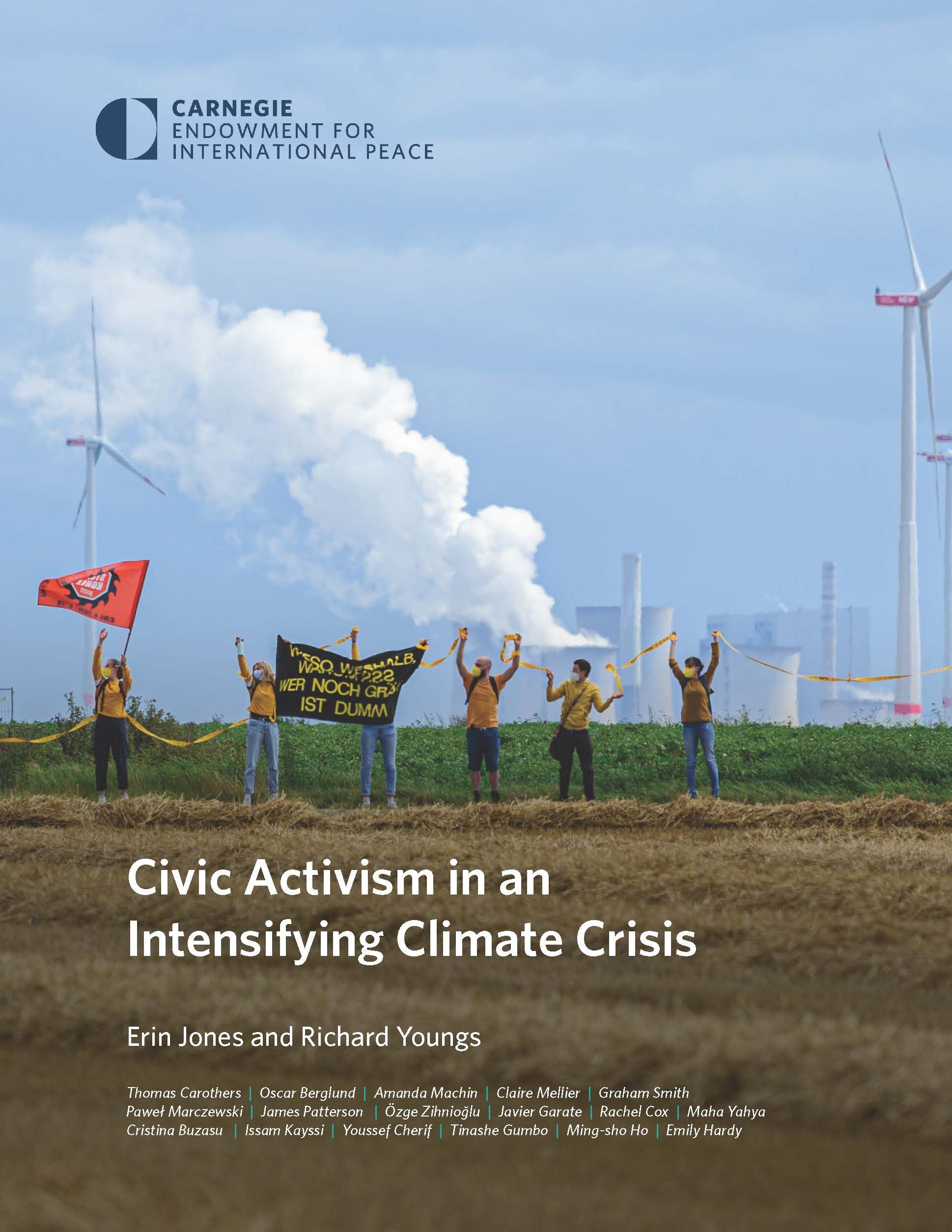
To address the deepening climate crisis, climate activism is employing a wider variety of tactics and aiming at a broader set of goals. In response, the movement faces stronger repression and civic backlash against climate action.

Erin Jones, Richard Youngs
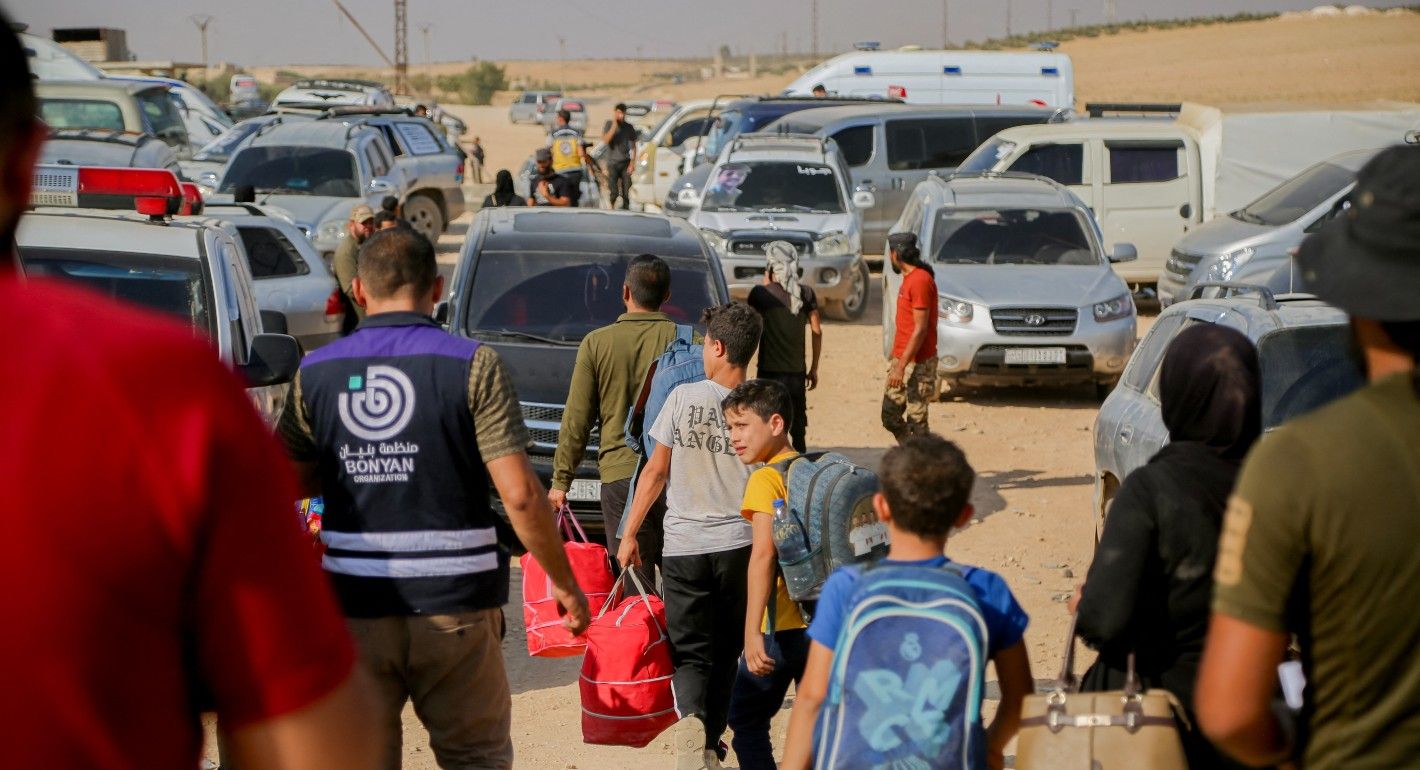
A humanitarian crisis in Lebanon deepens, and Syrian refugees face a perilous choice: remain in a war-torn environment or return to Syria where they risk encountering significant dangers and discrimination. There are significant challenges and risks to their search for safety in Syria.
Haid Haid
In an interview, Shoaib Ahmed Malik discusses his coedited book on Islam and extraterrestrial life.
Rayyan Al-Shawaf
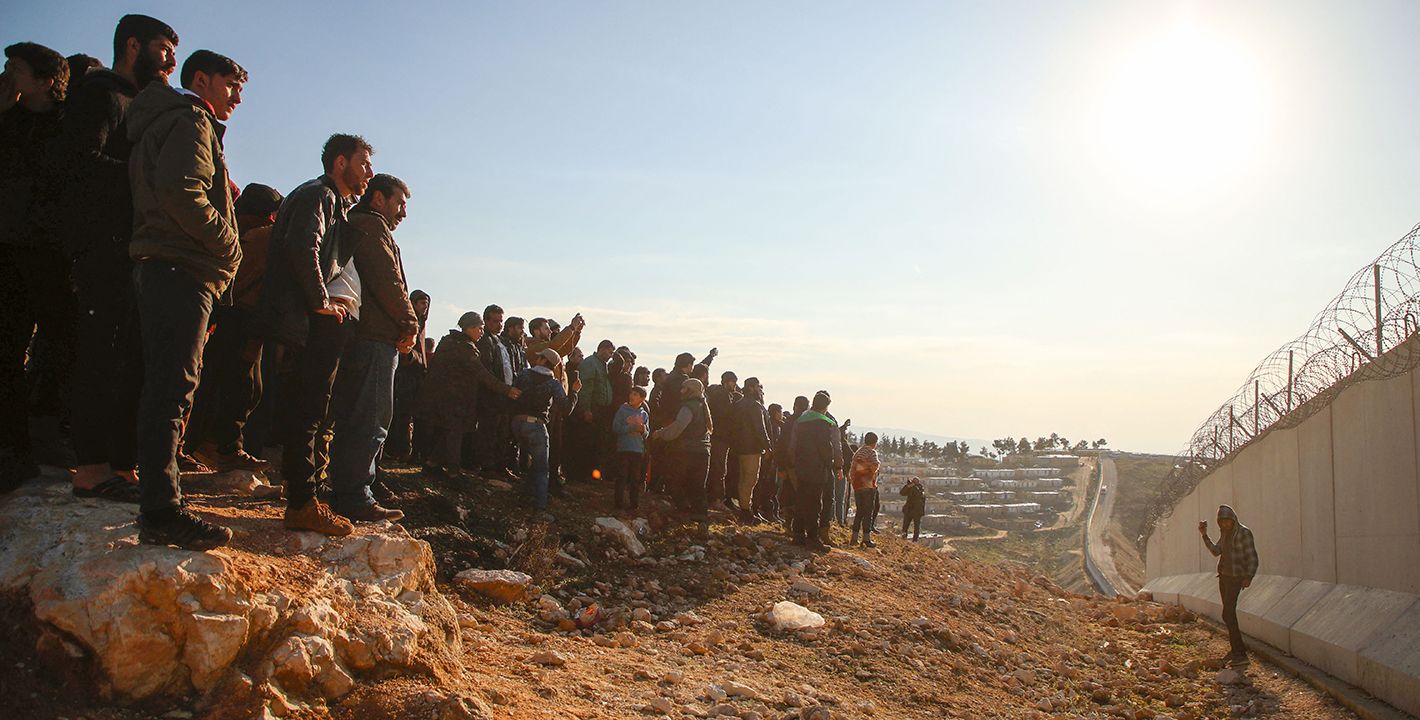
In Syria’s border regions, changes in demographics, economics, and security mean that an inter-Syrian peace process will require consensus among main regional powers that Syria must remain united, that no one side can be victorious, and that perennial instability threatens the region.


Kheder Khaddour, Armenak Tokmajyan