

In The Media
Vikram Nehru
{
  "authors": [
    "Vikram Nehru"
  ],
  "type": "legacyinthemedia",
  "centerAffiliationAll": "dc",
  "centers": [
    "Carnegie Endowment for International Peace"
  ],
  "collections": [],
  "englishNewsletterAll": "asia",
  "nonEnglishNewsletterAll": "",
  "primaryCenter": "Carnegie Endowment for International Peace",
  "programAffiliation": "AP",
  "programs": [
    "Asia"
  ],
  "projects": [],
  "regions": [
    "Southeast Asia",
    "Myanmar"
  ],
  "topics": [
    "Political Reform",
    "Democracy"
  ]
}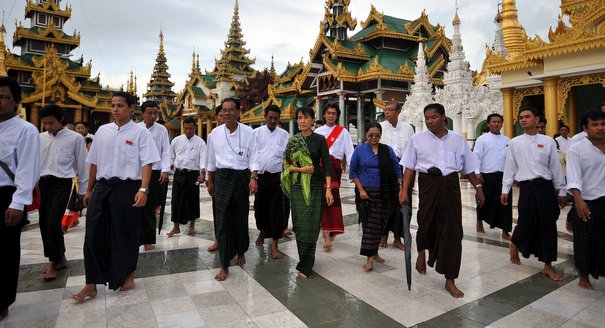
Source: Getty
While the easy reforms in Myanmar have been implemented, institutional reforms are necessary going forward.
Source: NPR’s Here & Now
Speaking on NPR’s Here & Now, Carnegie’s Vikram Nehru discussed the current situation in Myanmar in light of President Obama’s statement, at a joint press conference with Aang San Suu Kyi, that Myanmar’s political reforms are “still incomplete” and that the rights of the Rohingya need to be protected. Nehru described the persecution and violence suffered by the Rohingya after the military junta declared them stateless in 1982. He stated that they face widespread antagonism across all levels of society and that protecting their rights going forward would be difficult. This is especially true given the Rakhine Action Plan, which is a law that purports to offer the Rohingya a path to citizenship.While seemingly positive, Nehru said, this law actually presents such difficult-to-meet requirements for citizenship that it may only help a few. Those Rohingya who are not “naturalized” face being put into internment camps. Nehru went on to discuss U.S. and international interest in Myanmar, stating that while reforms in Myanmar have been slow, there has been progress, which has invited more foreign investment into the country. Nehru finished by commenting that while the easy reforms in Myanmar have been implemented, institutional reforms are necessary going forward.
This interview was originally published on NPR’s Here & Now.
Former Nonresident Senior Fellow, Asia Program
Nehru was a nonresident senior fellow in the Carnegie Asia Program. An expert on development economics, growth, poverty reduction, debt sustainability, governance, and the performance and prospects of East Asia, his research focuses on the economic, political, and strategic issues confronting Asia, particularly Southeast Asia.
Recent Work
Vikram Nehru
Vikram Nehru
Carnegie does not take institutional positions on public policy issues; the views represented herein are those of the author(s) and do not necessarily reflect the views of Carnegie, its staff, or its trustees.
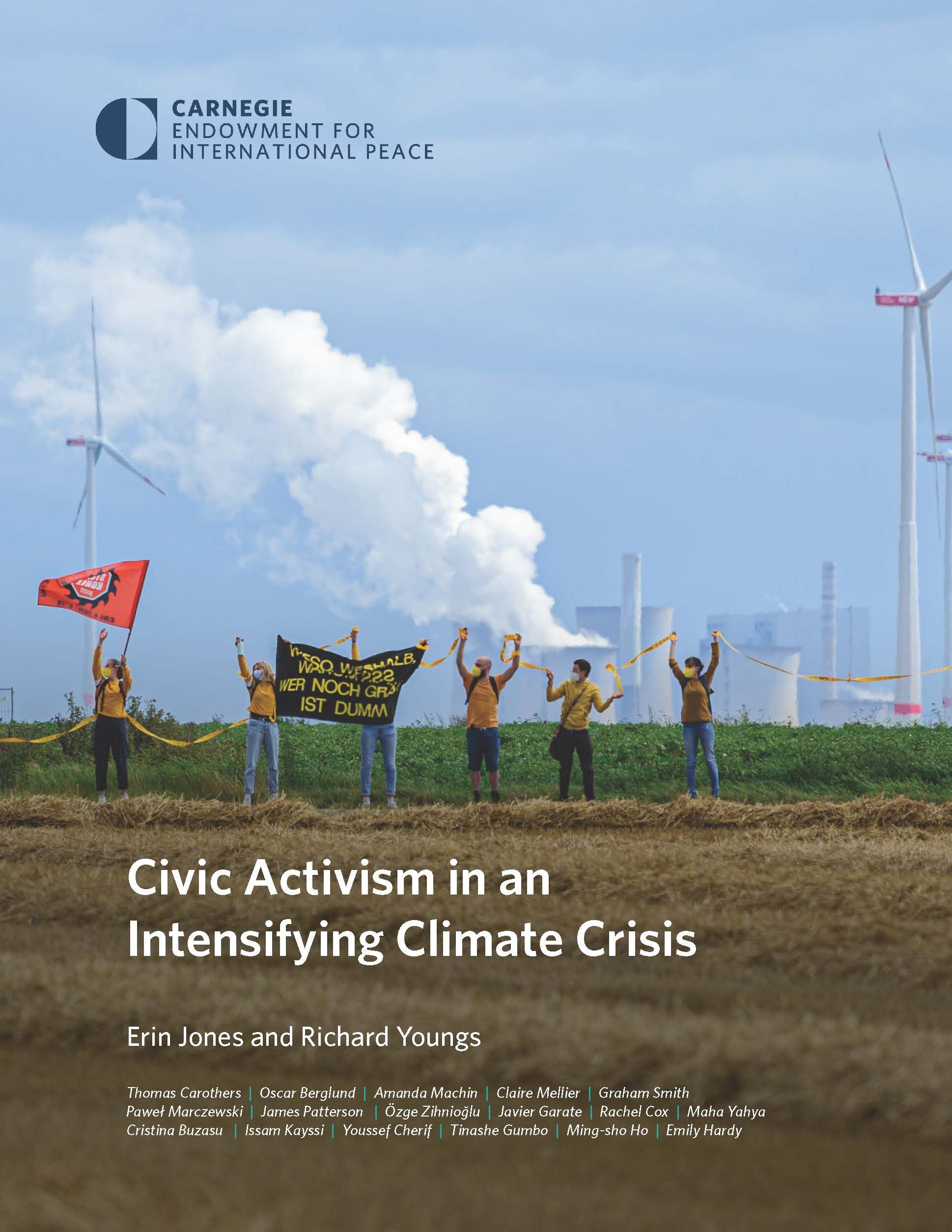
To address the deepening climate crisis, climate activism is employing a wider variety of tactics and aiming at a broader set of goals. In response, the movement faces stronger repression and civic backlash against climate action.

Erin Jones, Richard Youngs
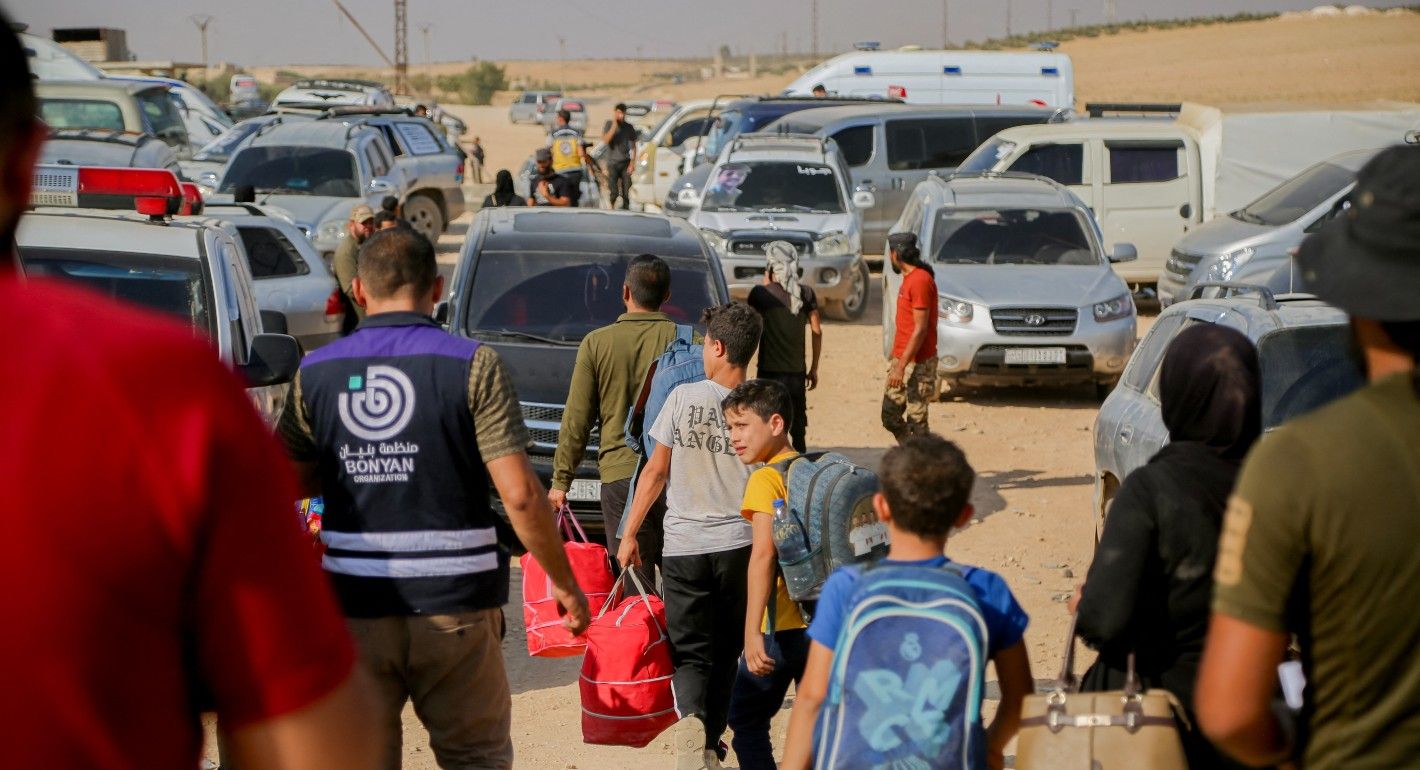
A humanitarian crisis in Lebanon deepens, and Syrian refugees face a perilous choice: remain in a war-torn environment or return to Syria where they risk encountering significant dangers and discrimination. There are significant challenges and risks to their search for safety in Syria.
Haid Haid
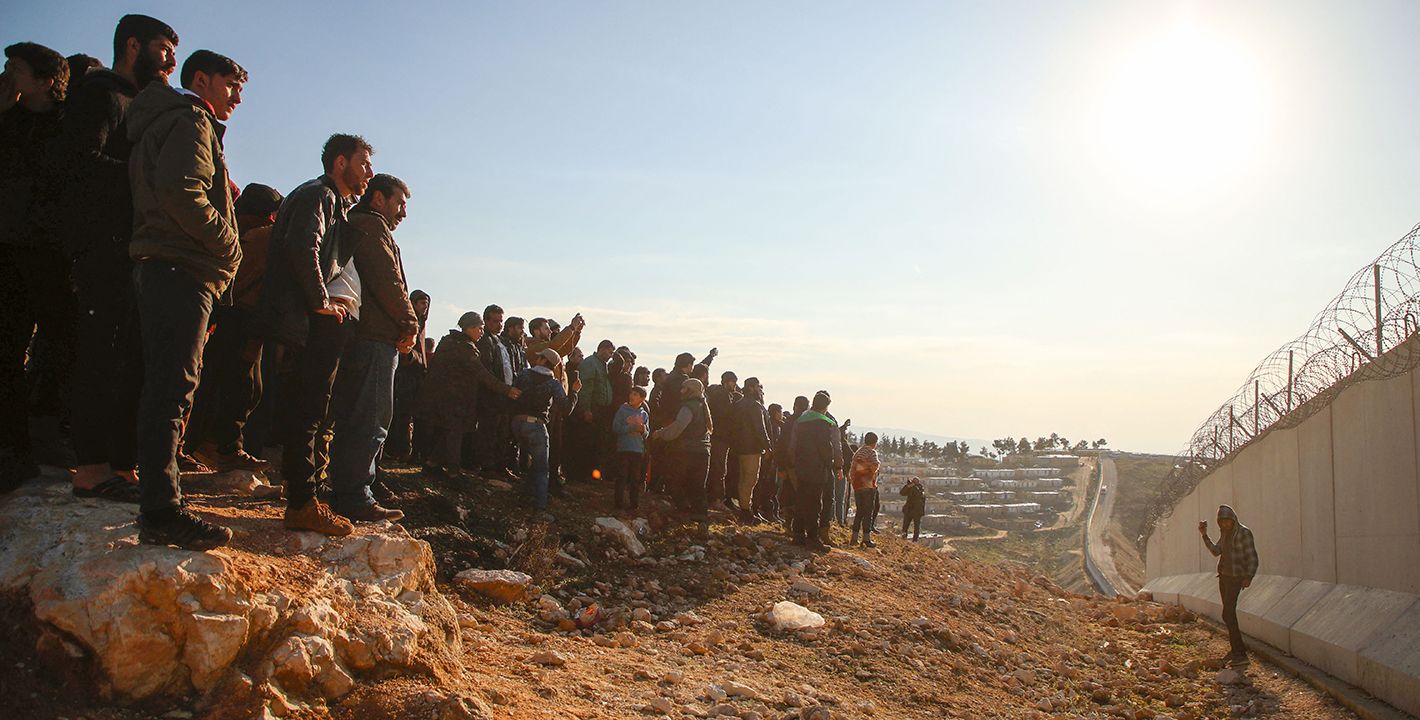
In Syria’s border regions, changes in demographics, economics, and security mean that an inter-Syrian peace process will require consensus among main regional powers that Syria must remain united, that no one side can be victorious, and that perennial instability threatens the region.


Kheder Khaddour, Armenak Tokmajyan
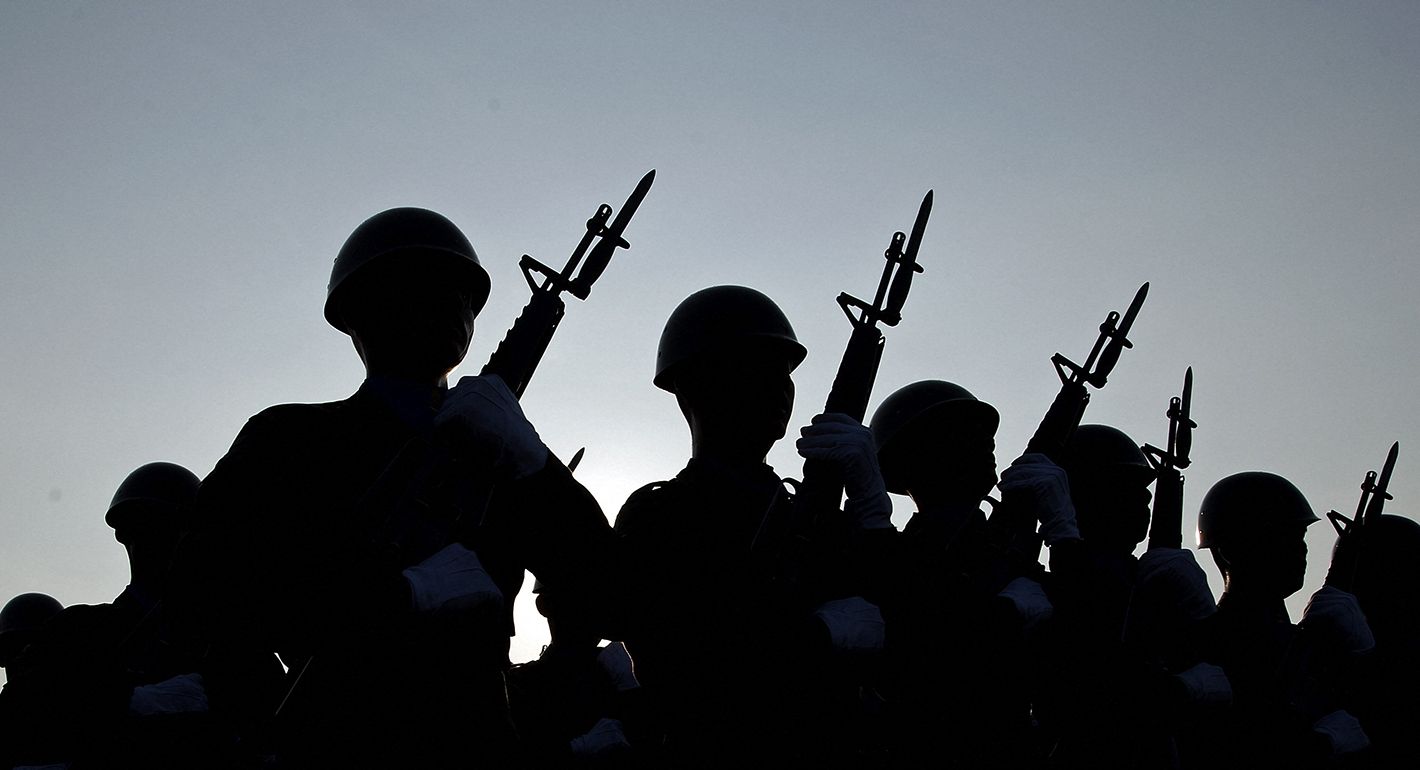
The interaction of national armed forces and private business sectors offers a useful lens for viewing the politics of numerous countries of the so-called Global South. A rising trend of military political activism—often accompanied by military commercial activity—underlines the importance of drivers and outcomes in these relationships.

Yezid Sayigh, Hamza Meddeb
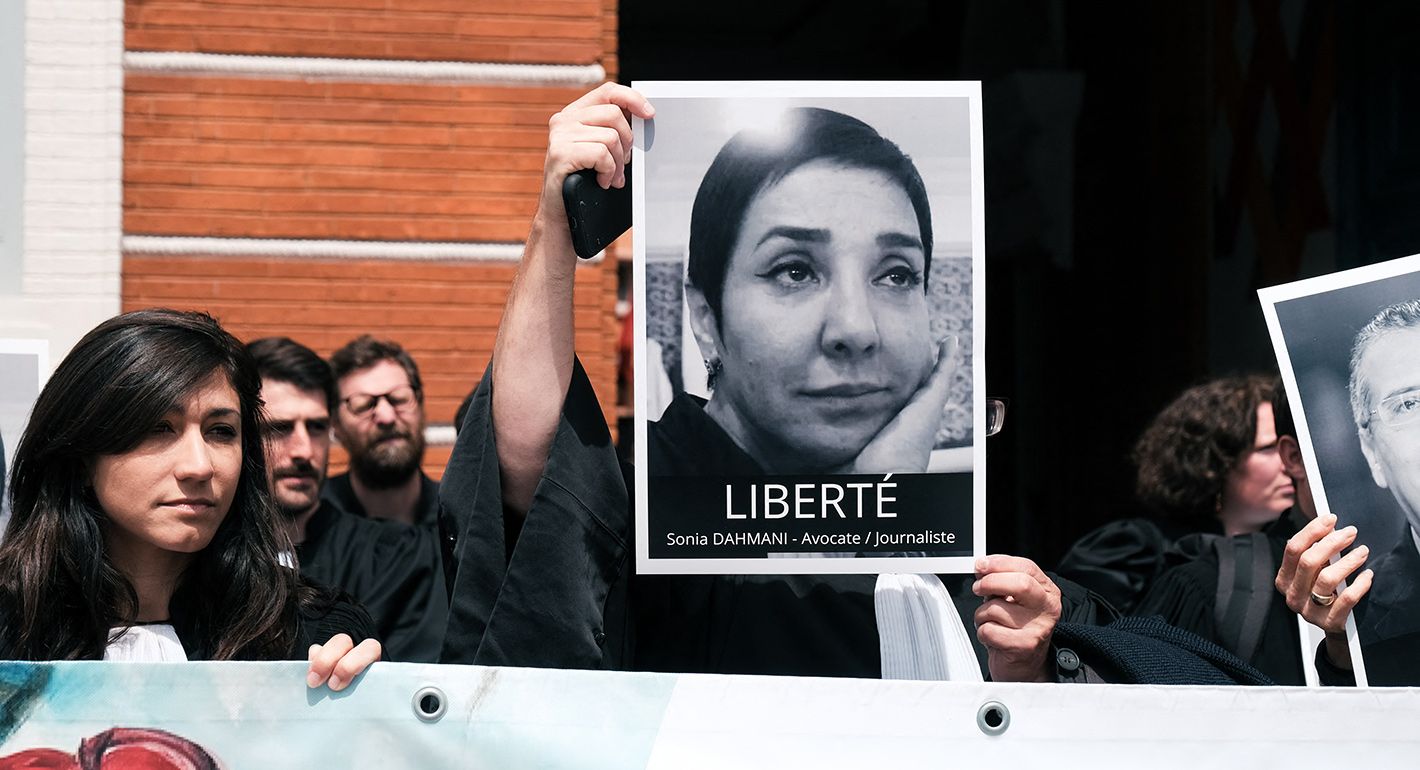
For many in the society, the post-Ben Ali years were mainly about successive economic crises and political instability.
Jasmine Khelil