

Research
- +11
Frances Z. Brown, Nate Reynolds, Priyal Singh, …
{
  "authors": [
    "Andrew S. Weiss"
  ],
  "type": "legacyinthemedia",
  "centerAffiliationAll": "dc",
  "centers": [
    "Carnegie Endowment for International Peace"
  ],
  "collections": [],
  "englishNewsletterAll": "ctw",
  "nonEnglishNewsletterAll": "",
  "primaryCenter": "Carnegie Endowment for International Peace",
  "programAffiliation": "russia",
  "programs": [
    "Russia and Eurasia"
  ],
  "projects": [],
  "regions": [
    "North America",
    "United States",
    "Russia",
    "Eastern Europe",
    "Ukraine",
    "Western Europe"
  ],
  "topics": [
    "Security",
    "Foreign Policy"
  ]
}
Source: Getty
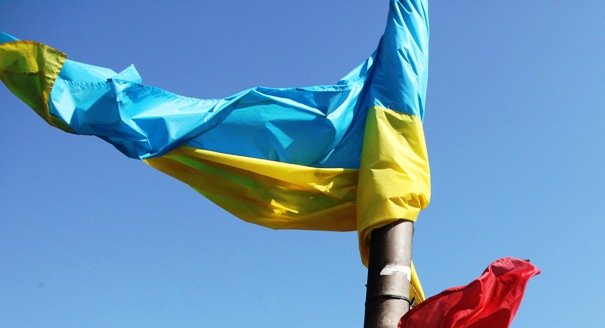
As the war in the Donbas escalates, the debate about sending arms to Ukraine is heating up in Washington and Brussels.
Source: NPR’s Diane Rehm Show
German Chancellor Angela Merkel meets with President Barack Obama in Washington, D.C. today to talk about the growing crisis in Ukraine. At a security conference in Munich over the weekend, Merkel reiterated her opposition to arming Ukrainian forces to fight pro-Russian rebels. She favors working toward a diplomatic solution. To that end, Merkel and French President Hollande met in Moscow with Vladimir Putin last week. In the U.S., a chorus of voices in support of sending weapons to Ukraine has grown louder. But opponents fear the risks of escalation are too great. Carnegie’s Andrew S. Weiss joined Diane Rehm for a panel discussion on options for achieving peace in Ukraine.
This interview was originally broadcast on NPR’s Diane Rehm Show.
James Family Chair, Vice President for Studies
Andrew S. Weiss is the James Family Chair and vice president for studies at the Carnegie Endowment for International Peace, where he oversees research on Russia, Ukraine, and Eurasia. His graphic novel biography of Vladimir Putin, Accidental Czar: the Life and Lies of Vladimir Putin, was published by First Second/Macmillan in 2022.
Recent Work

Frances Z. Brown, Nate Reynolds, Priyal Singh, …

James M. Acton, Saskia Brechenmacher, Cecily Brewer, …
Carnegie does not take institutional positions on public policy issues; the views represented herein are those of the author(s) and do not necessarily reflect the views of Carnegie, its staff, or its trustees.
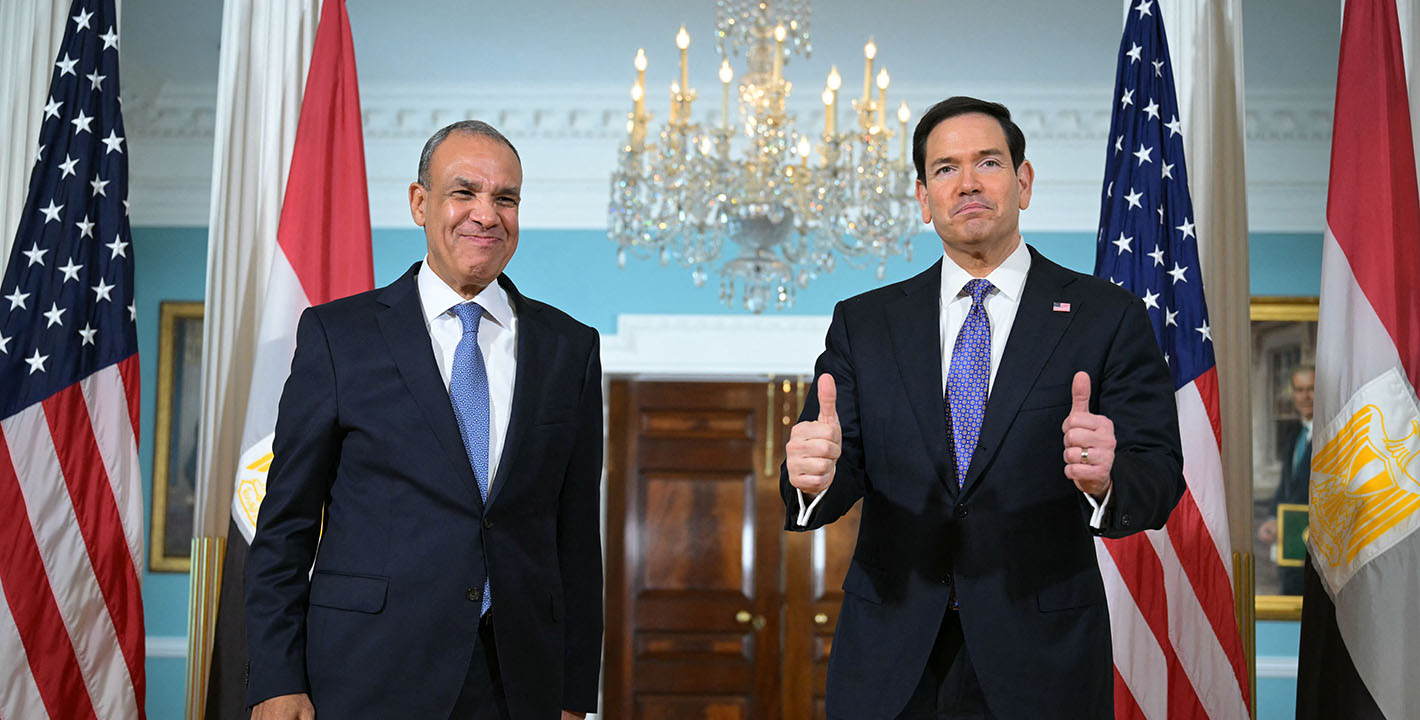
Cairo’s efforts send a message to the United States and the region that it still has a place at the diplomatic table.

Angie Omar
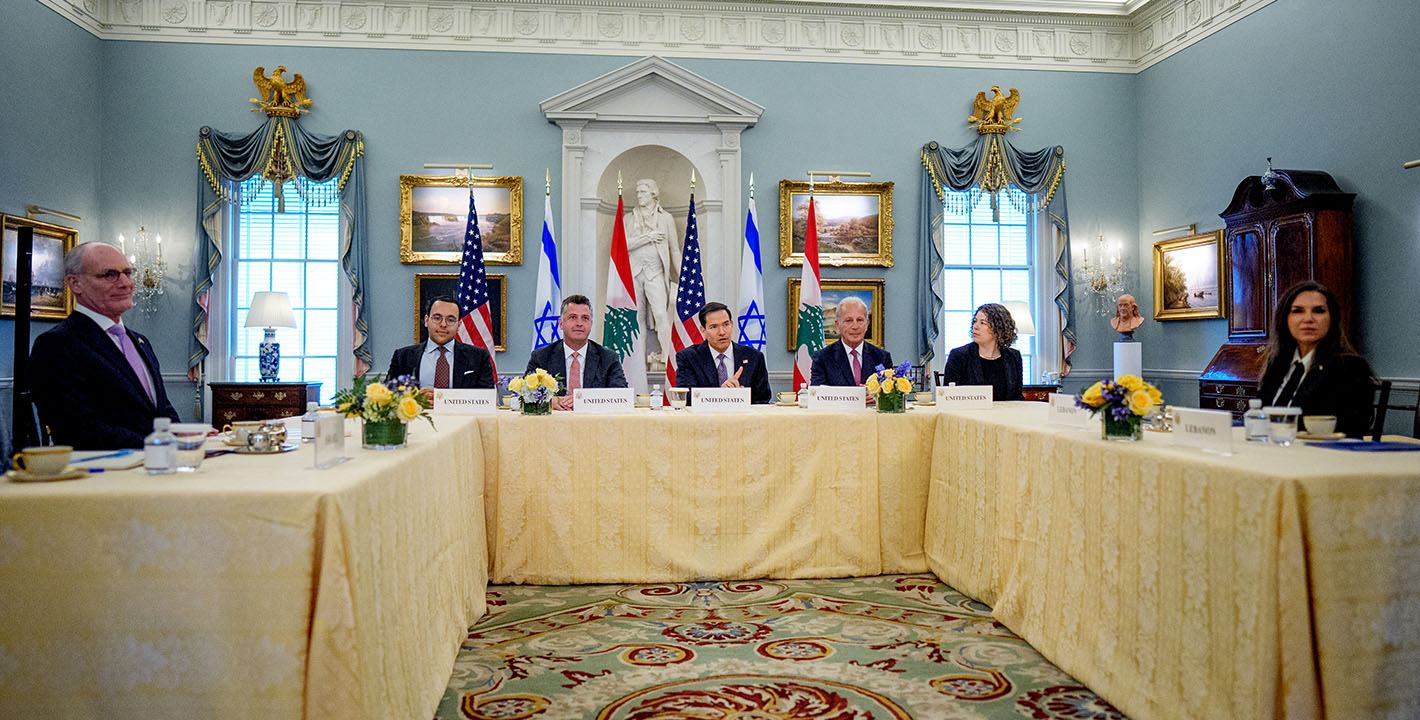
Beirut’s desire to break free from Iranian hegemony may push it into a situation where it has to accept Israel’s hegemony.

Michael Young
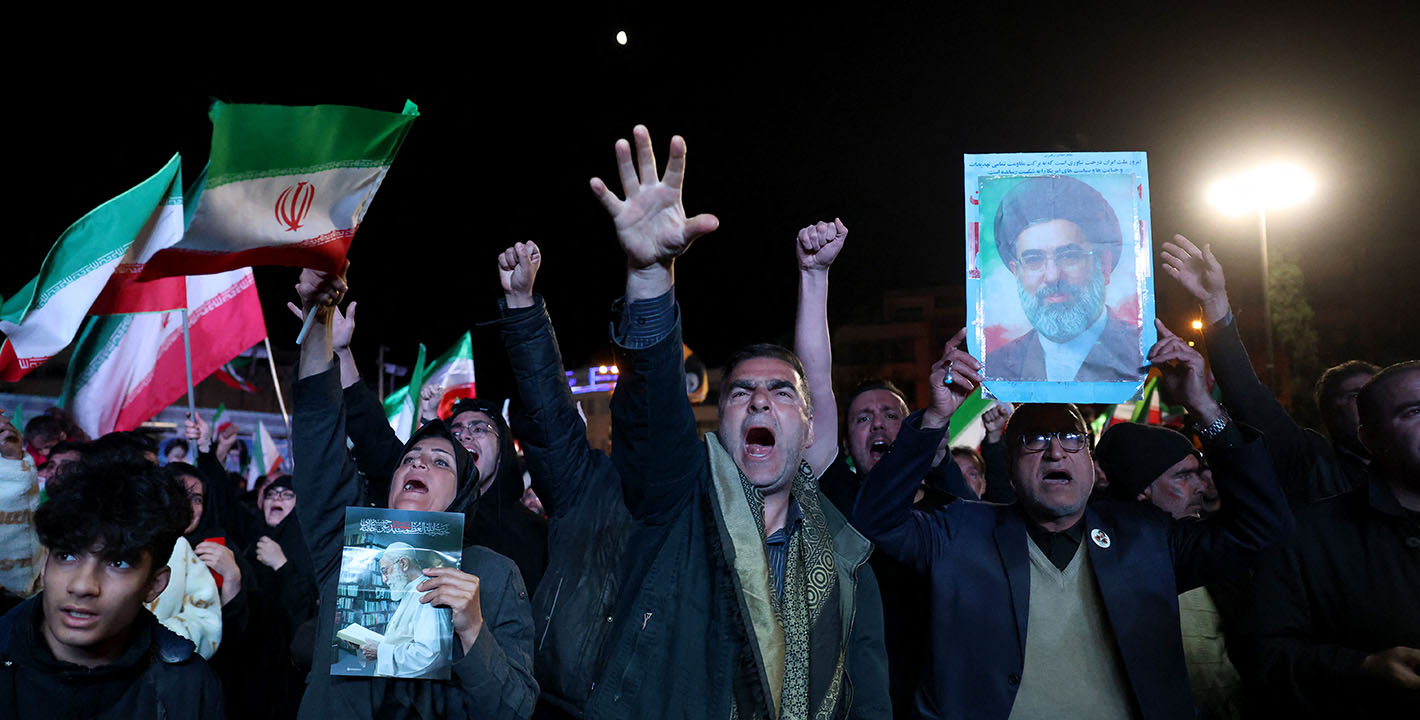
Spot analysis from Carnegie scholars on events relating to the Middle East and North Africa.
Michael Young
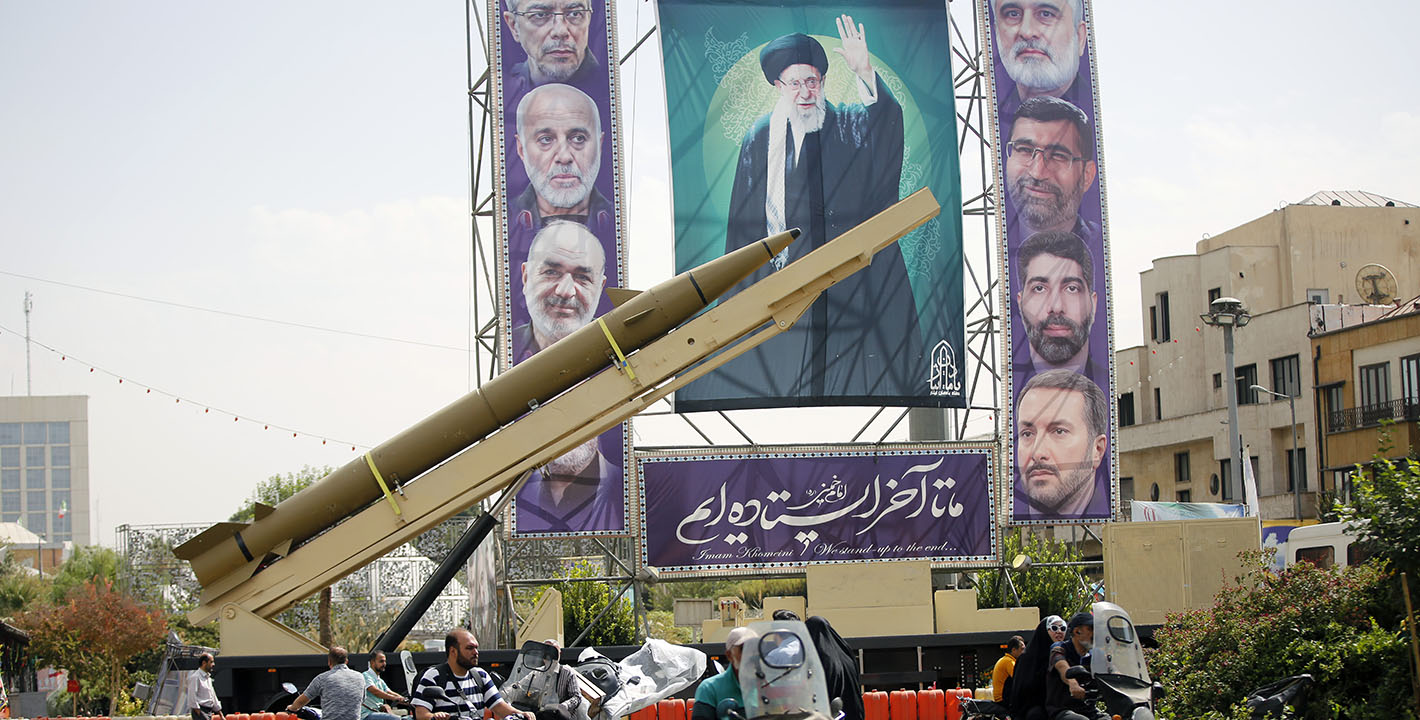
In an interview, Hamidreza Azizi discusses how Tehran has adapted in real time to the conflict with the United States and Israel.
Michael Young
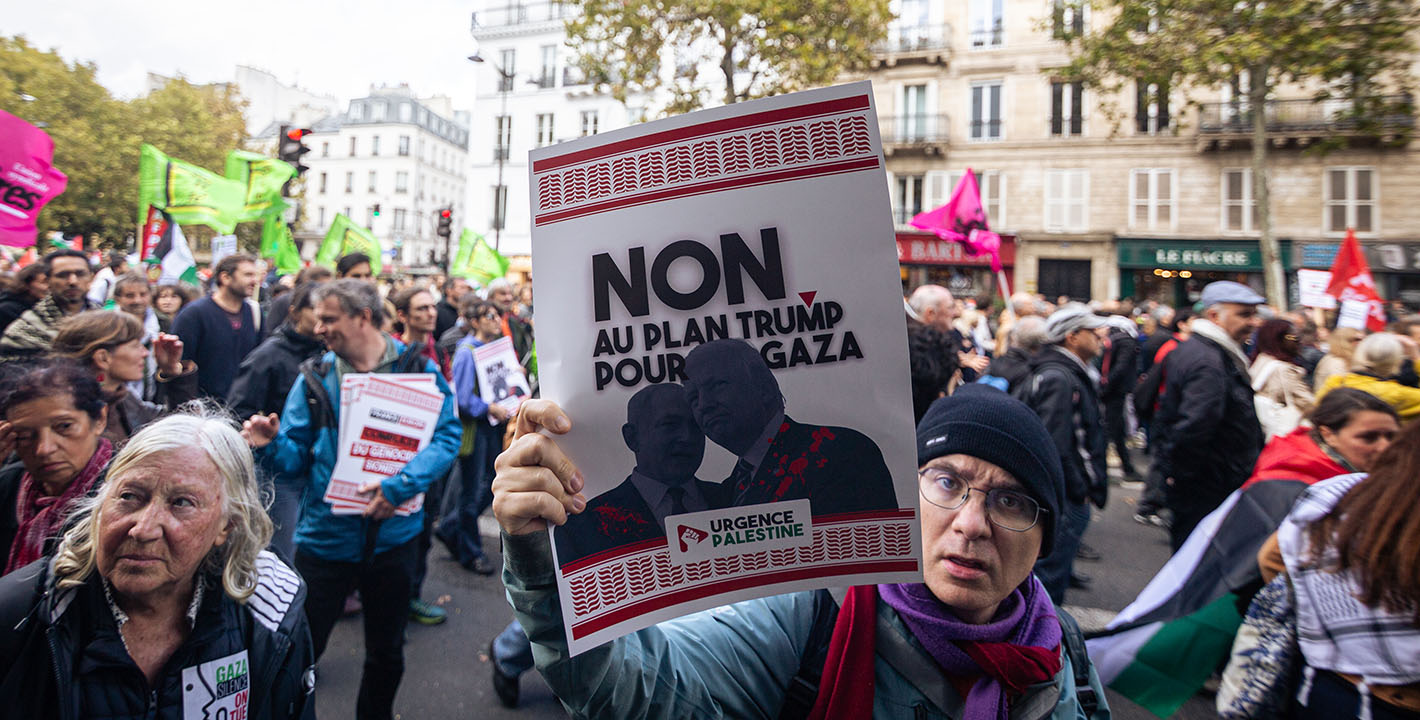
The simple conclusion is that the scheme will bring neither peace nor prosperity, but will institutionalize devastation.

Nathan J. Brown