

Paper
Raphaël Lefèvre
{
  "authors": [
    "Raphaël Lefèvre"
  ],
  "type": "other",
  "centerAffiliationAll": "dc",
  "centers": [
    "Carnegie Endowment for International Peace",
    "Malcolm H. Kerr Carnegie Middle East Center"
  ],
  "collections": [],
  "englishNewsletterAll": "menaTransitions",
  "nonEnglishNewsletterAll": "",
  "primaryCenter": "Malcolm H. Kerr Carnegie Middle East Center",
  "programAffiliation": "MEP",
  "programs": [
    "Middle East"
  ],
  "projects": [],
  "regions": [
    "Levant",
    "Lebanon",
    "Syria",
    "Middle East"
  ],
  "topics": [
    "Political Reform",
    "Security"
  ]
}
Source: Getty
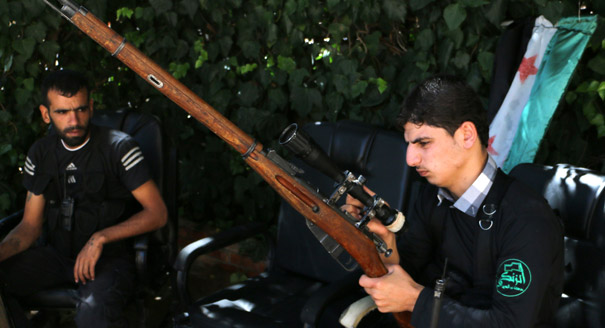
The Syrian Muslim Brotherhood had been in exile for a long time, so it had to work very hard to gain a measure of influence on the Syrian uprisings.
Source: Project on Middle East Political Science
Speaking with George Washington University’s Marc Lynch, director of the Project on Middle East Political Science, Carnegie’s Raphaël Lefèvre discussed the Syrian Muslim Brotherhood, the Syrian civil war, and Lebanon. When asked about the role the Muslim Brotherhood played in the Syrian uprising, Lefèvre explained that the group had been in exile for a long time, so it had to work very hard to gain a measure of influence on the Syrian uprisings.
It did so through various different ways, continued Lefèvre: “At first, it took a leading role in the Syrian opposition—first the Syrian National Council and then the National Coalition. It tried to do some work on-the-ground inside Syria in rebel-held areas, doing some humanitarian work. It started a series of militias as well, trying to gain influence on the Syrian rebel scene, but that was, unfortunately for them, very unsuccessful because at that point in time...the extremists in Syria were on the rise and posed a serious challenge to the Syrian Muslim Brotherhood.”
This interview was originally published by the Project on Middle East Political Science (POMEPS).
Former Nonresident Scholar, Middle East Center
Raphaël Lefèvre was a nonresident scholar at the Carnegie Middle East Center, where his research focuses on Sunni Islamist movements in Lebanon.
Recent Work
Raphaël Lefèvre
Raphaël Lefèvre
Carnegie does not take institutional positions on public policy issues; the views represented herein are those of the author(s) and do not necessarily reflect the views of Carnegie, its staff, or its trustees.
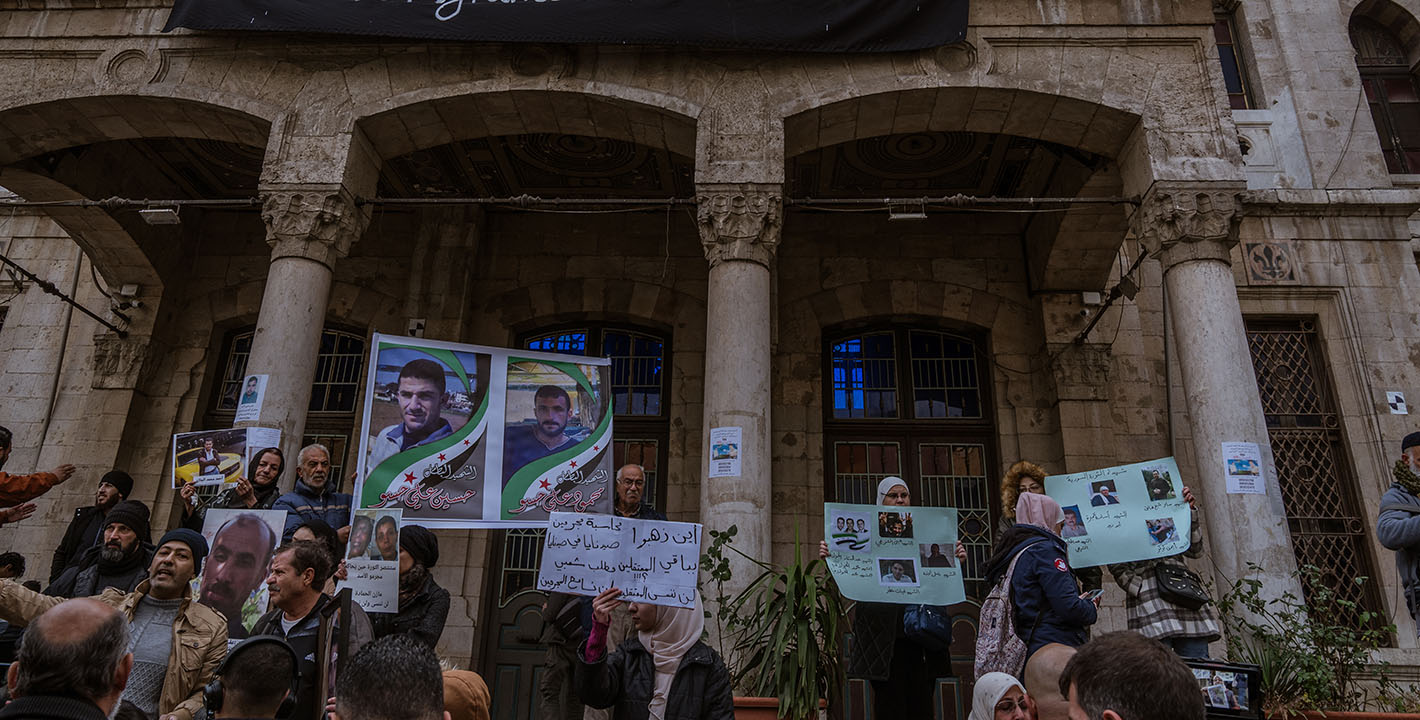
Reconciliation councils are emerging throughout the country to mediate in intracommunal disputes, many from the war years.
Natacha Danon
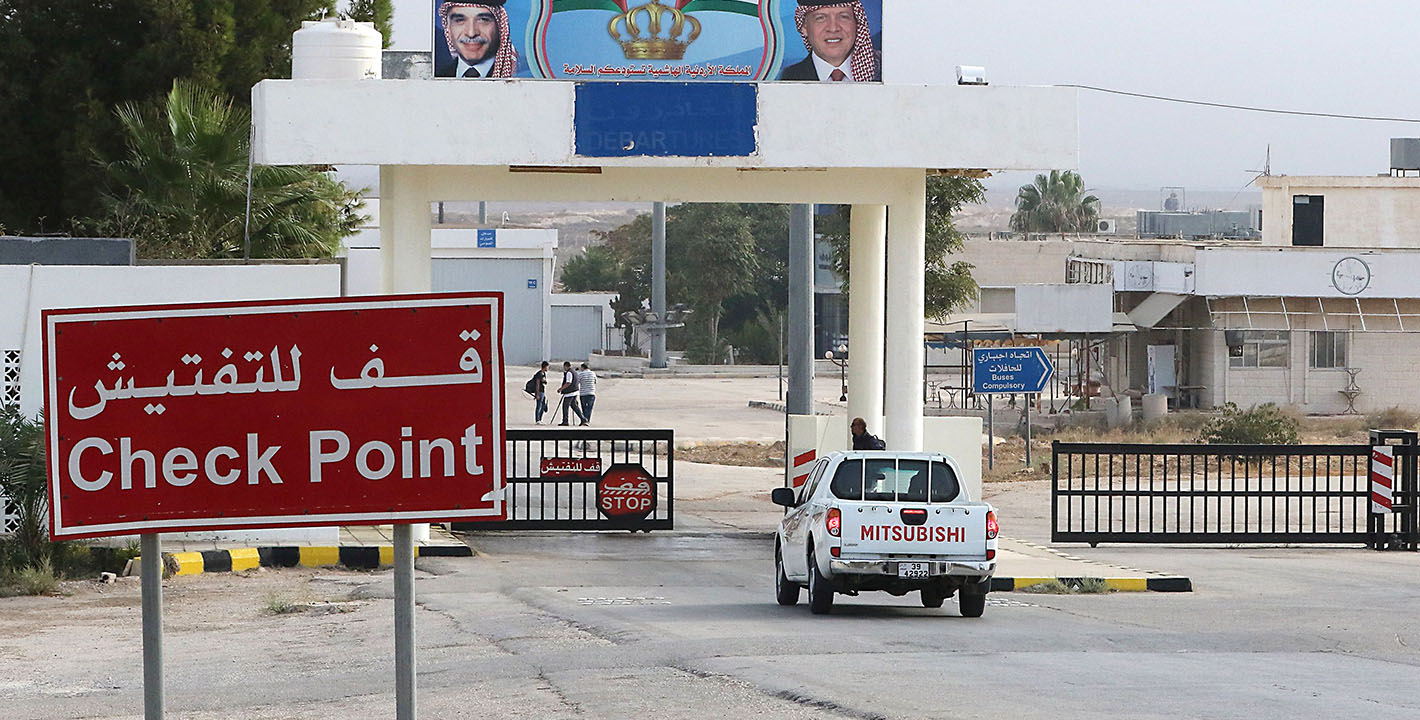
The civil war in Syria may have ended, but the country continues to serve as a source for the trafficking of illegal substances into and via Jordanian territory.

Armenak Tokmajyan, Laith Qerbaa
As the U.S.-led Coalition withdraws, the Kurds’ reliance on Baghdad, and on themselves, will only increase.
Wladimir van Wilgenburg

As the U.S. stumbles in its war with Iran, we are likely to see an acceleration of its disengagement from the region.

Michael Young
The Zaidi government’s objective to collect weapons is constrained by regional conflict, but it can take certain measures at home.
Ali Al-Mawlawi