

In The Media
Lina Khatib
{
  "authors": [
    "Lina Khatib"
  ],
  "type": "legacyinthemedia",
  "centerAffiliationAll": "dc",
  "centers": [
    "Carnegie Endowment for International Peace",
    "Malcolm H. Kerr Carnegie Middle East Center"
  ],
  "collections": [],
  "englishNewsletterAll": "menaTransitions",
  "nonEnglishNewsletterAll": "",
  "primaryCenter": "Malcolm H. Kerr Carnegie Middle East Center",
  "programAffiliation": "MEP",
  "programs": [
    "Middle East"
  ],
  "projects": [],
  "regions": [
    "Iran",
    "Gulf",
    "Saudi Arabia",
    "Yemen",
    "Middle East"
  ],
  "topics": [
    "Political Reform",
    "Security",
    "Foreign Policy"
  ]
}
Source: Getty
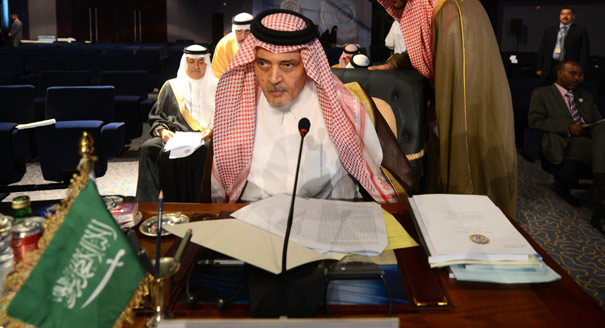
Saudi Arabia is using the war against the Houthis to consolidate Saudi influence and control over Yemen, including the Port of Aden.
Source: KPFK Background Briefing with Ian Masters
“Saudi Arabia is finally being decisive about Yemen and using this war against the Houthis to consolidate Saudi influence and control over Yemen, including the Port of Aden,” said Carnegie’s Lina Khatib during an interview with KPFK’s Background Briefing with Ian Masters.
Khatib also spoke about a possible hidden motive behind Saudi intervention in Yemen that might result in a military occupation of the south of the country to secure the port of Aden and its oil terminals. Saudi oil could then be piped directly to Asian customers from terminals on the Indian Ocean, thus bypassing the Gulf and the Iranian-dominated Straights of Hormuz.
This interview was originally broadcast by KPFK Background Briefing with Ian Masters.
Former Director, Middle East Center
Khatib was director of the Carnegie Middle East Center in Beirut. Previously, she was the co-founding head of the Program on Arab Reform and Democracy at Stanford University’s Center on Democracy, Development, and the Rule of Law.
Recent Work
Lina Khatib
Lina Khatib
Carnegie does not take institutional positions on public policy issues; the views represented herein are those of the author(s) and do not necessarily reflect the views of Carnegie, its staff, or its trustees.

In an interview, Marc Lynch discusses his new book decrying the post-1990 U.S.-dominated order in the Middle East.

Michael Young

Because perpetual conflict enhances control, offers economic benefits, and allows leaders to ignore popular preferences.

Angie Omar
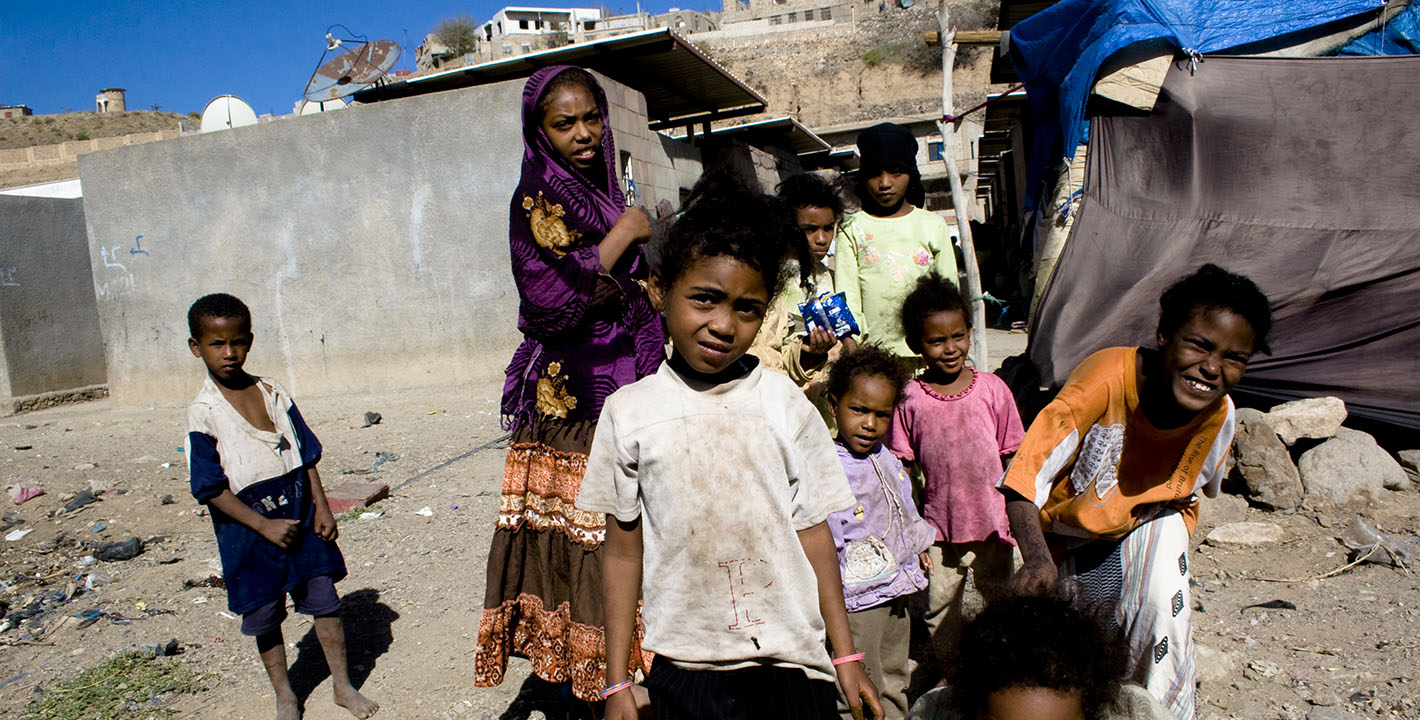
The community already suffers social discrimination, so addressing inequalities requires sustained interventions.
Musaed Aklan , Mohammad Al-Saidi

In an interview, Jim Lamson discusses the ongoing regional conflict and sees an unclear picture when it comes to winners and losers.
Michael Young

Mitigating the repercussions of climate change in Kuwait is crucial for lessening economic disparities and achieving social justice.
Courtney Freer