

Commentary
The accord represents a pivotal moment in the region to avert a security vacuum in the Gulf.
Azeema Cheema, Mohanad Hage Ali
{
  "authors": [
    "Maha Yahya",
    "Rod Nordland",
    "Christopher Gunness",
    "Aymenn Jawad Al-Tamimi",
    "Wayne White"
  ],
  "type": "legacyinthemedia",
  "centerAffiliationAll": "dc",
  "centers": [
    "Carnegie Endowment for International Peace",
    "Malcolm H. Kerr Carnegie Middle East Center"
  ],
  "collections": [],
  "englishNewsletterAll": "menaTransitions",
  "nonEnglishNewsletterAll": "",
  "primaryCenter": "Malcolm H. Kerr Carnegie Middle East Center",
  "programAffiliation": "MEP",
  "programs": [
    "Middle East"
  ],
  "projects": [],
  "regions": [
    "Gulf",
    "Levant",
    "Iraq",
    "Middle East"
  ],
  "topics": [
    "Political Reform",
    "Security"
  ]
}
Source: Getty
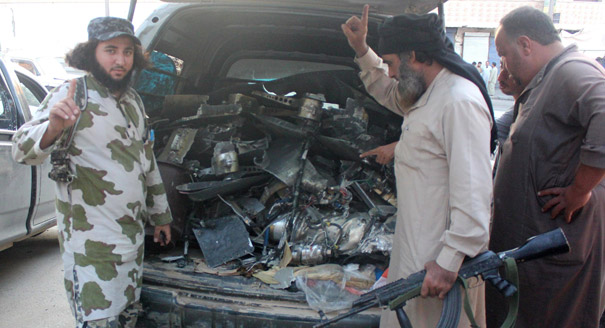
There are signs of internal dissension within the self-proclaimed Islamic State. But even if it is in partial retreat, it is a likely threat in the Middle East—and to Western interests—for years to come.
Source: KCRW’s To the Point
The losses of Kobani in Syria and Tikrit in Iraq are being taken as evidence that the so-called Islamic State is in trouble. Its revenue is reportedly drying up, and untrained recruits are replacing experienced soldiers. But ISIS still is spreading terror.
Iraq’s Prime Minister Haider Al-Abadi is due at the White House on Tuesday, and it’s all about the war against ISIS, the so-called Islamic State. Last year, ISIS looked like the world’s most dangerous terrorist group—intent on restoring the Caliphate that once ruled all Muslims. Unique for extreme brutality and brilliant Internet propaganda, ISIS forced the United States and Iran into an unlikely coalition against it. Now, ISIS is losing captured territory, its sources of money and even competent soldiers. There are signs of internal dissension. But even if it's in partial retreat, it’s a likely threat in the Middle East—and to Western interests—for years to come.
Guests:
Rod Nordland, New York Times (@rodnordland)
Christopher Gunness, United Nations Relief and Works Agency (@ChrisGunness)
Aymenn Jawad Al-Tamimi, Middle East Forum (@ajaltamimi)
Wayne White, Middle East Policy Council (@middleeastinst)
Maha Yahya, Carnegie Middle East Center (@CarnegieMEC)
This apperance was originally broadcast on KCRW’s To the Point.

Director, Malcolm H. Kerr Carnegie Middle East Center
Maha Yahya is director of the Malcolm H. Kerr Carnegie Middle East Center, where her research focuses on citizenship, pluralism, and social justice in the aftermath of the Arab uprisings.
Rod Nordland
Christopher Gunness
Aymenn Jawad Al-Tamimi
Wayne White
Carnegie does not take institutional positions on public policy issues; the views represented herein are those of the author(s) and do not necessarily reflect the views of Carnegie, its staff, or its trustees.

The accord represents a pivotal moment in the region to avert a security vacuum in the Gulf.


Azeema Cheema, Mohanad Hage Ali

In an interview, Jason Burke discusses his sweeping account of the “revolutionists” who so shaped the 1970s and early 1980s.

Michael Young

Morocco and Algeria, each in its own way, are having to navigate the global economic fallout of the U.S.-Israeli military campaign against Iran.

Yasmine Zarhloule
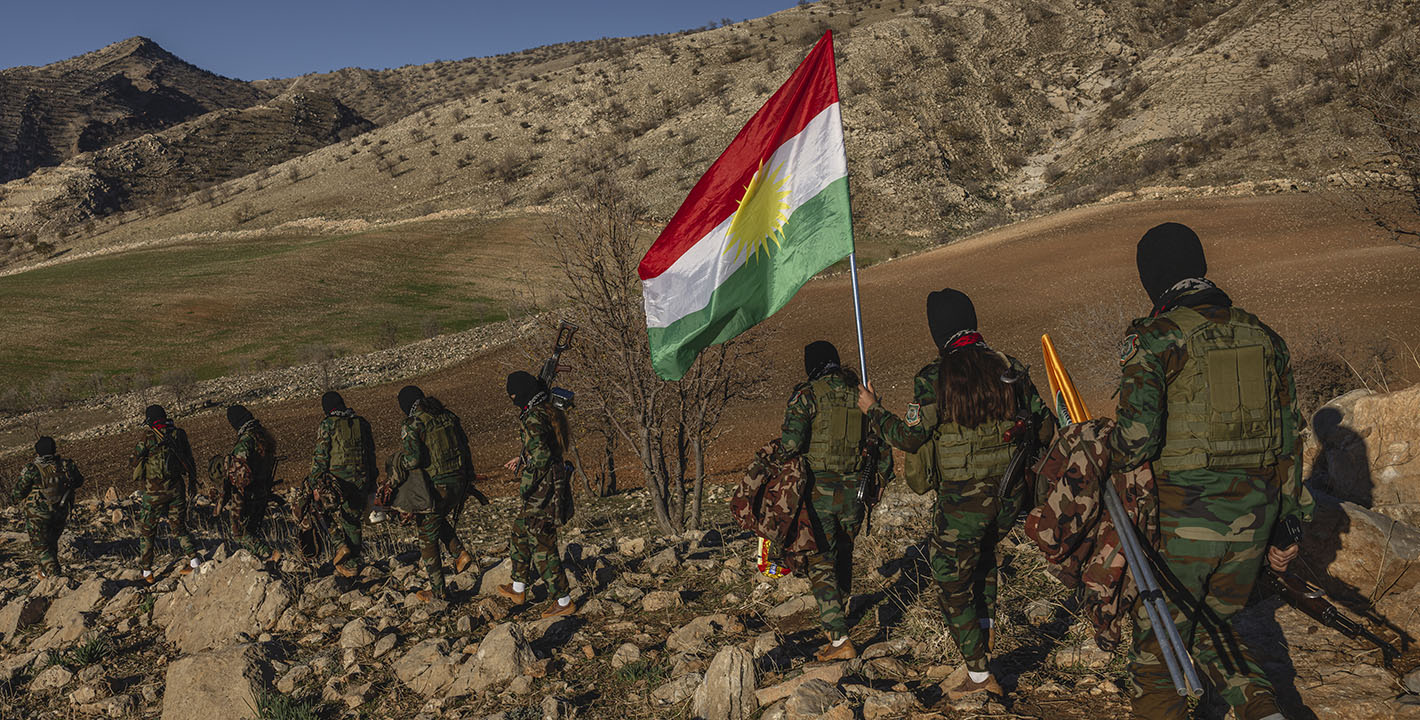
Following its deal with the United States, Iran may act against Iraq-based dissidents.
Wladimir van Wilgenburg
There is a disturbing structural parallel between the old global energy economy and the new green transition.

Angie Omar