

Commentary
A prerequisite of serious talks is that the country’s leadership consolidates majority national support for such a process.
Michael Young
{
  "authors": [
    "Ashley J. Tellis",
    "Robert D. Blackwill"
  ],
  "type": "legacyinthemedia",
  "centerAffiliationAll": "dc",
  "centers": [
    "Carnegie Endowment for International Peace"
  ],
  "collections": [],
  "englishNewsletterAll": "ctw",
  "nonEnglishNewsletterAll": "",
  "primaryCenter": "Carnegie Endowment for International Peace",
  "programAffiliation": "SAP",
  "programs": [
    "South Asia"
  ],
  "projects": [],
  "regions": [
    "North America",
    "United States",
    "East Asia",
    "China"
  ],
  "topics": [
    "Foreign Policy",
    "Global Governance"
  ]
}
Source: Getty
Is it time to think of China less as a trading partner and more as a threat?
Source: NPR’s Morning Edition
Two former U.S. diplomats argue it's time to think of China less as a trading partner and more as a threat. Ashley J. Tellis and Robert Blackwill argue that over the long term, China wants the United States out of Asia, seeing it as an obstacle to Chinese regional hegemony. Washington, therefore, must start preparing now to resist Chinese pressure. Such preparation entails increasing U.S. military capabilities, strengthening U.S. economic and military relationships with allies in the region, and other measures to bolster the permanence of American presence in the Asia-Pacific.
This broadcast originally appeared on NPR’s Morning Edition.
Former Senior Fellow
Ashley J. Tellis was a senior fellow at the Carnegie Endowment for International Peace.
Robert D. Blackwill
Robert D. Blackwill is Henry A. Kissinger Senior Fellow for U.S. Foreign Policy at the Council on Foreign Relations. He was U.S. Ambassador to India from 2001 to 2003 and Deputy National Security Adviser to U.S. President George W. Bush from 2003 to 2004.
Carnegie does not take institutional positions on public policy issues; the views represented herein are those of the author(s) and do not necessarily reflect the views of Carnegie, its staff, or its trustees.
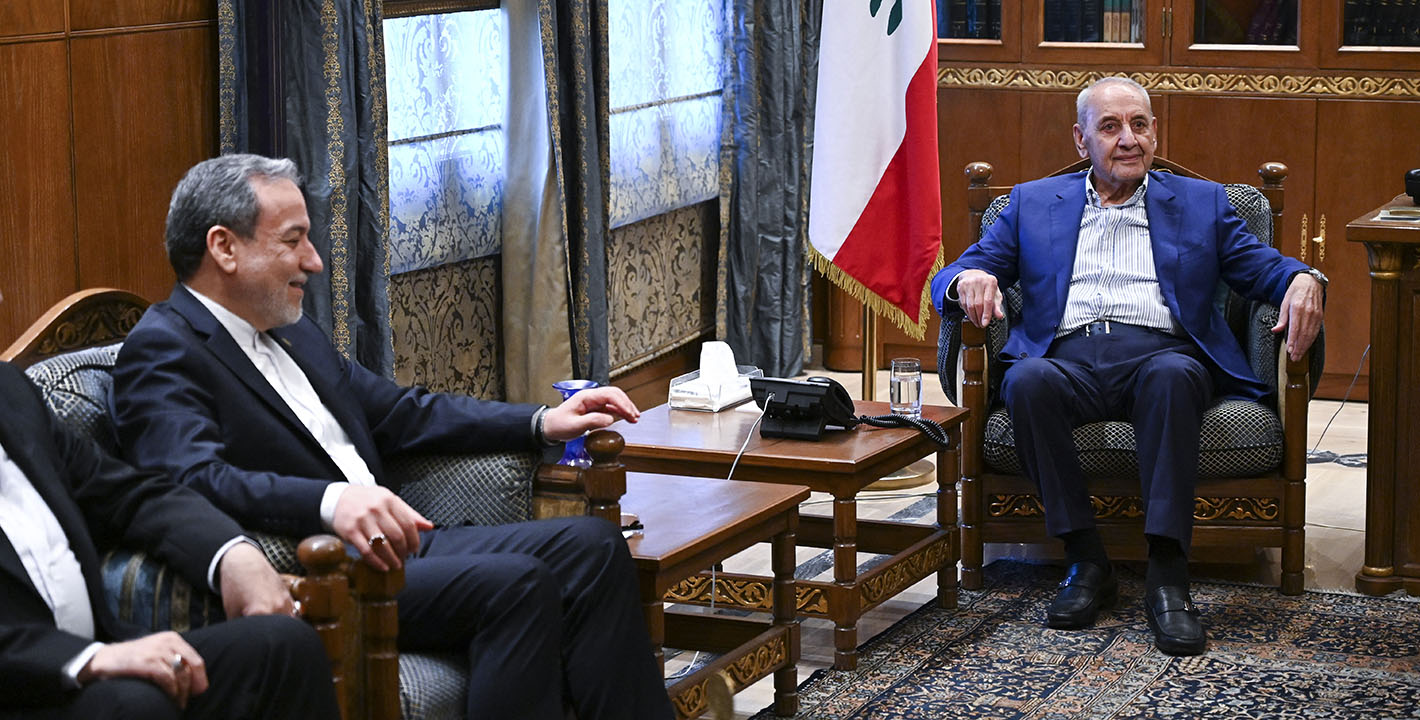
A prerequisite of serious talks is that the country’s leadership consolidates majority national support for such a process.

Michael Young
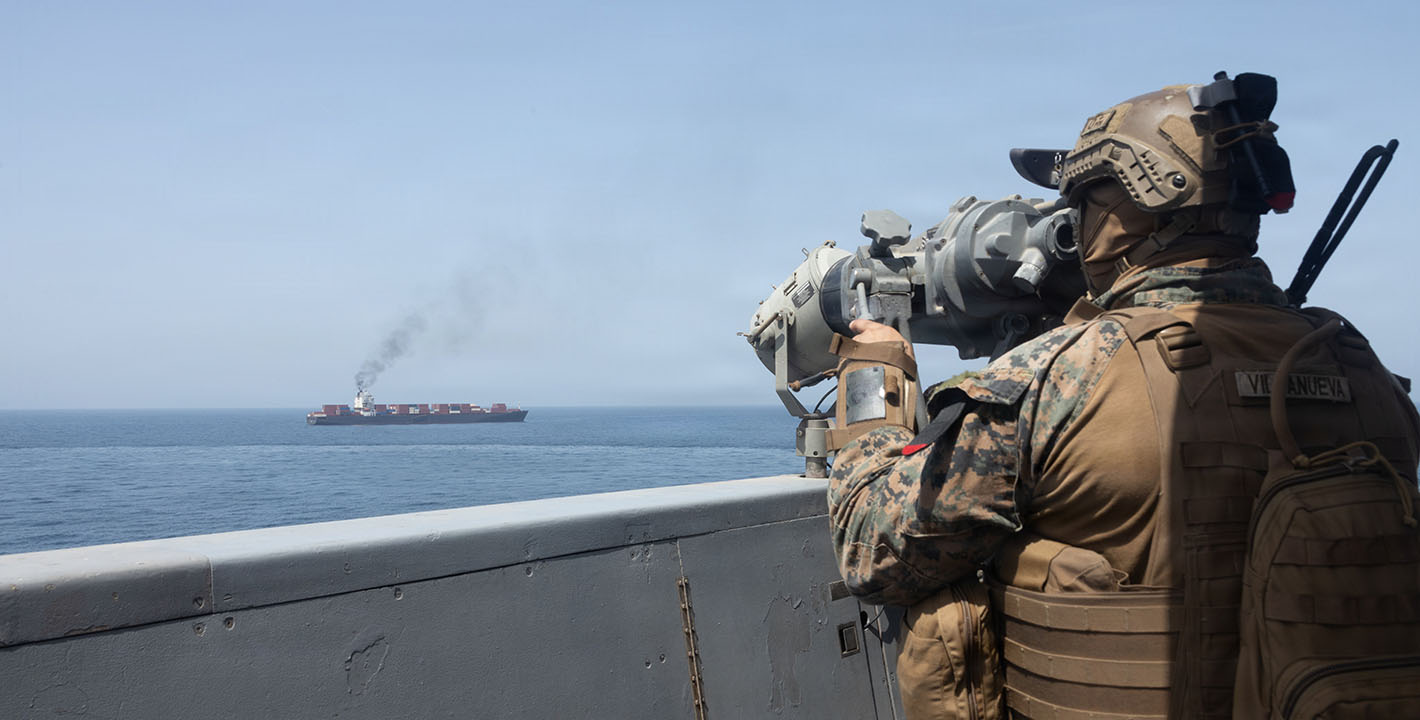
In an interview, Jim Lamson discusses the ongoing regional conflict and sees an unclear picture when it comes to winners and losers.
Michael Young

Unless Beirut lowers expectations, any setbacks will end up bolstering Hezbollah’s narrative.

Mohanad Hage Ali
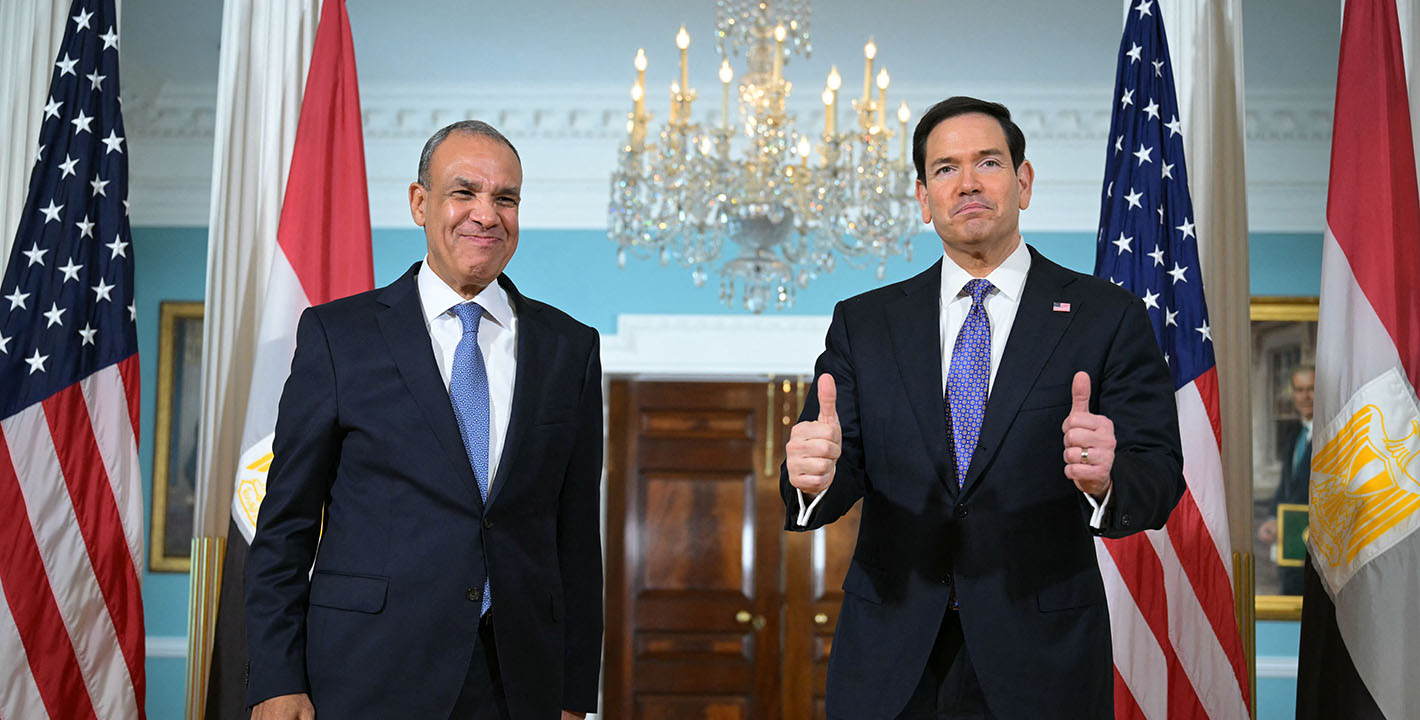
Cairo’s efforts send a message to the United States and the region that it still has a place at the diplomatic table.

Angie Omar
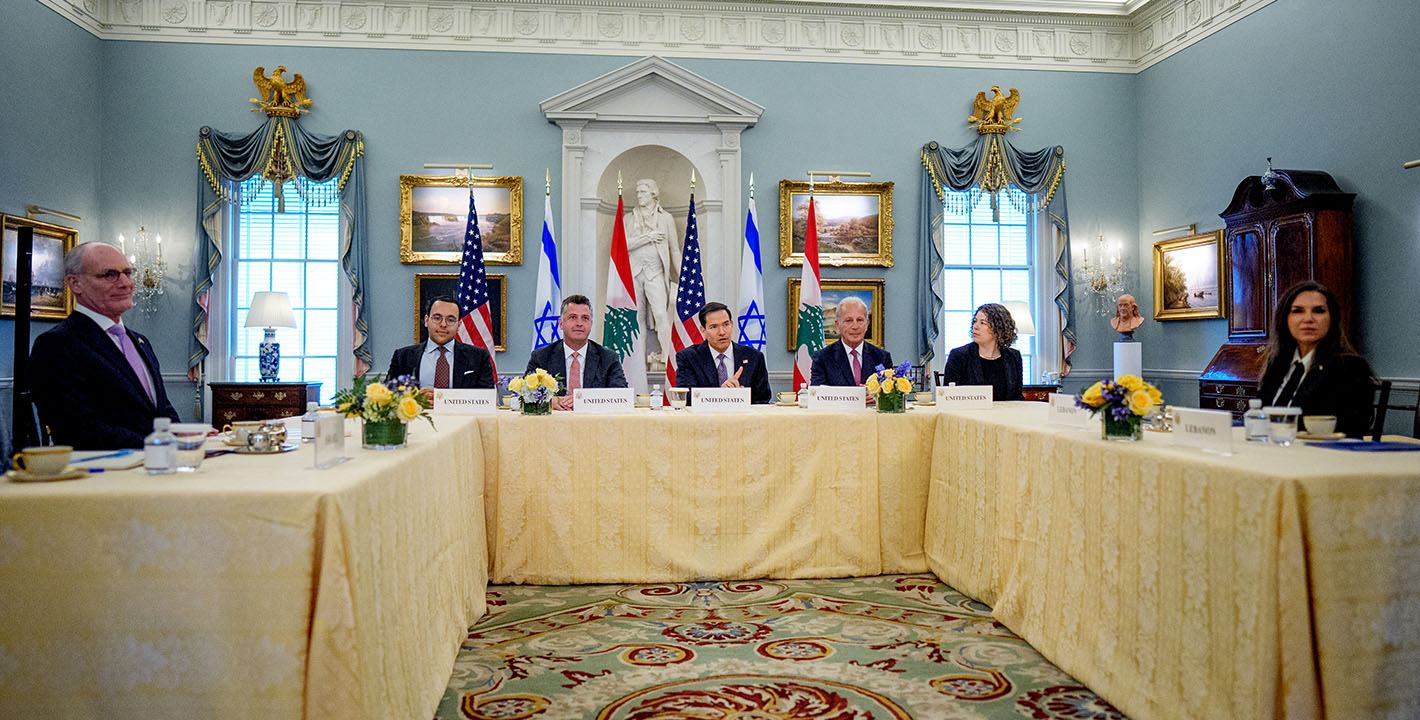
Beirut’s desire to break free from Iranian hegemony may push it into a situation where it has to accept Israel’s hegemony.
Michael Young