

Paper
Christopher S. Chivvis, Rohan Mukherjee, Milan Vaishnav
{
  "authors": [
    "Milan Vaishnav"
  ],
  "type": "other",
  "centerAffiliationAll": "dc",
  "centers": [
    "Carnegie Endowment for International Peace"
  ],
  "collections": [],
  "englishNewsletterAll": "ctw",
  "nonEnglishNewsletterAll": "",
  "primaryCenter": "Carnegie Endowment for International Peace",
  "programAffiliation": "SAP",
  "programs": [
    "South Asia"
  ],
  "projects": [],
  "regions": [
    "South Asia",
    "India"
  ],
  "topics": [
    "Political Reform",
    "Civil Society"
  ]
}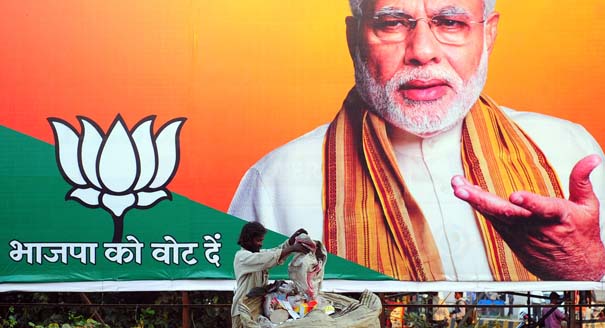
Source: Getty
There are three clear lessons that can be drawn from India’s 2014 election.
Source: IDFC
Milan Vaishnav spoke about the 2014 Indian elections at the IDFC Institute in New Delhi. The talk brings together a few of Dr. Vaishnav's current research projects to address whether the recent election was truly a "game changer." He began by laying out the facts of the election, including that it was the largest election in human history and that it is the first time a party other than the Indian National Congress has won such a resounding mandate in India. He noted, optimistically, that while the election was polarized along religious lines, Narendra Modi won in large part due to his successful record as Chief Minister of Gujarat, suggesting that the Indian electorate is rewarding competent governance in a way it has not in the past. In other areas, though, such as the presence of political dynasties in the legislature and the electoral success of criminals, this election was an example of continuity rather than change.Vaishnav pointed to three key takeaways from this election. First, the BJP has supplanted the Congress as the dominant pole around which Indian politics revolves. Second, though identity politics are still important, they are not sufficient to win; politicians must combine identity-based appeals with strong records on economic and governance issues if they are to succeed. Third, though voters may be shifting their preferences and regional parties are proliferating, the nature of the candidates themselves has not changed much.

Director and Senior Fellow, South Asia Program
Milan Vaishnav is a senior fellow and director of the South Asia Program and the host of the Grand Tamasha podcast at the Carnegie Endowment for International Peace. His primary research focus is the political economy of India, and he examines issues such as corruption and governance, state capacity, federalism, and electoral behavior. He also conducts research on the Indian diaspora.
Recent Work
Christopher S. Chivvis, Rohan Mukherjee, Milan Vaishnav


Sophia Besch, Eric Ciaramella, Steve Feldstein, …
Carnegie does not take institutional positions on public policy issues; the views represented herein are those of the author(s) and do not necessarily reflect the views of Carnegie, its staff, or its trustees.
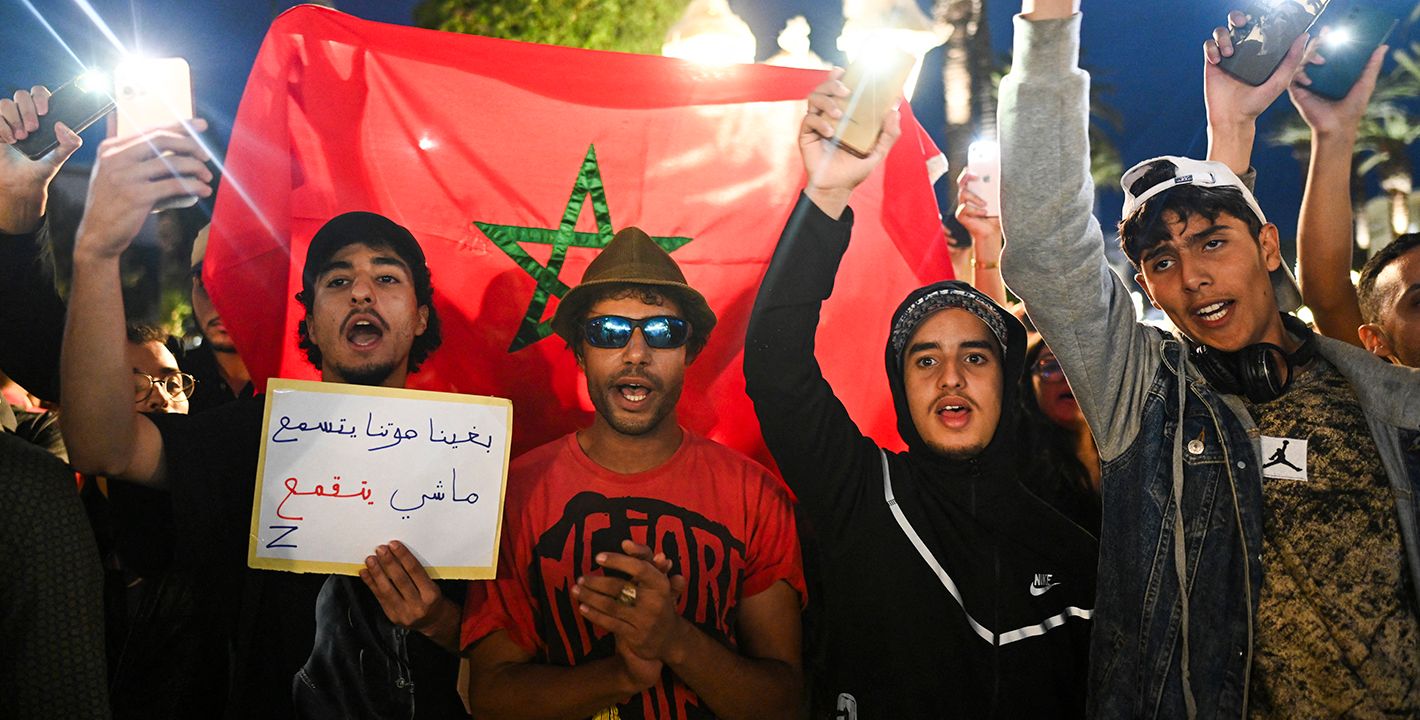
The country’s youthful protest movement is seeking economic improvement, social justice, and just a little hope.

Yasmine Zarhloule
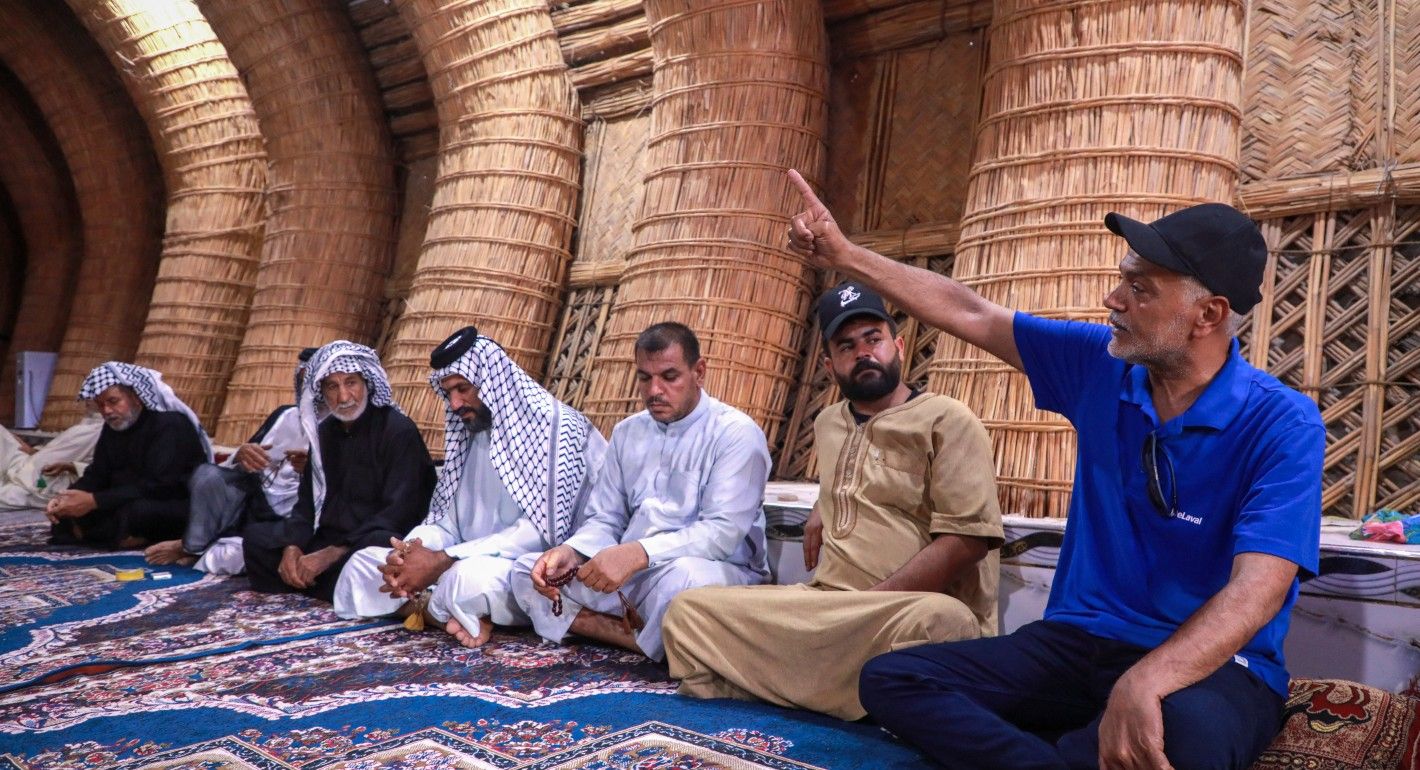
In fragmented political contexts, climate activism is a way to contest both ecological harm and the structures of violence and neglect that allow it to persist.


Issam Kayssi, Mohanad Hage Ali
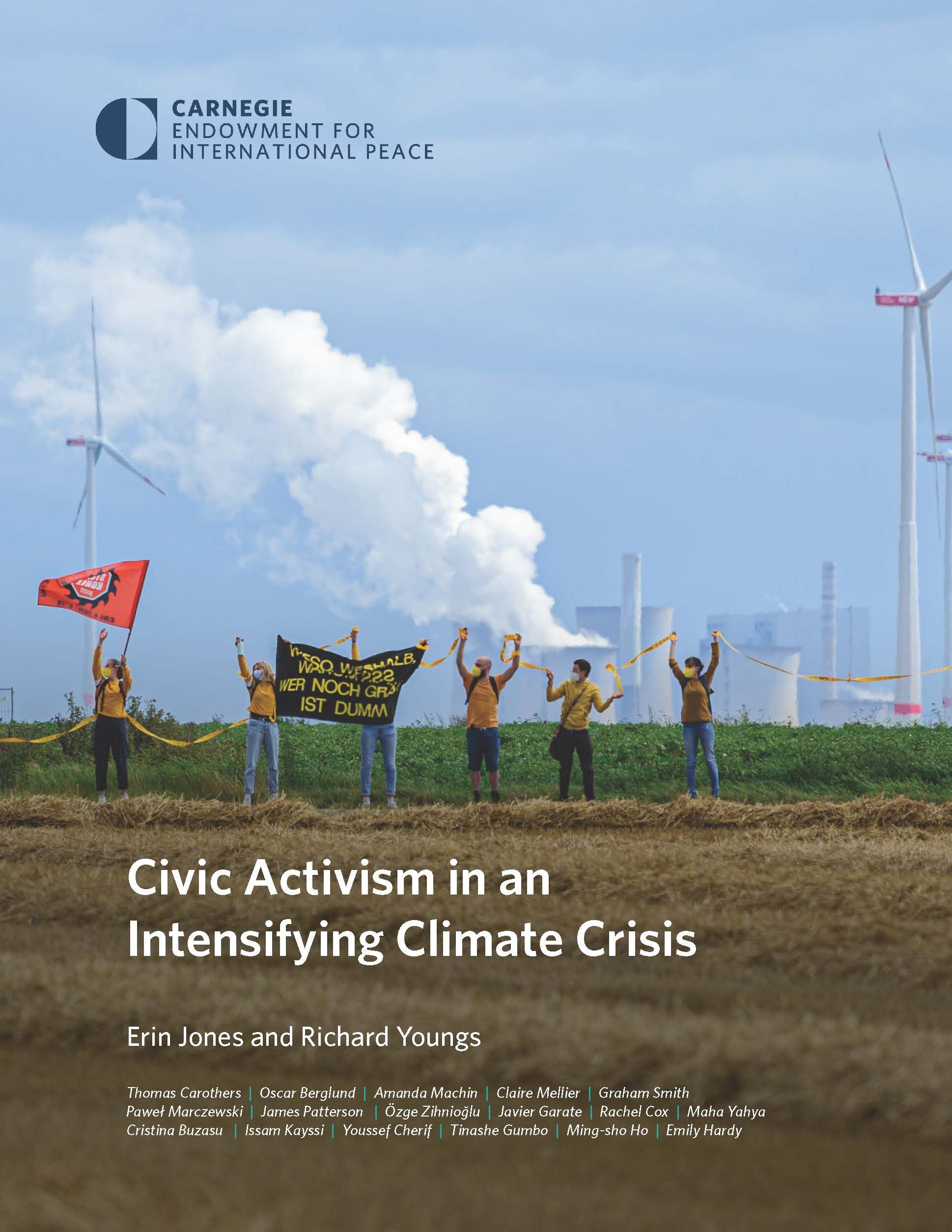
To address the deepening climate crisis, climate activism is employing a wider variety of tactics and aiming at a broader set of goals. In response, the movement faces stronger repression and civic backlash against climate action.

Erin Jones, Richard Youngs
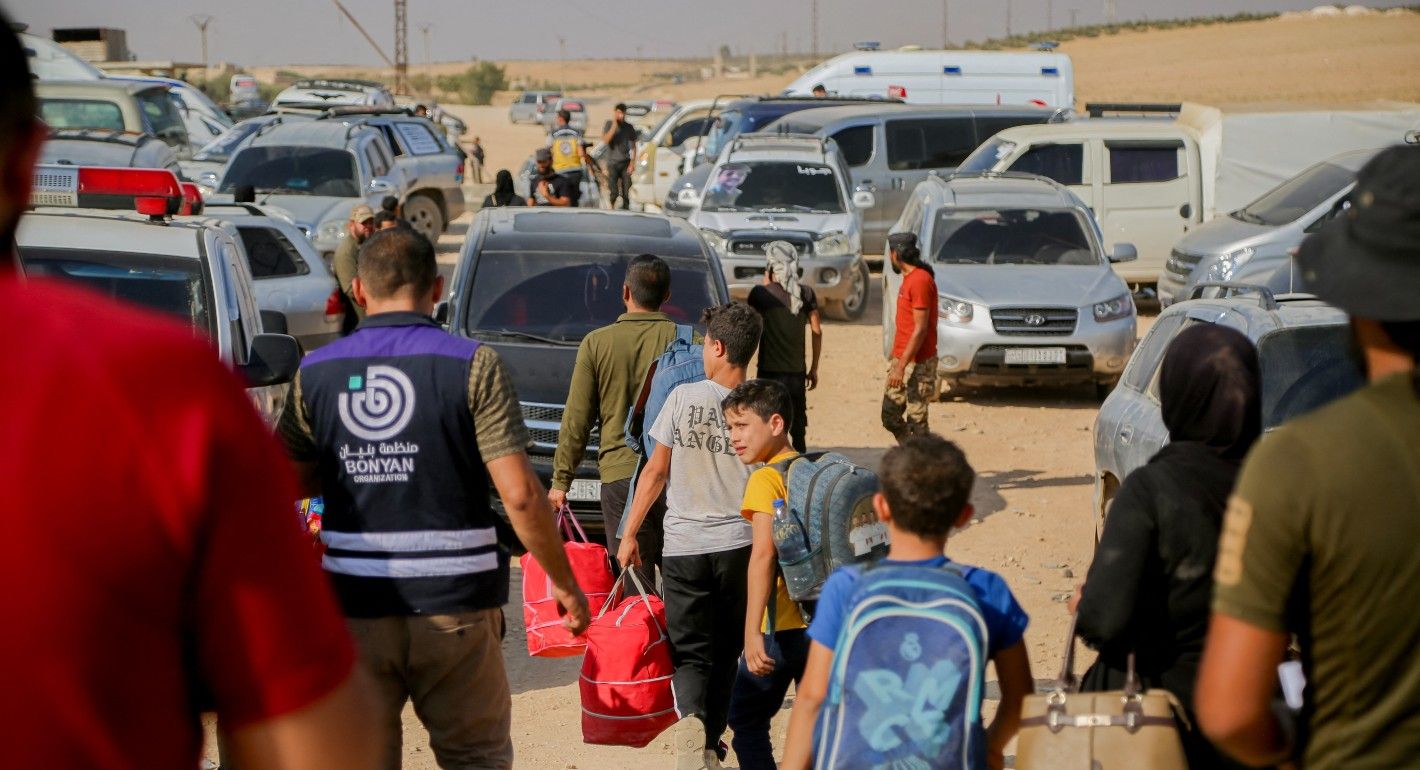
A humanitarian crisis in Lebanon deepens, and Syrian refugees face a perilous choice: remain in a war-torn environment or return to Syria where they risk encountering significant dangers and discrimination. There are significant challenges and risks to their search for safety in Syria.
Haid Haid
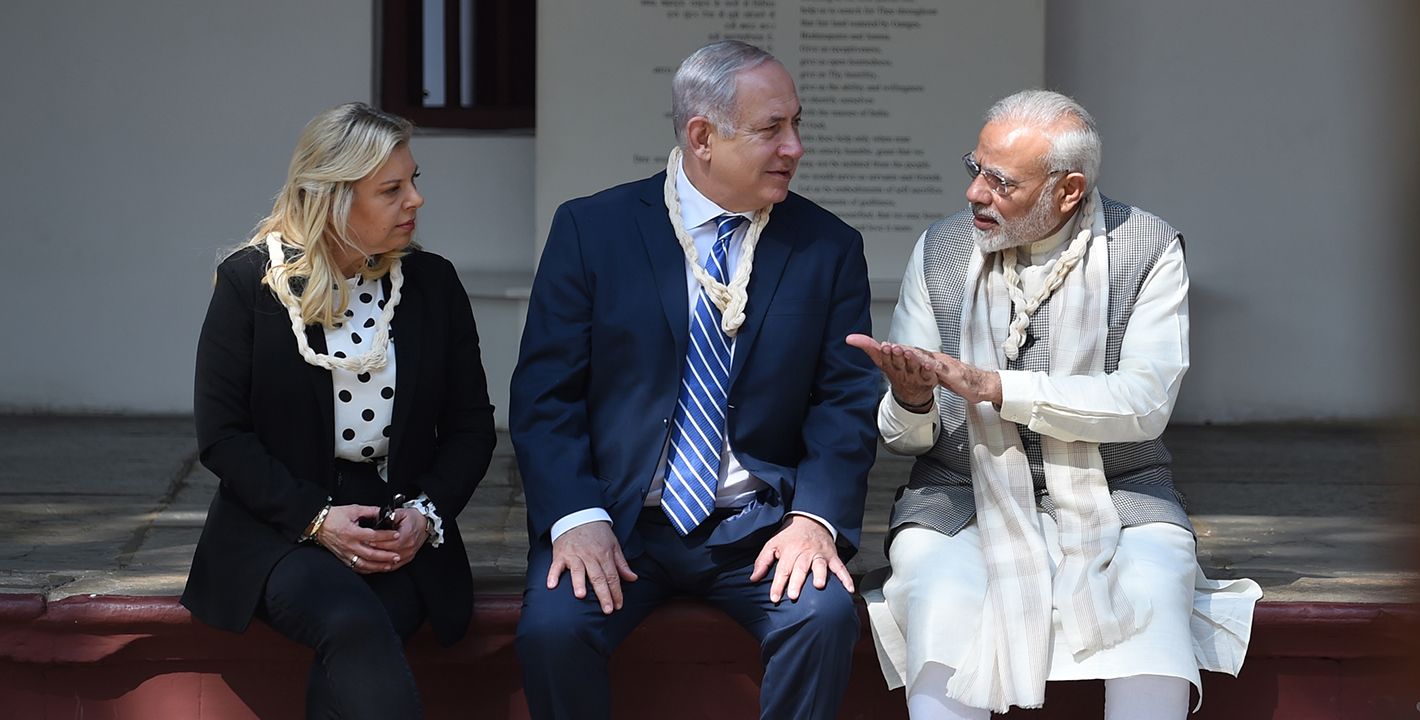
In an interview, Abhinav Pandya discusses the multiple facets of India’s ties with the Middle East.

Armenak Tokmajyan