

Article
Marc Pierini
{
  "authors": [
    "Marc Pierini"
  ],
  "type": "legacyinthemedia",
  "centerAffiliationAll": "dc",
  "centers": [
    "Carnegie Endowment for International Peace",
    "Carnegie Europe",
    "Malcolm H. Kerr Carnegie Middle East Center"
  ],
  "collections": [
    "Turkey’s Transformation"
  ],
  "englishNewsletterAll": "ctw",
  "nonEnglishNewsletterAll": "",
  "primaryCenter": "Carnegie Europe",
  "programAffiliation": "EP",
  "programs": [
    "Europe"
  ],
  "projects": [],
  "regions": [
    "Europe",
    "Türkiye",
    "Iran"
  ],
  "topics": [
    "Political Reform"
  ]
}
Source: Getty
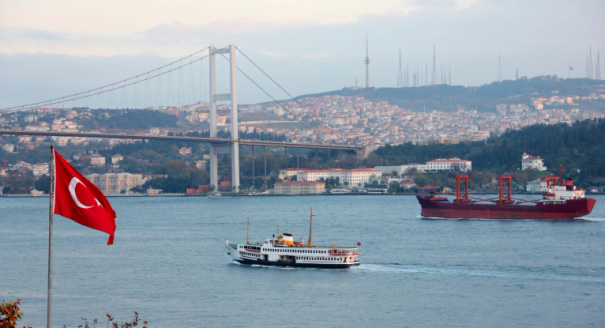
Will the pro-Kurdish Peoples’ Democratic Party (HDP) be able to secure the 10 percent threshold needed to enter the Turkish parliament?
Source: Australian Broadcasting Corporation
Speaking to the Australian Broadcasting Corporation’s Saturday Extra about Turkey’s June 7 election, Marc Pierini argues that the vote marks a pivotal moment in the country’s future.
As Turks prepare to vote in parliamentary elections, the big question is whether the pro-Kurdish Peoples’ Democratic Party (HDP) can secure 10 percent of the vote to enable it to counter moves to centralize power in the presidency.
This broadcast was originally aired on the Australian Broadcasting Corporation’s Saturday Extra.

Senior Fellow, Carnegie Europe
Marc Pierini is a senior fellow at Carnegie Europe, where his research focuses on developments in the Middle East and Turkey from a European perspective.
Recent Work
Marc Pierini
Marc Pierini
Carnegie does not take institutional positions on public policy issues; the views represented herein are those of the author(s) and do not necessarily reflect the views of Carnegie, its staff, or its trustees.

Middle Eastern states should welcome an accelerated U.S. disengagement from their region.

Michael Young

In an interview, former ambassador Charles Freeman assesses the Trump administration’s war against Iran.
Michael Young

Morocco and Algeria, each in its own way, are having to navigate the global economic fallout of the U.S.-Israeli military campaign against Iran.

Yasmine Zarhloule
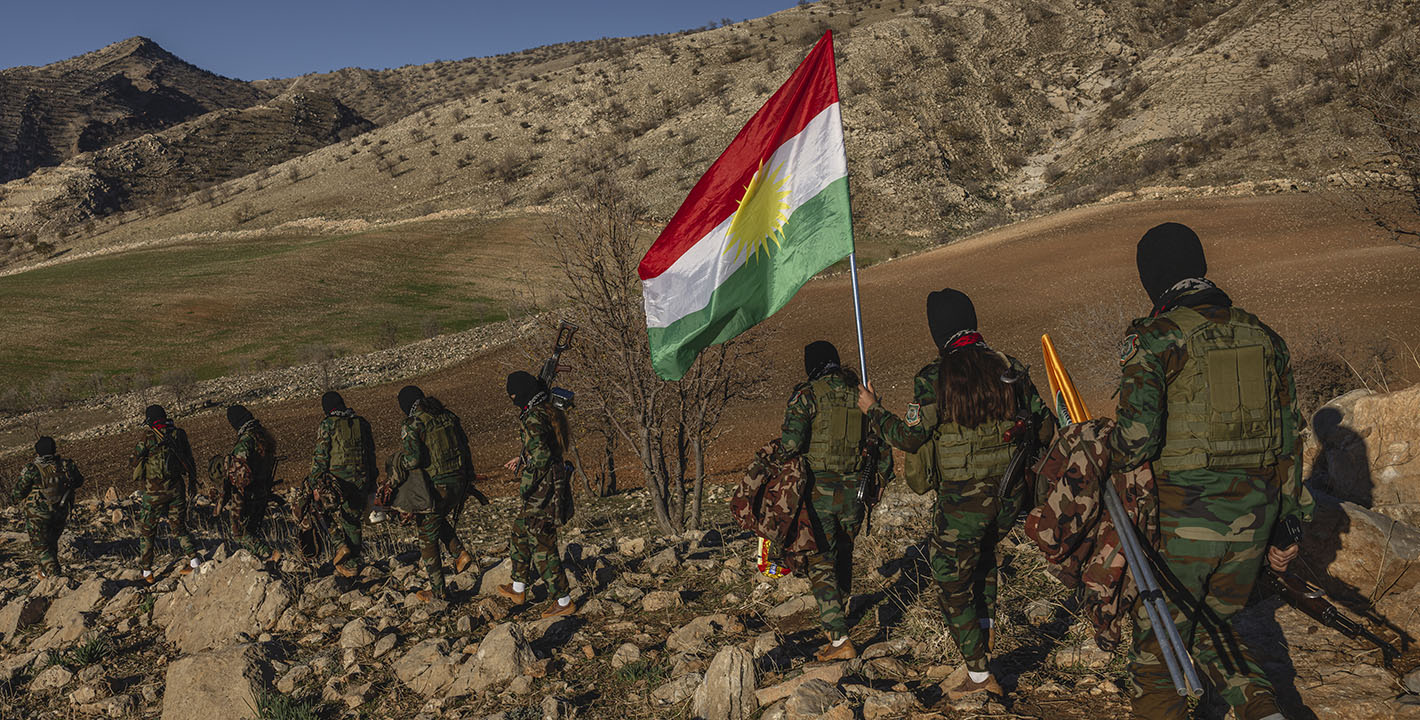
Following its deal with the United States, Iran may act against Iraq-based dissidents.
Wladimir van Wilgenburg
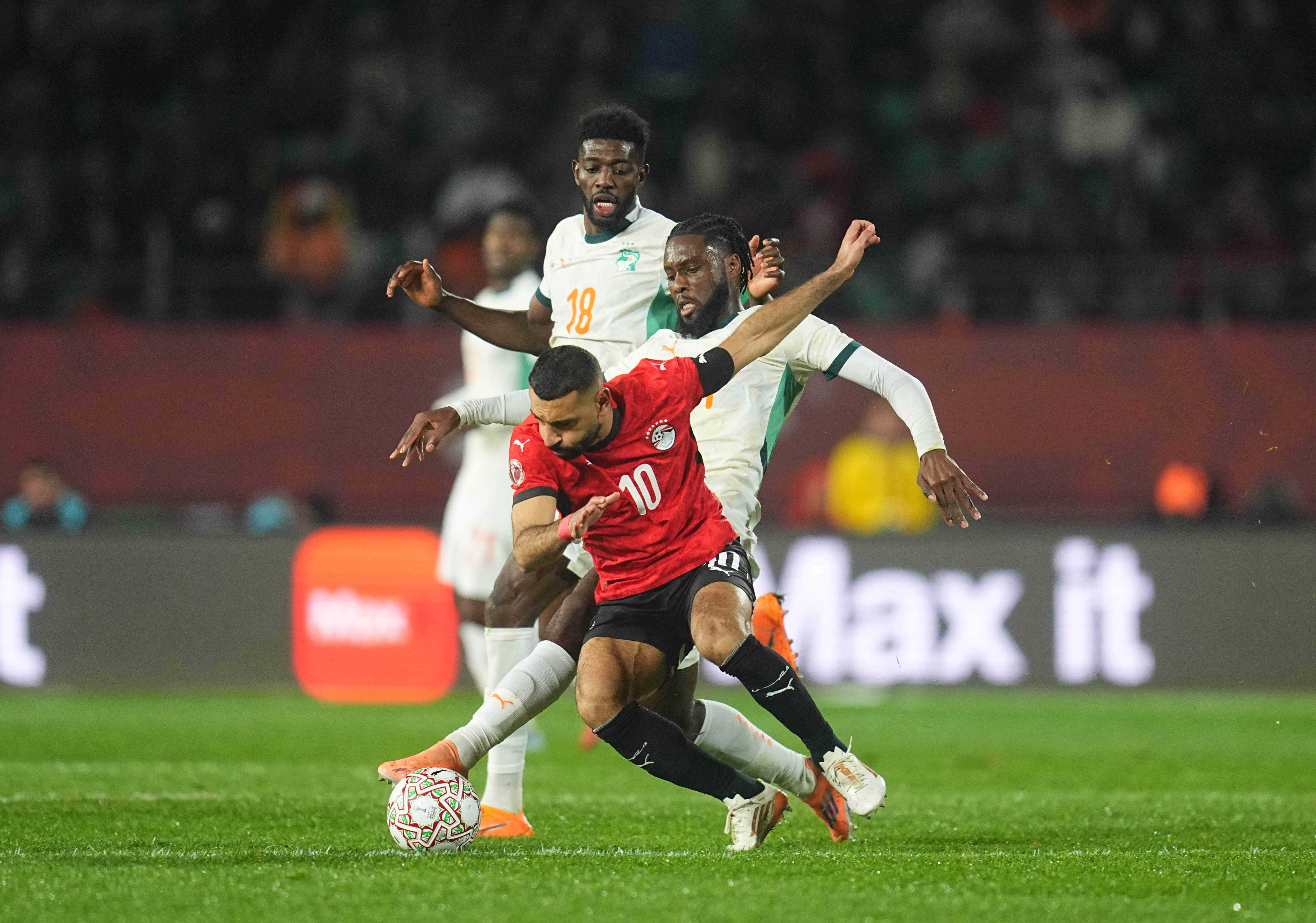
This will be the region’s most representative tournament, amid broad changes in its footballing landscape.

Issam Kayssi