

Article
Carole Nakhle
{
  "authors": [
    "Carole Nakhle"
  ],
  "type": "legacyinthemedia",
  "centerAffiliationAll": "",
  "centers": [
    "Carnegie Endowment for International Peace",
    "Malcolm H. Kerr Carnegie Middle East Center"
  ],
  "collections": [],
  "englishNewsletterAll": "",
  "nonEnglishNewsletterAll": "",
  "primaryCenter": "Malcolm H. Kerr Carnegie Middle East Center",
  "programAffiliation": "",
  "programs": [],
  "projects": [
    "Carnegie Oil Initiative"
  ],
  "regions": [],
  "topics": [
    "Economy",
    "Climate Change"
  ]
}
Source: Getty
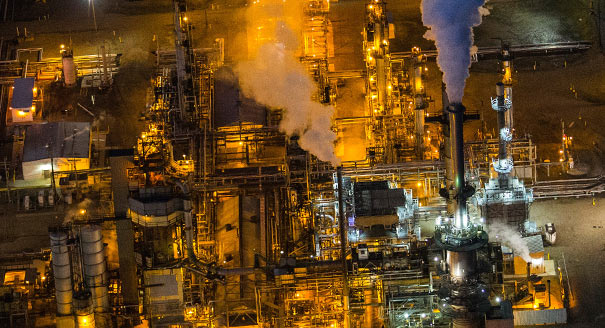
Lower oil prices can be an opportunity for oil companies, as it shifts the bargaining power in their favor at the negotiating table with host governments.
Source: Europe’s World
The fall in the oil price, from highs of more than $100 per barrel from 2011 to mid-2014, to $50-60 has been described as the most important economic development of 2014. Analysts have since been contemplating the impact of such a decline on world economies, oil consumers, producers and industry. The most obvious conclusion is that the global economy and oil-consuming nations are the winners, while both the oil-producing countries and companies are the losers. The reality, however, is not that straightforward, especially when it comes to the producing parties.
Not all oil producers are alike. A distinction should be made between the net exporters like Nigeria and the net importers like China. The Asian giant ranks fifth in terms of oil production after the U.S., Saudi Arabia, Russia and Canada, but its production satisfies only 37 percent of its domestic needs and it has to rely on imports to fill the gap.
The most obvious impact of lower oil prices on net exporters is the deterioration in external accounts. The effect varies with each economy’s level of dependence on the oil sector—the higher that dependence is, the more painful the outcome will be. In a high-dependence case, losses in export revenues will translate into shrinking fiscal revenues, because oil export earnings are captured almost entirely by governments, resulting in large budget deficits. A country like Iraq must be suffering deeply; the oil sector provides almost 65 percent of the country’s GDP and all its export revenues. In a sharp contrast, Norway, another important oil producer and exporter, is not at the mercy of movements in oil prices thanks to wise revenue management and economic diversification policies.If one adds the higher-valued U.S. Dollar (USD) to the current trend of lower oil prices, the picture becomes more drastic. Producers with fixed exchange rates, like Saudi Arabia whose currency appreciates together with the USD, will get less USD revenues because of lower oil prices—they have to convert them into less domestic currency when they plan their domestic expenditures. Others with flexible exchange rates, like Russia, can counterbalance the effect of lower oil prices on domestic expenditure—they get less USD revenues because of lower oil prices but can exchange them into more domestic currency because that currency depreciates against the USD. The former group is therefore likely to run a greater domestic deficit than the latter if they don’t modify their spending patterns.
Some countries can manage their wealth better than the others, at least in the short to medium term. Most of the Gulf countries, such as Kuwait and the United Arab Emirates for instance, have accumulated financial reserves through sovereign wealth funds, or simply have foreign account reserves at the Central Bank, like Saudi Arabia. These countries have financial buffers to sustain their economies; they also have good credit ratings to raise more money. This pattern, however, is not sustainable in the long term, especially if combined with limited economic diversification and generous subsidies.
The most visible impact of a decline in the oil price on the industry is shrinking profitability, which in turn translates into lower spending; low-yielding petroleum projects have been shelved, others deferred, while thousands of jobs have been lost.
Lower oil prices, however, can be an opportunity for the oil companies, as it shifts the bargaining power in their favour at the negotiating table with host governments. Experience shows that periods of high oil prices have typically attracted higher taxes, contract renegotiations, tougher regulations and, in extreme cases, expropriation and nationalisation because host governments demand a bigger share of the additional returns. Venezuela best illustrates that trend.
Today’s lower oil prices have pushed some governments to go in the opposite direction. This is most notable in countries which have been struggling to increase production and attract investment. The fall in the oil price has exacerbated an already dire situation and has therefore prompted anxious governments to implement drastic measures to stop conditions from worsening further.
Hoping to rescue the economy by stimulating interest in new energy developments, the Algerian government revised its hydrocarbon law in 2013, providing tax incentives and relaxing some of the sector’s otherwise strict regulations. In the UK, where the North Sea has been hit hard by falling oil prices, the Chancellor of the Exchequer, George Osborne, announced in his March 2015 Budget a USD 1.9 billion support package to the industry, including a reduction in the tax burden and the provision of additional support for exploration of the UK Continental Shelf (UKCS).
The fall in the price of oil may have caught many by surprise, but in reality it is not without precedent. Furthermore, there is now a consensus that the prevailing stability of the oil price at a record high of around $100 per barrel between 2011 and 2014 was simply abnormal for a global commodity; it was just a question of time before the oil market re-adjusted.
More importantly, since when is a $60 per barrel oil price low? The price was far lower for much of the 1990s and beginning of the 21st Century. If oil producing countries are struggling at today’s price, then there is a fundamental problem with the way they have been managing their wealth. Perhaps the reality of the current price will be a strong incentive for these countries to get their economies in order. Furthermore, when governments are forced to focus their attention on streamlining economic management, little space will be left for military adventures. Lower prices will put a premium on cooperation. Iran is one example.

Former Nonresident Scholar, Middle East Center
Nakhle was a nonresident scholar at Carnegie Middle East Center, specializing in international petroleum contracts and fiscal regimes for the oil and gas industry, world oil and gas market developments, energy policy, and oil and gas revenue management.
Recent Work
Carole Nakhle
Carole Nakhle
Carnegie does not take institutional positions on public policy issues; the views represented herein are those of the author(s) and do not necessarily reflect the views of Carnegie, its staff, or its trustees.

The armed forces champion a form of capitalism that is generating revenue, but its reliance on rent faces diminishing returns, leaving the country with massive sunk costs and deferred returns, deepening dependency on external borrowing.

Yezid Sayigh
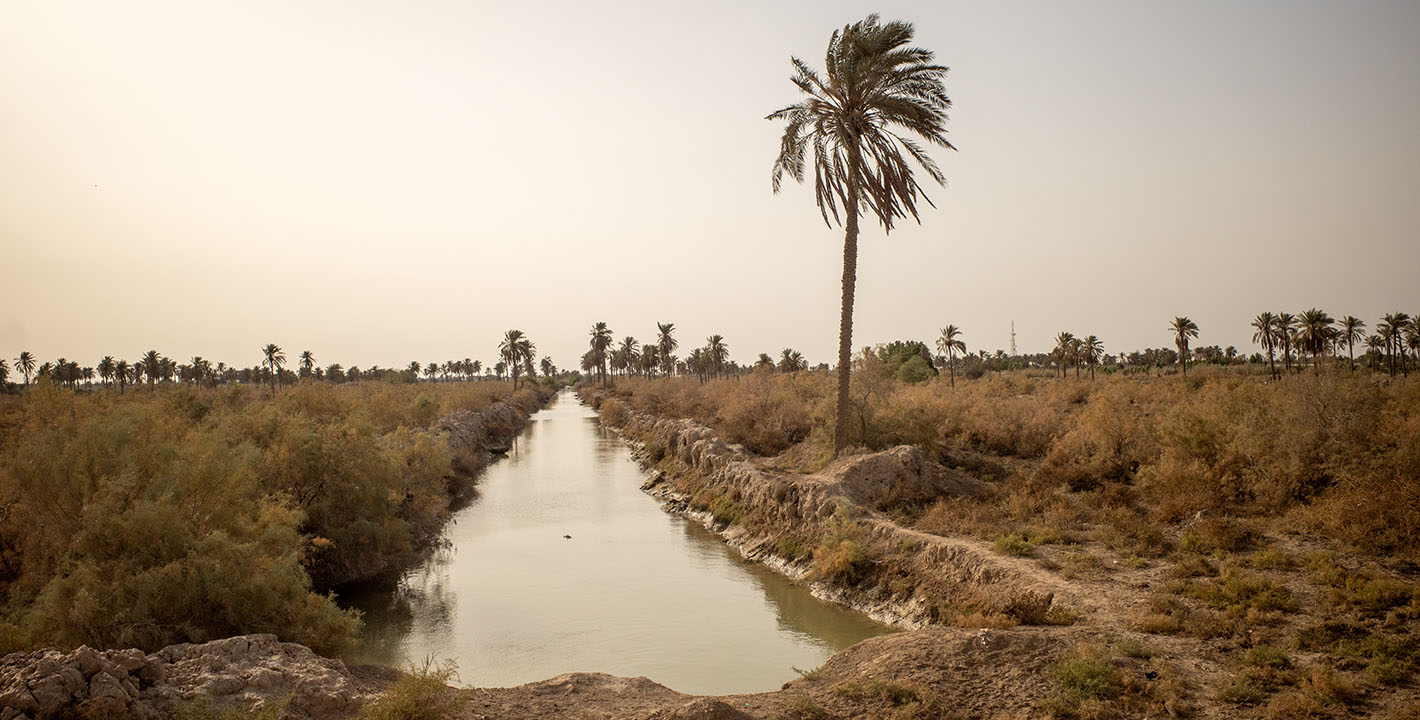
Across the Middle East and North Africa, climate stress interacts with economic fragility, governance failures, social marginalization, and conflict.

Camille Ammoun
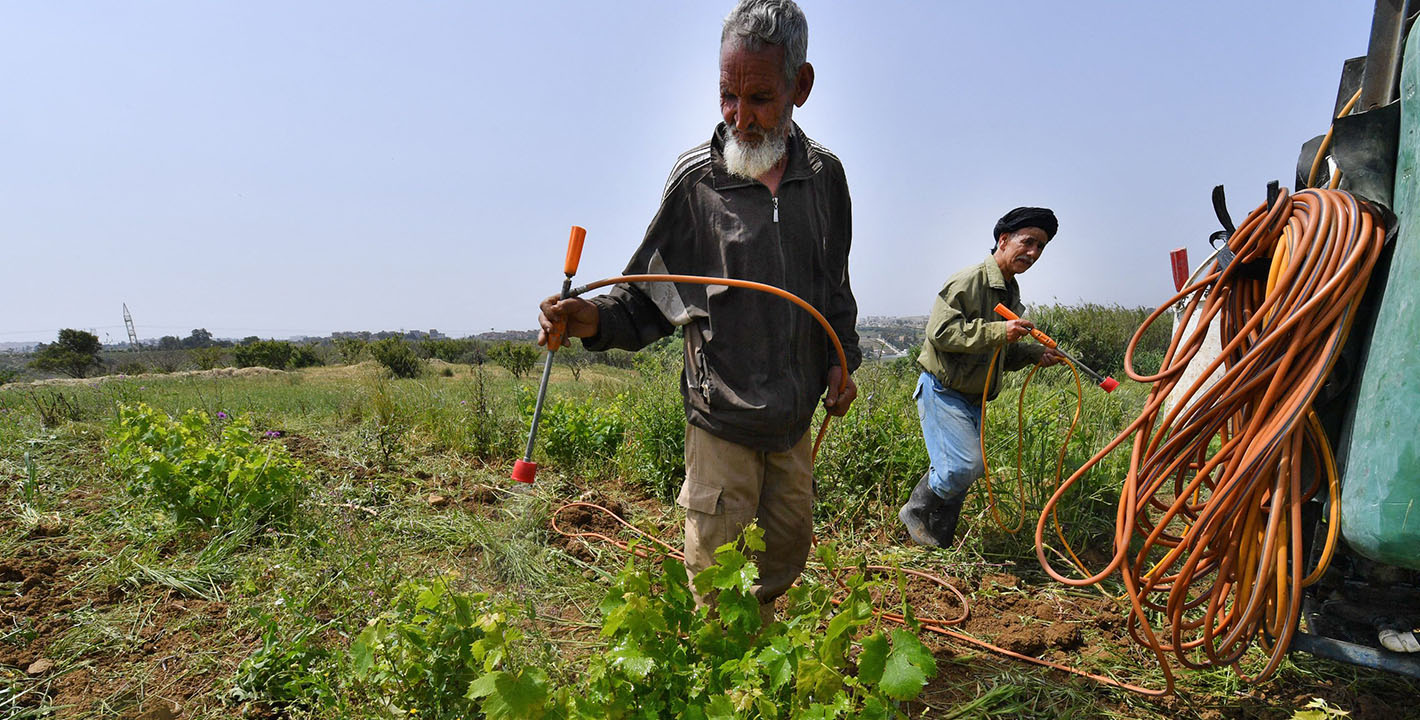
Understanding how farmers in the Oued Sahel-Soummam Valley grapple with climate change is essential for addressing the paradoxes through which adaptation, operating at both individual and institutional levels, deepens the region’s vulnerability and erodes the social fabric and agrarian identity that once defined life.

Ilyssa Yahmi
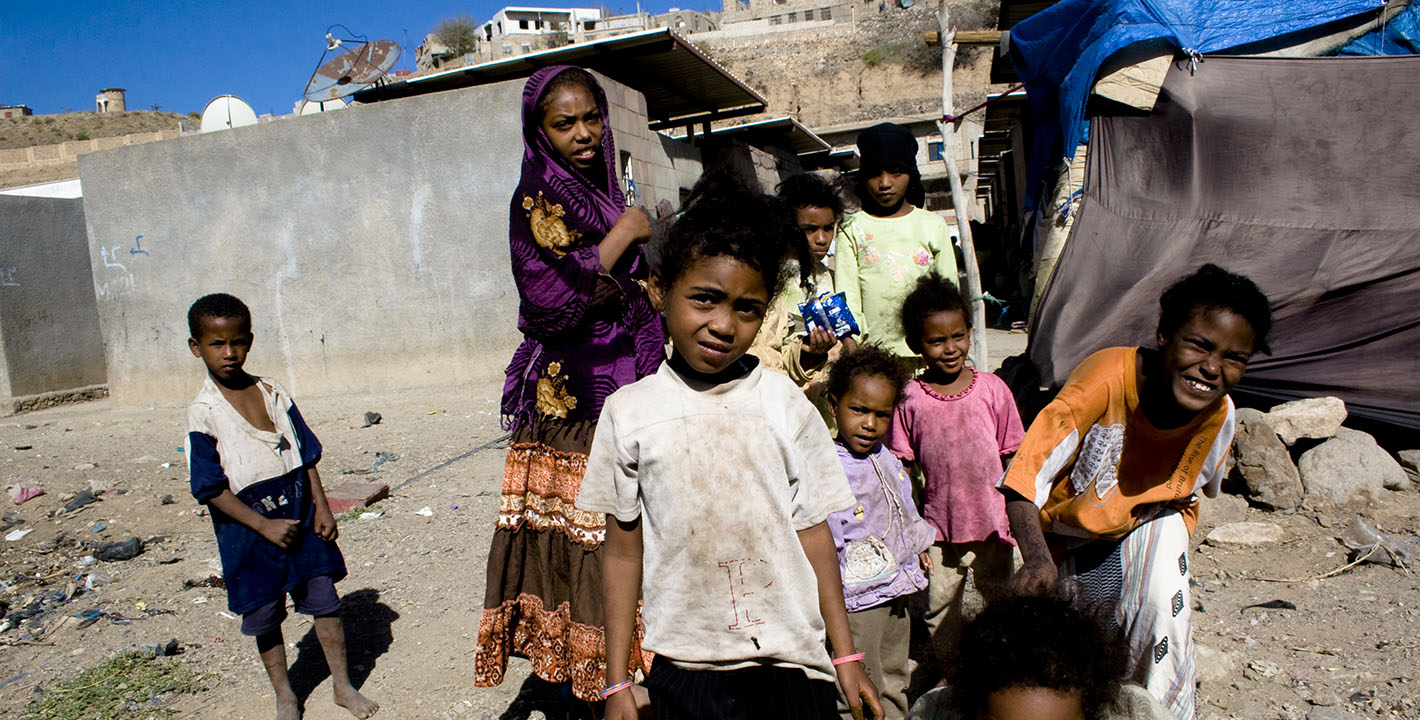
The community already suffers social discrimination, so addressing inequalities requires sustained interventions.
Musaed Aklan , Mohammad Al-Saidi
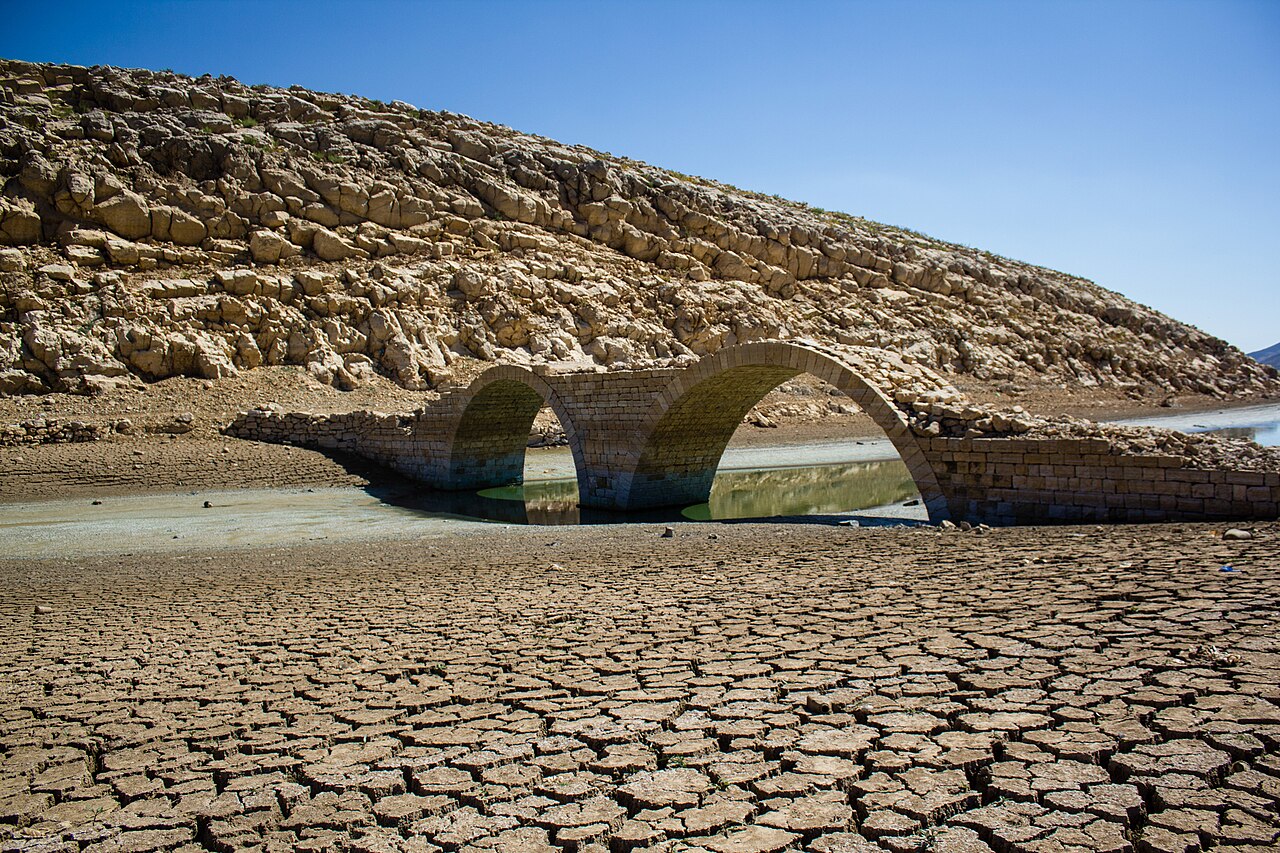
Lebanon’s largest water reservoir is a house of many mansions when it comes to converging failures.
Camille Ammoun