

Paper
James M. Acton, Ankit Panda
{
  "authors": [
    "James M. Acton"
  ],
  "type": "legacyinthemedia",
  "centerAffiliationAll": "dc",
  "centers": [
    "Carnegie Endowment for International Peace"
  ],
  "collections": [],
  "englishNewsletterAll": "ctw",
  "nonEnglishNewsletterAll": "",
  "primaryCenter": "Carnegie Endowment for International Peace",
  "programAffiliation": "NPP",
  "programs": [
    "Nuclear Policy"
  ],
  "projects": [],
  "regions": [
    "Central Asia",
    "Kazakhstan"
  ],
  "topics": [
    "Nuclear Policy",
    "Nuclear Energy"
  ]
}
Source: Getty
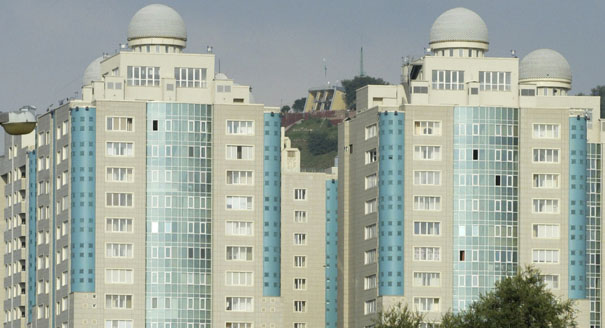
The International Atomic Energy Agency has signed a deal with Kazakhstan, a former member of the Soviet Union. It will open the first internationally-run bank for low-enriched uranium, the fuel for nuclear power plants.
Source: KCRW’s To the Point
The International Atomic Energy Agency has signed a deal with Kazakhstan, a former member of the Soviet Union. It will open the first internationally-run bank for low-enriched uranium, the fuel for nuclear power plants. Carnegie's James Acton talked to KCRW about the deal.
Acton said that the international market for buying enrichment services is dominated by one Russian company and one European consortium that have been in the business for a very long time and the barriers of entry are now relatively high for newcomers.
Acton also explained the details of the deal between Kazakhstan and the IAEA, emphasizing that the IAEA will buy the low-enriched uranium, put out a tender, and then accept the cheapest bid from the international market.

Jessica T. Mathews Chair, Co-director, Nuclear Policy Program
Acton holds the Jessica T. Mathews Chair and is co-director of the Nuclear Policy Program at the Carnegie Endowment for International Peace.
Recent Work
James M. Acton, Ankit Panda
James M. Acton
Carnegie does not take institutional positions on public policy issues; the views represented herein are those of the author(s) and do not necessarily reflect the views of Carnegie, its staff, or its trustees.
In an interview, Marc Lynch discusses his new book decrying the post-1990 U.S.-dominated order in the Middle East.

Michael Young
Beyond the tragedy of the Armenians, many countries in the region and internationally have a stake in what happens in the territory.

Marc Pierini
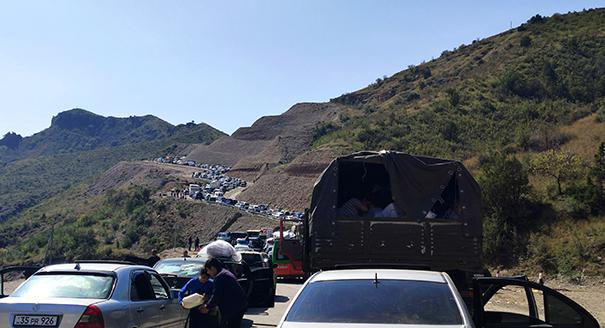
The situation in Nagorno-Karabakh has revived memories of exile and pain in the diaspora community of Lebanon.
Araz Bedross

The Azerbaijani assault in Nagorno-Karabakh in many ways reflects a ruthless strategy that was previously employed in Syria.

Armenak Tokmajyan
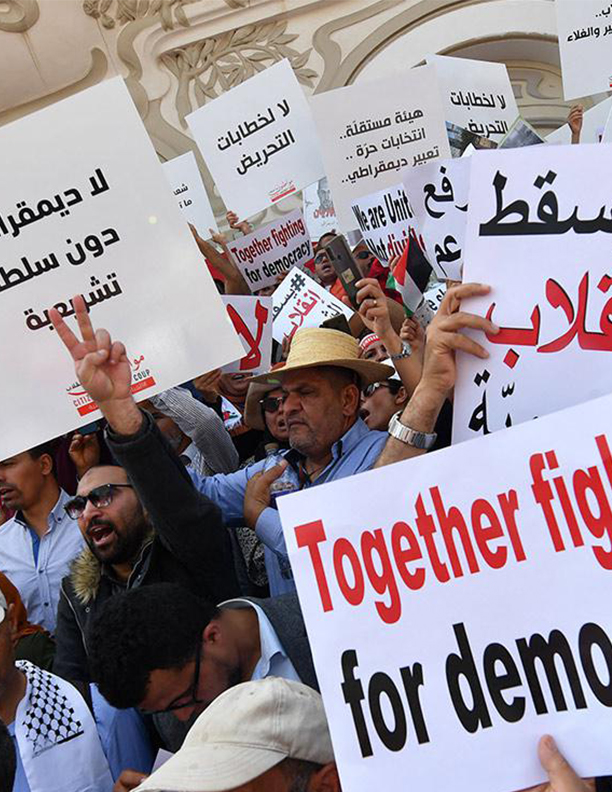
One year ago, Tunisian President Kais Saied’s self-coup put the country’s democratic transition in jeopardy. Carnegie experts examine the key aspects of Tunisia’s stalled transition through a comparative lens, both with other countries’ transitions and Tunisia’s own sectoral changes over time.



Sarah Yerkes, Jennifer McCoy, Paul Stronski, …