

Commentary
Judy Dempsey
{
  "authors": [
    "Judy Dempsey"
  ],
  "type": "legacyinthemedia",
  "centerAffiliationAll": "dc",
  "centers": [
    "Carnegie Endowment for International Peace",
    "Carnegie Europe"
  ],
  "collections": [],
  "englishNewsletterAll": "ctw",
  "nonEnglishNewsletterAll": "",
  "primaryCenter": "Carnegie Europe",
  "programAffiliation": "EP",
  "programs": [
    "Europe"
  ],
  "projects": [],
  "regions": [
    "Europe",
    "Western Europe",
    "Germany",
    "Iran"
  ],
  "topics": [
    "EU",
    "Migration"
  ]
}
Source: Getty
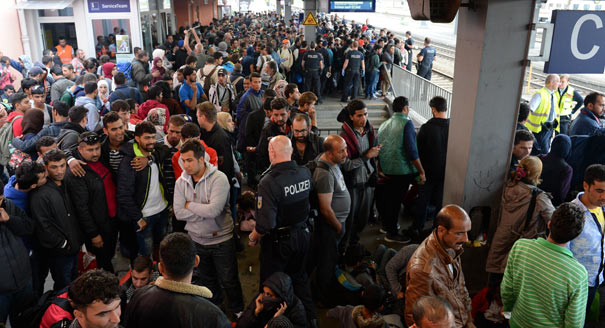
Populist parties across Europe have been quick to link the Paris terrorist attacks to the refugee crisis, which some U.S. presidential candidates have also exploited.
Source: CNN
Hours after the coordinated terrorist attacks in Paris on November 13, the blame game began. Populist, conservative and Eurosceptic parties and movements across Europe pointed fingers at the refugees. They argued that the uncontrolled influx of so many refugees fleeing the wars in Syria and Iraq creates opportunity for ISIS followers to enter Europe.
But refugees had nothing to do with the bombings in London or Madrid, Oslo or Brussels, Beirut and Ankara.

Nonresident Senior Fellow, Carnegie Europe
Judy Dempsey is a nonresident senior fellow at Carnegie Europe
Recent Work
Judy Dempsey
Judy Dempsey
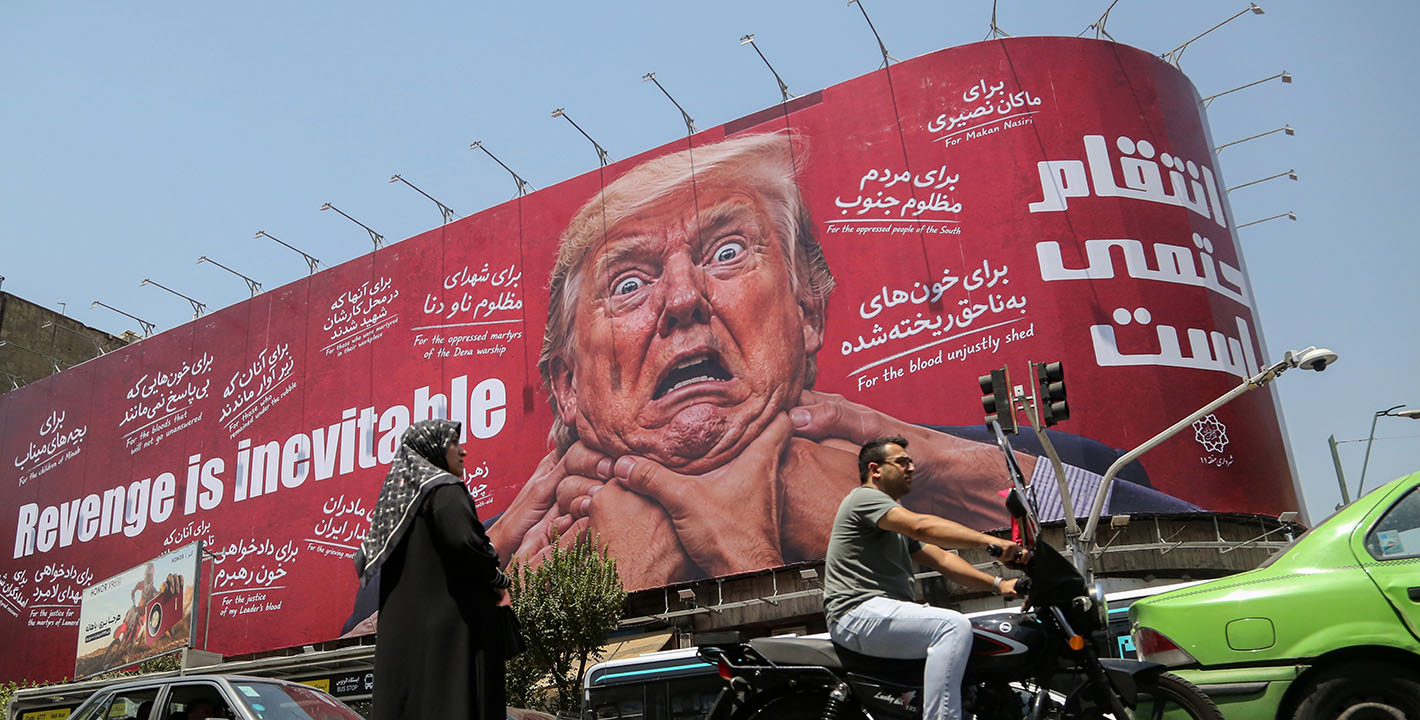
As the U.S. stumbles in its war with Iran, we are likely to see an acceleration of its disengagement from the region.
Michael Young

Middle Eastern states should welcome an accelerated U.S. disengagement from their region.
Michael Young
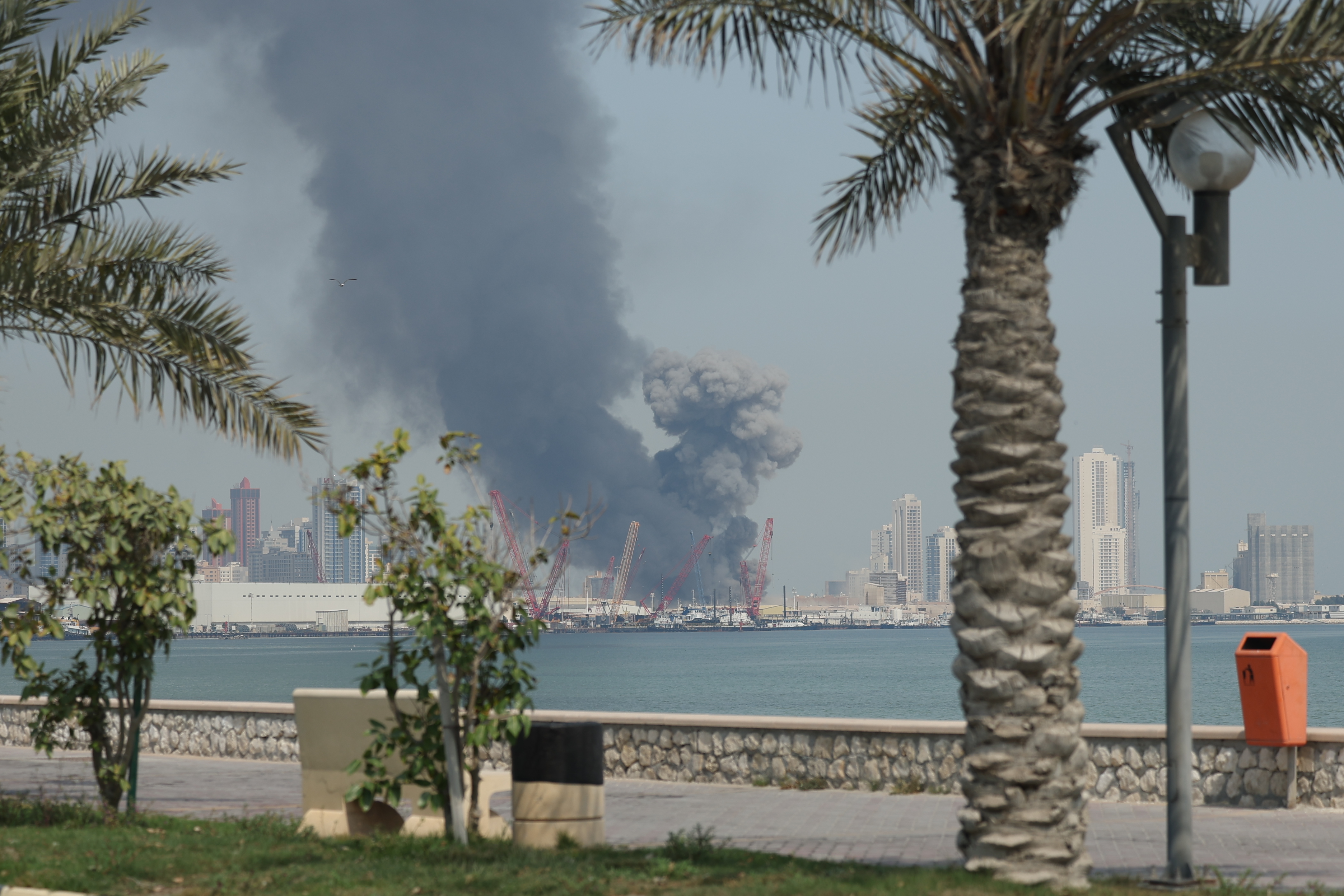
In an interview, former ambassador Charles Freeman assesses the Trump administration’s war against Iran.
Michael Young
Morocco and Algeria, each in its own way, are having to navigate the global economic fallout of the U.S.-Israeli military campaign against Iran.

Yasmine Zarhloule
Following its deal with the United States, Iran may act against Iraq-based dissidents.
Wladimir van Wilgenburg