

Paper
Renée DiResta, Rachel Kleinfeld, Margot Treadwell
{
  "authors": [
    "Rachel Kleinfeld"
  ],
  "type": "other",
  "centerAffiliationAll": "dc",
  "centers": [
    "Carnegie Endowment for International Peace"
  ],
  "collections": [
    "Anti-Corruption"
  ],
  "englishNewsletterAll": "democracy",
  "nonEnglishNewsletterAll": "",
  "primaryCenter": "Carnegie Endowment for International Peace",
  "programAffiliation": "DCG",
  "programs": [
    "Democracy, Conflict, and Governance"
  ],
  "projects": [],
  "regions": [],
  "topics": [
    "Political Reform",
    "Democracy"
  ]
}
Source: Getty
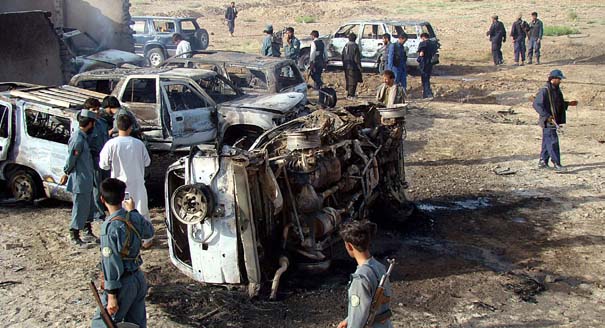
The world today seems engulfed in violence, from terror in the Middle East to near-daily mass shootings in America. In reality, most countries today are far safer than in the past.
Source: Center for Advanced Study in the Behavioral Sciences at Stanford University
The world today seems engulfed in violence, from ISIS-inspired terror in the Middle East, to near-daily mass shootings in America. In reality, most countries today are far safer than in the past. But some places are stuck in cycles of extreme, compounded violence, where terrorists, gangs, organized crime, regular crime, and state brutality create a pall of fear over daily life.
What makes some countries so violent? How have some countries managed to move from extremes of bloodshed to freedom from fear? What can the findings tell us about countries caught in the throes of violence today?
Over the past three years, 2015-16 CASBS fellow Rachel Kleinfeld conducted field research on every settled continent to answer those questions. In her CASBS symposium lecture, she discussed the themes and findings of her forthcoming book.
"As I traveled from the former Soviet Union to Colombia, West Africa to Sicily, patterns started to emerge in how countries got better," said Kleinfeld. "Bringing down violence turned out to be a spiral: Countries got better in some ways, but those very successes caused new problems. The path was not what I expected - and certainly not what I wanted to find. But it kept repeating. Clearly, there was a way out of violence, but it was hard and morally murky."
Kleinfeld’s findings provide a path for policymakers and people wishing to make change in their own countries that has worked in the past, and, she believes, could work again.
Senior Fellow, Democracy, Conflict, and Governance Program
Rachel Kleinfeld is a senior fellow in Carnegie’s Democracy, Conflict, and Governance Program, where she focuses on issues of rule of law, security, and governance in democracies experiencing polarization, violence, and other governance problems.
Recent Work
Renée DiResta, Rachel Kleinfeld, Margot Treadwell
Political Violence Researchers, Rachel Kleinfeld, ed., Dalya Berkowitz, ed.
Carnegie does not take institutional positions on public policy issues; the views represented herein are those of the author(s) and do not necessarily reflect the views of Carnegie, its staff, or its trustees.
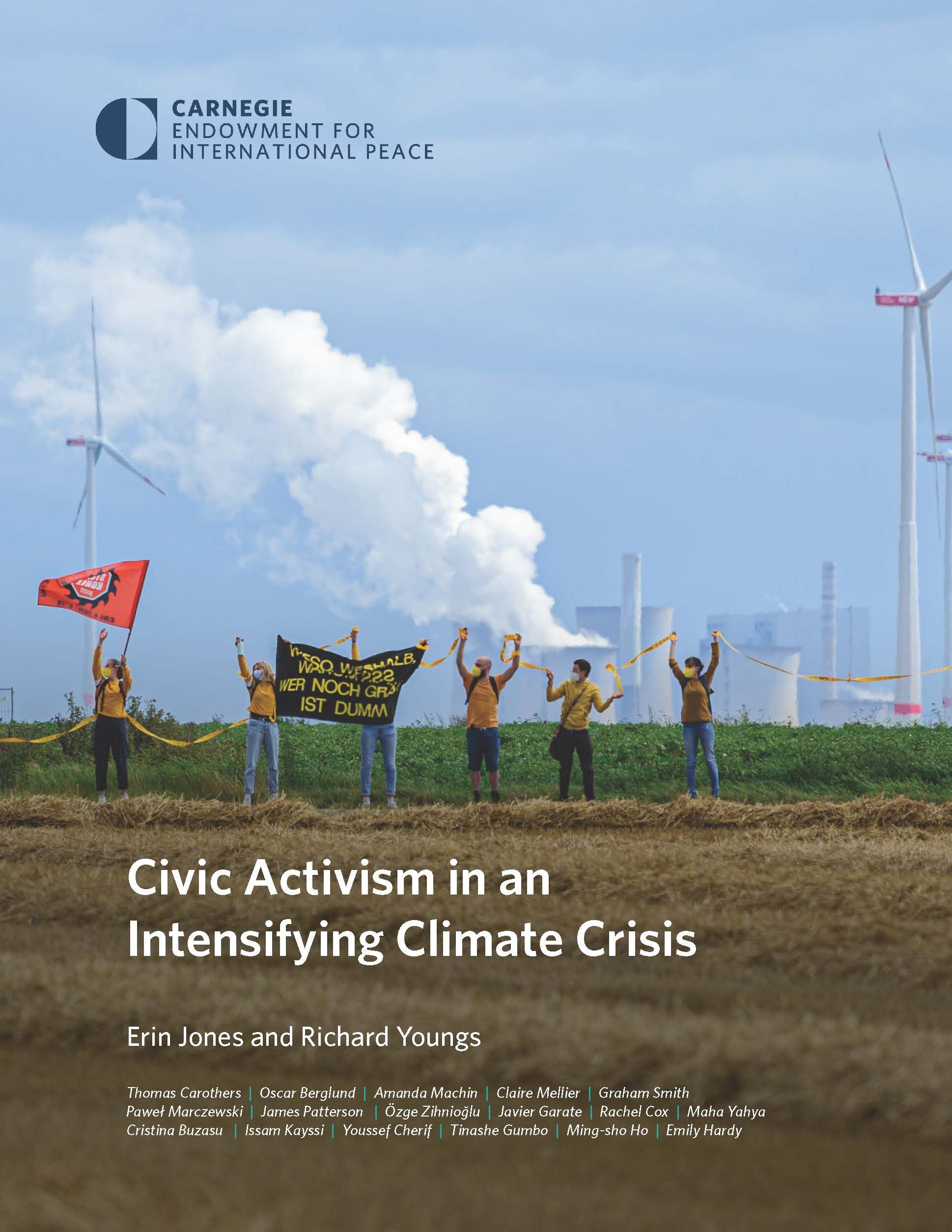
To address the deepening climate crisis, climate activism is employing a wider variety of tactics and aiming at a broader set of goals. In response, the movement faces stronger repression and civic backlash against climate action.

Erin Jones, Richard Youngs
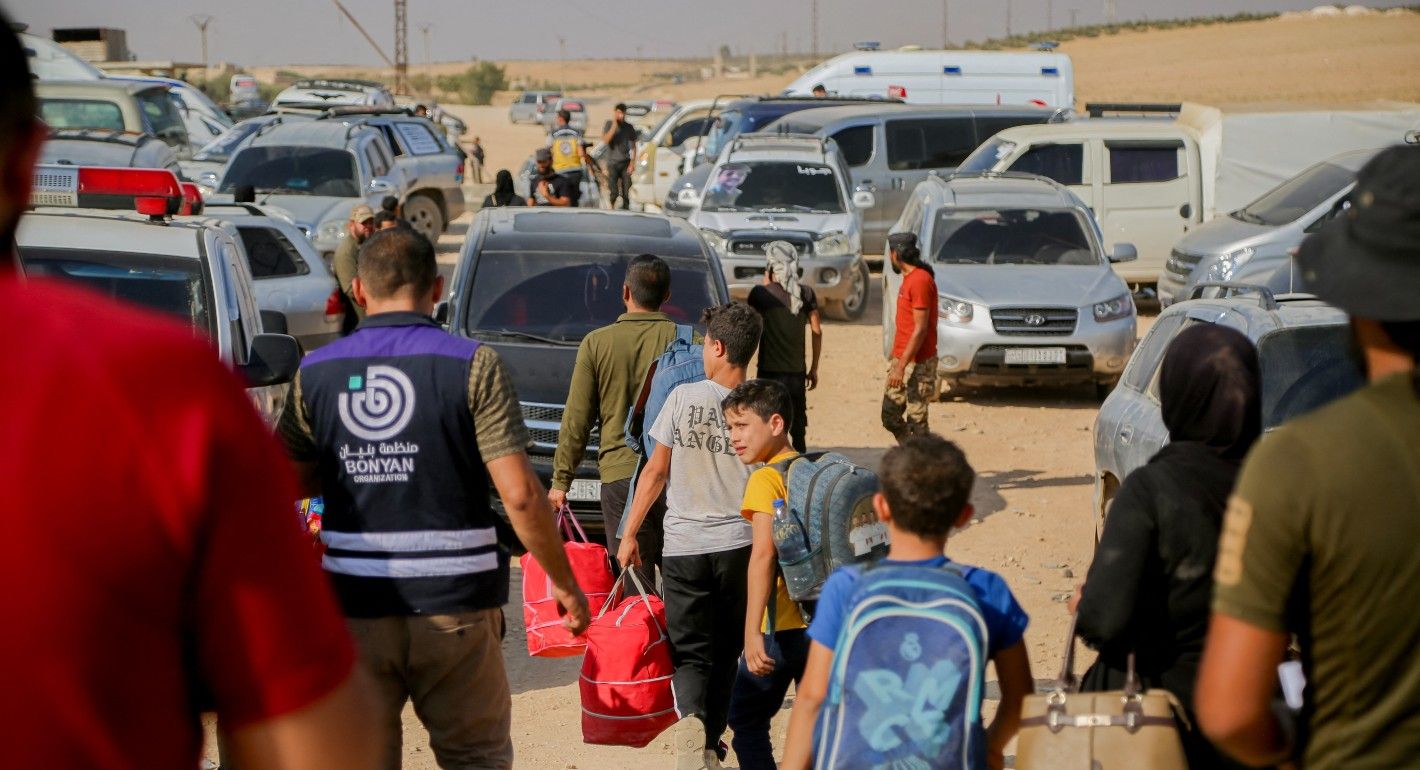
A humanitarian crisis in Lebanon deepens, and Syrian refugees face a perilous choice: remain in a war-torn environment or return to Syria where they risk encountering significant dangers and discrimination. There are significant challenges and risks to their search for safety in Syria.
Haid Haid
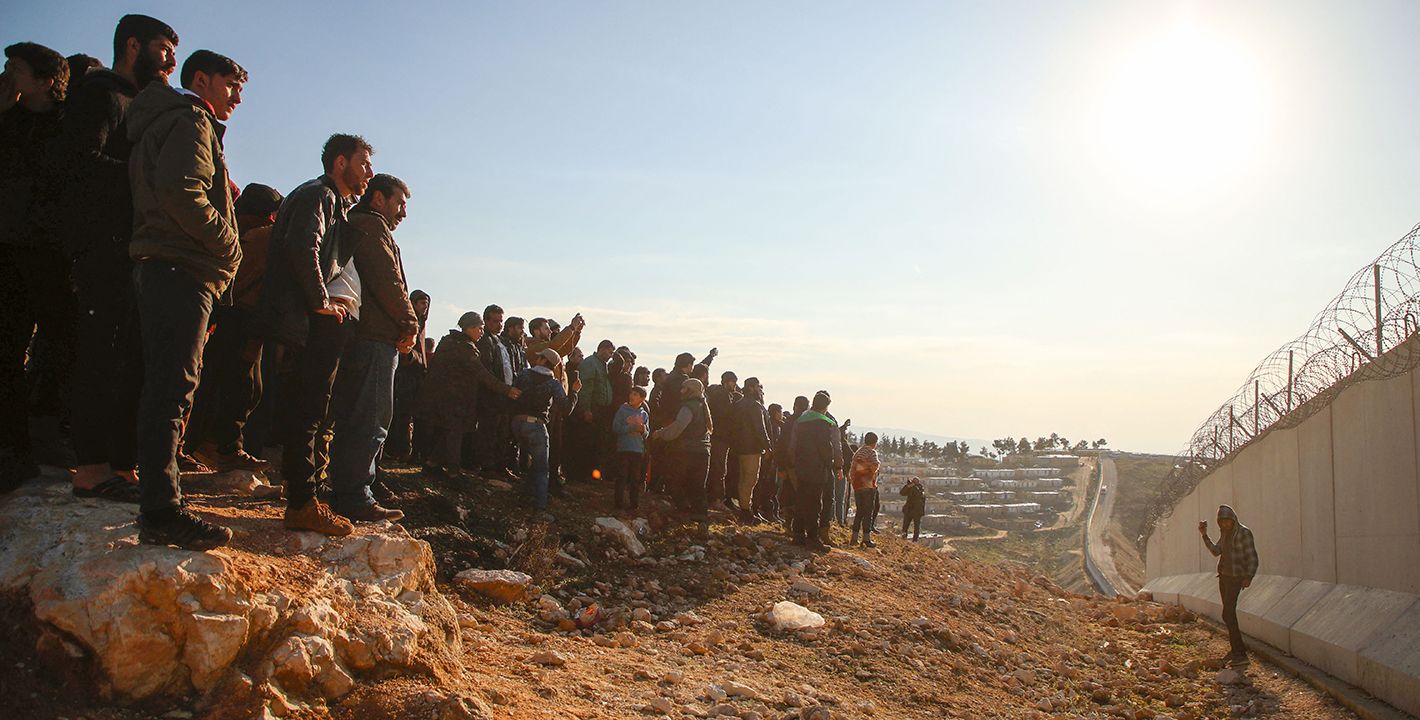
In Syria’s border regions, changes in demographics, economics, and security mean that an inter-Syrian peace process will require consensus among main regional powers that Syria must remain united, that no one side can be victorious, and that perennial instability threatens the region.


Kheder Khaddour, Armenak Tokmajyan
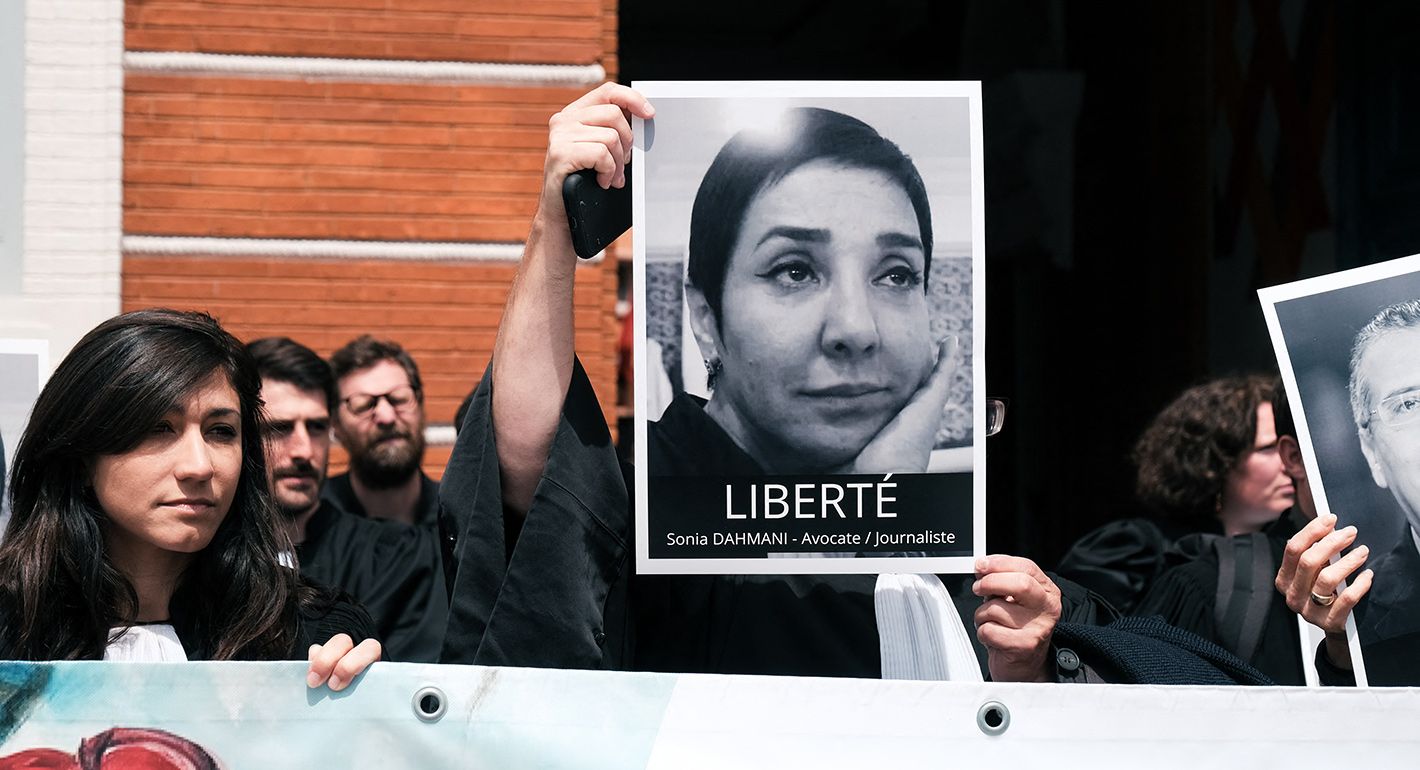
For many in the society, the post-Ben Ali years were mainly about successive economic crises and political instability.
Jasmine Khelil
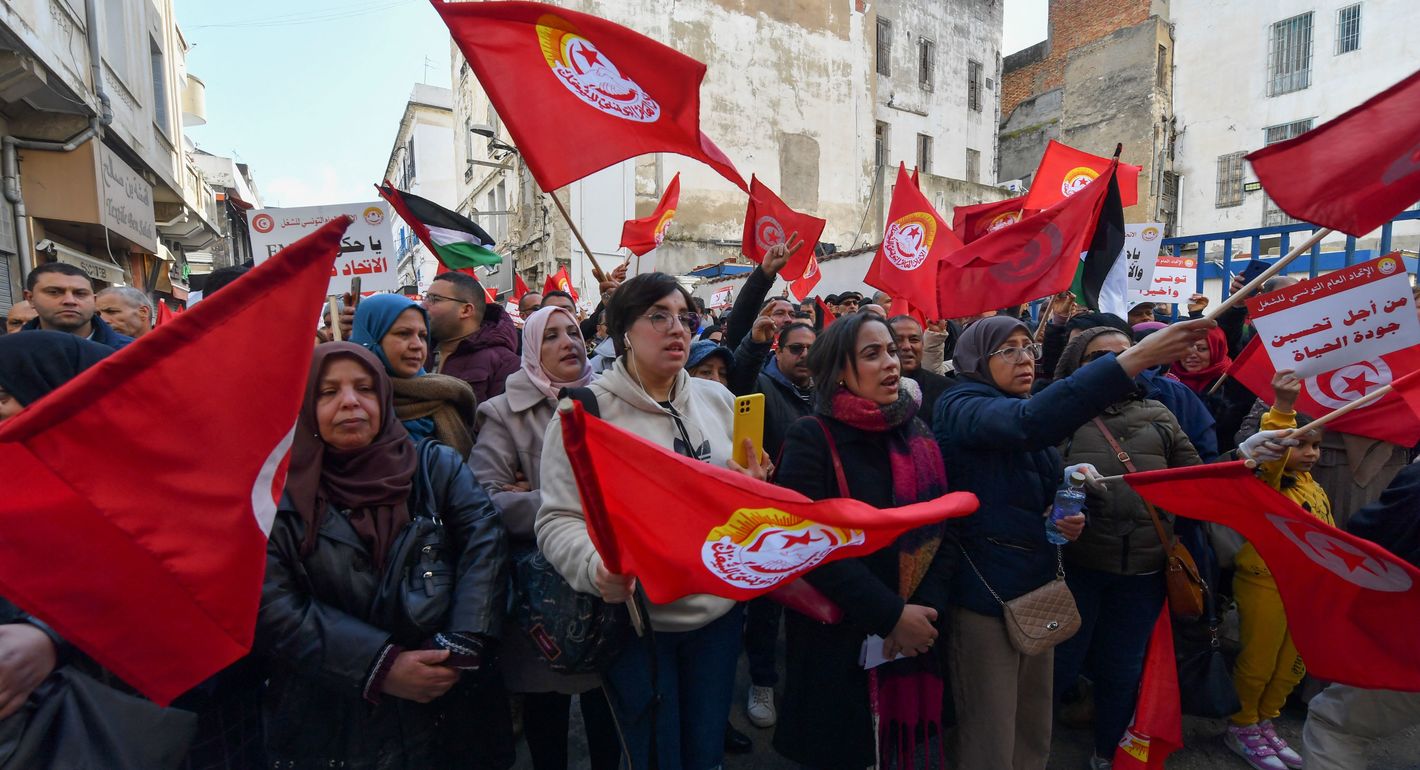
As members, organizers, and leaders, women continue to play an important role in the General Union of Tunisian Workers and advance its political advocacy.
Heba F El-Shazli