

Commentary
As the U.S. stumbles in its war with Iran, we are likely to see an acceleration of its disengagement from the region.
Michael Young
{
  "authors": [
    "Dag Harald Claes",
    "Andreas Goldthau",
    "David Livingston"
  ],
  "type": "legacyinthemedia",
  "centerAffiliationAll": "dc",
  "centers": [
    "Carnegie Endowment for International Peace",
    "Carnegie Russia Eurasia Center"
  ],
  "collections": [],
  "englishNewsletterAll": "ctw",
  "nonEnglishNewsletterAll": "",
  "primaryCenter": "Carnegie Endowment for International Peace",
  "programAffiliation": "SCP",
  "programs": [
    "Sustainability, Climate, and Geopolitics"
  ],
  "projects": [
    "Carnegie Oil Initiative"
  ],
  "regions": [
    "North America",
    "Middle East",
    "Saudi Arabia",
    "Western Europe"
  ],
  "topics": [
    "Climate Change"
  ]
}
Source: Getty
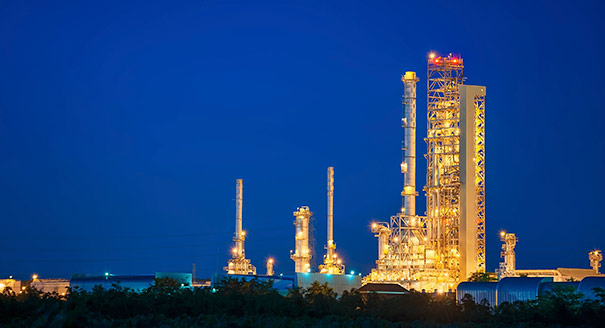
Rapidly changing global oil markets present fundamental challenges to Saudi Arabia’s ability to use its resource endowment to project global market power.
Source: European Council on Foreign Relations
Oil is localised – it cannot be produced where reserves don’t exist – and yet it is the lifeblood of globalisation. A country that dominates the oil market, which is the world’s largest commodity market, is automatically an influential player in international economic affairs and, by proxy, international politics. Oil is, in other words, a perfect example of the intertwined nature of geography, economics, and politics. This relationship is usually framed in terms of geopolitics, with grand strategic thinking dominating economic rationales in the oil market. In short, energy is seen as a means to an end. A geo-economic perspective on oil, by contrast, appreciates that actors are constantly balancing their economic and political interests, and that economic considerations can drive politics.Saudi Arabia is the pivotal actor in the global oil market, thanks to its output of roughly 10 million barrels of oil per day. The kingdom’s geo-economic power rests on its strategic positioning in the oil market and its ability to exert influence in this market. In order to understand the political role of Saudi Arabia, one needs to understand its economic role in the world's prime energy market....
Dag Harald Claes
Andreas Goldthau
Professor, University of Erfurt
Andreas Goldthau is the Franz Haniel Professor for Public Policy at the Willy Brandt School of Public Policy, University of Erfurt; a research group leader at the Institute for Advanced Sustainability Studies; and a visiting professor at the College of Europe.
Former Associate Fellow, Energy and Climate Program
Livingston was an associate fellow in Carnegie’s Energy and Climate Program, where his research focuses on emerging markets, technologies, and risks.
Carnegie does not take institutional positions on public policy issues; the views represented herein are those of the author(s) and do not necessarily reflect the views of Carnegie, its staff, or its trustees.

As the U.S. stumbles in its war with Iran, we are likely to see an acceleration of its disengagement from the region.

Michael Young

The accord represents a pivotal moment in the region to avert a security vacuum in the Gulf.


Azeema Cheema, Mohanad Hage Ali
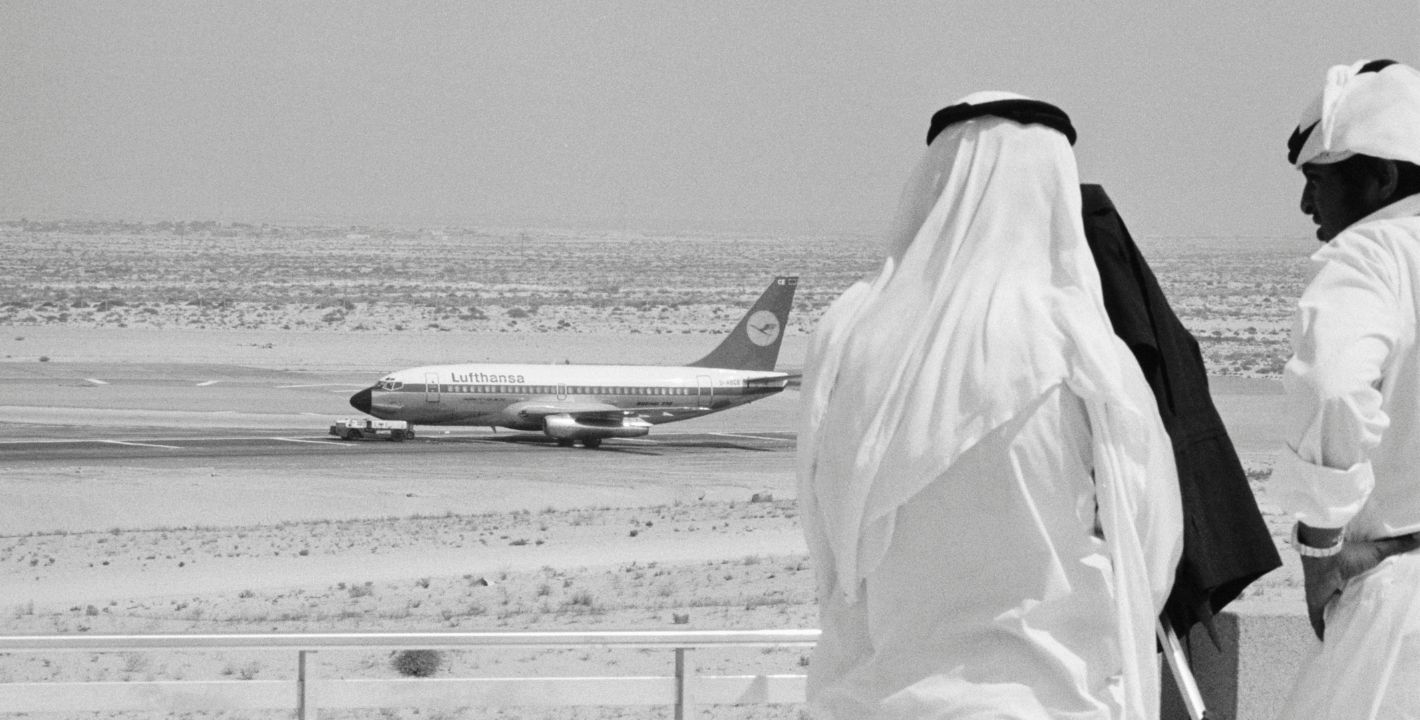
In an interview, Jason Burke discusses his sweeping account of the “revolutionists” who so shaped the 1970s and early 1980s.
Michael Young
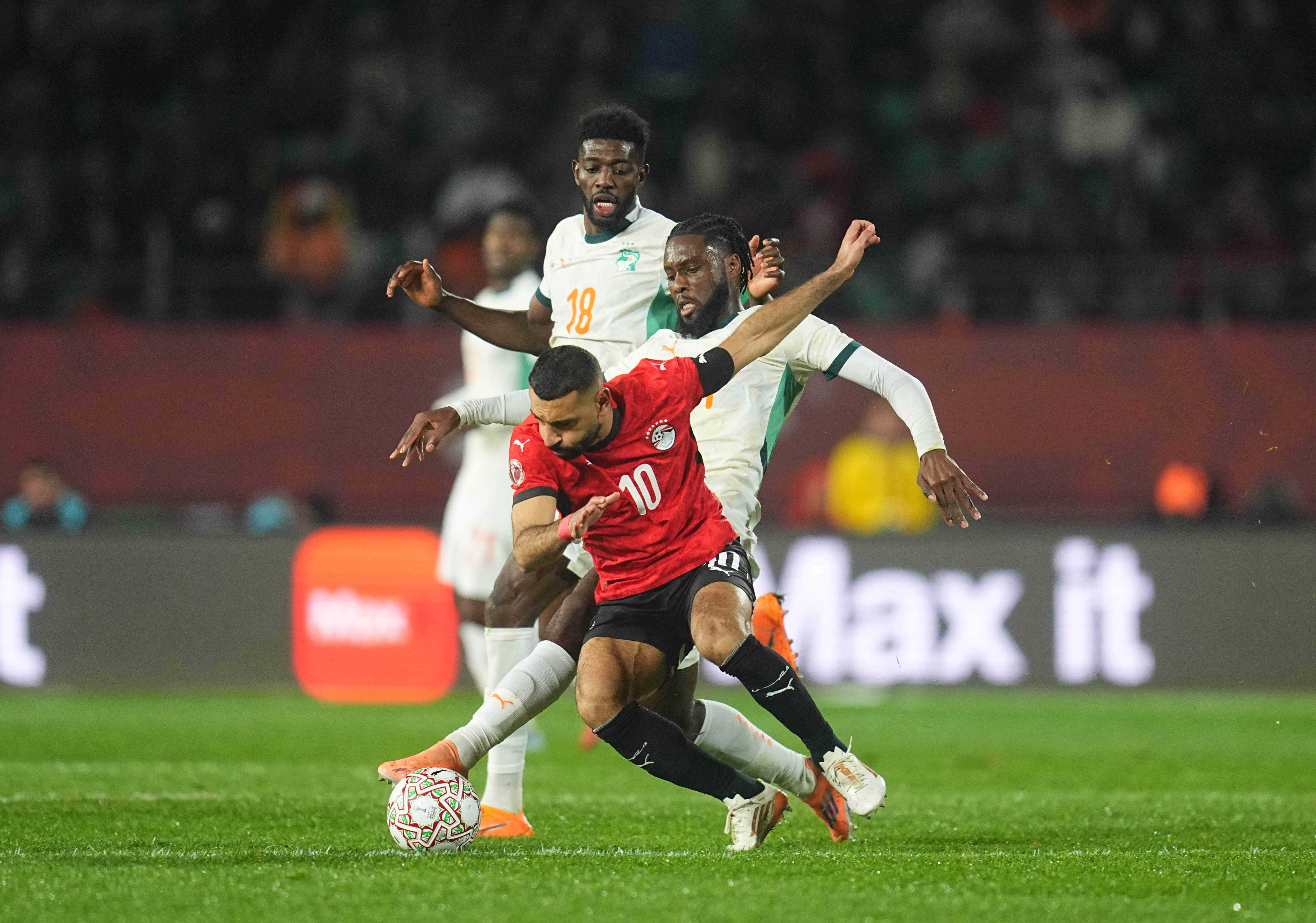
This will be the region’s most representative tournament, amid broad changes in its footballing landscape.

Issam Kayssi
Across the Middle East and North Africa, climate stress interacts with economic fragility, governance failures, social marginalization, and conflict.
Camille Ammoun