

Paper
Renad Mansour, Faleh A. Jabar
{
  "authors": [
    "Renad Mansour"
  ],
  "type": "legacyinthemedia",
  "centerAffiliationAll": "",
  "centers": [
    "Carnegie Endowment for International Peace",
    "Malcolm H. Kerr Carnegie Middle East Center"
  ],
  "collections": [],
  "englishNewsletterAll": "",
  "nonEnglishNewsletterAll": "",
  "primaryCenter": "Malcolm H. Kerr Carnegie Middle East Center",
  "programAffiliation": "",
  "programs": [],
  "projects": [],
  "regions": [
    "Levant",
    "Iraq",
    "Middle East"
  ],
  "topics": [
    "Political Reform"
  ]
}
Source: Getty
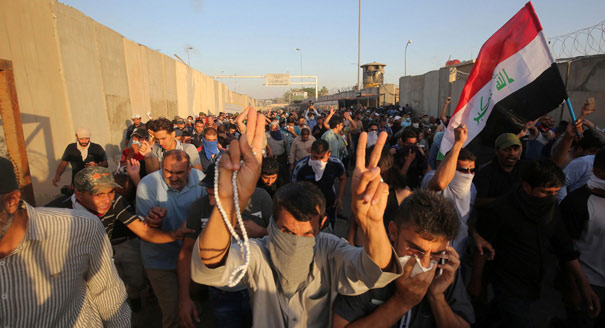
Iraqi Prime Minister Abadi is going to have to pay attention to demands for institutional and structural change coming from the protests led by Shia cleric Muqtada Al-Sadr.
Source: TRT World
Carnegie’s Renad Mansour joined TRT World to dicuss on-going significant developments in Iraqi politics. Primarily, Mansour commented on the protests led by Shia cleric Muqtada Al-Sadr and Iraqi Prime Minister Abadi’s cabinet reshuffle and reforms.
Mansour argued that Abadi would have to listen to Al-Sadr’s demands for institutional and structural change, and Abadi knows it. He reiterated that Abadi himself is moving in the direction of reform and working towards establishing a technocratic cabinet.
Mansour discussed how Al-Sadr was able to mobilize large support for sit-ins and protests both inside and outside the Green Zone. Al-Sadr’s support primarily comes from southern Iraq and Baghdad but his increased acceptance and support is related to Al-Sadr’s efforts to rebrand himself as an Iraqi nationalist.

Former El-Erian Fellow, Middle East Center
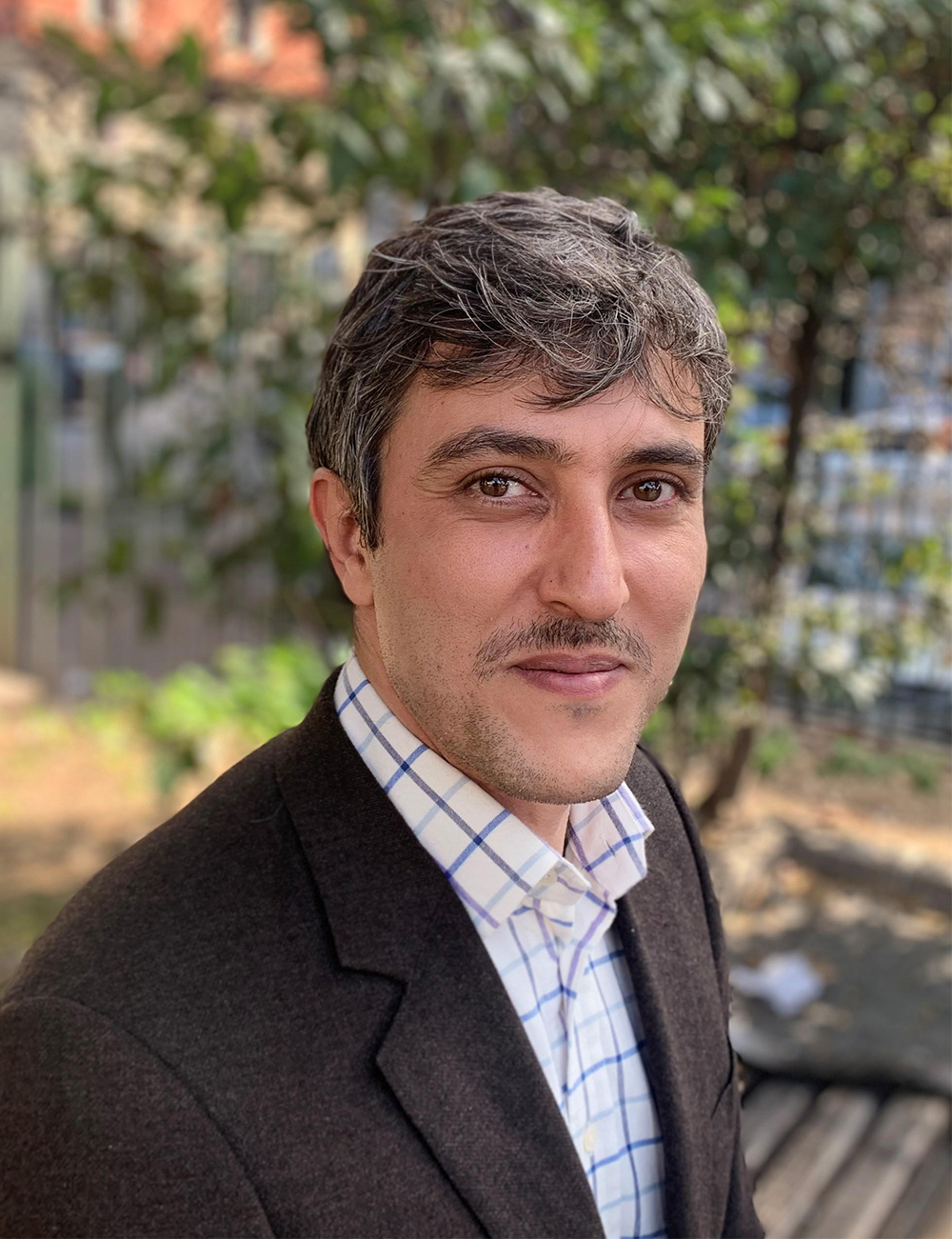
Mansour was an El-Erian fellow at the Carnegie Middle East Center, where his research focuses on Iraq, Iran, and Kurdish affairs.
Recent Work
Renad Mansour, Faleh A. Jabar
Renad Mansour
Carnegie does not take institutional positions on public policy issues; the views represented herein are those of the author(s) and do not necessarily reflect the views of Carnegie, its staff, or its trustees.

The accord represents a pivotal moment in the region to avert a security vacuum in the Gulf.


Azeema Cheema, Mohanad Hage Ali

In an interview, Jason Burke discusses his sweeping account of the “revolutionists” who so shaped the 1970s and early 1980s.

Michael Young
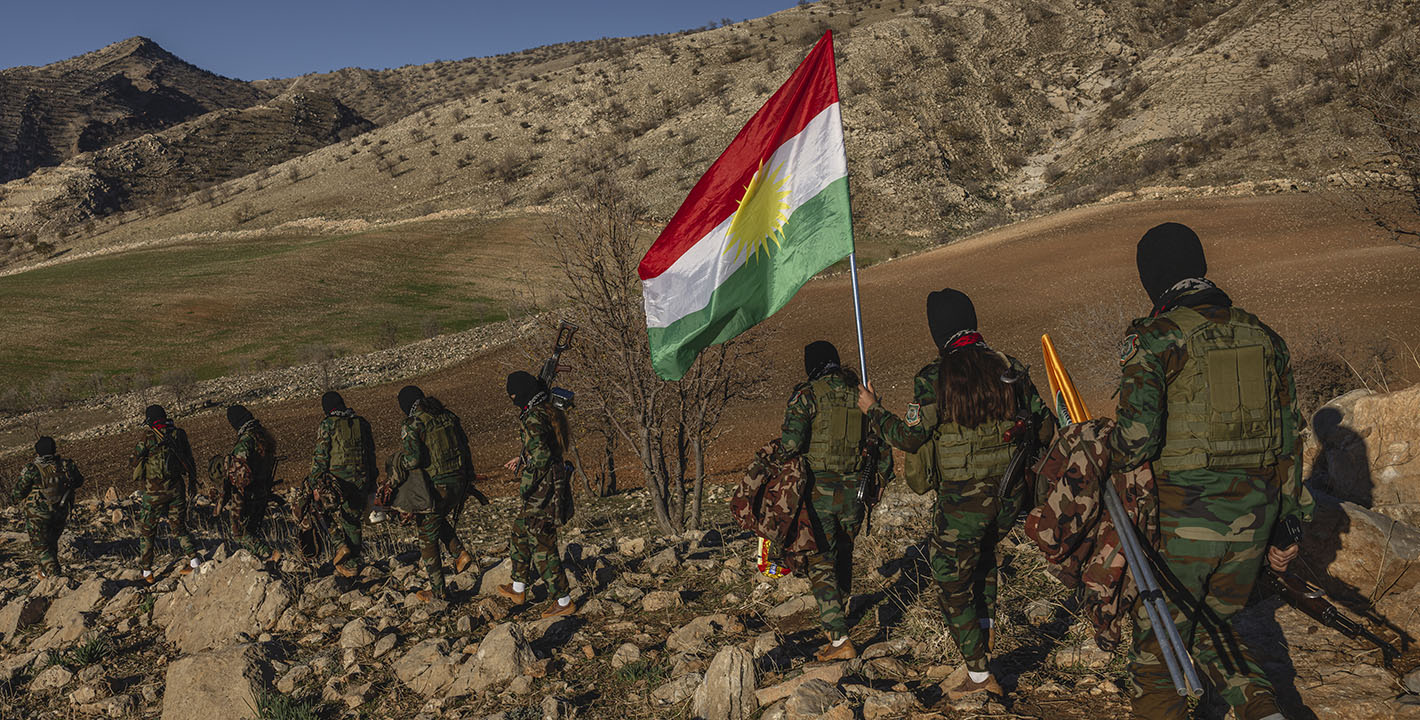
Following its deal with the United States, Iran may act against Iraq-based dissidents.
Wladimir van Wilgenburg
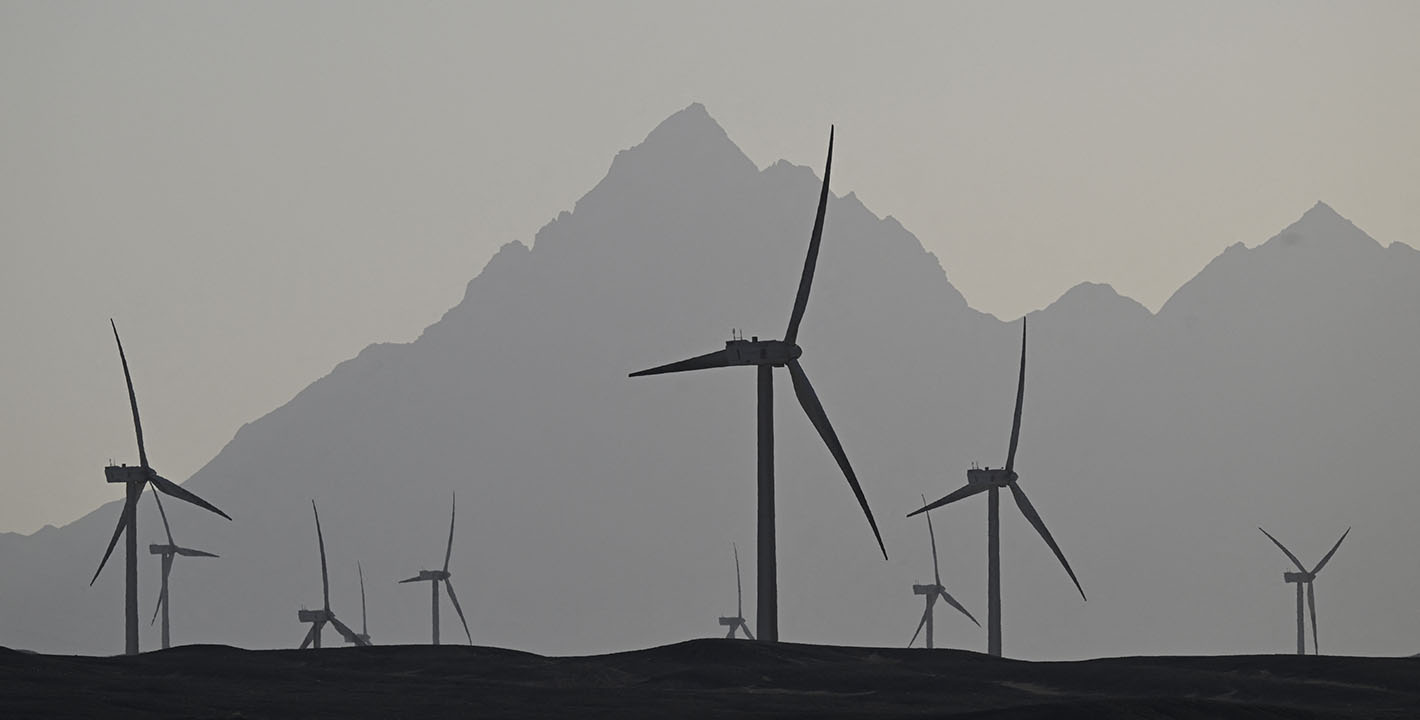
There is a disturbing structural parallel between the old global energy economy and the new green transition.

Angie Omar
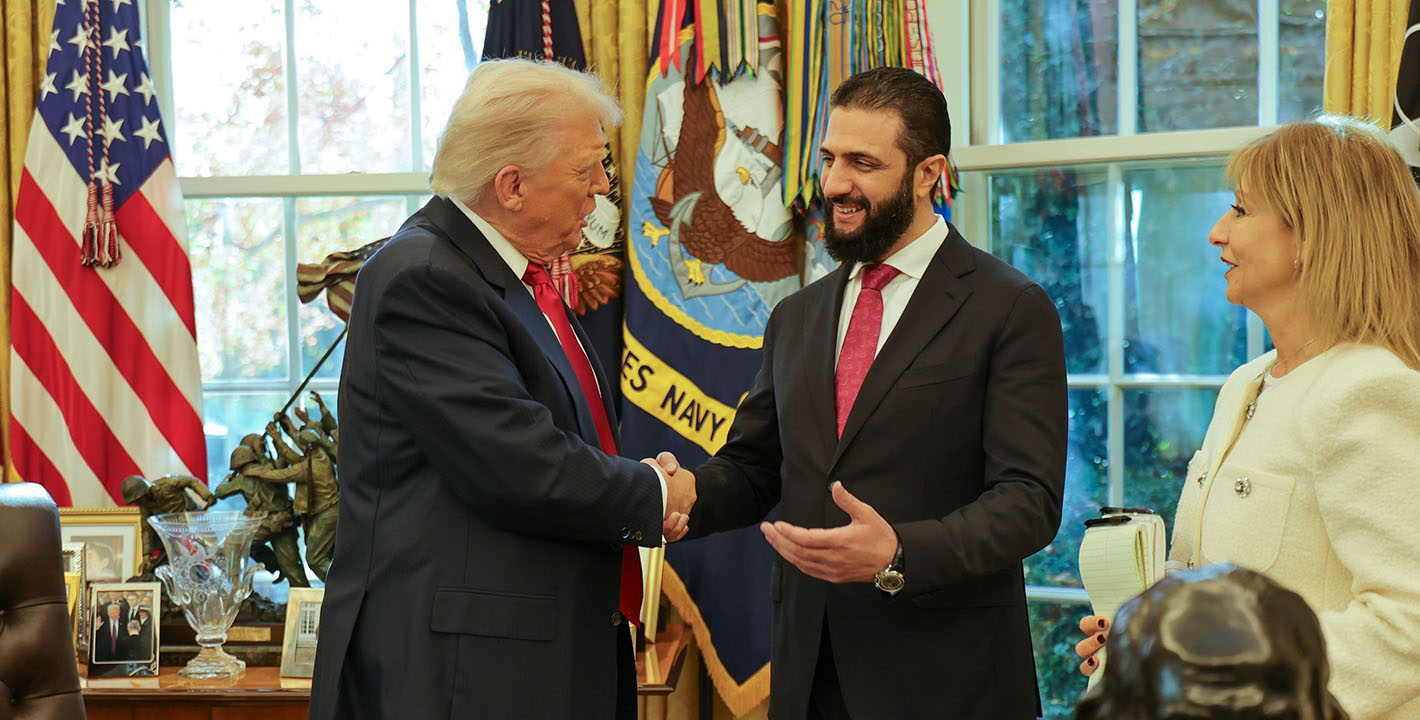
Any move by the United States to make good on Trump’s suggestion that Washington persuade Damascus to confront Hezbollah militarily would have catastrophic consequences.
Kheder Khaddour