

Article
Carole Nakhle
{
  "authors": [
    "Carole Nakhle"
  ],
  "type": "legacyinthemedia",
  "centerAffiliationAll": "dc",
  "centers": [
    "Carnegie Endowment for International Peace",
    "Malcolm H. Kerr Carnegie Middle East Center"
  ],
  "collections": [],
  "englishNewsletterAll": "menaTransitions",
  "nonEnglishNewsletterAll": "",
  "primaryCenter": "Malcolm H. Kerr Carnegie Middle East Center",
  "programAffiliation": "MEP",
  "programs": [
    "Middle East"
  ],
  "projects": [],
  "regions": [
    "Gulf",
    "Saudi Arabia",
    "Middle East"
  ],
  "topics": [
    "Political Reform",
    "Economy"
  ]
}
Source: Getty
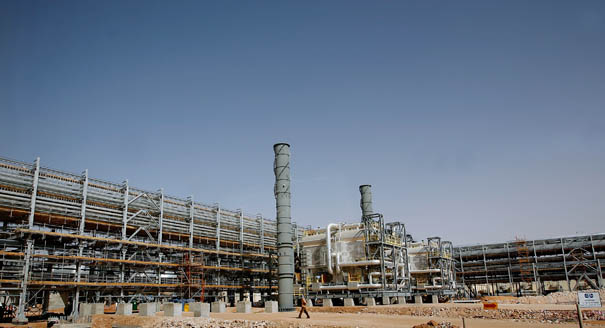
Saudi Arabia's latest drive to reform its economy will not be cheap or easy although now there seems to be a stronger will to carry out necessary changes than in years past.
Source: Geopolitical Intelligence Services
Saudi Arabia is once again keeping analysts busy worldwide. This time attention has been drawn by an audacious economic reform rather than by oil policy, although the two are closely intertwined. Some of the development strategy’s goals are not new and others are probably unattainable, but there seems to be a stronger will to proceed today than in the past decades. The journey will not be quick, easy or cheap.
Read the full article at Geopolitical Intelligence Services.
Former Nonresident Scholar, Middle East Center
Nakhle was a nonresident scholar at Carnegie Middle East Center, specializing in international petroleum contracts and fiscal regimes for the oil and gas industry, world oil and gas market developments, energy policy, and oil and gas revenue management.
Recent Work
Carole Nakhle
Carole Nakhle
Carnegie does not take institutional positions on public policy issues; the views represented herein are those of the author(s) and do not necessarily reflect the views of Carnegie, its staff, or its trustees.

The armed forces champion a form of capitalism that is generating revenue, but its reliance on rent faces diminishing returns, leaving the country with massive sunk costs and deferred returns, deepening dependency on external borrowing.

Yezid Sayigh

Morocco and Algeria, each in its own way, are having to navigate the global economic fallout of the U.S.-Israeli military campaign against Iran.

Yasmine Zarhloule
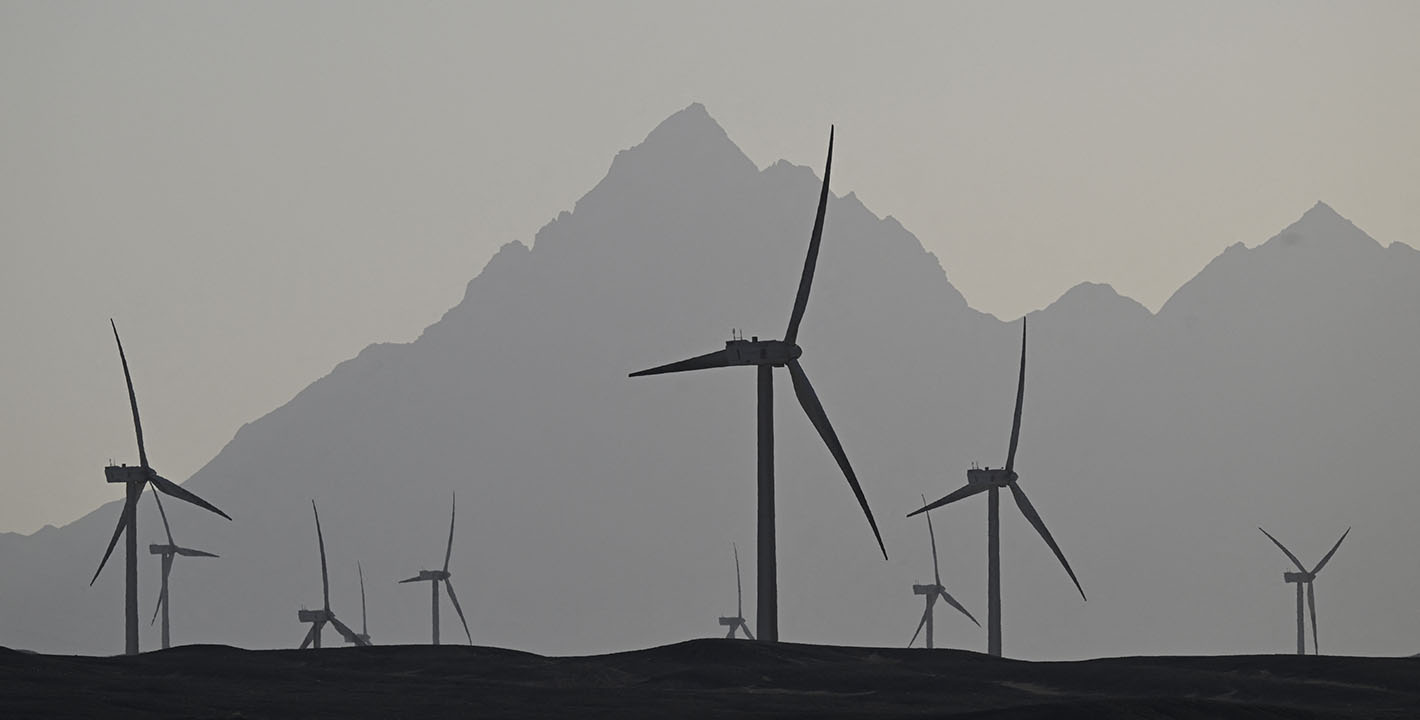
There is a disturbing structural parallel between the old global energy economy and the new green transition.

Angie Omar
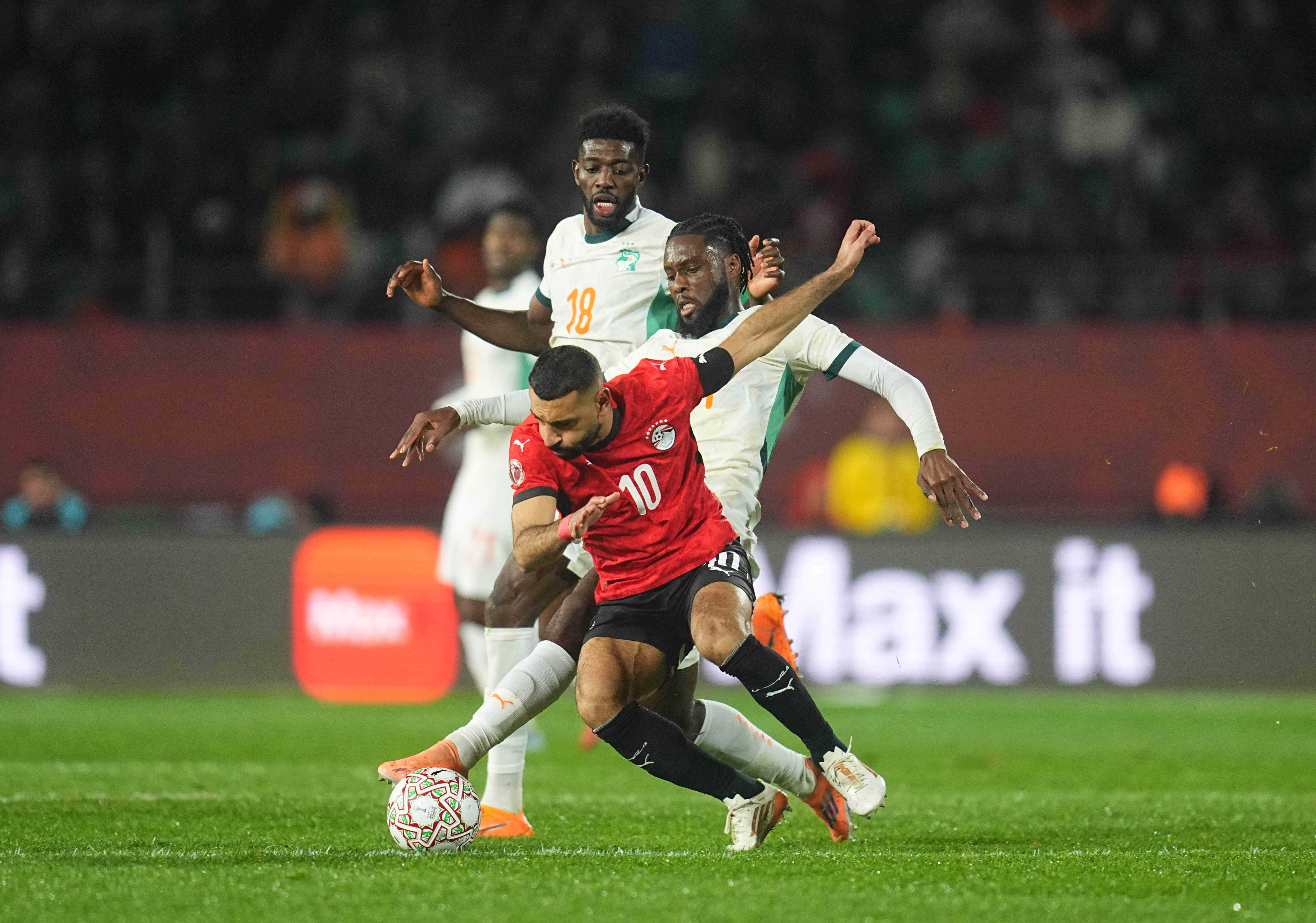
This will be the region’s most representative tournament, amid broad changes in its footballing landscape.

Issam Kayssi
In an interview, Marc Lynch discusses his new book decrying the post-1990 U.S.-dominated order in the Middle East.

Michael Young