

Article
Paul Stronski
{
  "authors": [
    "Paul Stronski"
  ],
  "type": "legacyinthemedia",
  "centerAffiliationAll": "dc",
  "centers": [
    "Carnegie Endowment for International Peace"
  ],
  "collections": [],
  "englishNewsletterAll": "ctw",
  "nonEnglishNewsletterAll": "",
  "primaryCenter": "Carnegie Endowment for International Peace",
  "programAffiliation": "russia",
  "programs": [
    "Russia and Eurasia"
  ],
  "projects": [],
  "regions": [
    "Central Asia",
    "Uzbekistan"
  ],
  "topics": [
    "Political Reform",
    "Democracy"
  ]
}
Source: Getty
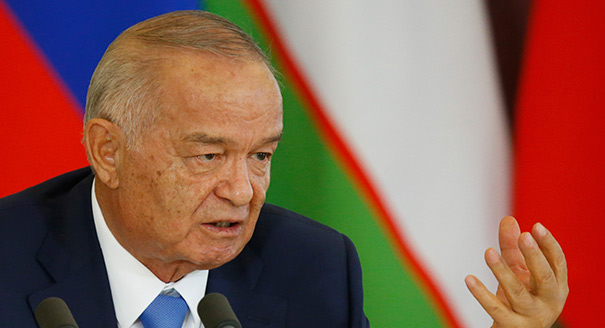
Uzbekistan’s President Islam Karimov has held that position since the country gained independence in 1991. A great deal of uncertainty remains about who his successor might be.
Source: Radio Free Europe/Radio Liberty
Speaking on a panel hosted by Radio Free Europe/Radio Liberty, Carnegie’s Paul Stronski discussed the situation in Uzbekistan following the announcement that the country’s president, Islam Karimov, had been hospitalized. He was joined by Shahida Yakub and Alisher Sidik, both of Radio Free Europe/Radio Liberty. Discussing the possibility that Karimov might not be able to continue on as president, Stronski observed that many countries will be watching the efforts to select a new president closely. He discussed what both Russia and the West will be looking for, both in terms of a candidate for president and the process. “Russia’s going to be watching very closely, hoping that whoever rises to the top is someone who is going to be favorable towards Russia, not too Western,” Stronski said.
This was originally broadcast by Radio Free Europe/Radio Liberty.
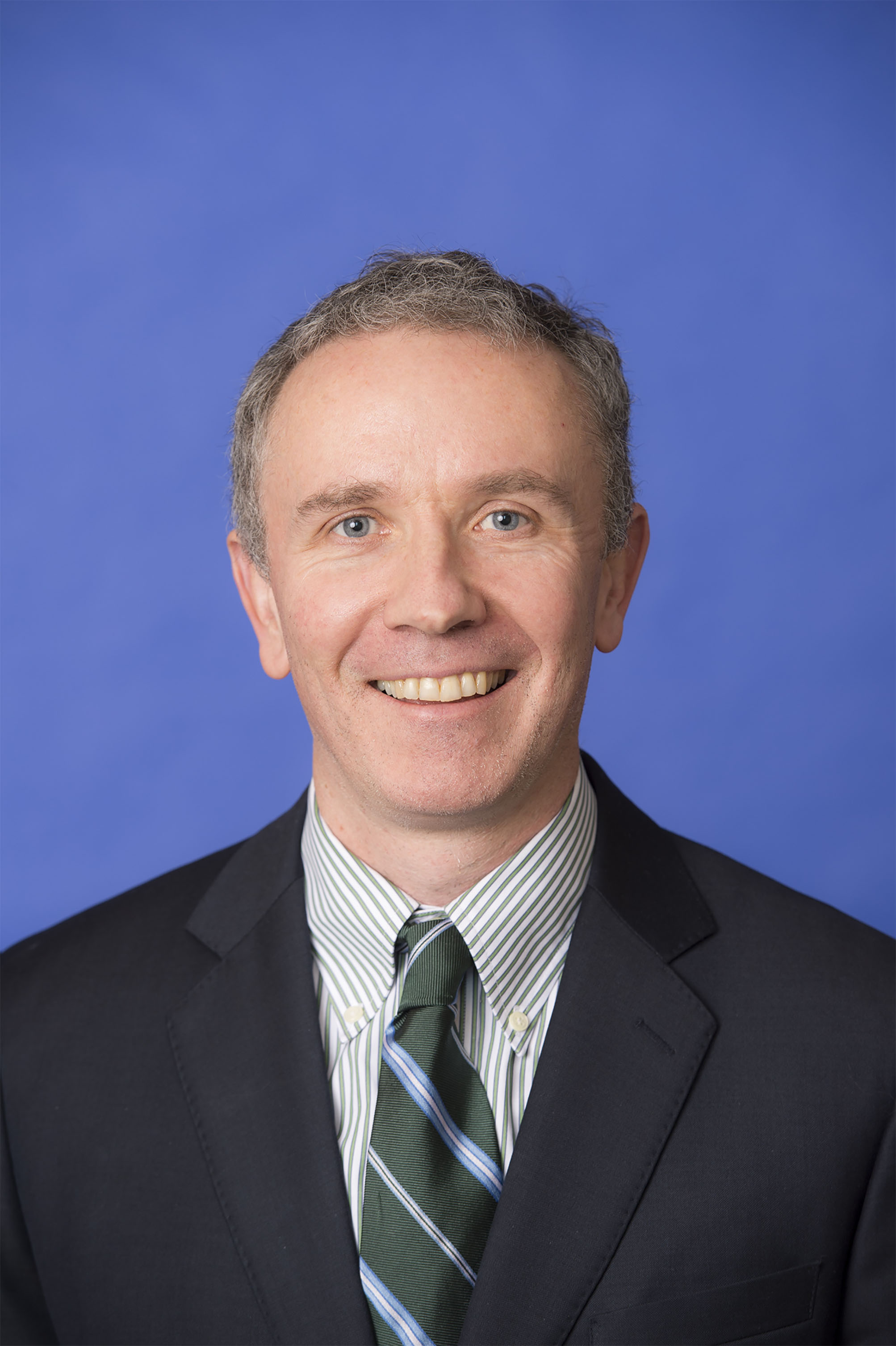
Former Senior Fellow, Russia and Eurasia Program
Paul Stronski was a senior fellow in Carnegie’s Russia and Eurasia Program, where his research focuses on the relationship between Russia and neighboring countries in Central Asia and the South Caucasus.
Recent Work
Paul Stronski
Paul Stronski
Carnegie does not take institutional positions on public policy issues; the views represented herein are those of the author(s) and do not necessarily reflect the views of Carnegie, its staff, or its trustees.
To address the deepening climate crisis, climate activism is employing a wider variety of tactics and aiming at a broader set of goals. In response, the movement faces stronger repression and civic backlash against climate action.

Erin Jones, Richard Youngs
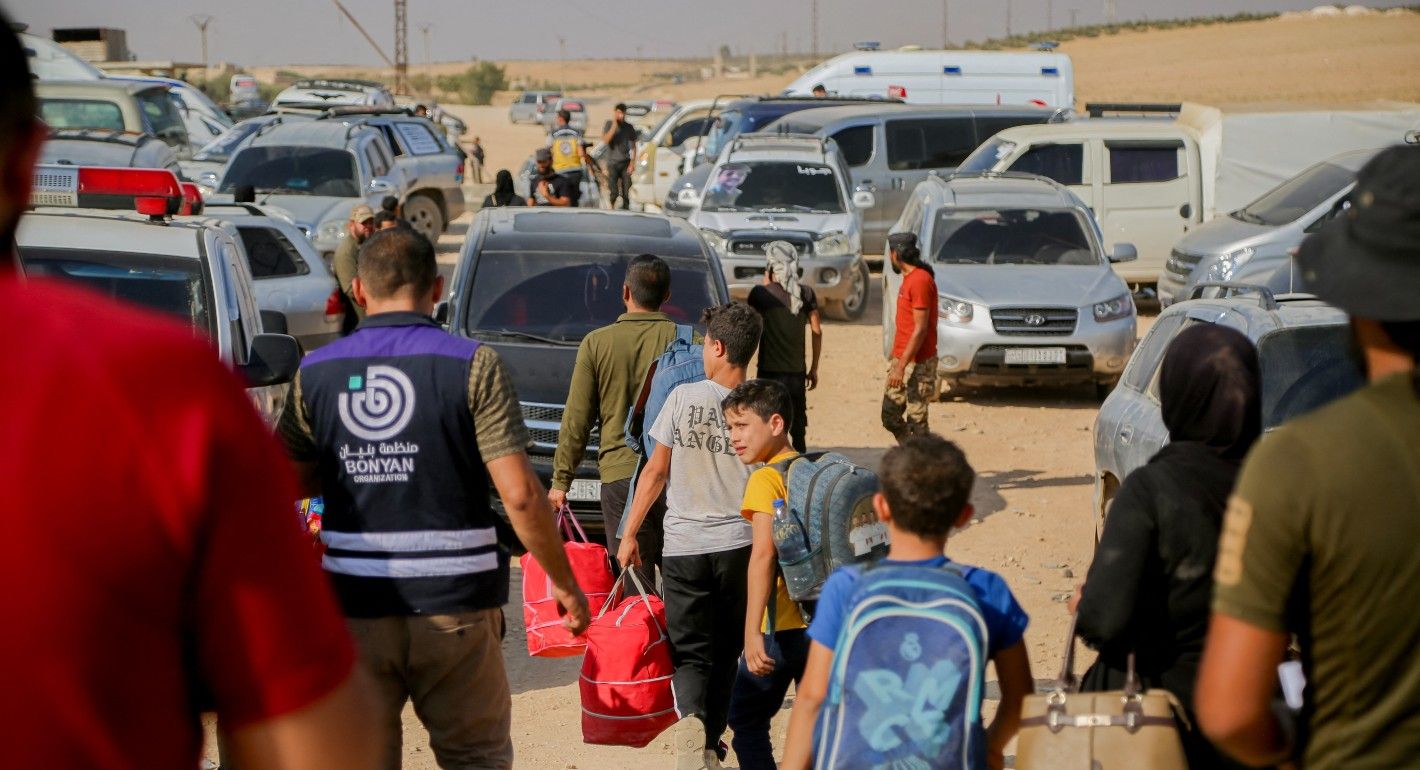
A humanitarian crisis in Lebanon deepens, and Syrian refugees face a perilous choice: remain in a war-torn environment or return to Syria where they risk encountering significant dangers and discrimination. There are significant challenges and risks to their search for safety in Syria.
Haid Haid
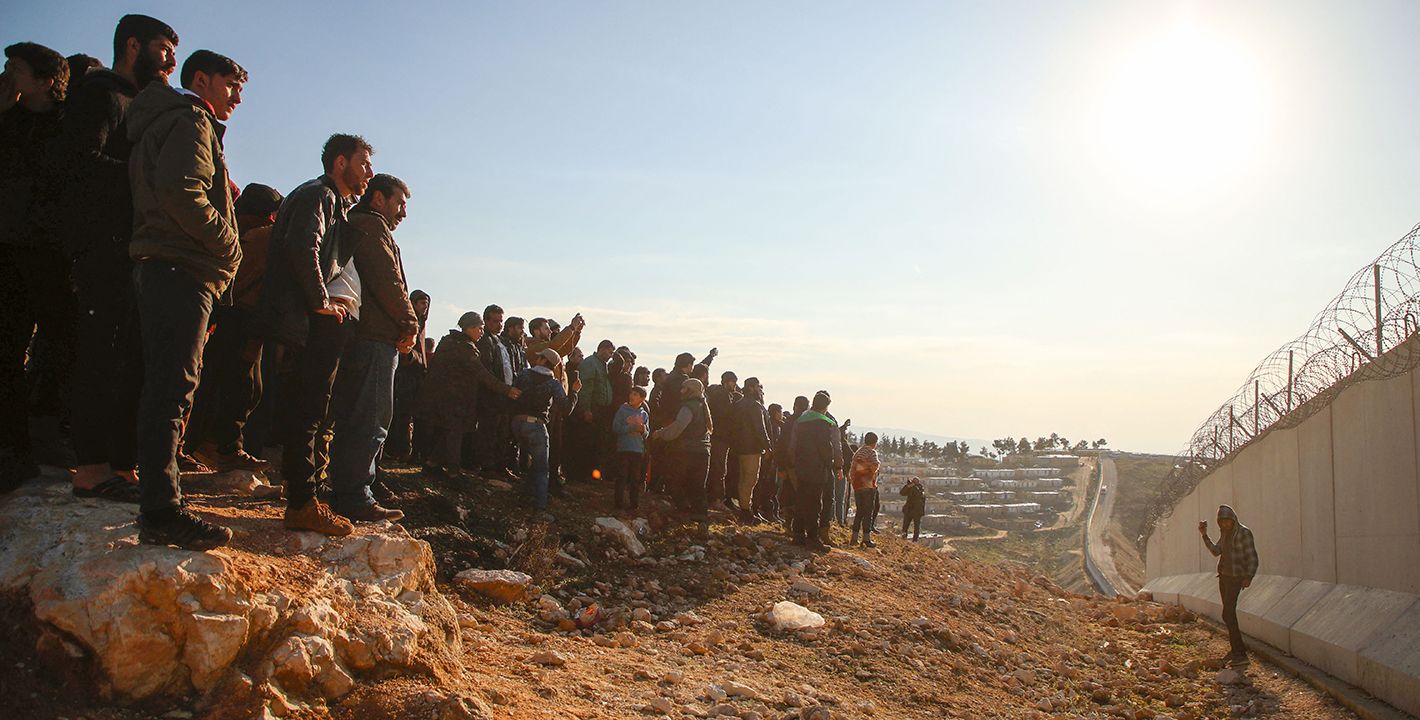
In Syria’s border regions, changes in demographics, economics, and security mean that an inter-Syrian peace process will require consensus among main regional powers that Syria must remain united, that no one side can be victorious, and that perennial instability threatens the region.


Kheder Khaddour, Armenak Tokmajyan
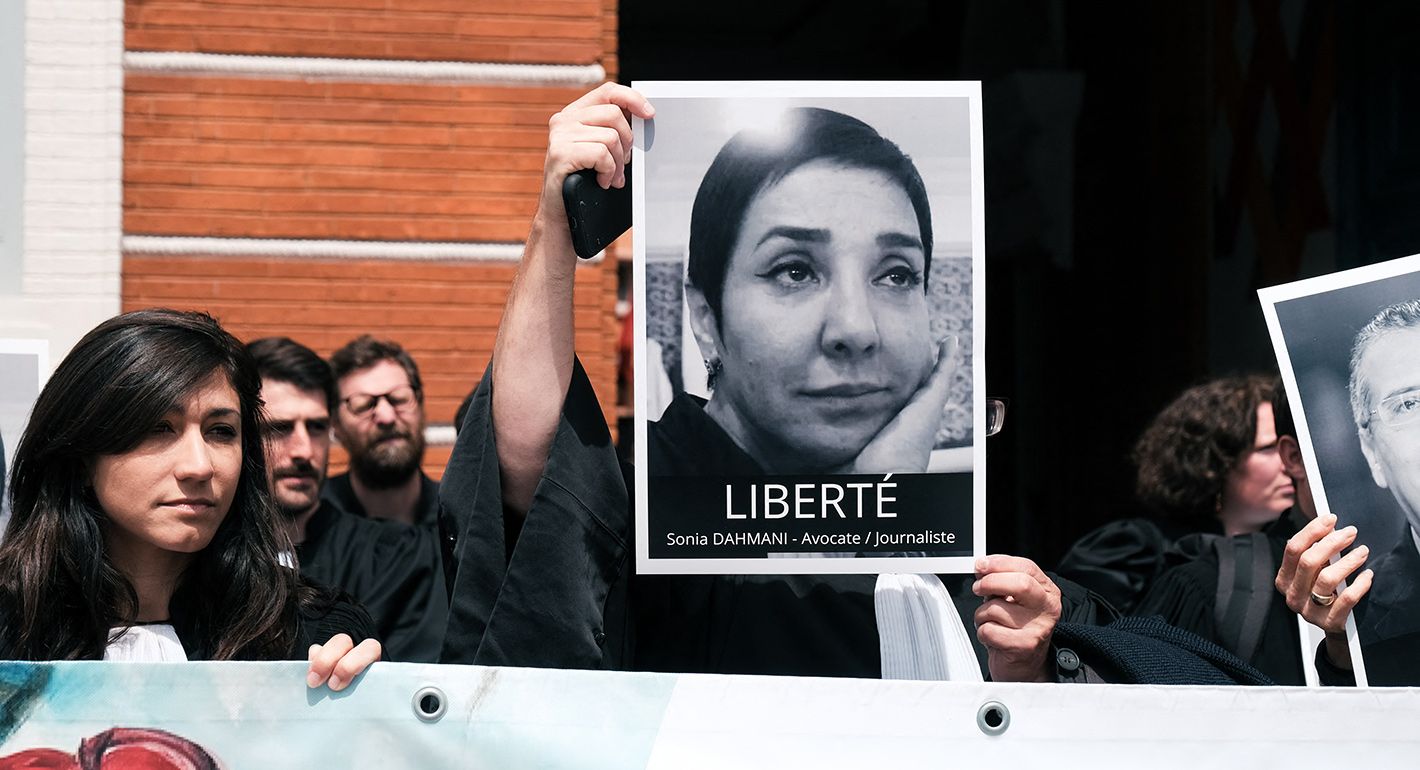
For many in the society, the post-Ben Ali years were mainly about successive economic crises and political instability.
Jasmine Khelil
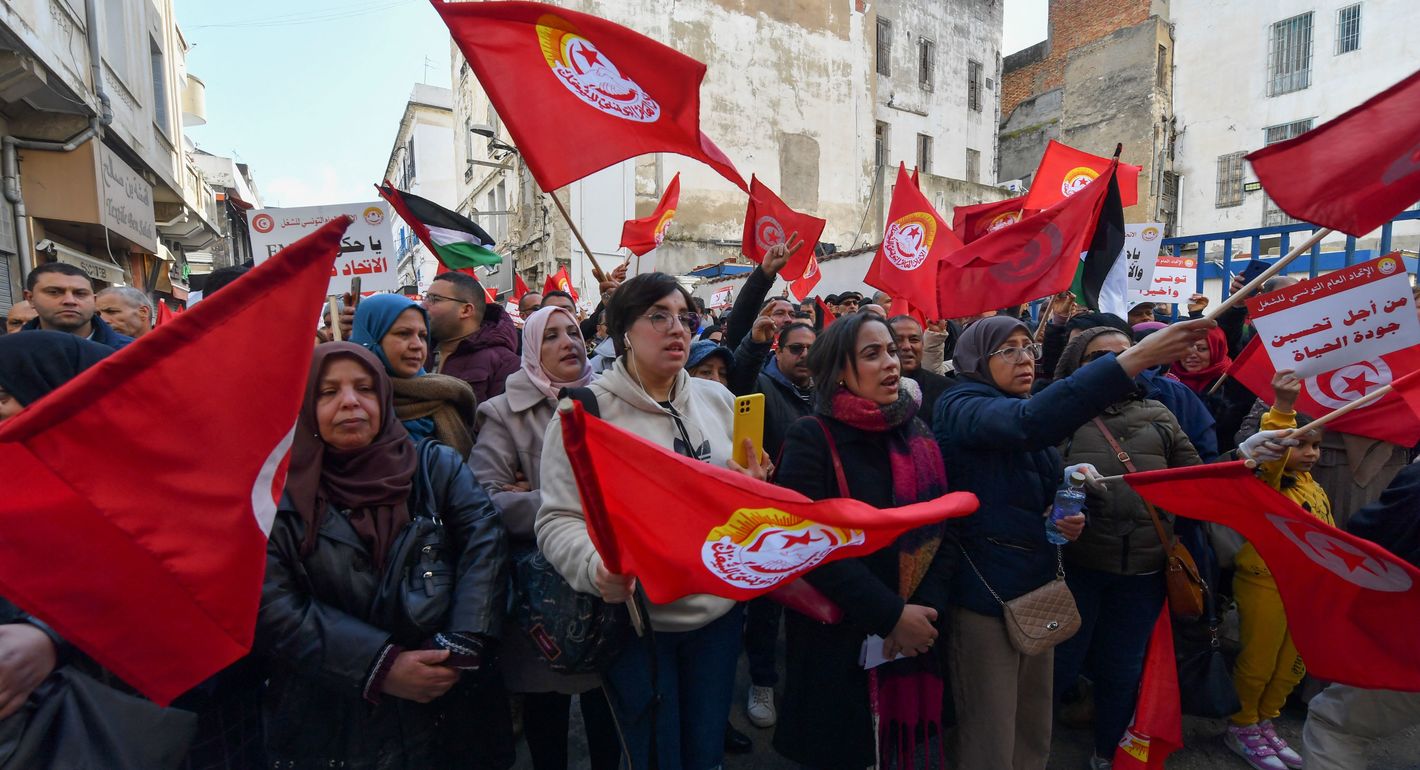
As members, organizers, and leaders, women continue to play an important role in the General Union of Tunisian Workers and advance its political advocacy.
Heba F El-Shazli