

Commentary
Sarah Chayes
{
  "authors": [
    "Sarah Chayes"
  ],
  "type": "legacyinthemedia",
  "centerAffiliationAll": "dc",
  "centers": [
    "Carnegie Endowment for International Peace"
  ],
  "collections": [
    "Democracy and Governance",
    "Anti-Corruption"
  ],
  "englishNewsletterAll": "democracy",
  "nonEnglishNewsletterAll": "",
  "primaryCenter": "Carnegie Endowment for International Peace",
  "programAffiliation": "DCG",
  "programs": [
    "Democracy, Conflict, and Governance"
  ],
  "projects": [],
  "regions": [],
  "topics": [
    "Democracy"
  ]
}
Source: Getty
Fighting religious extremism and ethnic rivalries requires addressing corruption.
Source: ABC Australia
Speaking on ABC Australia, Carnegie’s Sarah Chayes warned that terrorism and conflict is increasing globally and corruption is the connecting link. It fuels religious extremism and ethnic rivalries, she said. She concluded that to deprive these movements of oxygen, the international community must address corruption among political and economic elites.
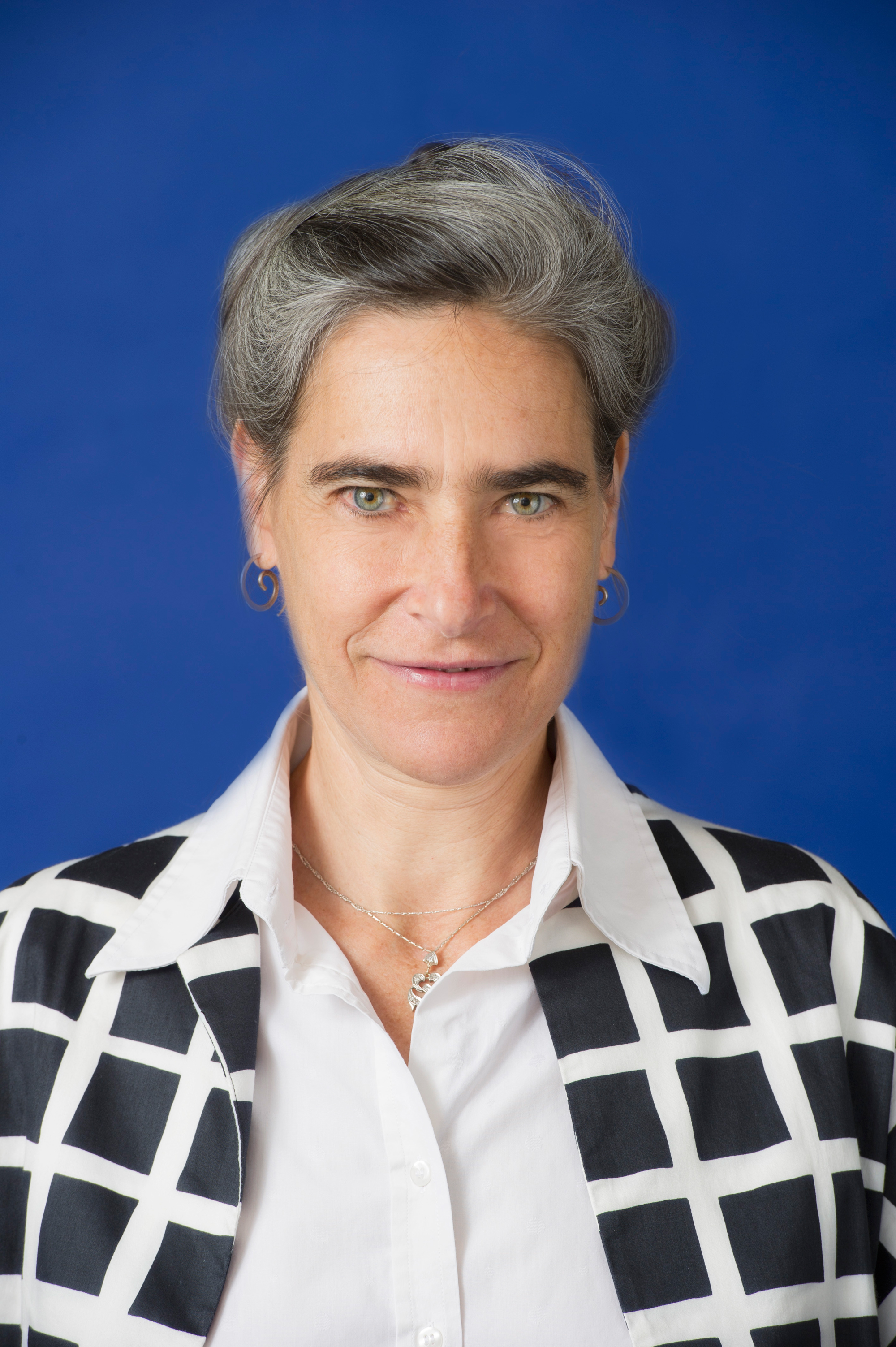
Former Senior Fellow, Democracy, Conflict, and Governance Program
Sarah Chayes is internationally recognized for her innovative thinking on corruption and its implications. Her work explores how severe corruption can help prompt such crises as terrorism, revolutions and their violent aftermaths, and environmental degradation.
Recent Work
Sarah Chayes
Carnegie does not take institutional positions on public policy issues; the views represented herein are those of the author(s) and do not necessarily reflect the views of Carnegie, its staff, or its trustees.
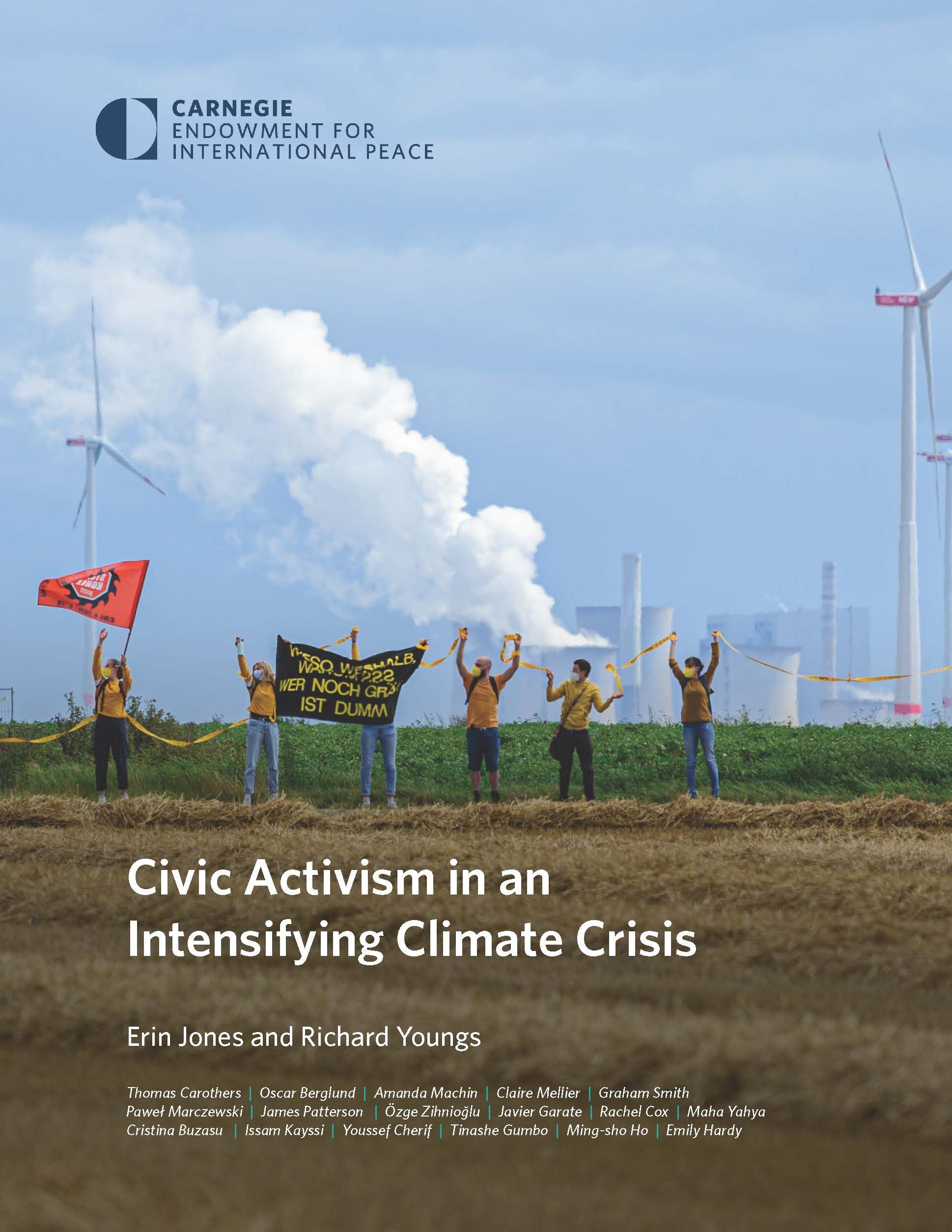
To address the deepening climate crisis, climate activism is employing a wider variety of tactics and aiming at a broader set of goals. In response, the movement faces stronger repression and civic backlash against climate action.

Erin Jones, Richard Youngs
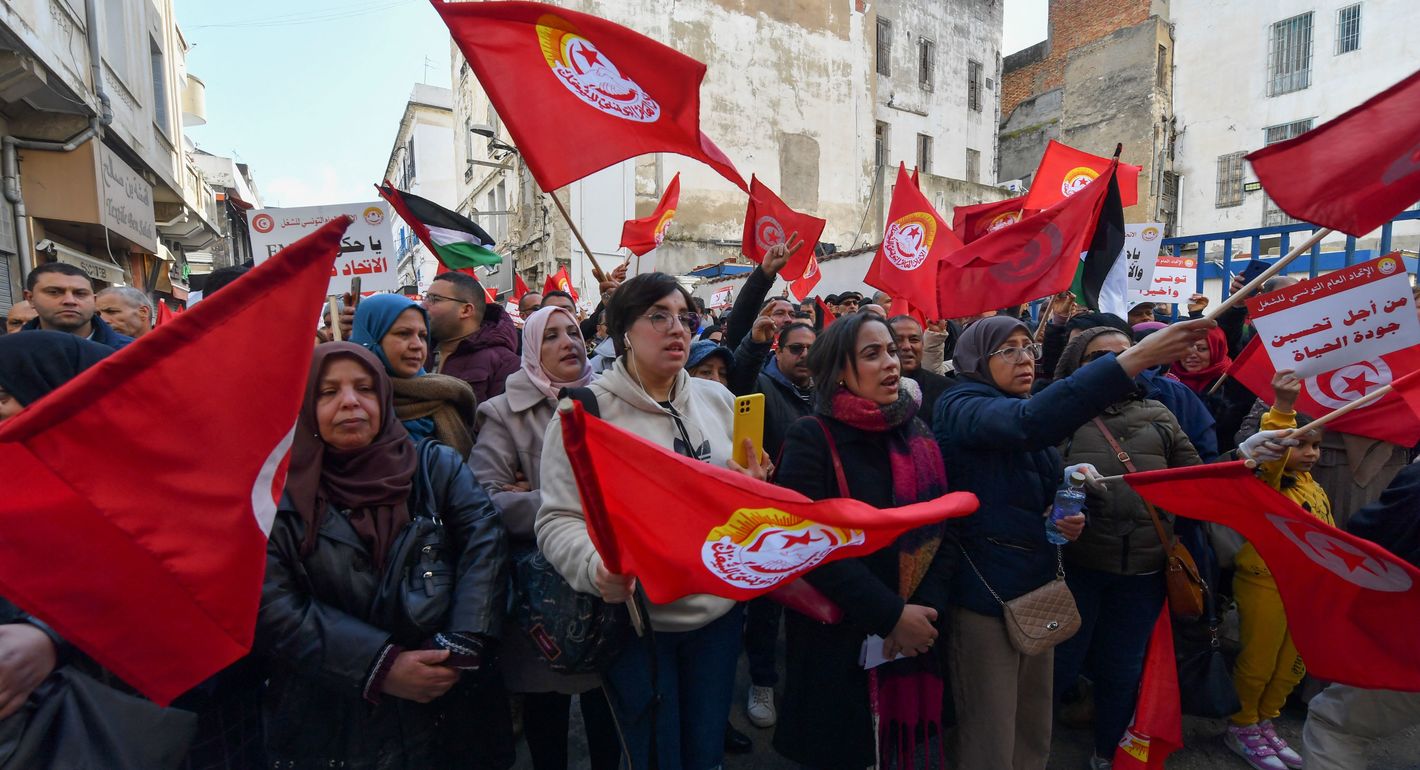
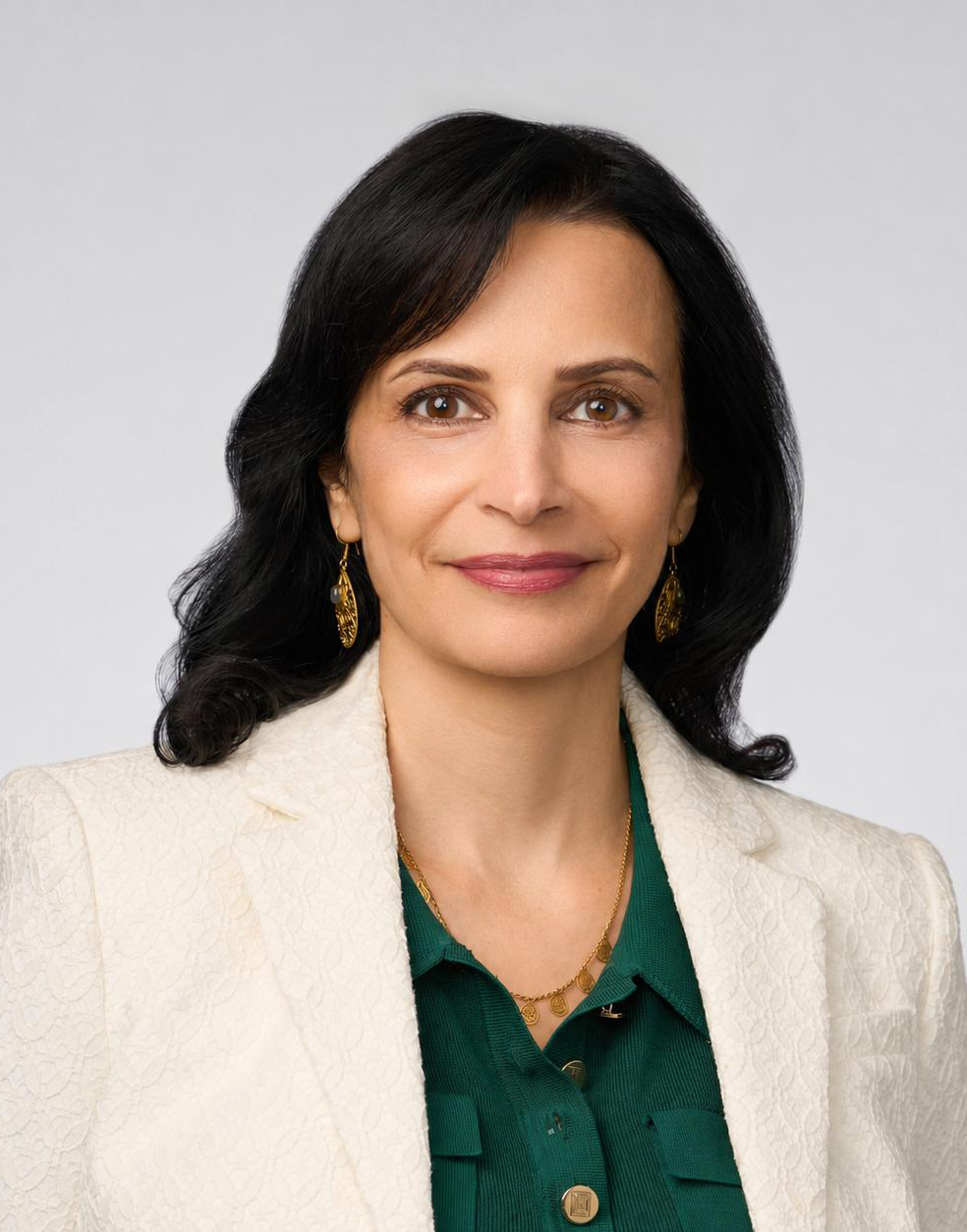
As members, organizers, and leaders, women continue to play an important role in the General Union of Tunisian Workers and advance its political advocacy.
Heba F El-Shazli
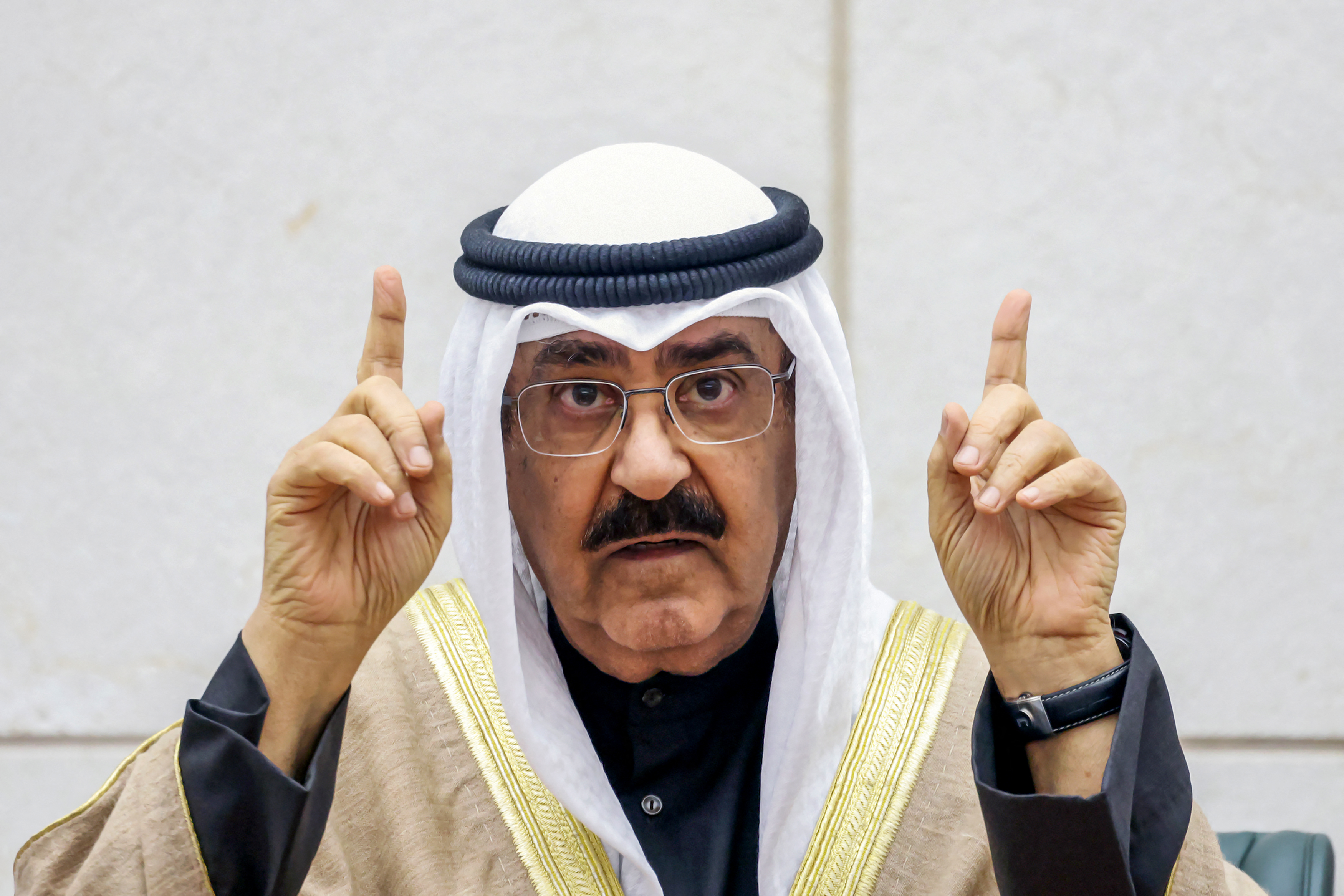
The emir has just put parliament and the constitution on the backburner, but for what purpose?

Nathan J. Brown
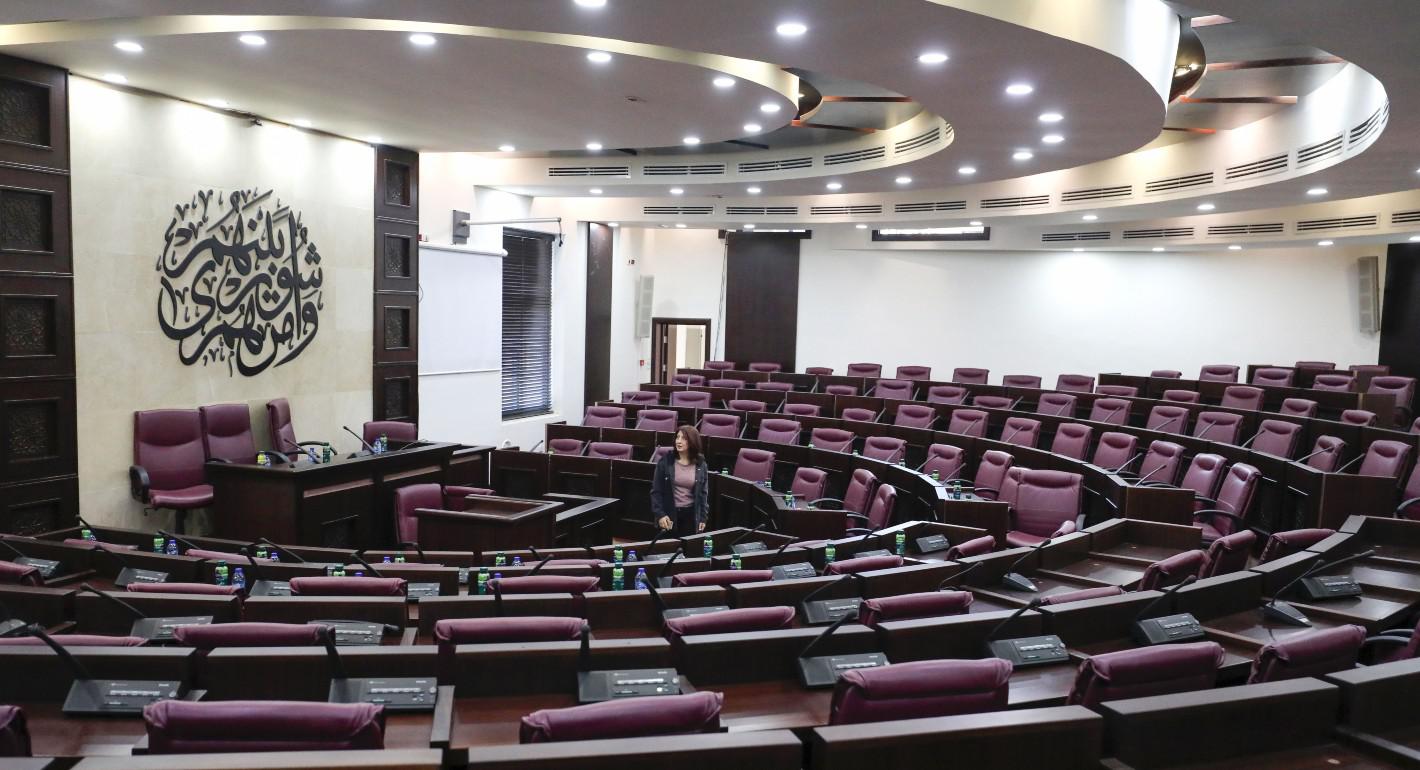
Despite the current fragmentation in leadership, Palestine could present itself as a national community under a set of authoritative institutions.

Nathan J. Brown, Sanaa Alsarghali
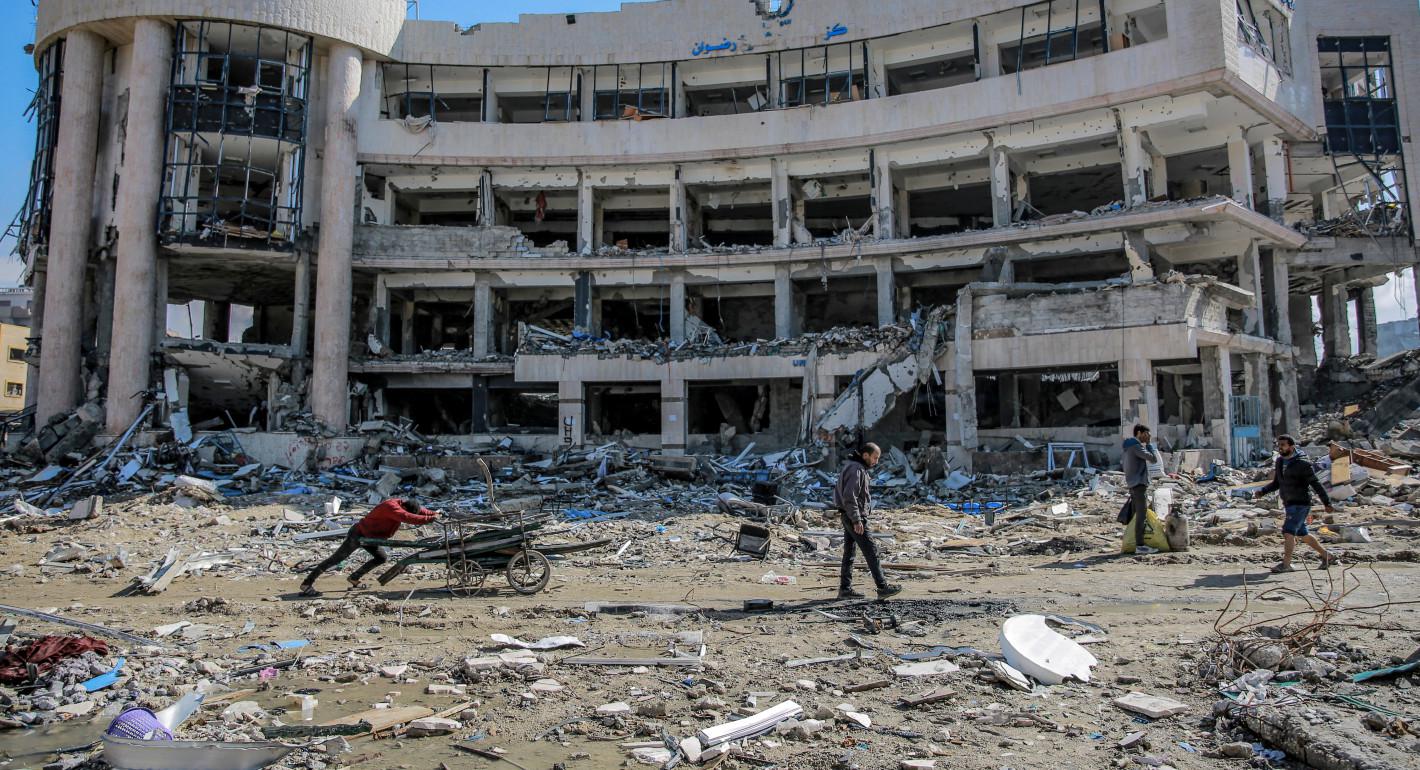
In the second of this four-part series, experts analyze Palestinian outlooks on what happens after the fighting abates.
Mkhaimar Abusada, Zaha Hassan, Sanaa Alsarghali, …