

Paper
Douglas H. Paal
{
  "authors": [
    "Douglas H. Paal"
  ],
  "type": "legacyinthemedia",
  "centerAffiliationAll": "dc",
  "centers": [
    "Carnegie Endowment for International Peace",
    "Carnegie China"
  ],
  "collections": [
    "China’s Foreign Relations",
    "U.S.-China Relations"
  ],
  "englishNewsletterAll": "asia",
  "nonEnglishNewsletterAll": "",
  "primaryCenter": "Carnegie Endowment for International Peace",
  "programAffiliation": "AP",
  "programs": [
    "Asia"
  ],
  "projects": [],
  "regions": [
    "North America",
    "United States",
    "East Asia",
    "China"
  ],
  "topics": [
    "Economy",
    "Trade",
    "Foreign Policy"
  ]
}
Source: Getty
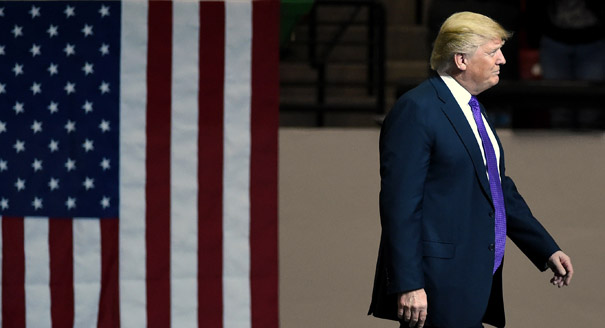
The prospects for the Trans-Pacific Partnership look dim in the face of a Trump administration, which may open opportunities for China to take the lead in the Pacific region.
Source: CNBC
Speaking to CNBC, Carnegie’s Douglas H. Paal stated his perspectives on the future of the TPP in the wake of Trump’s electional victory and transition into the presidency.
“I think the situation is one were the American people really want to see him show big change, and he can’t ignore that promise, that expectation,” Paal said. “But at the same time, you can’t tear the temple down and expect to be able to have services, to be able to do business. So it’s going to come out somewhere in between.
“We’re at the point where nobody is sending really clear signals from the Trump transition: it’s the usual three to four weeks of chaos before the main players are identified and they start to impose order on the process. And so I think it’s something you have to ride through for a little while until we get better direction from the administration.”
When asked about whether the TPP can survive in any way without U.S. involvement, Paal said, “Probably not, though I think they can make an effort. They are going to have a meeting at APEC in Lima, Peru, this weekend and the eleven other members will explore whether there’s some way to bring it together. But the big draw to TPP was getting into the American market and getting America into the other markets—and that is missing now. I would describe TPP as in a coma—it is not dead, but it’s not showing great prospects either.
“Interestingly, this is going to give a chance to China to take the lead as the responsible stakeholder in the Pacific. They’re the signers of the climate control document that’s now being questioned by the Trump team; they’re the people who got a free trade Asia-Pacific proposal, which they borrowed from the U.S. back in the 90’s, and are now taking forward, without the United States. So we may see a shift of leadership roles from the Obama administration and its pivot to Asia, to China and something else.”
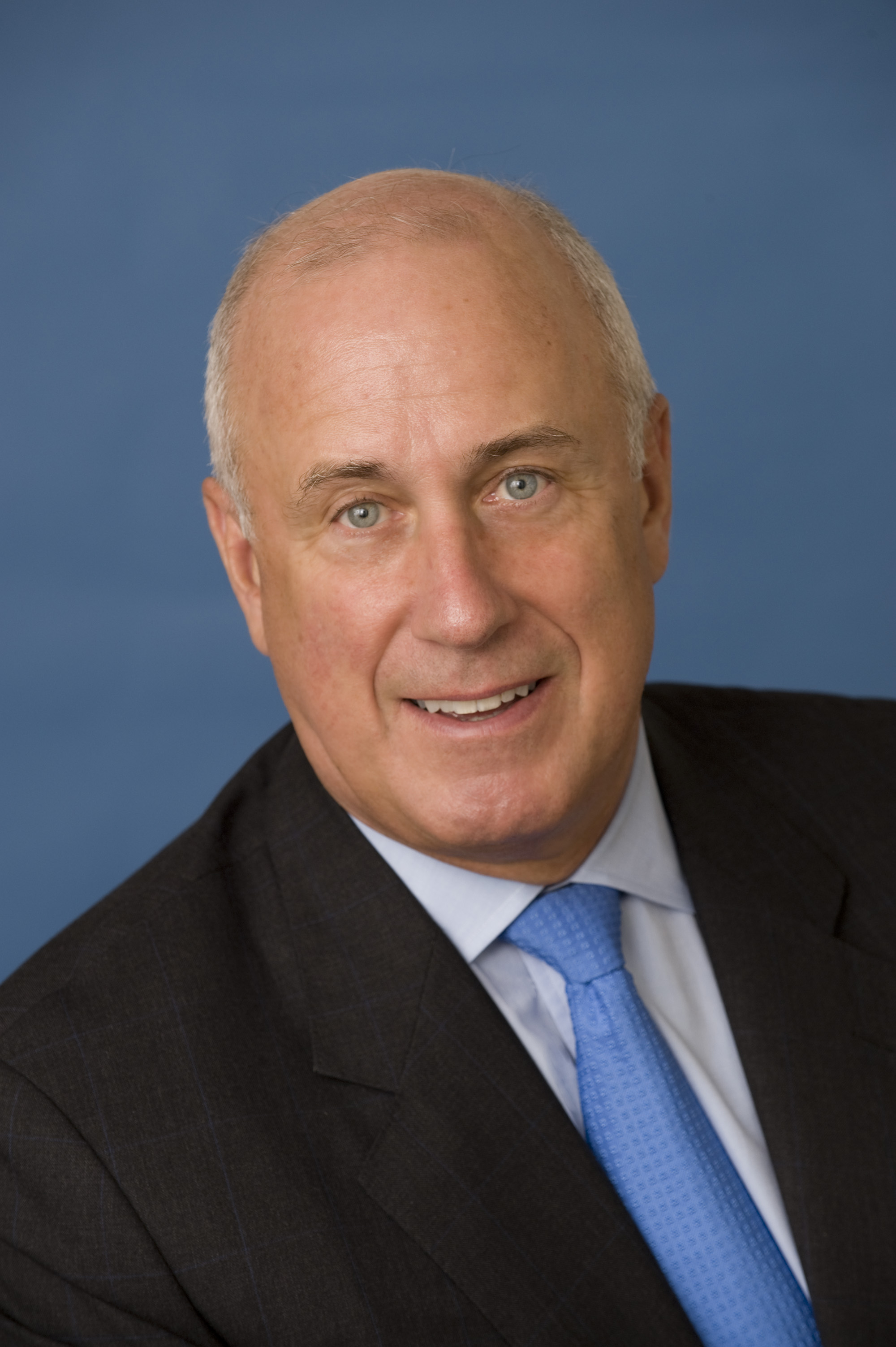
Distinguished Fellow, Asia Program
Paal previously served as vice chairman of JPMorgan Chase International and as unofficial U.S. representative to Taiwan as director of the American Institute in Taiwan.
Recent Work
Douglas H. Paal

Douglas H. Paal, Tong Zhao, Chen Qi, …
Carnegie does not take institutional positions on public policy issues; the views represented herein are those of the author(s) and do not necessarily reflect the views of Carnegie, its staff, or its trustees.

Huawei pushed hard to enter the Egyptian data centers market, until the Americans made a better offer.

Angie Omar

Middle Eastern states should welcome an accelerated U.S. disengagement from their region.

Michael Young

In an interview, former ambassador Charles Freeman assesses the Trump administration’s war against Iran.
Michael Young

By failing to address Palestinian representation, the current process is bound to lead to just another temporary arrangement.

Nathan J. Brown

The armed forces champion a form of capitalism that is generating revenue, but its reliance on rent faces diminishing returns, leaving the country with massive sunk costs and deferred returns, deepening dependency on external borrowing.

Yezid Sayigh