

Commentary
Ulrich Kühn
{
  "authors": [
    "Ulrich Kühn"
  ],
  "type": "other",
  "centerAffiliationAll": "dc",
  "centers": [
    "Carnegie Endowment for International Peace"
  ],
  "collections": [],
  "englishNewsletterAll": "ctw",
  "nonEnglishNewsletterAll": "",
  "primaryCenter": "Carnegie Endowment for International Peace",
  "programAffiliation": "NPP",
  "programs": [
    "Nuclear Policy"
  ],
  "projects": [],
  "regions": [],
  "topics": [
    "Nuclear Policy",
    "Arms Control"
  ]
}
Source: Getty
The question of the resilience of arms control and disarmament institutions to different political or other pressures rests mainly on their continued ability to function effectively.
Source: Security and Human Rights
The goal of a world free from nuclear weapons is directly related to the issues of international institutions and deterrence. Assuming that it would be possible, first, to move to significantly lower numbers of nuclear weapons and then to zero nuclear weapons, governing institutions would have to be resilient enough to respond in a timely manner and to uphold the bargain. But what factors determine and influence institutional resilience? And what would be the likely role of deterrence? This article first assesses what the general IR narratives tell us about determining factors. It then examines two empirical cases from the realm of arms control institutions (the CFE and the NPT treaties) and asks why these agreements are not as effective as intended. The next section discusses three additional factors of influence and identifies a shared interest in overcoming the deterrence principle as a key variable for institutional cooperation and as a factor that continues to influence resilience and effectiveness. The last section presents the conclusions.
This article was originally published in Security and Human Rights.

Former Nonresident Scholar, Nuclear Policy Program
Ulrich Kühn was a nonresident scholar at the Carnegie Endowment for International Peace, and the head of the arms control and emerging technologies program at the Institute for Peace Research and Security Policy at the University of Hamburg.
Recent Work
Ulrich Kühn
Ulrich Kühn
Carnegie does not take institutional positions on public policy issues; the views represented herein are those of the author(s) and do not necessarily reflect the views of Carnegie, its staff, or its trustees.

In an interview, Marc Lynch discusses his new book decrying the post-1990 U.S.-dominated order in the Middle East.

Michael Young
Both events also could force Washington to rethink or revive its Middle East partnerships.

Karim Sadjadpour
Disagreement between the United States and Iran over a revived nuclear accord may anchor volatile competition.

George Perkovich
A regular survey of experts on matters relating to Middle Eastern and North African politics and security.
Michael Young
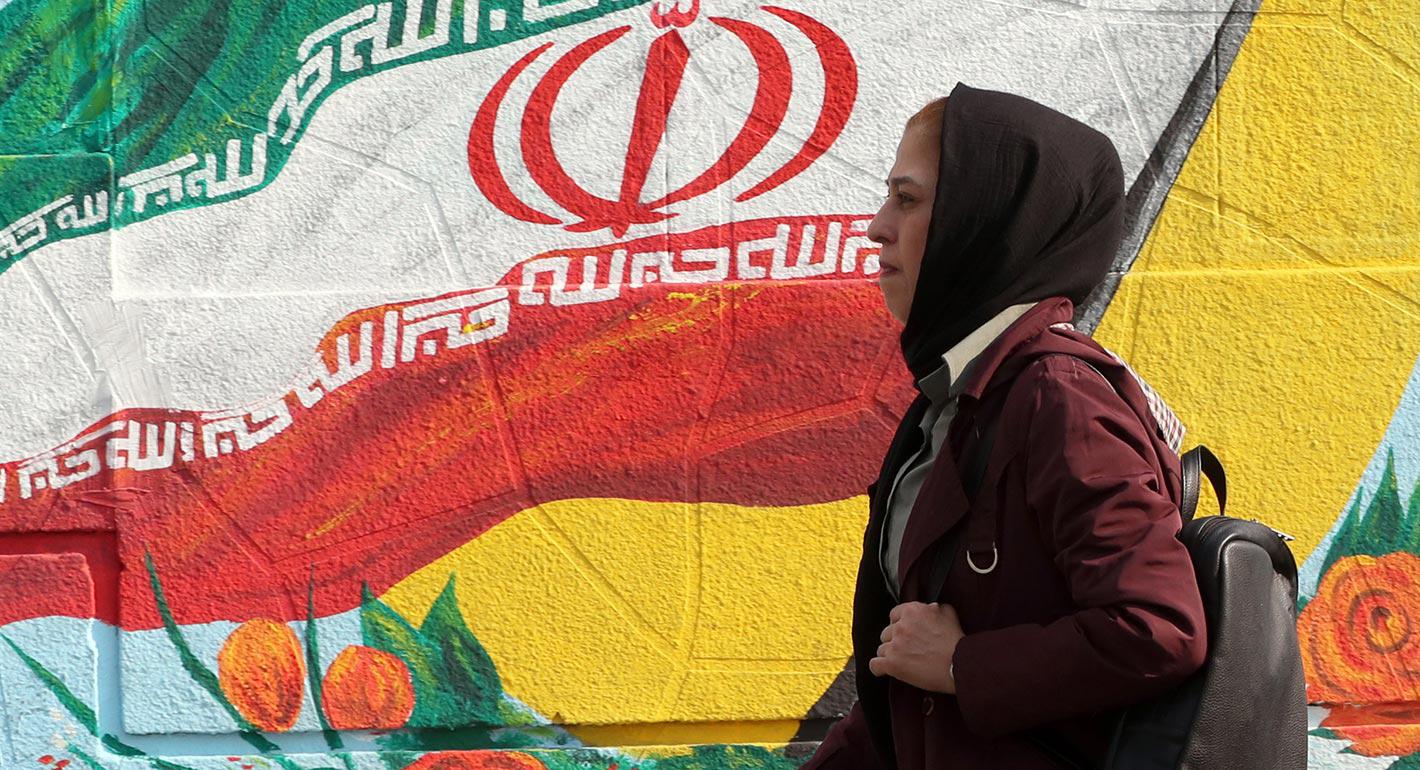
The British, French, and German foreign ministers have formally accused Iran of breaking the terms of the 2015 Iran nuclear deal, a step that could lead to sanctions. Are the Europeans preparing to pull the plug?
Jarrett Blanc