

Report
Tim Maurer, Arthur Nelson
{
  "authors": [
    "Tim Maurer"
  ],
  "type": "other",
  "centerAffiliationAll": "dc",
  "centers": [
    "Carnegie Endowment for International Peace"
  ],
  "collections": [
    "Cyber and Digital Policy"
  ],
  "englishNewsletterAll": "ctw",
  "nonEnglishNewsletterAll": "",
  "primaryCenter": "Carnegie Endowment for International Peace",
  "programAffiliation": "NPP",
  "programs": [
    "Nuclear Policy",
    "Technology and International Affairs"
  ],
  "projects": [],
  "regions": [
    "Iran"
  ],
  "topics": [
    "Foreign Policy",
    "Technology"
  ]
}
Source: Getty
States use proxies to project power through cyberspace, some capable of causing significant harm. But there is a lack of clarity on what, exactly, the term ‘proxy’ means.
Source: Journal of Conflict and Security Law
States use proxies to project power through cyberspace, some capable of causing significant harm. In recent years, media outlets have published reports about proxies using Information and Communications Technologies (ICTs) from Northeast Asia to India, Pakistan, the Middle East, and Eastern Europe. Two of the landmark documents providing insight into how the international community thinks about rules of the road for cyberspace explicitly reference the term ‘proxies’. However, neither report defines ‘proxy’, nor does the term easily translate into non-English languages. This article therefore reviews what this term means and how it has been used in various contexts. It focuses on the subset of proxies that are non-state actors used by a state actor, analysing the different logical distinctions and levels of detachment between a state and a non-state actor’s activity. The goal is 2-fold: first, to provide a framework to think about the diverse array of existing proxy definitions; second, to conceptualise the relationships between a state and non-state proxies that can offer a guide for political decision-makers and a roadmap for future research on proxy actors and cyberspace.
This article was originally published in the Journal of Conflict and Security Law.
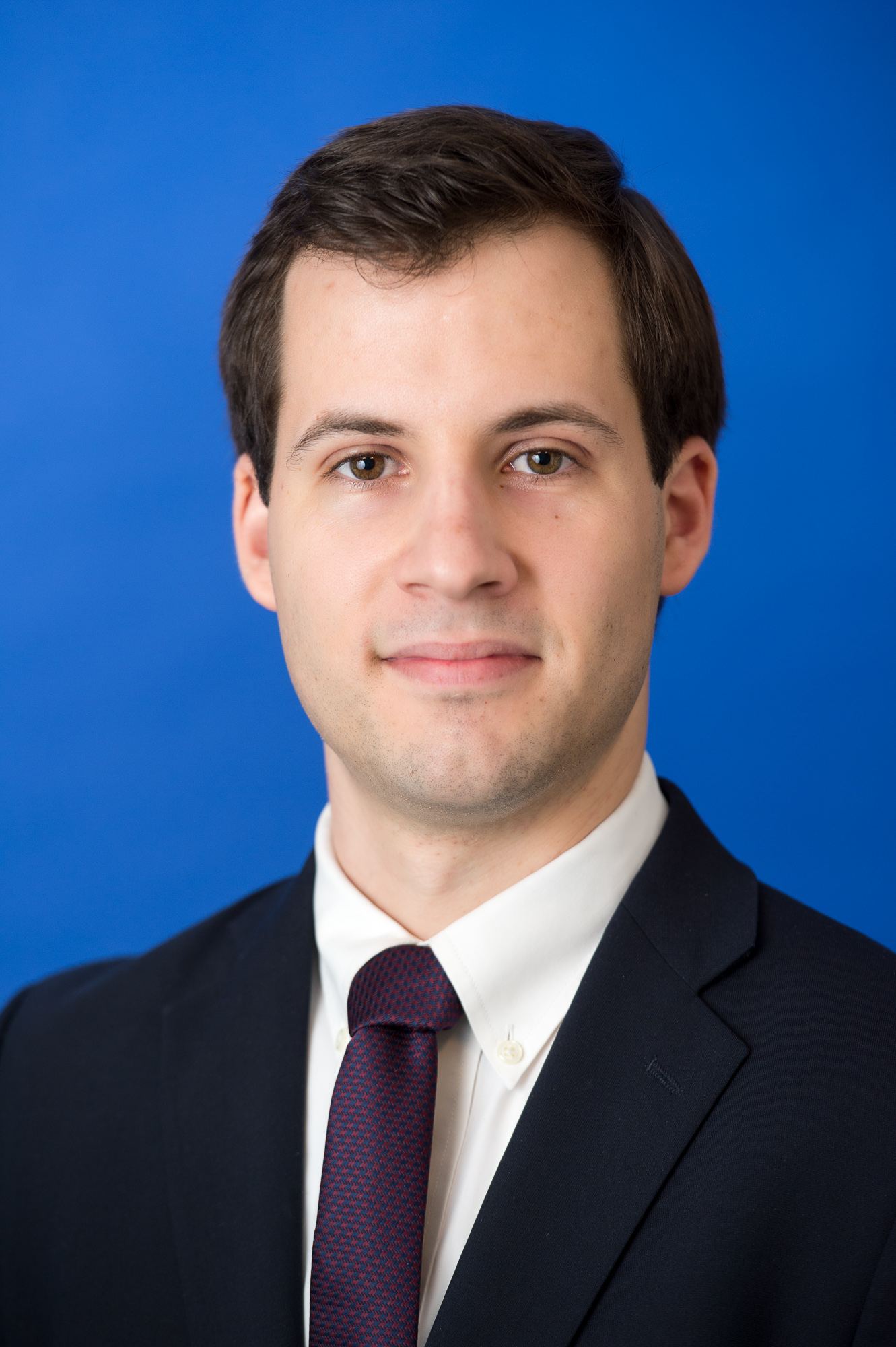
Former Senior Fellow, Technology and International Affairs Program
Dr. Tim Maurer was a senior fellow in Carnegie’s Technology and International Affairs program.
Recent Work

Tim Maurer, Arthur Nelson
Tim Maurer, Garrett Hinck
Carnegie does not take institutional positions on public policy issues; the views represented herein are those of the author(s) and do not necessarily reflect the views of Carnegie, its staff, or its trustees.

In an interview, Ian Lustick and Eli Clifton discuss their new book on why a prominent ally has so much influence in America.

Michael Young

As the U.S. stumbles in its war with Iran, we are likely to see an acceleration of its disengagement from the region.
Michael Young

Middle Eastern states should welcome an accelerated U.S. disengagement from their region.
Michael Young

In an interview, former ambassador Charles Freeman assesses the Trump administration’s war against Iran.
Michael Young

By failing to address Palestinian representation, the current process is bound to lead to just another temporary arrangement.

Nathan J. Brown