

Research
- +6
Yasmine Farouk, Nathan J. Brown, Maysaa Shuja Al-Deen, …
{
  "authors": [
    "Intissar Fakir"
  ],
  "type": "other",
  "centerAffiliationAll": "dc",
  "centers": [
    "Carnegie Endowment for International Peace"
  ],
  "collections": [],
  "englishNewsletterAll": "menaTransitions",
  "nonEnglishNewsletterAll": "",
  "primaryCenter": "Carnegie Endowment for International Peace",
  "programAffiliation": "MEP",
  "programs": [
    "Middle East"
  ],
  "projects": [],
  "regions": [
    "North Africa",
    "Morocco"
  ],
  "topics": [
    "Political Reform",
    "Economy"
  ]
}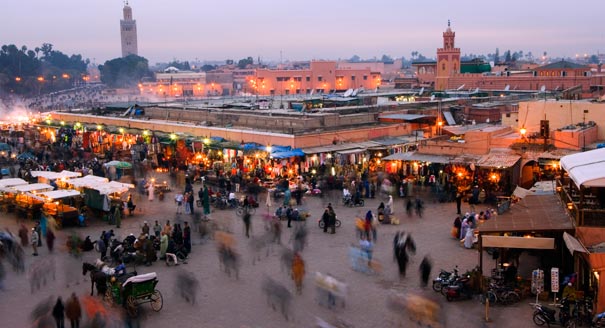
Source: Getty
The net effect of recent reforms and development programs in Morocco has been minimal, and that is largely by design.
Source: World Politics Review
For as long as many Moroccans can remember, they have been told that their country is moving toward reform. They have likewise heard about the government’s near-constant efforts to advance social and political development. But the net effect of these reforms and development programs, particularly in the political realm, has been minimal. That’s largely by design.
When King Mohammed VI ascended to the throne in 1999, he allowed greater freedoms of the press and enacted meaningful social reforms, such as the 2004 revision of the family code, which granted women greater rights and legal protections. He also oversaw efforts to address human rights violations committed during the rule of his father, Hassan II. Along with improving economic indicators, Morocco began to witness stronger respect for human rights and some social progress, including reduced poverty and infant mortality and improved literacy rates...
Former Fellow, Middle East Program, Editor in Chief, Sada
Intissar Fakir was a fellow and editor in chief of Sada in Carnegie’s Middle East Program.
Recent Work



Yasmine Farouk, Nathan J. Brown, Maysaa Shuja Al-Deen, …
Intissar Fakir
Carnegie does not take institutional positions on public policy issues; the views represented herein are those of the author(s) and do not necessarily reflect the views of Carnegie, its staff, or its trustees.

The armed forces champion a form of capitalism that is generating revenue, but its reliance on rent faces diminishing returns, leaving the country with massive sunk costs and deferred returns, deepening dependency on external borrowing.

Yezid Sayigh

Morocco and Algeria, each in its own way, are having to navigate the global economic fallout of the U.S.-Israeli military campaign against Iran.

Yasmine Zarhloule
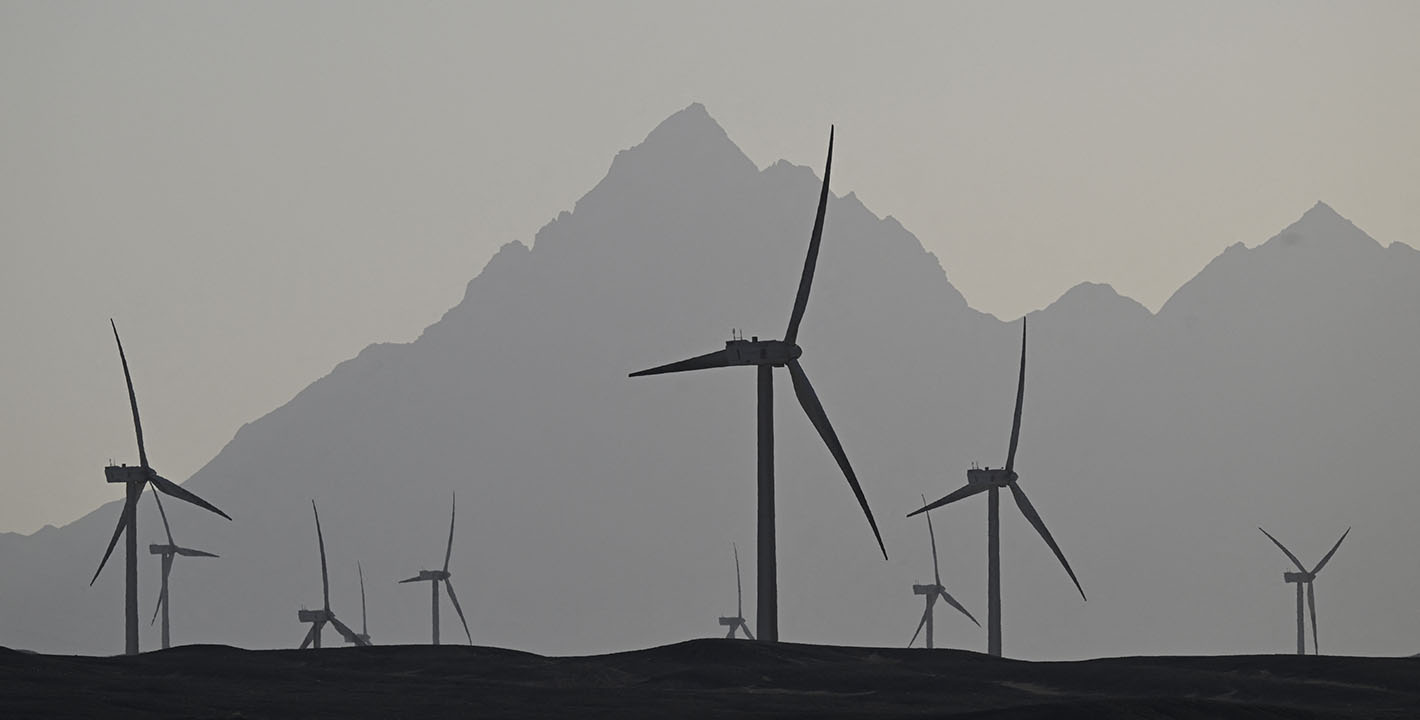
There is a disturbing structural parallel between the old global energy economy and the new green transition.

Angie Omar
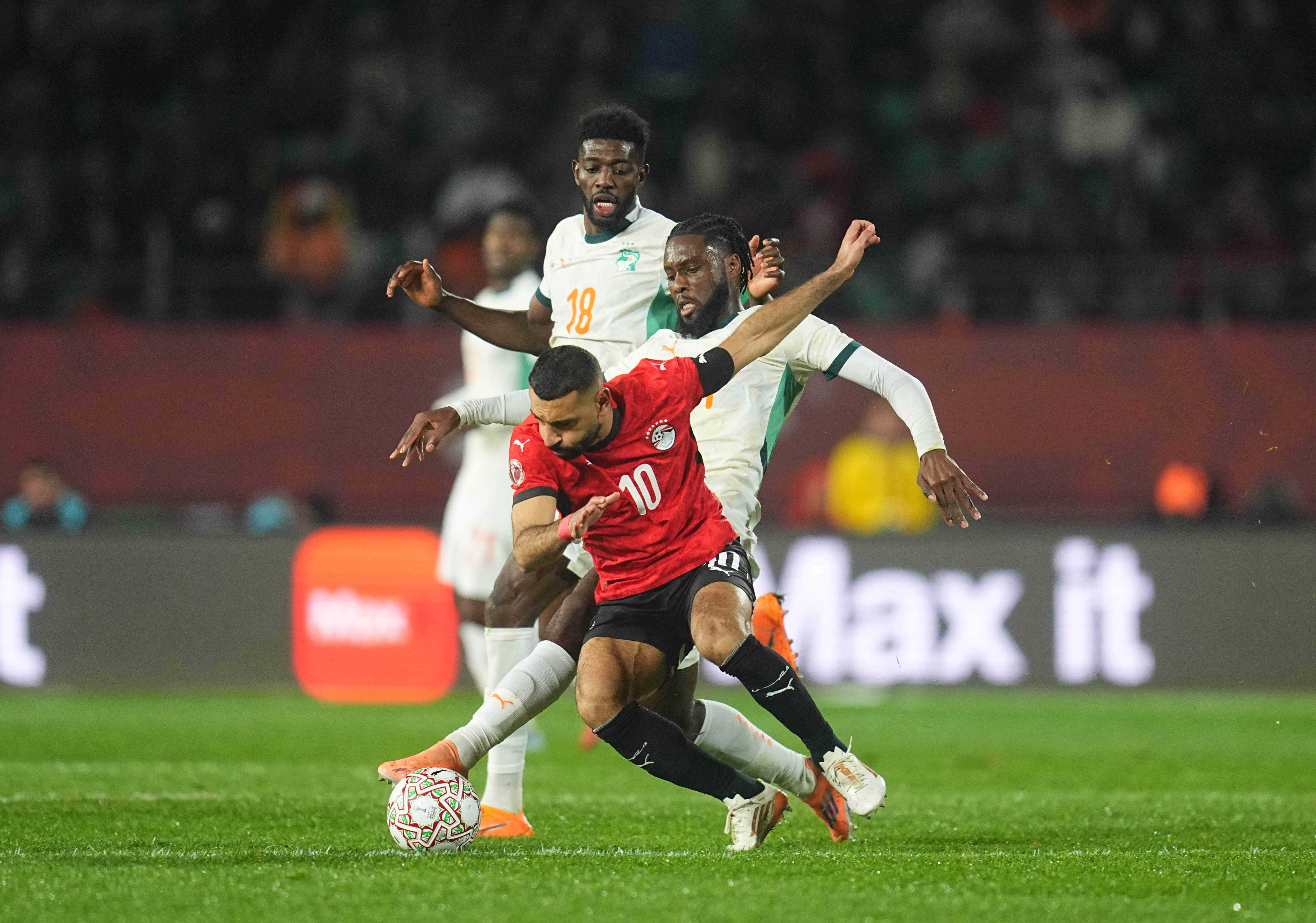
This will be the region’s most representative tournament, amid broad changes in its footballing landscape.

Issam Kayssi
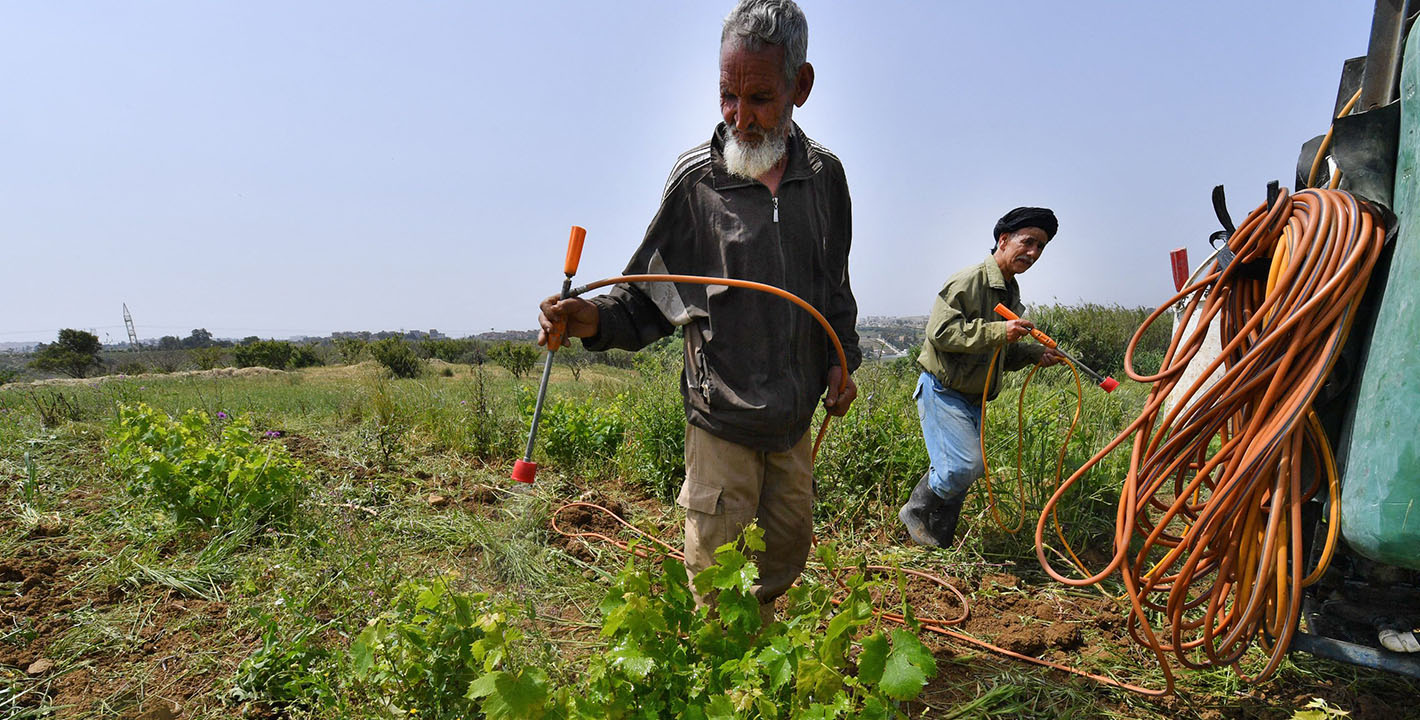
Understanding how farmers in the Oued Sahel-Soummam Valley grapple with climate change is essential for addressing the paradoxes through which adaptation, operating at both individual and institutional levels, deepens the region’s vulnerability and erodes the social fabric and agrarian identity that once defined life.

Ilyssa Yahmi