

Paper
Douglas H. Paal
{
  "authors": [
    "Douglas H. Paal"
  ],
  "type": "legacyinthemedia",
  "centerAffiliationAll": "dc",
  "centers": [
    "Carnegie Endowment for International Peace"
  ],
  "collections": [],
  "englishNewsletterAll": "asia",
  "nonEnglishNewsletterAll": "",
  "primaryCenter": "Carnegie Endowment for International Peace",
  "programAffiliation": "AP",
  "programs": [
    "Asia"
  ],
  "projects": [],
  "regions": [
    "North America",
    "United States",
    "East Asia",
    "South Korea",
    "China",
    "North Korea"
  ],
  "topics": [
    "Security",
    "Foreign Policy",
    "Nuclear Policy"
  ]
}
Source: Getty
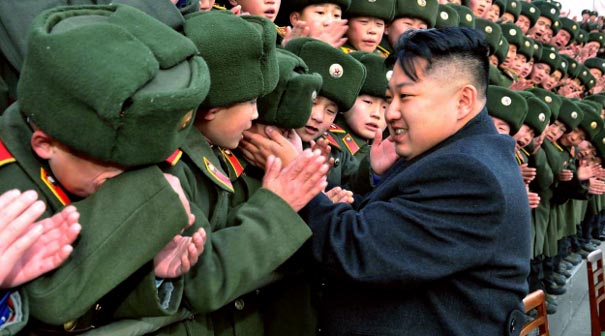
The Trump administration’s willingness to speak out on the North Korea nuclear issue and pressure Beijing on the same topic privately represents a break from the approach of past administrations.
Source: CGTN
Speaking on CGTN, Carnegie’s Douglas H. Paal argued that the Trump administration’s approach to the North Korea nuclear issue represents a break from the approach of past administrations. While other presidents were unwilling to combine high-profile public rhetoric with intense private pressure on Beijing to resolve the issue, this appears to be the President Trump’s preferred set of tactics, at least so far.
Paal also explained that, although the administration is committed publicly to total denuclearization, they still have yet to make decisions on important issues like whether the United States is willing to accept a freeze at current levels of nuclear capabilities in return for sanctions relief and other forms of aid.
Paal noted that if the two sides were to enter into a direct negotiation, the North would likely begin by demanding many politically infeasible concessions from the other side. He argued that the United States and its allies should recognize this and put together a feasible counteroffer before the negotiations begin.
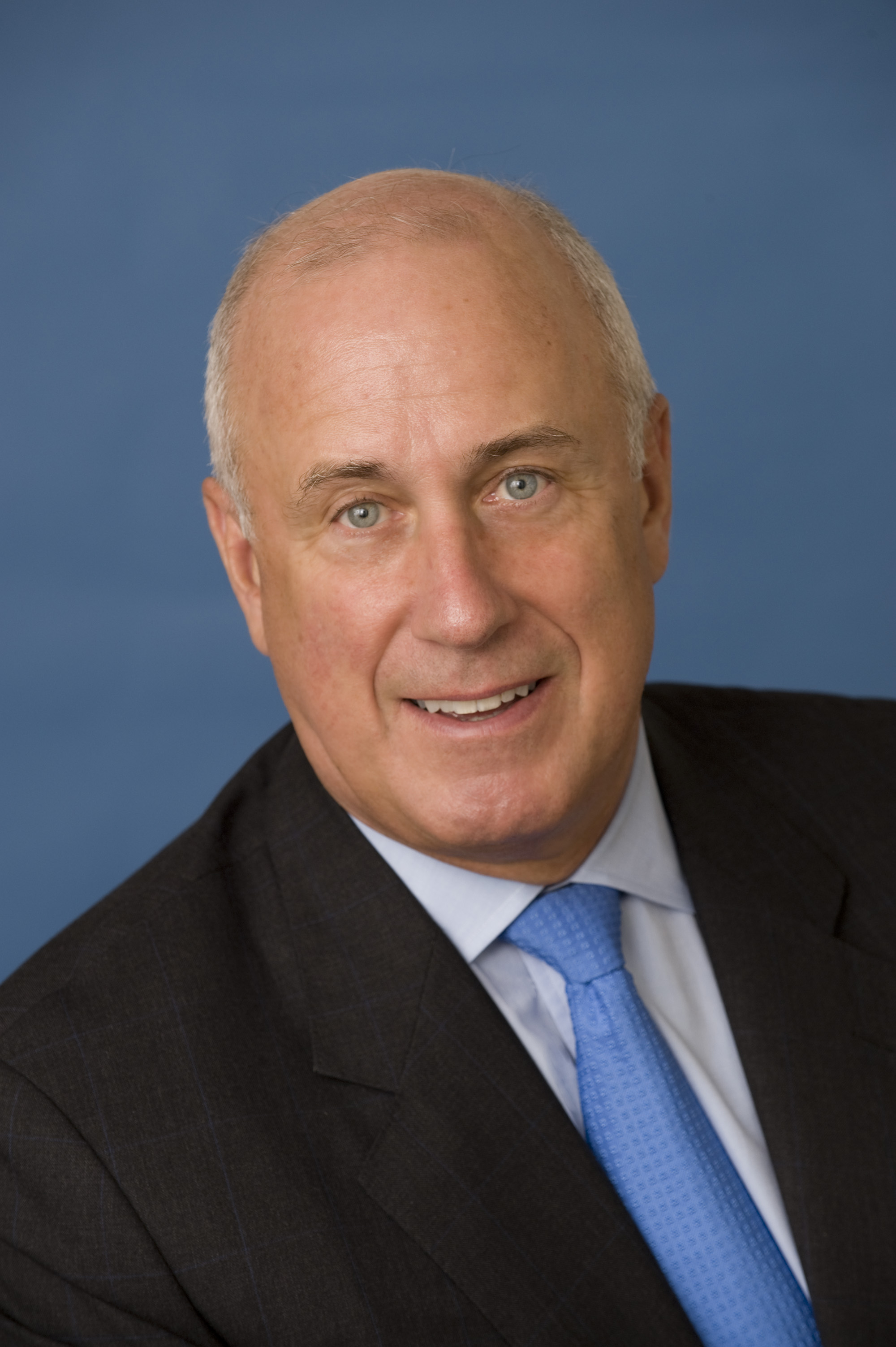
Distinguished Fellow, Asia Program
Paal previously served as vice chairman of JPMorgan Chase International and as unofficial U.S. representative to Taiwan as director of the American Institute in Taiwan.
Recent Work
Douglas H. Paal

Douglas H. Paal, Tong Zhao, Chen Qi, …
Carnegie does not take institutional positions on public policy issues; the views represented herein are those of the author(s) and do not necessarily reflect the views of Carnegie, its staff, or its trustees.
As talks begin between Washington and Tehran, Beirut has an opening to advance a regional plan for the party’s disarmament.

Michael Young
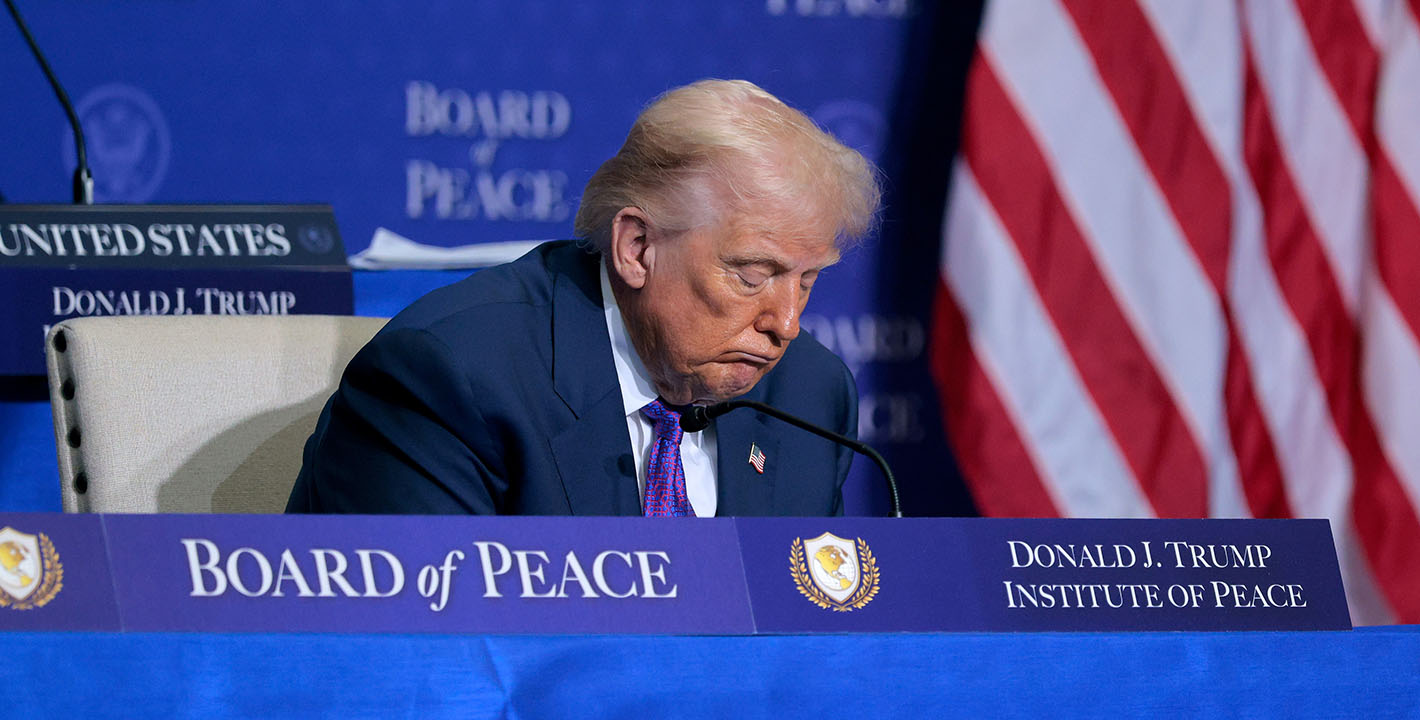
What is behind Marco Rubio’s announcement that the body is now an international nongovernmental organization?
Zaha Hassan
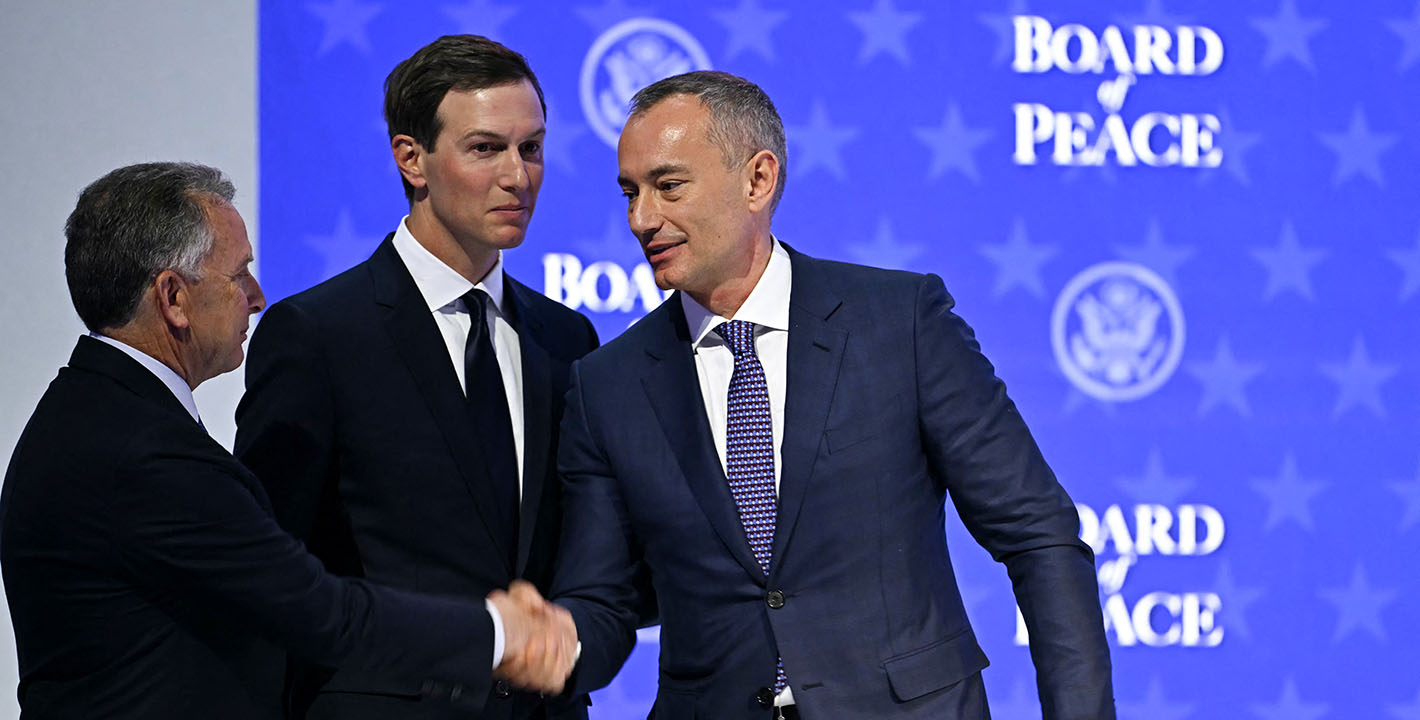
Policy discussion is ignoring that the Palestinian national project is hollowed out and apartheid is a present danger.

Nathan J. Brown
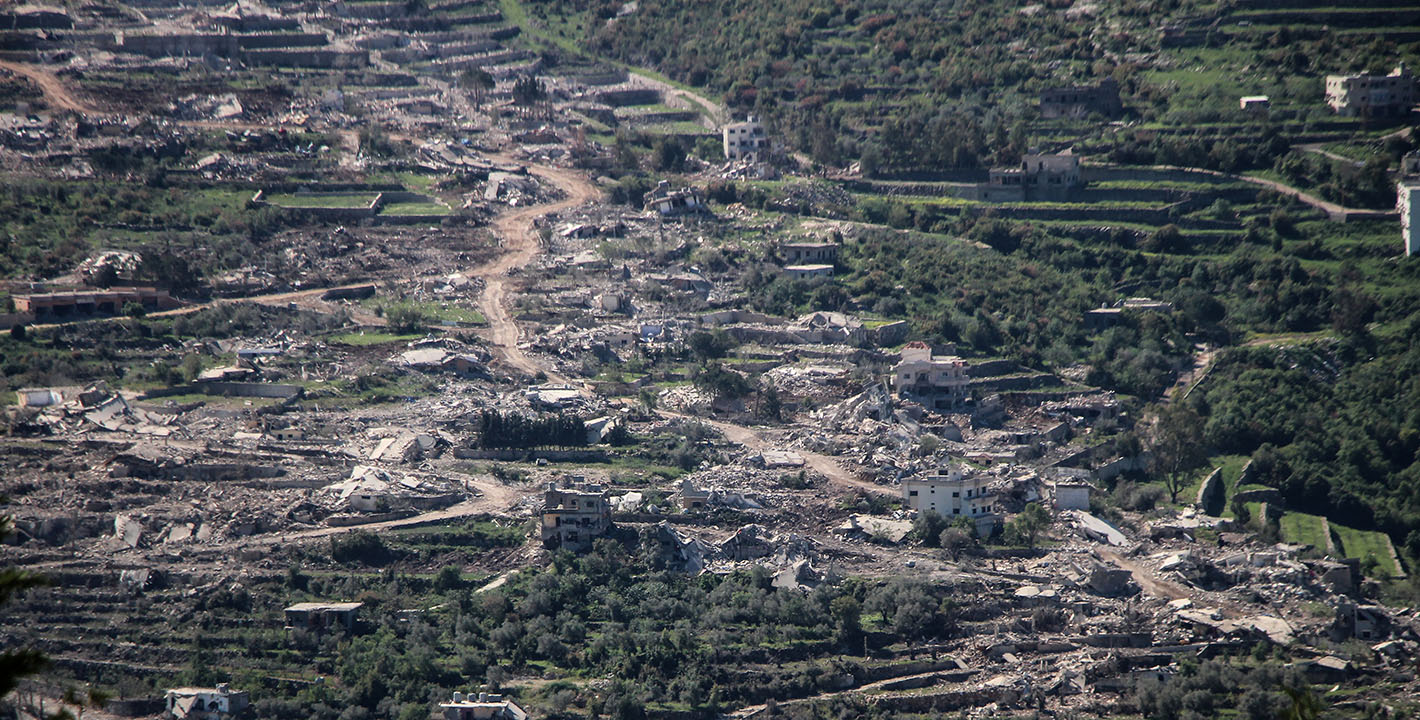
As negotiations with Iran and Lebanon continue, chaos is at the heart of the Netanyahu government’s calculations.
Michael Young
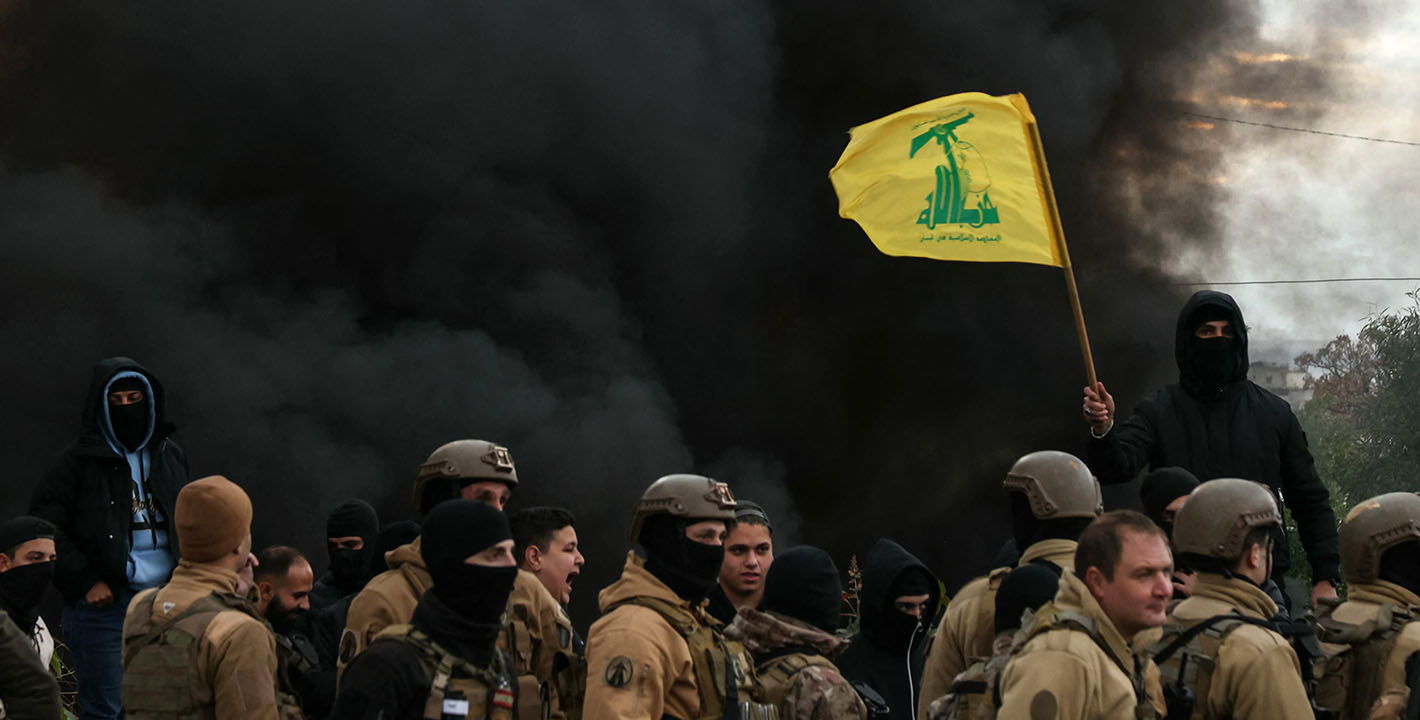
The party’s domestic and regional roles have changed, so Lebanon should devise a disarmament strategy that encompasses this.
Michael Young