

Commentary
Ulrich Kühn
{
  "authors": [
    "Ulrich Kühn"
  ],
  "type": "legacyinthemedia",
  "centerAffiliationAll": "dc",
  "centers": [
    "Carnegie Endowment for International Peace"
  ],
  "collections": [],
  "englishNewsletterAll": "ctw",
  "nonEnglishNewsletterAll": "",
  "primaryCenter": "Carnegie Endowment for International Peace",
  "programAffiliation": "NPP",
  "programs": [
    "Nuclear Policy"
  ],
  "projects": [],
  "regions": [
    "Russia"
  ],
  "topics": [
    "Nuclear Policy"
  ]
}
Source: Getty
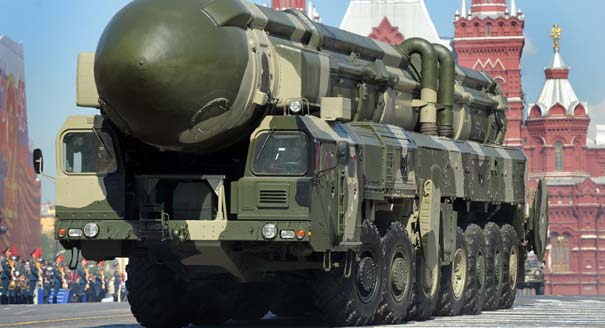
Uncertainty swirls around the U.S.-Russia nuclear relationship in light of new questions concerning Russian nuclear force advancement and the U.S. response.
Source: CSIS
Ulrich Kühn, Carnegie associate and Stanton nuclear security fellow, answers questions on CSIS “Russian Roulette” on Russian nuclear force advancement and the U.S. response. Though Russian leadership may appear to be amenable to arms control negotiations, Kühn explains, chances for tangible discussions are slim as neither of the major topics of concern are free of constraints: Russia’s violation of the INF Treaty and questions surrounding the new American administration’s commitment to the New START Treaty. At present, the U.S.-Russia relationship should be about maintaining the staus quo and, if possible, advancing it slightly in positive fashion.

Former Nonresident Scholar, Nuclear Policy Program
Ulrich Kühn was a nonresident scholar at the Carnegie Endowment for International Peace, and the head of the arms control and emerging technologies program at the Institute for Peace Research and Security Policy at the University of Hamburg.
Recent Work
Ulrich Kühn
Ulrich Kühn
Carnegie does not take institutional positions on public policy issues; the views represented herein are those of the author(s) and do not necessarily reflect the views of Carnegie, its staff, or its trustees.
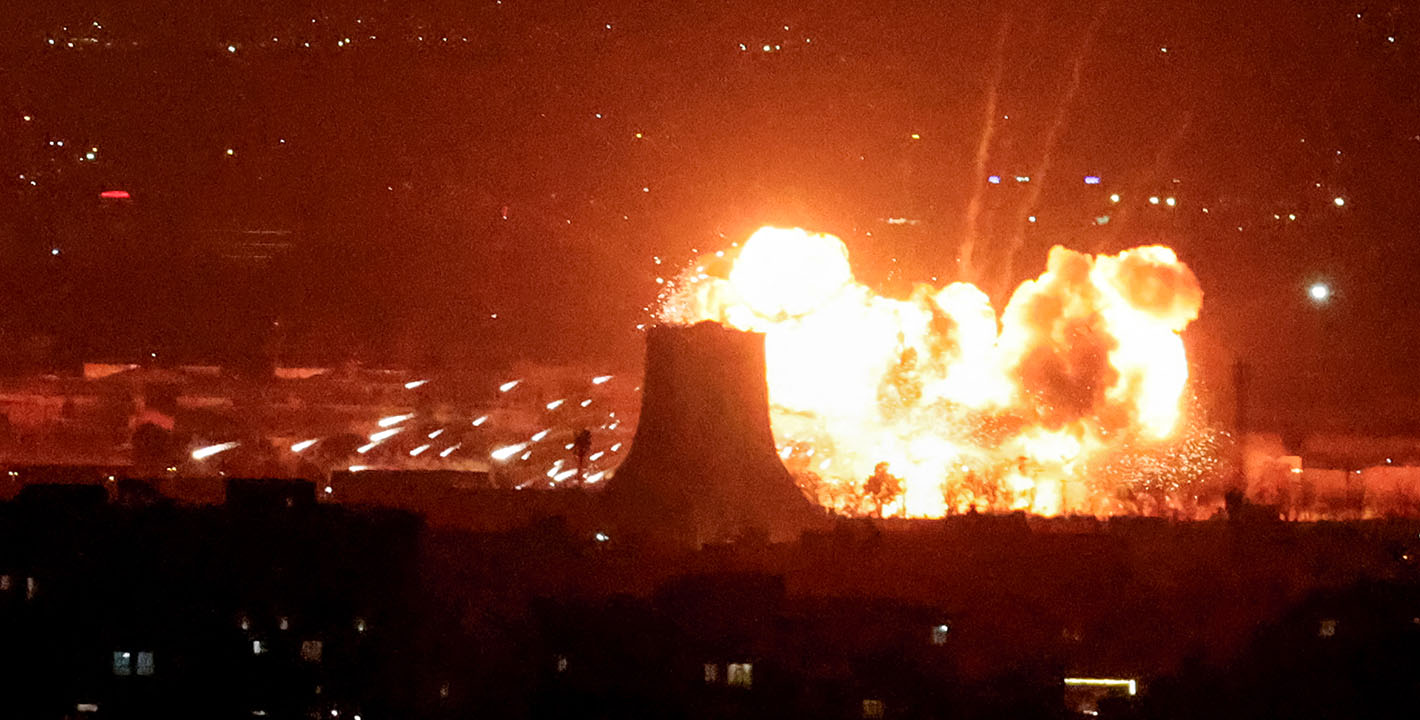
In an interview, Marc Lynch discusses his new book decrying the post-1990 U.S.-dominated order in the Middle East.

Michael Young

The country’s leadership is increasingly uneasy about multiple challenges from the Levant to the South Caucasus.

Armenak Tokmajyan
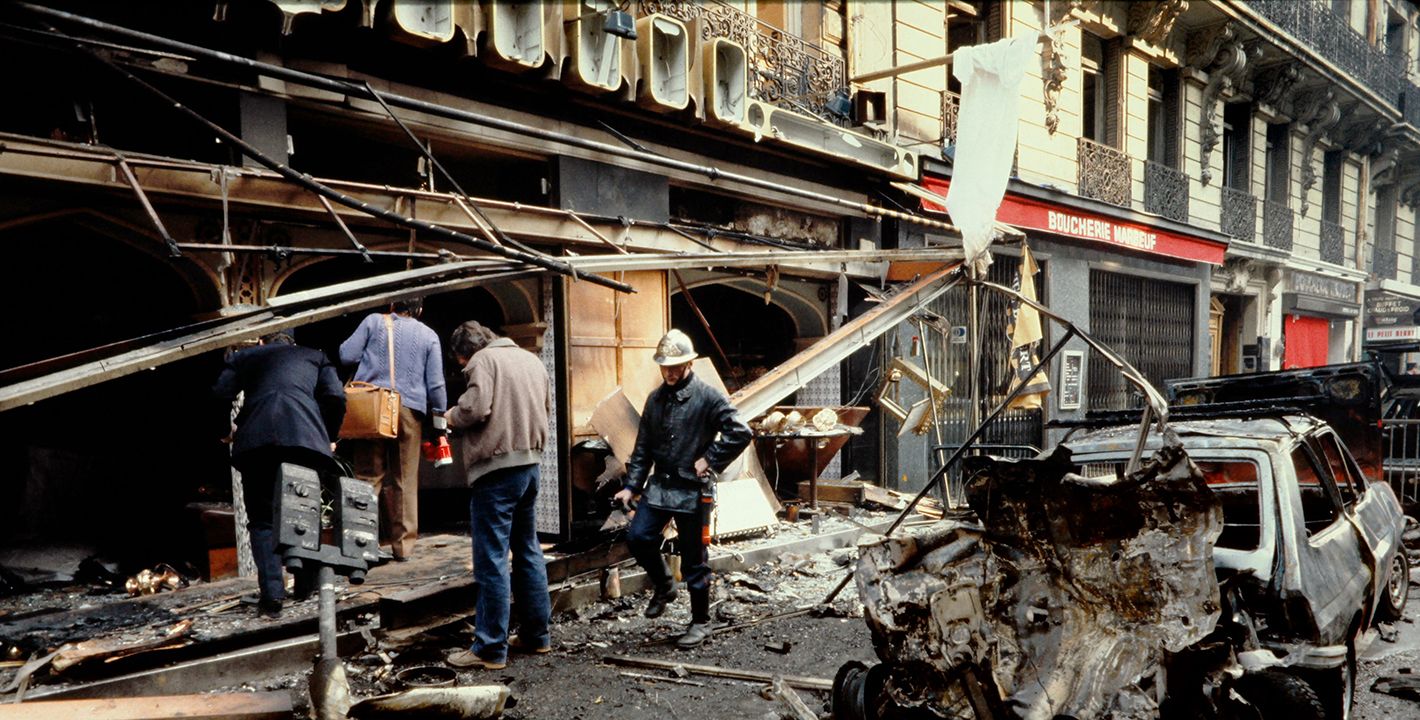
In an interview, Daniela Richterova speaks about her book on Czechoslovakia’s Cold War ties to Palestinian groups and others.
Michael Young
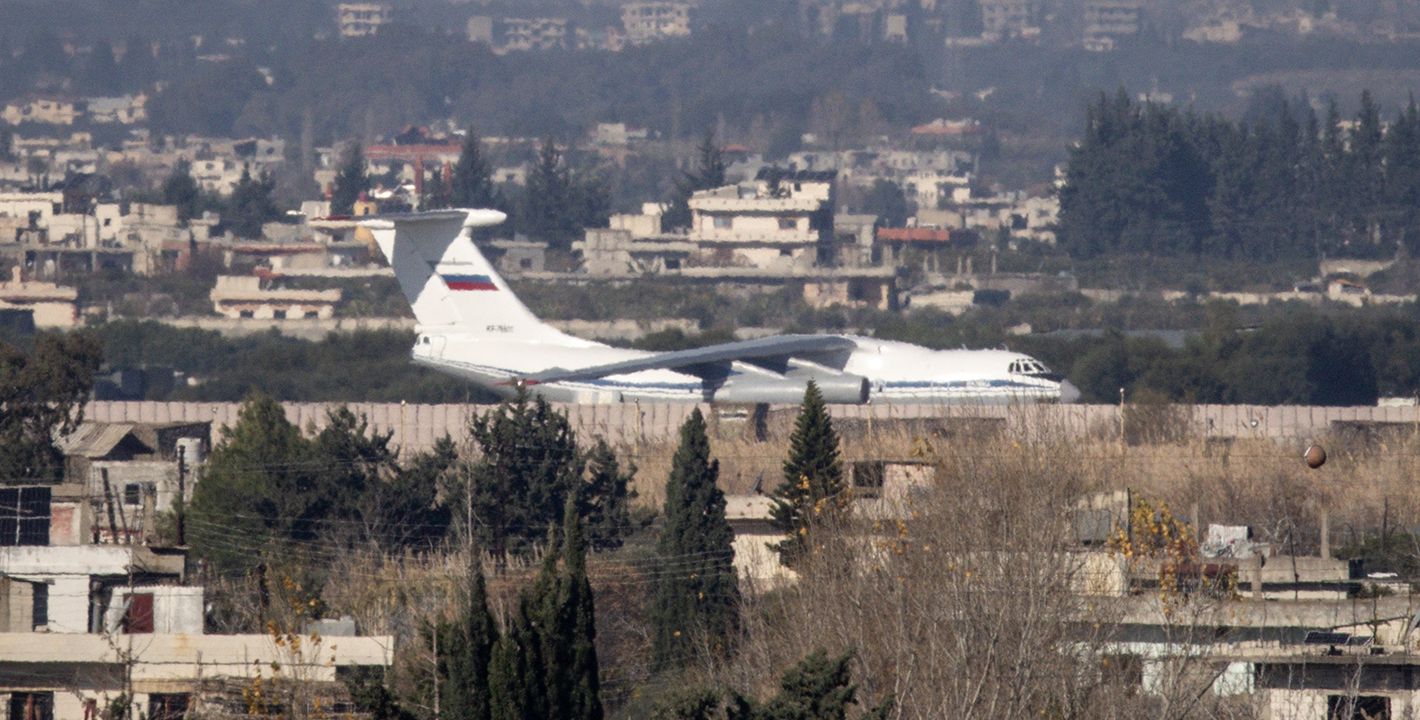
The downfall of the Assad regime represented a setback, but Russia’s primary focus remains Ukraine.
Sergei Melkonian
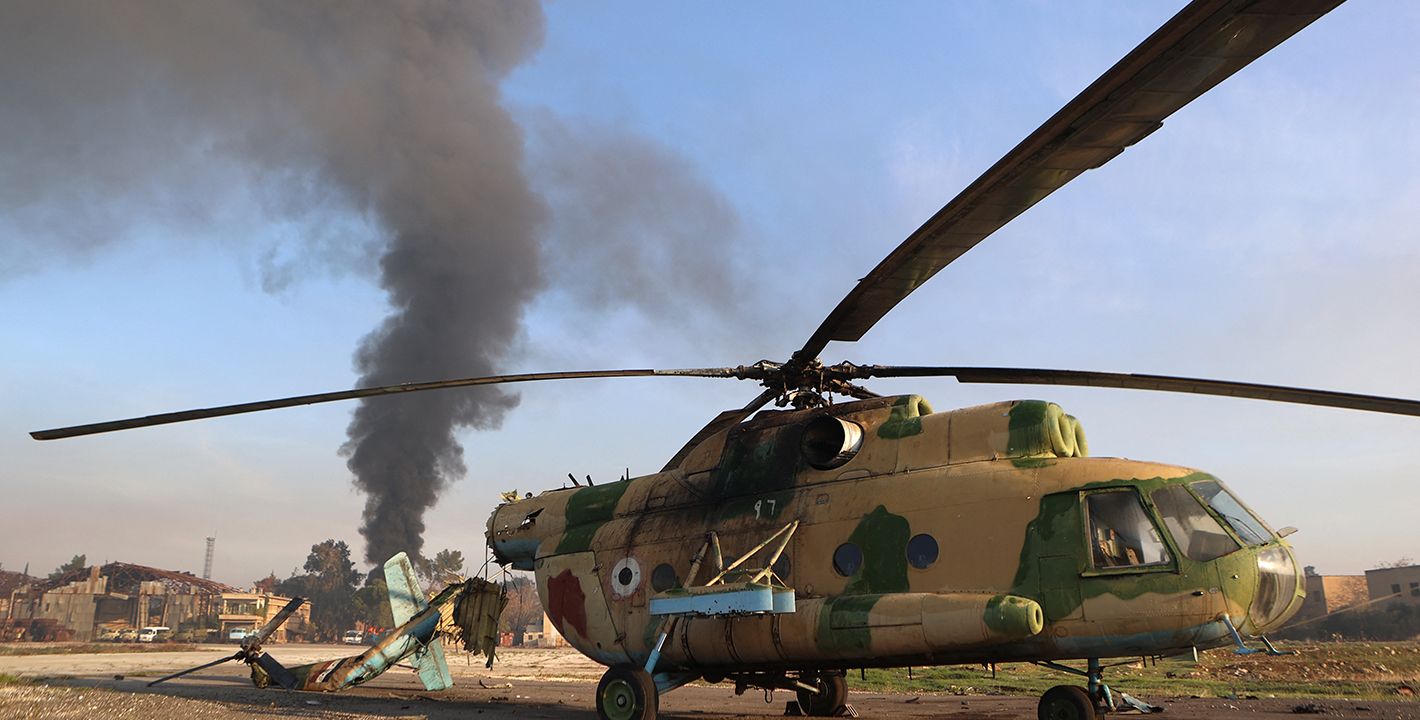
Why did Bashar al-Assad’s armed forces fail to act, unlike those in Egypt, Libya, Algeria, and Sudan?

Yezid Sayigh