

In The Media
David Rothkopf
{
  "authors": [
    "David Rothkopf"
  ],
  "type": "legacyinthemedia",
  "centerAffiliationAll": "dc",
  "centers": [
    "Carnegie Endowment for International Peace"
  ],
  "collections": [],
  "englishNewsletterAll": "asia",
  "nonEnglishNewsletterAll": "",
  "primaryCenter": "Carnegie Endowment for International Peace",
  "programAffiliation": "AP",
  "programs": [
    "Asia"
  ],
  "projects": [],
  "regions": [
    "South Asia",
    "India",
    "East Asia",
    "China"
  ],
  "topics": [
    "Economy",
    "Trade",
    "Global Governance"
  ]
}
Source: Getty
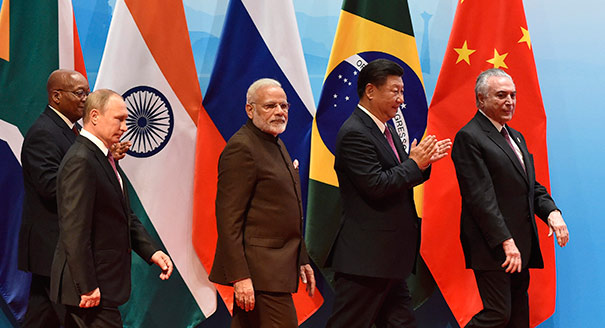
The original conception of BRICS, to bring together the world’s most important emerging markets, may have become obsolete, destined to be replaced by ChIPs: China and India Plus.
Source: National
Last week in Xiamen, China, the Chinese government rolled out the red carpet for the leaders of the Brics countries. There were banquets and musical galas and a host of announcements of new cooperation between Brazil, Russia, India, China and South Africa. A special focus was put on efforts to smooth over tensions between China and India that had recently flared in the Doklam region in the Himalayas along the border between the two countries. A statement was issued following the meeting between Chinese president Xi Jinping and India’s prime minister Narendra Modi, underscoring both sides agreement that the relationship was important and that every effort should be made to improve it. Importantly, the meeting ended with a joint statement condemning terrorism that, in a victory for the Indians, specifically called out several Pakistani-based terrorist organizations.

Former Visiting Scholar
David Rothkopf was a visiting scholar at the Carnegie Endowment as well as the former CEO and editor in chief of the FP Group.
Recent Work
David Rothkopf
David Rothkopf
Carnegie does not take institutional positions on public policy issues; the views represented herein are those of the author(s) and do not necessarily reflect the views of Carnegie, its staff, or its trustees.

Baku may allow radical nationalists to publicly discuss “reunification” with Azeri Iranians, but the president and key officials prefer not to comment publicly on the protests in Iran.

Bashir Kitachaev
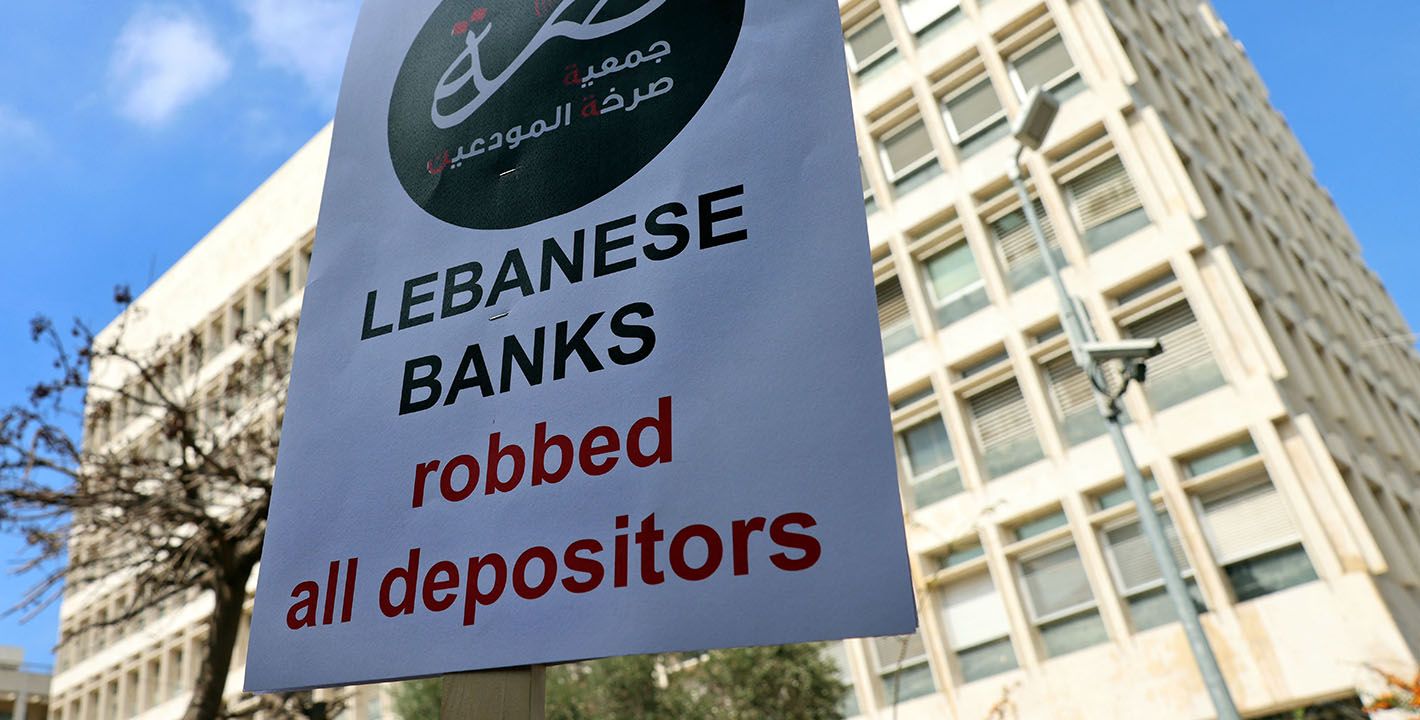
In an interview, Ishac Diwan looks at the merits and flaws in the draft legislation distributing losses from the financial collapse.

Michael Young

Mustaqbal Misr has expanded its portfolio with remarkable speed, but a lack of transparency remains.

Yezid Sayigh
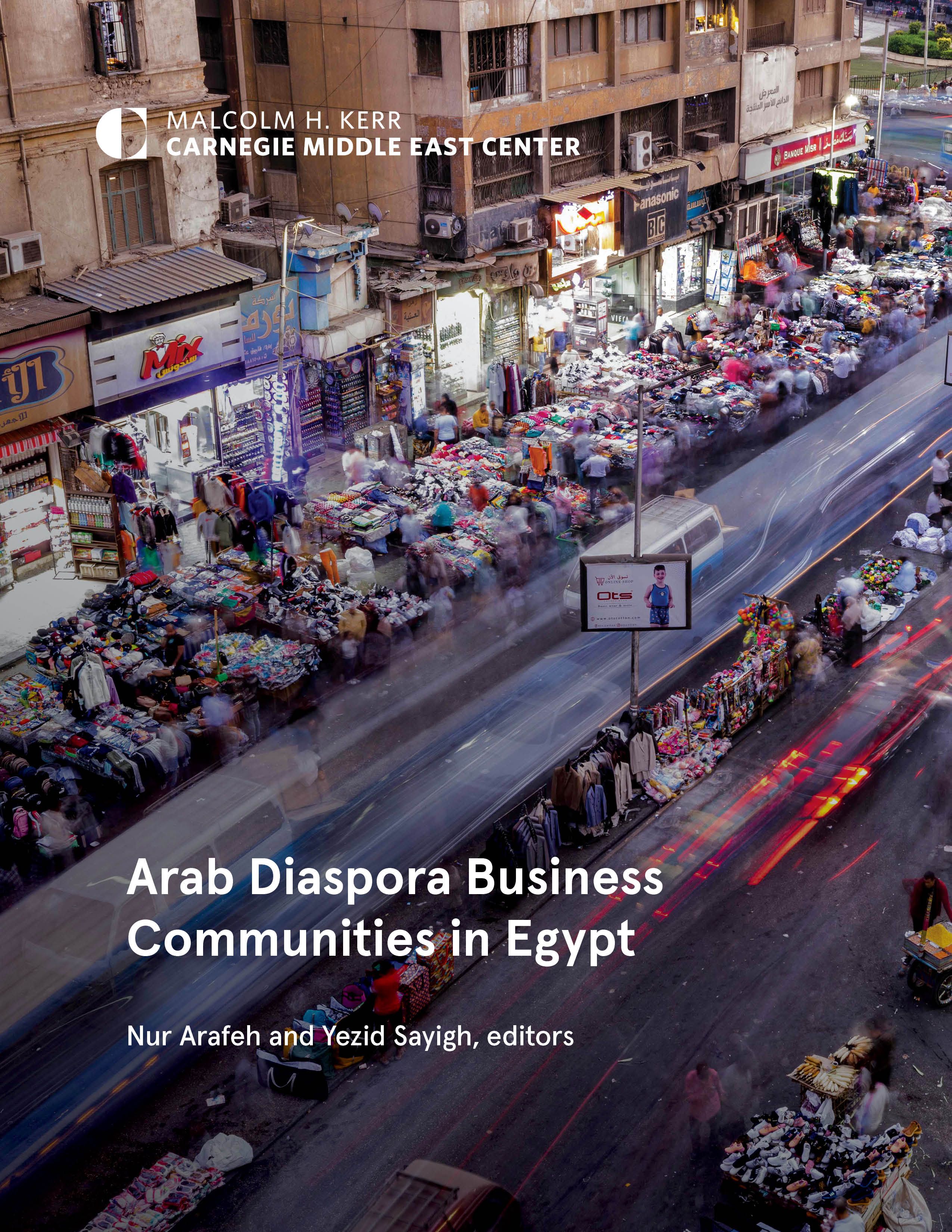
Arab diaspora business communities in Egypt often mirror the same systemic challenges facing Egyptian businesses.
Nur Arafeh, Yezid Sayigh, Qaboul al-Absi, …

Largely characterized thus far by a single-minded focus on extractivism, Riyadh must commit to greater equitability in its approach to investment and development deals with Sudan, Ethiopia, and Eritrea.
Hesham Alghannam