

Commentary
Huawei pushed hard to enter the Egyptian data centers market, until the Americans made a better offer.
Angie Omar
{
  "authors": [
    "Se Young Jang"
  ],
  "type": "legacyinthemedia",
  "centerAffiliationAll": "dc",
  "centers": [
    "Carnegie Endowment for International Peace"
  ],
  "collections": [
    "Korean Peninsula"
  ],
  "englishNewsletterAll": "ctw",
  "nonEnglishNewsletterAll": "",
  "primaryCenter": "Carnegie Endowment for International Peace",
  "programAffiliation": "NPP",
  "programs": [
    "Nuclear Policy"
  ],
  "projects": [],
  "regions": [
    "East Asia",
    "South Korea",
    "North Korea",
    "China",
    "Japan"
  ],
  "topics": [
    "Nuclear Policy"
  ]
}
Source: Getty
Amid escalating tensions, South Koreans have begun voicing their concerns about a nuclear-armed North Korea-and debating bringing U.S. tactical nuclear weapons back to the Korean peninsula.
Source: National Interest
North Korea increasingly poses a grave threat to its southern neighbor and the world by conducting a series of nuclear and missile tests. Amid this escalating tension on and around the Korean Peninsula, South Koreans have started voicing their concerns about a nuclear-armed North Korea.
A Korea Society Opinion Institute (KSOI) poll conducted September 8–9 shows that 68.2 percent of those surveyed believe that U.S. tactical nuclear weapons, which were withdrawn in 1991, should be redeployed to South Korea to protect the country from Pyongyang’s growing nuclear threat. A Gallup poll conducted September 5–7 also found that 60 percent of the respondents said that South Korea should arm itself with nuclear weapons. Extrapolating from the polls, some people could believe that an absolute majority of the South Koreans favors nuclear rearmament in response to a nuclear-armed North Korea.
Indeed, backed by the results of these latest polls, the right-wing Liberty Korea Party (LKP)—the main opposition party in South Korea—is further stepping up its demands for the redeployment of tactical nukes, not only to the South Korean government but also to the Trump administration. Having already adopted bringing back U.S. tactical nuclear weapons to South Korea as its party platform last month, the LKP argues that a “nuclear balance” is the best way to guarantee South Korea’s security in this dire situation. The LKP’s push for nuclear rearmament is in stark contrast with President Moon Jae-in’s policy of upholding a long-lasting principle of denuclearization of the Korean Peninsula, which he reconfirmed during his latest interview with CNN.
This article was originally published in National Interest
Former Nonresident Scholar, Nuclear Policy Program
Se Young Jang was a nonresident scholar in the Nuclear Policy Program at the Carnegie Endowment for International Peace.
Carnegie does not take institutional positions on public policy issues; the views represented herein are those of the author(s) and do not necessarily reflect the views of Carnegie, its staff, or its trustees.

Huawei pushed hard to enter the Egyptian data centers market, until the Americans made a better offer.

Angie Omar

In an interview, Marc Lynch discusses his new book decrying the post-1990 U.S.-dominated order in the Middle East.

Michael Young

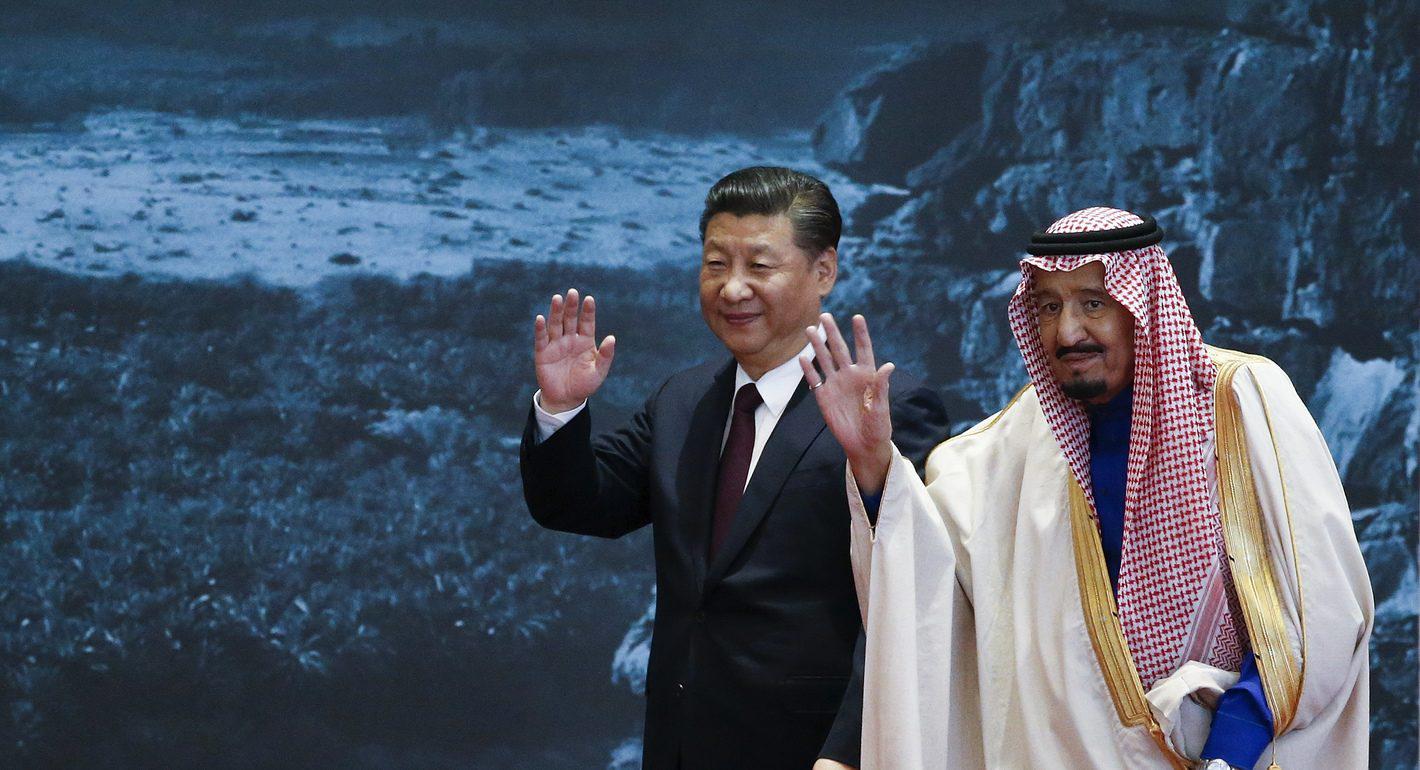
China has aligned its cooperation model with Saudi Arabia’s own priorities, most notably since the kingdom unveiled its Vision 2030. Although China announced the Belt and Road Initiative in 2013, the big push in relations happened only after the ascendance of King Salman to the throne in 2015 and Riyadh’s push for Beijing to meet Saudi needs.

Hesham Alghannam

The Gulf Cooperation Council has shifted its energy export focus to Asia, particularly India and China. This is part of a broader shift as GCC members look to expand their geopolitical alliances away from the West.
Alexandre Kateb
The advantage that China has over other global powers, especially America, is that its foreign policy is closely aligned with those of many of the Middle Eastern countries.

Jin Liangxiang, Maha Yahya, Hesham Alghannam