

Commentary
- +11
Cornelius Adebahr, Dan Baer, Rosa Balfour, …
{
  "authors": [
    "Erik Brattberg"
  ],
  "type": "legacyinthemedia",
  "centerAffiliationAll": "dc",
  "centers": [
    "Carnegie Endowment for International Peace"
  ],
  "collections": [],
  "englishNewsletterAll": "ctw",
  "nonEnglishNewsletterAll": "",
  "primaryCenter": "Carnegie Endowment for International Peace",
  "programAffiliation": "EP",
  "programs": [
    "Europe"
  ],
  "projects": [],
  "regions": [
    "Middle East",
    "North Africa",
    "Eastern Europe",
    "Western Europe",
    "Iran"
  ],
  "topics": [
    "Democracy",
    "Global Governance"
  ]
}
Source: Getty
Inconsistency in European strategy toward migrants largely comes from the need to develop a internal, unified, and regional immigration policy
Source: KBIA
Speaking on KBIA, Carnegie’s Erik Brattberg discussed how European policy has evolved since the summer of 2015 when the migration crisis exploded in Europe. Regardless of the fact that a migration plan has been adapted to accommodate newfound challenges, it still has its flaws, Brattberg said. He offered as an example the European deal with Turkey, which was largely designed to keep migrants in Turkey in exchange for European aid. A similar plan has been considered with Libya, another country through which a huge number of migrants attempt to enter Europe, but was never replicated because of government and internal instability, he added.
Inconsistency in European strategy largely comes from the need for the region to develop an internal, unified immigration policy, Brattberg said. He explained that this would be the first step towards resettling and redistributing migrants more equitably throughout the continent. Without such a policy, he added, states like Greece, Italy, and Germany will be forced to bear the brunt of the crisis. All in all, he concluded, this issue is essential to European national sovereignty and is the current focus of the European project.
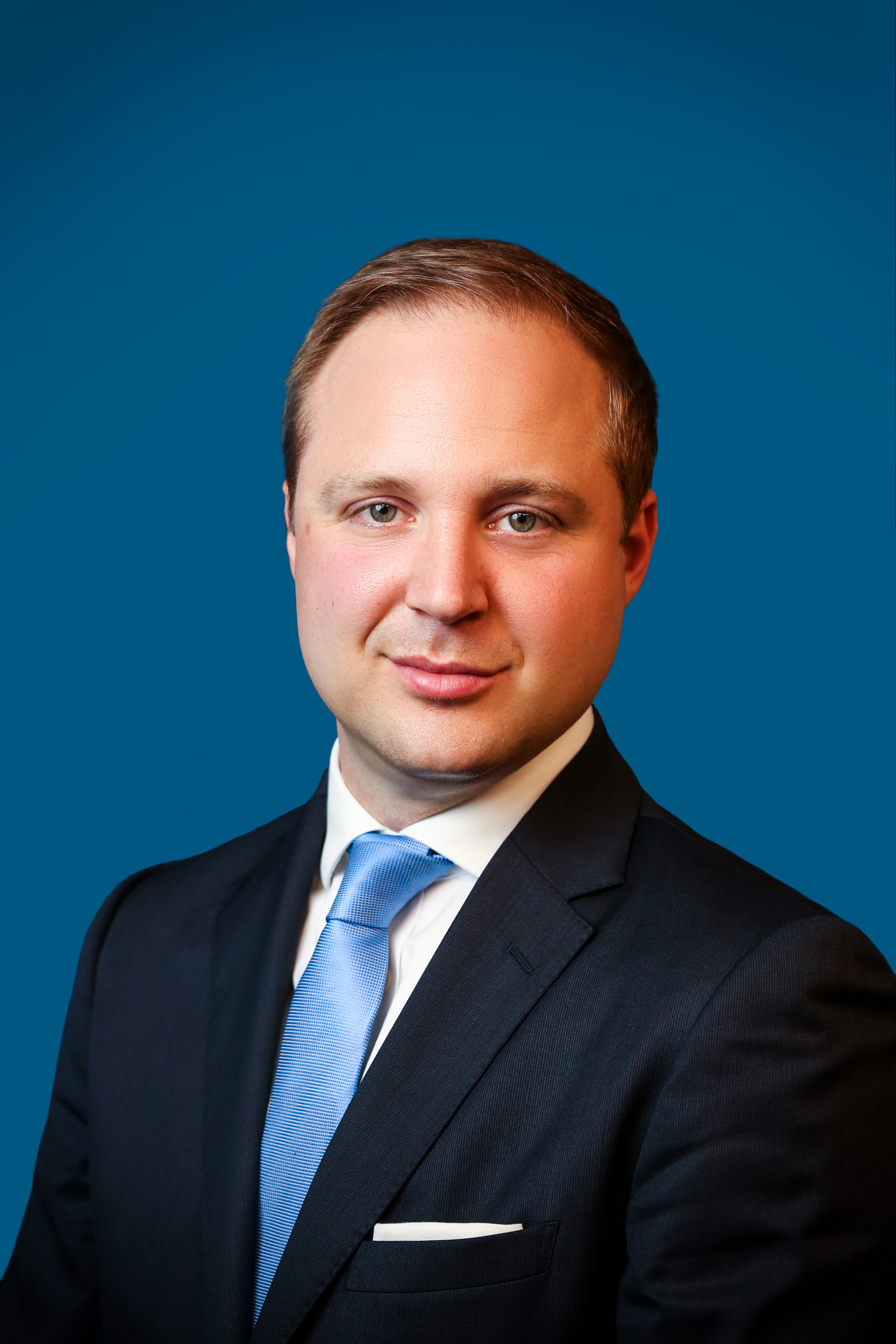
Former Director, Europe Program, Fellow
Erik Brattberg was director of the Europe Program and a fellow at the Carnegie Endowment for International Peace in Washington. He is an expert on European politics and security and transatlantic relations.
Recent Work


Cornelius Adebahr, Dan Baer, Rosa Balfour, …

Erik Brattberg, Philippe Le Corre, Paul Stronski, …
Carnegie does not take institutional positions on public policy issues; the views represented herein are those of the author(s) and do not necessarily reflect the views of Carnegie, its staff, or its trustees.

Huawei pushed hard to enter the Egyptian data centers market, until the Americans made a better offer.

Angie Omar

Middle Eastern states should welcome an accelerated U.S. disengagement from their region.

Michael Young

In an interview, former ambassador Charles Freeman assesses the Trump administration’s war against Iran.
Michael Young

The accord represents a pivotal moment in the region to avert a security vacuum in the Gulf.


Azeema Cheema, Mohanad Hage Ali

In an interview, Jason Burke discusses his sweeping account of the “revolutionists” who so shaped the 1970s and early 1980s.
Michael Young