

Article
Muthiah Alagappa
{
  "authors": [
    "Muthiah Alagappa"
  ],
  "type": "legacyinthemedia",
  "centerAffiliationAll": "dc",
  "centers": [
    "Carnegie Endowment for International Peace"
  ],
  "collections": [],
  "englishNewsletterAll": "asia",
  "nonEnglishNewsletterAll": "",
  "primaryCenter": "Carnegie Endowment for International Peace",
  "programAffiliation": "AP",
  "programs": [
    "Asia"
  ],
  "projects": [],
  "regions": [
    "North America",
    "United States",
    "East Asia",
    "North Korea"
  ],
  "topics": [
    "Foreign Policy",
    "Nuclear Policy",
    "Arms Control"
  ]
}
Source: Getty
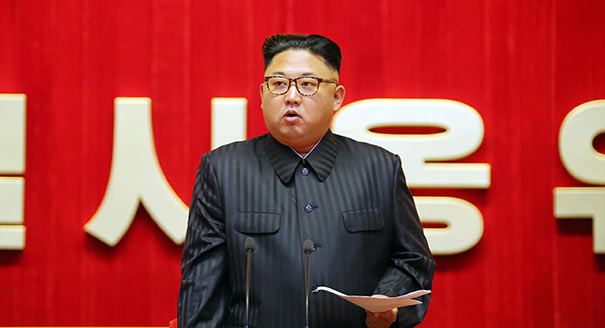
The United States needs to reconsider its objective of denuclearizing North Korea and its demand for denuclearization before dialogue in order to solve the North Korea dilemma that it faces.
Source: Global Asia
Washington is facing a North Korea dilemma. Its objective of denuclearizing North Korea and its coercive strategy — harsh rhetoric, combined military exercises and tightening sanctions — seem contradictory. Washington’s emphasis on this strategy appears to have increased rather than decreased Pyongyang’s resolve to acquire nuclear weapons and associated delivery capabilities. The more Washington ratchets up its coercive strategy, the more likely it is to face the prospect of a major war.1
Washington’s dilemma arises from its commitment to denuclearize North Korea and making denuclearization a precondition for dialogue. It views sanctions and the Chinese role in enforcing them as key to achieving that objective.2 However, both the objective and strategy are flawed. Pyongyang’s commitment to the development of a nuclear-weapons capability is firmly rooted in its insecurity and the perception that the US and South Korea are out to undermine and eventually overthrow North Korea’s totalitarian regime. It has come to view nuclear weapons and the capability to strike the US as the ultimate guarantors of its national and regime security. The fate of Saddam Hussein’s non-nuclear Iraq and the equivocal approach of Washington when dealing with nuclear-weapons states underlie Pyongyang’s attachment to its nuclear-weapons capability. Much like Pakistan before, Pyongyang is willing to pay any price for that capability. It is pertinent to recall here that the late Zulfikar Ali Bhutto is reputed to have asserted: “If India builds the bomb, we will eat grass or leaves, even go hungry, but we will get one of our own.” Economic sanctions will thus not work. In fact, tightening sanctions over the years has increased Pyongyang’s resolve. Further tightening of sanctions could lead to war, the consequence of which would be disastrous....
Former Nonresident Senior Fellow, Asia Program
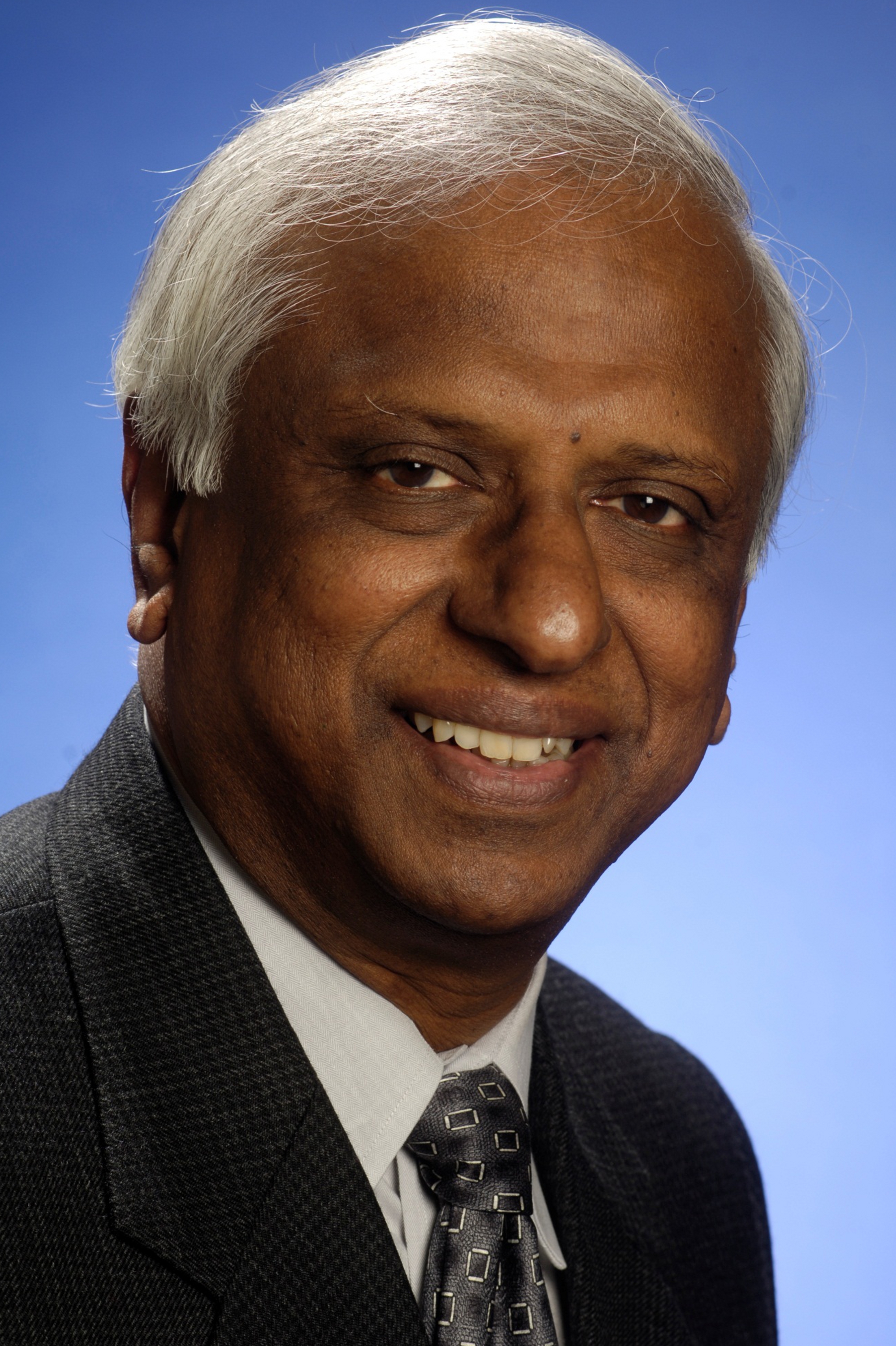
Alagappa, formerly a nonresident senior fellow in the Asia Program, was the first holder of the Tun Hussein Onn Chair in international studies at the Institute of Strategic and International Studies in Kuala Lumpur, Malaysia. His research focuses primarily on Asian security, the political legitimacy of governments, civil society and political change, and the political role of the military in Asia.
Recent Work
Muthiah Alagappa
Muthiah Alagappa
Carnegie does not take institutional positions on public policy issues; the views represented herein are those of the author(s) and do not necessarily reflect the views of Carnegie, its staff, or its trustees.
As talks begin between Washington and Tehran, Beirut has an opening to advance a regional plan for the party’s disarmament.

Michael Young
What is behind Marco Rubio’s announcement that the body is now an international nongovernmental organization?

Zaha Hassan

Policy discussion is ignoring that the Palestinian national project is hollowed out and apartheid is a present danger.

Nathan J. Brown
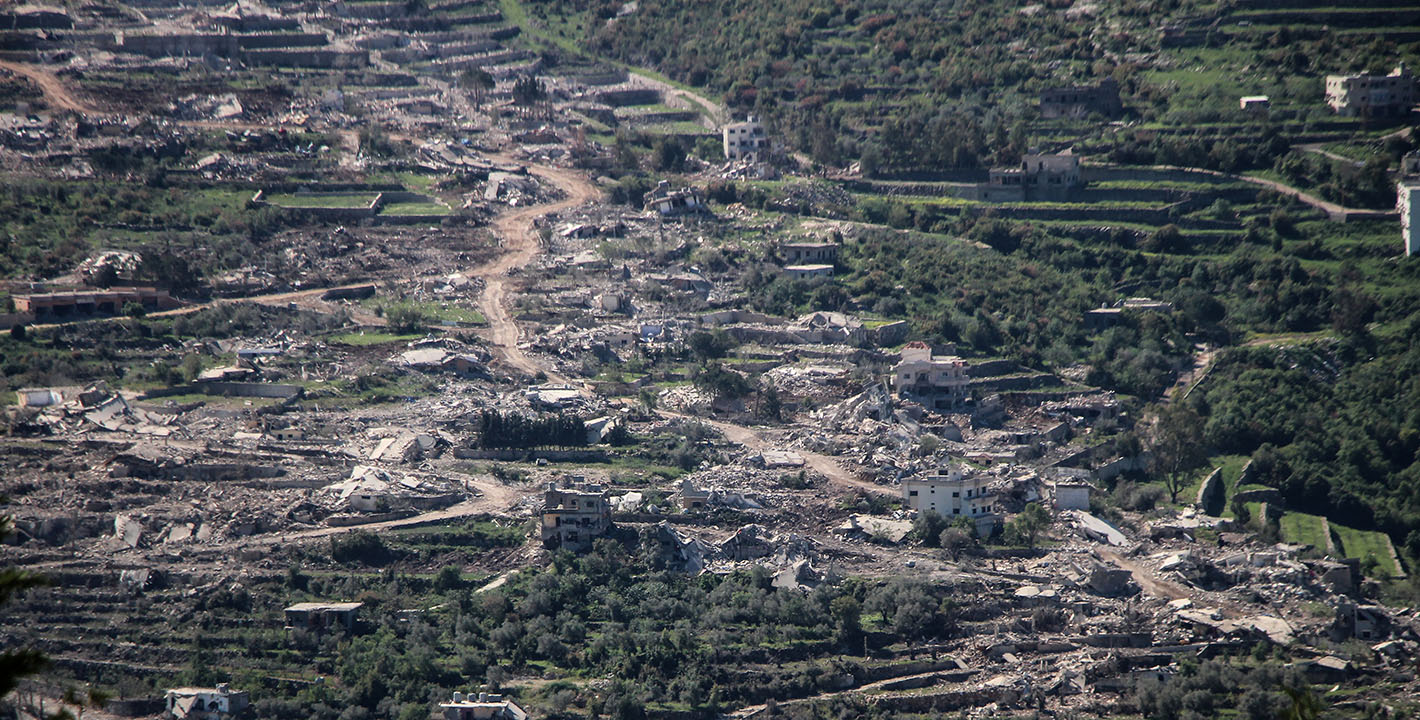
As negotiations with Iran and Lebanon continue, chaos is at the heart of the Netanyahu government’s calculations.
Michael Young
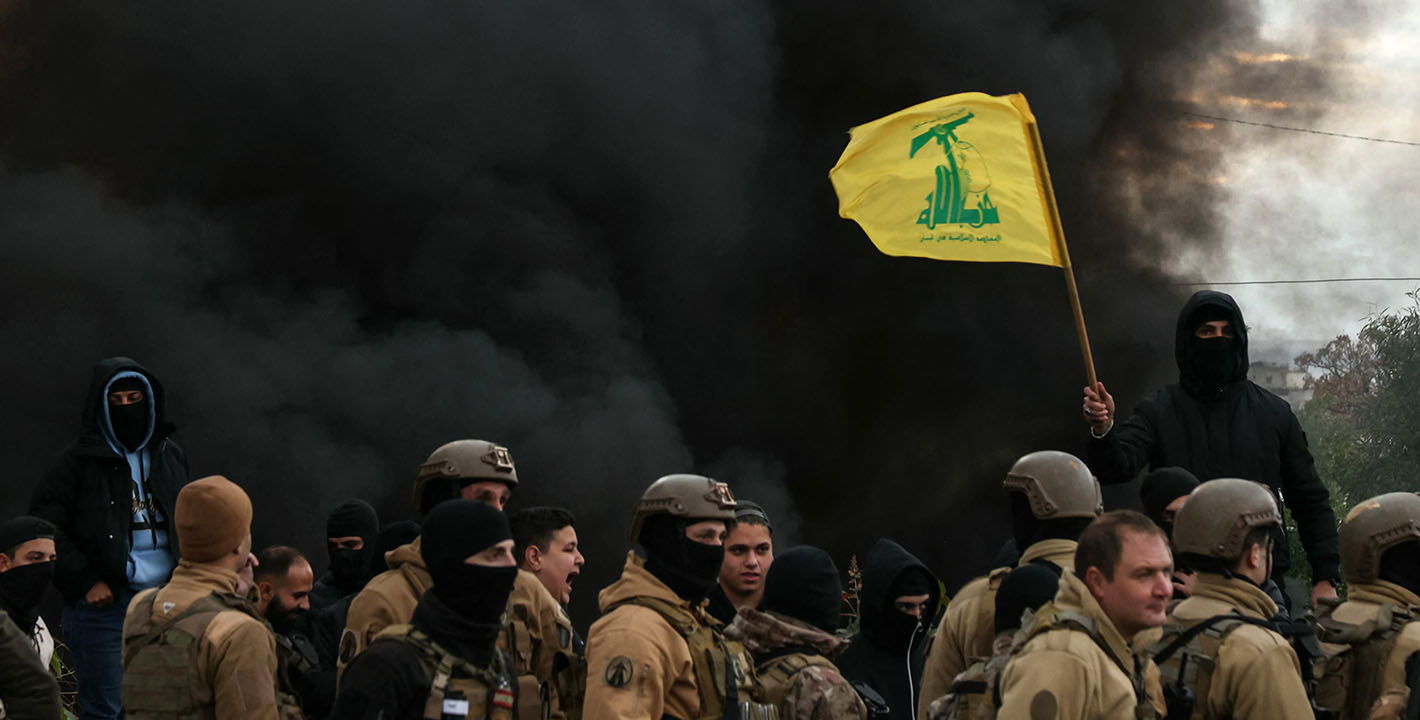
The party’s domestic and regional roles have changed, so Lebanon should devise a disarmament strategy that encompasses this.
Michael Young