

Other
- +5
Frances Z. Brown, Zainab Usman, Erin Jones, …
{
  "authors": [
    "Aqil Shah"
  ],
  "type": "other",
  "centerAffiliationAll": "dc",
  "centers": [
    "Carnegie Endowment for International Peace"
  ],
  "collections": [],
  "englishNewsletterAll": "ctw",
  "nonEnglishNewsletterAll": "",
  "primaryCenter": "Carnegie Endowment for International Peace",
  "programAffiliation": "SAP",
  "programs": [
    "South Asia"
  ],
  "projects": [],
  "regions": [
    "South Asia",
    "India"
  ],
  "topics": [
    "Democracy"
  ]
}
Source: Getty
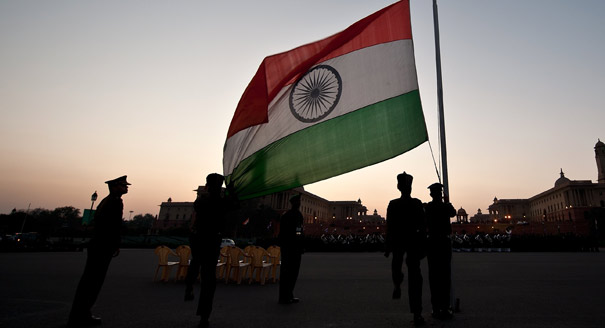
The Indian military chose to stay out of politics when Indira Gandhi imposed Emergency rule, despite numerous factors that might have facilitated an intervention.
Source: Commonwealth & Comparative Politics
In June 1975, Indian Prime Minister Indira Gandhi imposed Emergency rule, capping off a decade long process of the ‘deinstitutionalisation’ of the founding Congress party, increased social mobilisation, and political instability – factors generally considered conducive to military intervention in politics. Organisational factors encouraging military praetorianism, such as military involvement in internal security missions and the growth of ‘rival’ paramilitary institutions, accompanied this process of political decay. But the Indian military did not exploit this window of opportunity. This article offers an institutionalist explanation of the military’s political restraint based on two factors. First, institutionalised mechanisms of civilian control, forged during the critical juncture following independence, insulated the military from politics and the politicians from the military despite the weakening of the political system under which these were created. Second, military internalisation of the norm civilian supremacy, continually reinforced via professional socialisation processes, acted as an internal barrier to military role expansion...
This article was originally published in Commonwealth & Comparative Politics.
Former Visiting Scholar, South Asia Program
Aqil Shah was a visiting scholar in the South Asia Program at the Carnegie Endowment for International Peace.
Recent Work

Frances Z. Brown, Zainab Usman, Erin Jones, …
Aqil Shah
Carnegie does not take institutional positions on public policy issues; the views represented herein are those of the author(s) and do not necessarily reflect the views of Carnegie, its staff, or its trustees.
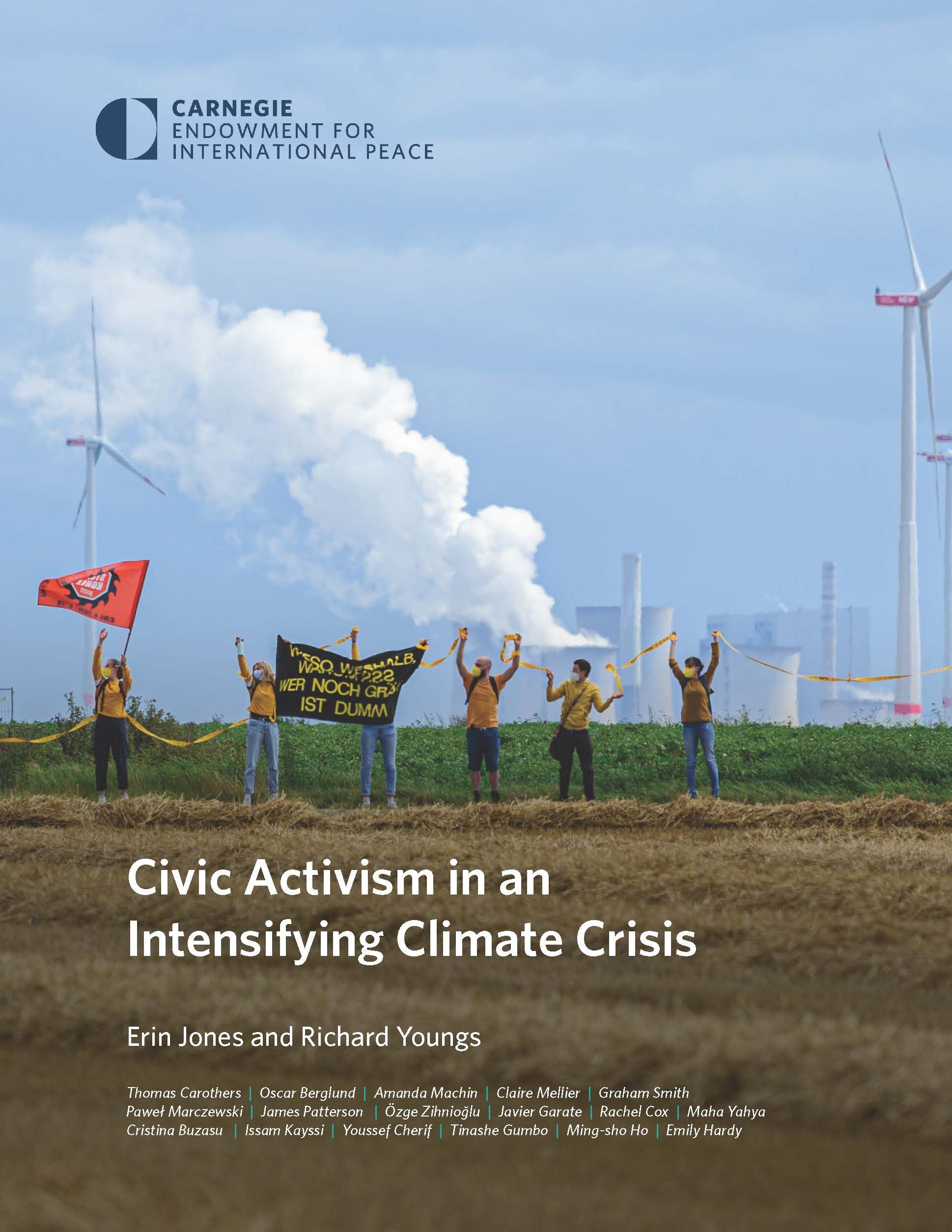
To address the deepening climate crisis, climate activism is employing a wider variety of tactics and aiming at a broader set of goals. In response, the movement faces stronger repression and civic backlash against climate action.

Erin Jones, Richard Youngs
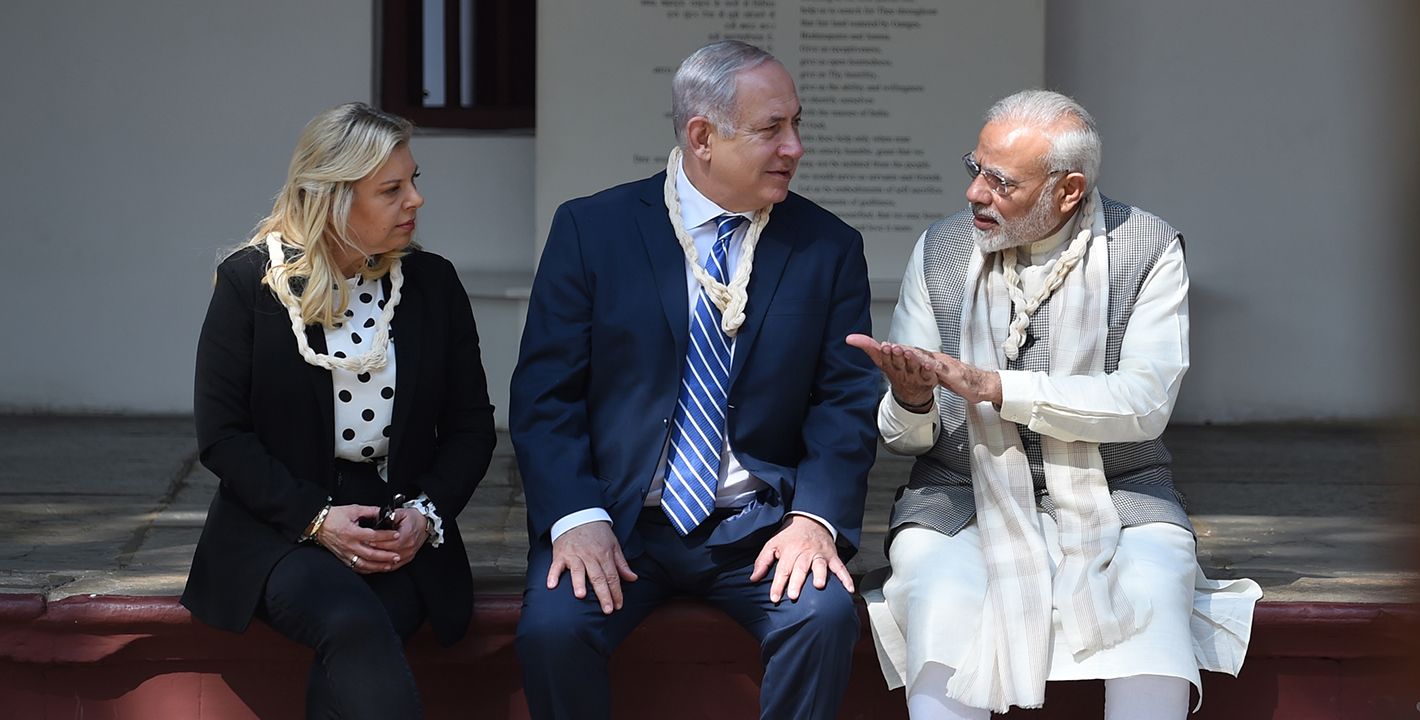
In an interview, Abhinav Pandya discusses the multiple facets of India’s ties with the Middle East.

Armenak Tokmajyan
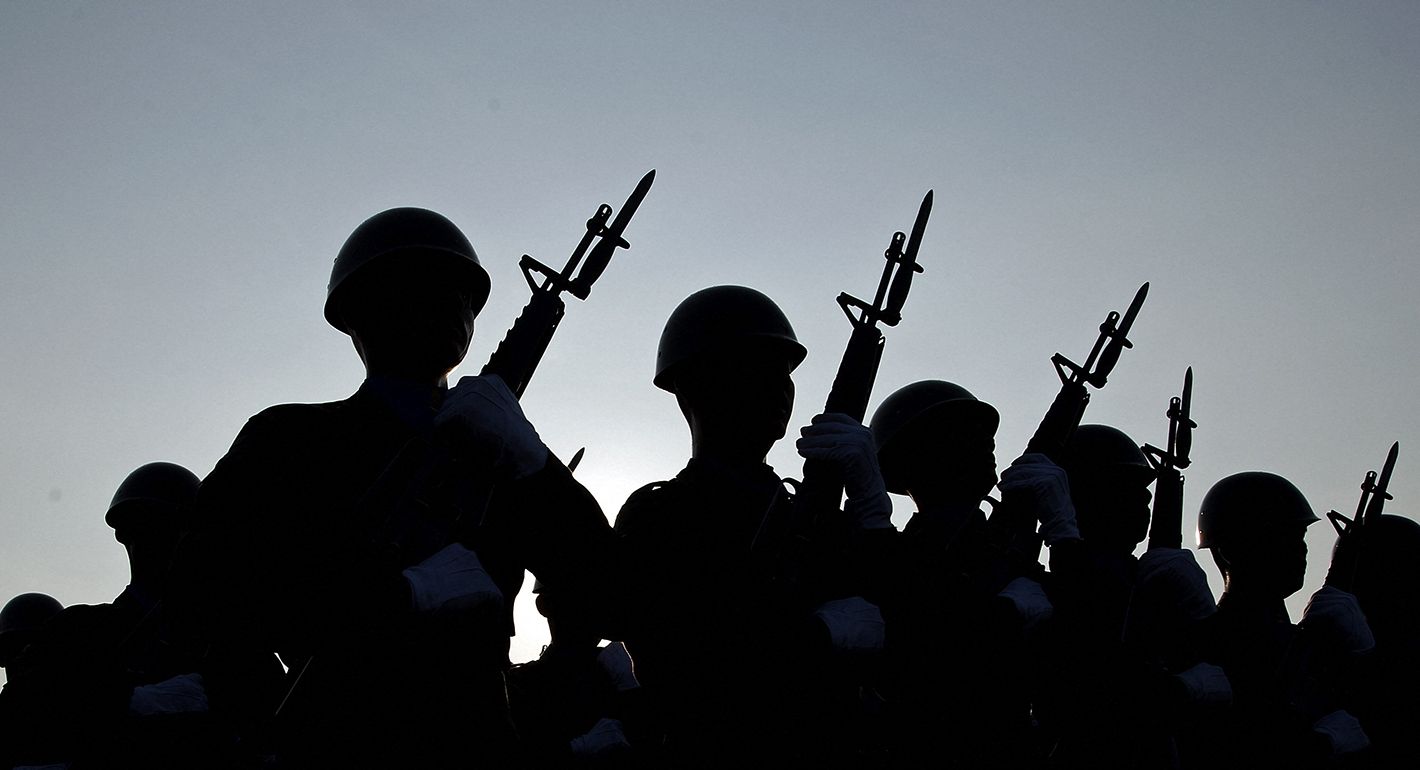
The interaction of national armed forces and private business sectors offers a useful lens for viewing the politics of numerous countries of the so-called Global South. A rising trend of military political activism—often accompanied by military commercial activity—underlines the importance of drivers and outcomes in these relationships.

Yezid Sayigh, Hamza Meddeb

The Gulf Cooperation Council has shifted its energy export focus to Asia, particularly India and China. This is part of a broader shift as GCC members look to expand their geopolitical alliances away from the West.

Alexandre Kateb
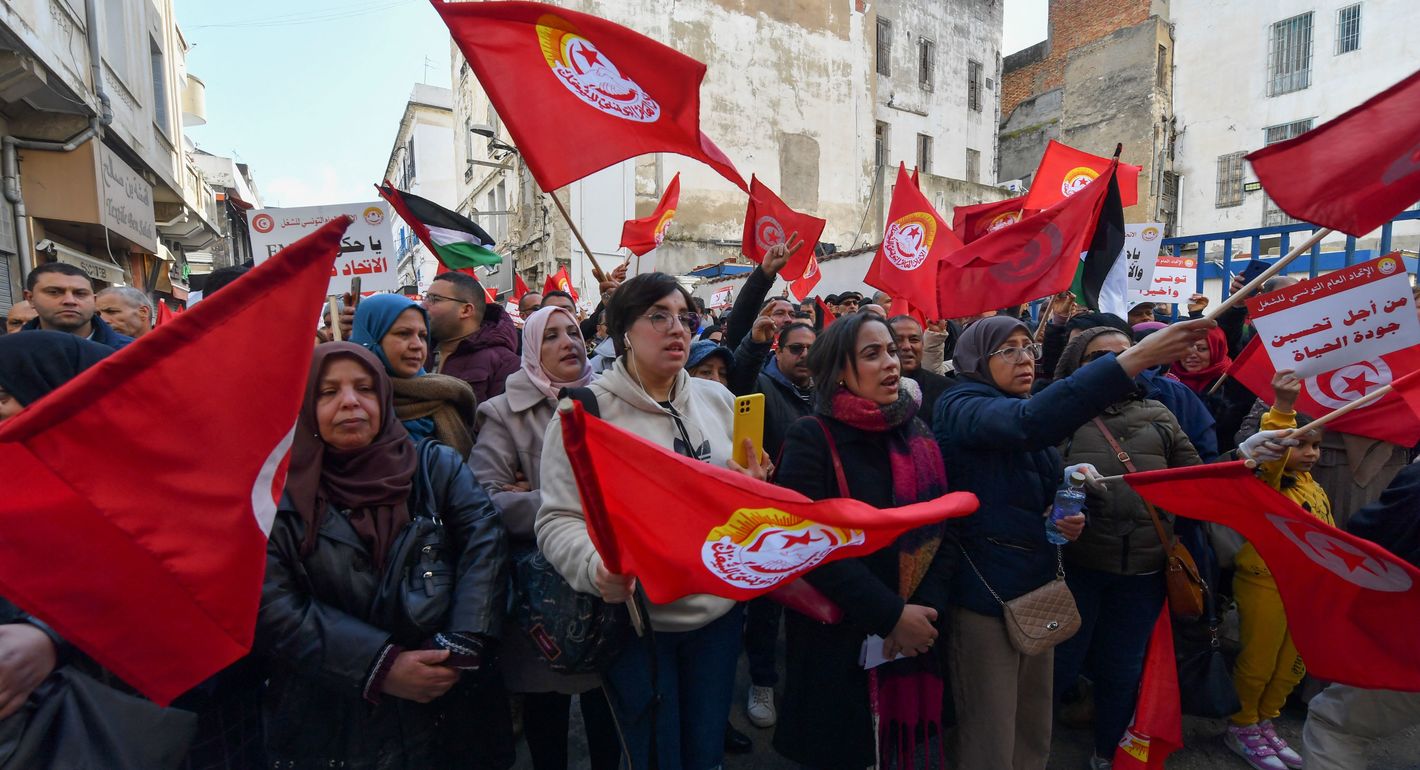
As members, organizers, and leaders, women continue to play an important role in the General Union of Tunisian Workers and advance its political advocacy.
Heba F El-Shazli