

Commentary
Baku may allow radical nationalists to publicly discuss “reunification” with Azeri Iranians, but the president and key officials prefer not to comment publicly on the protests in Iran.
Bashir Kitachaev
{
  "authors": [
    "Denis McDonough"
  ],
  "type": "legacyinthemedia",
  "centerAffiliationAll": "",
  "centers": [
    "Carnegie Endowment for International Peace"
  ],
  "collections": [],
  "englishNewsletterAll": "",
  "nonEnglishNewsletterAll": "",
  "primaryCenter": "Carnegie Endowment for International Peace",
  "programAffiliation": "",
  "programs": [],
  "projects": [],
  "regions": [
    "Southern, Eastern, and Western Africa"
  ],
  "topics": [
    "Democracy",
    "Global Governance"
  ]
}
Source: Getty
Secretary of State Rex Tillerson will travel the African continent in March. The trip presents an opportunity for United States leadership on critical issues, such as refugees and regional stability.
Source: Washington Post
In a letter to African presidents, President Trump announced in January that Secretary of State Rex Tillerson will travel to the continent in March. The trip is timely and presents an opportunity for American leadership on a critical issue: refugees and regional stability.
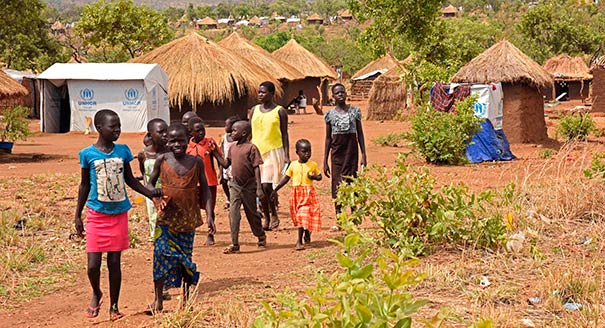
I recently returned from a trip to South Sudan and Uganda. Fueling one of the world’s largest refugee crises, 1 million South Sudanese — 82 percent of whom are women and children — have fled their country to seek refuge in neighboring Uganda from famine and violence perpetuated with impunity by our erstwhile friends, the South Sudanese government.
At a time when many in the West are vilifying refugees and building walls against them, Uganda — outside the headlines — has kept its border open despite these overwhelming numbers and a cost amounting to around 4 percent of Uganda’s gross domestic product.
What Uganda has experienced in the past year is the equivalent of 10.4 million refugees arriving at the United States in a single year (as opposed to the 45,000-person cap that the Trump administration imposed for the fiscal year). Proportionally speaking, this would cost $745 billion — more than the entire U.S. defense budget.
In addition to providing safety, Uganda has provided refugees access to jobs, land and education. This herculean effort by Uganda is precisely the kind of responsibility-sharing promoted by Trump.
Or, at least, it would be if we took on our share of the responsibility. Last summer, a signature gathering in Uganda to support that country’s efforts — the Uganda Solidarity Summit — raised less than a quarter of the $2 billion needed to manage the wave of refugees. And notwithstanding our historical ties with South Sudan, the United States resettled just 80 South Sudanese last year. This year, only 11 have been admitted so far.
Similar scenarios are playing out globally. Low- and middle-income countries host 88 percent of the world’s 22.5 million refugees. Just 10 countries, accounting for a mere 2.5 percent of global GDP, host half of the world’s refugees.
The U.S. response to this global development has been a retreat from our traditional global leadership. But the United States can reassert our leadership role, starting with Tillerson’s trip to Africa.
First, the Trump administration should put real muscle behind resolving regional conflicts. Over the past two decades, 10 conflicts have produced more than half of the world’s displaced people. Putting more effort forth would cost us little; all we need are experienced diplomats to lead these efforts.
The efforts in South Sudan by Nikki Haley, U.S. ambassador to the United Nations, have been laudable — as have Tillerson’s renewed efforts in Syria and engagement on Yemen. But in Africa alone, key ambassadorships in Congo and South Africa remain vacant and leadership posts in Washington remain unfilled. South Sudan is a perfect example: The government held peace talks with its opposition in neighboring Ethiopia, yet there is no U.S. ambassador to South Sudan or assistant secretary of state for African affairs.
Second, the administration should reaffirm its commitment to humanitarian aid. The president’s national security strategy notes that “the United States will continue to lead the world in humanitarian assistance.” But to make that statement real, the administration would have to turn around its repeated budget request to slash humanitarian aid.
Finally, the administration needs to maintain the United States’ historic commitment to resettle the most vulnerable refugees — those who cannot be safely protected in their countries of first refuge. In September, Trump reduced refugee admissions to historic lows. But the administration is underperforming even its own levels: The International Rescue Committee estimates that little more than 21,000 refugees will be admitted in the next year if current arrival trends hold. Last year, the U.S. admitted 3,051 Iraqis who are in danger because they assisted U.S. troops. So far this year, just 29 have been admitted.
When the United States steps back from its commitments, other countries do the same. Major refugee-hosting nations are increasingly asking why they should continue hosting large refugee populations when the United States will not take even a modest number. Already we have seen backtracking from commitments in Kenya, Pakistan, Tanzania and Lebanon.
That risks new humanitarian and security threats. If refugees cannot stay in these countries, they move onward and destabilize new regions or return to the countries they fled.
Tillerson’s trip to Africa is a unique opportunity for the United States to restore its global leadership on refugees. The components for a good deal are there — we provide more assistance and refuge for a small number of the most vulnerable, and our friends such as Uganda continue providing safety to the vast majority. A win-win.
This article was originally published in the Washington Post.
Former Nonresident Scholar, Technology and International Affairs Program
Denis McDonough was a nonresident scholar in Carnegie’s Technology and International Affairs Program.
Carnegie does not take institutional positions on public policy issues; the views represented herein are those of the author(s) and do not necessarily reflect the views of Carnegie, its staff, or its trustees.

Baku may allow radical nationalists to publicly discuss “reunification” with Azeri Iranians, but the president and key officials prefer not to comment publicly on the protests in Iran.

Bashir Kitachaev
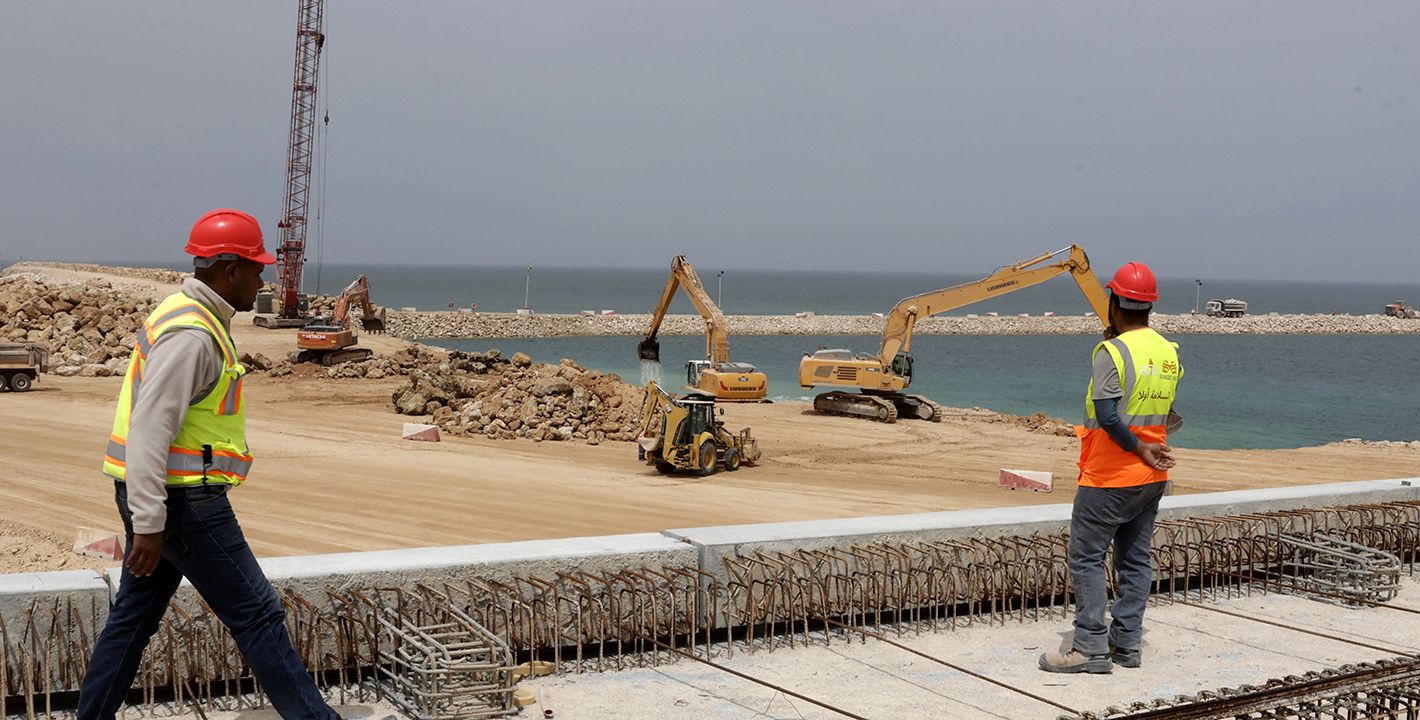
The Moroccan-Algerian rivalry is playing itself out in ties with Burkina Faso, Niger, and Mali.

Yasmine Zarhloule
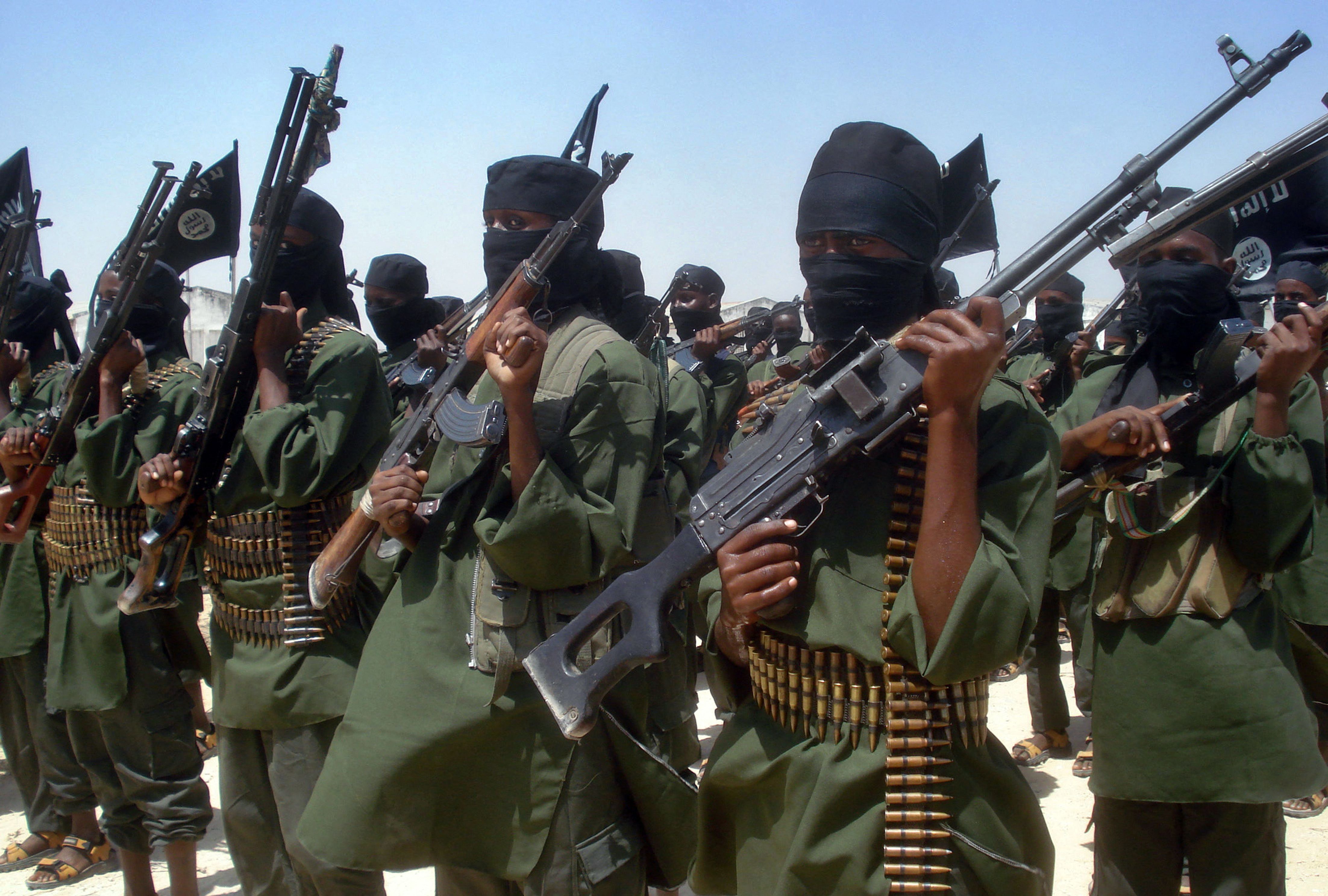
The Yemeni group, like its main backer Iran, has established contacts with al-Shabab and the Islamic State in Somalia, showing how pragmatism prevails when geopolitical goals demand it, and all sides share an enmity for the United States and Israel.
Ibrahim Jalal, Adnan al-Jabarni
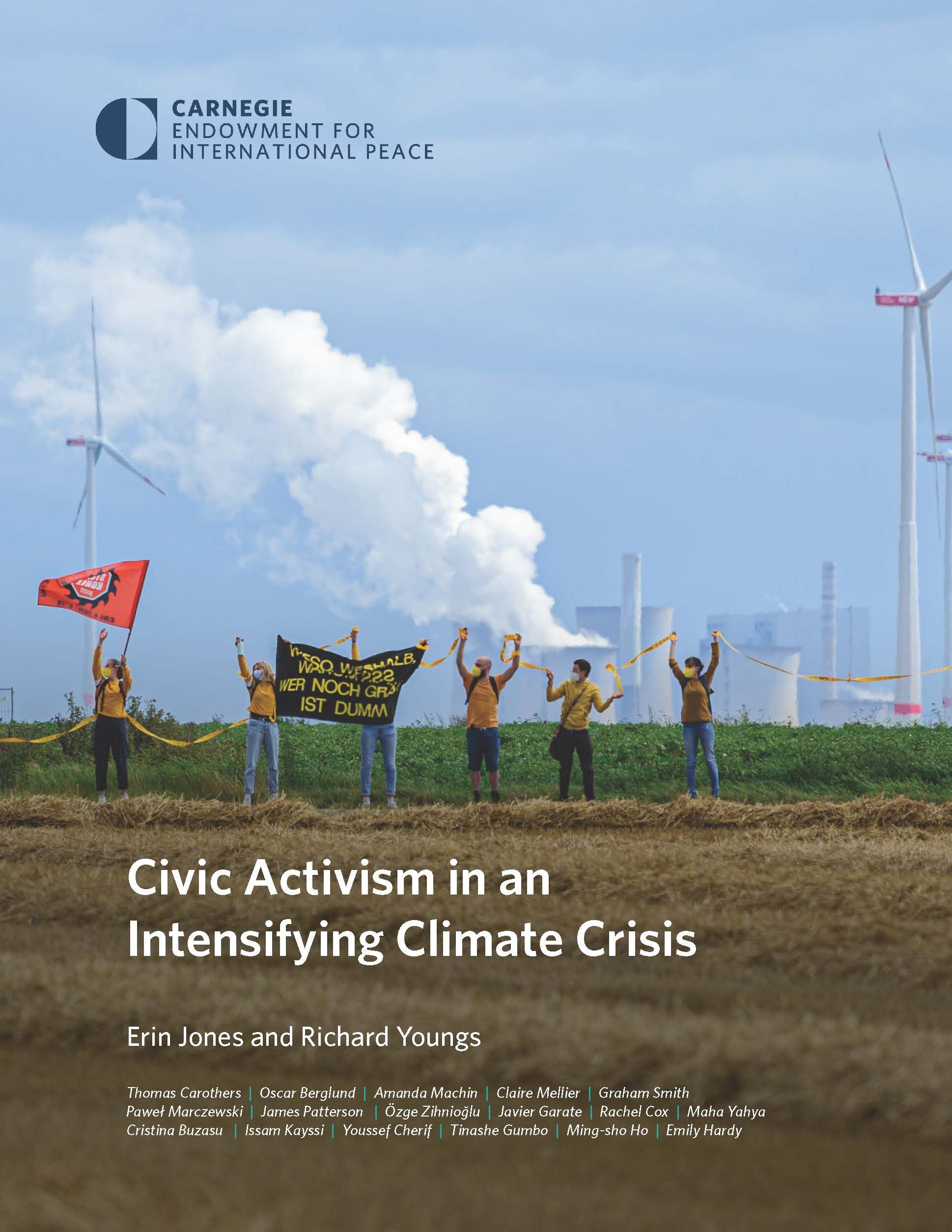
To address the deepening climate crisis, climate activism is employing a wider variety of tactics and aiming at a broader set of goals. In response, the movement faces stronger repression and civic backlash against climate action.

Erin Jones, Richard Youngs
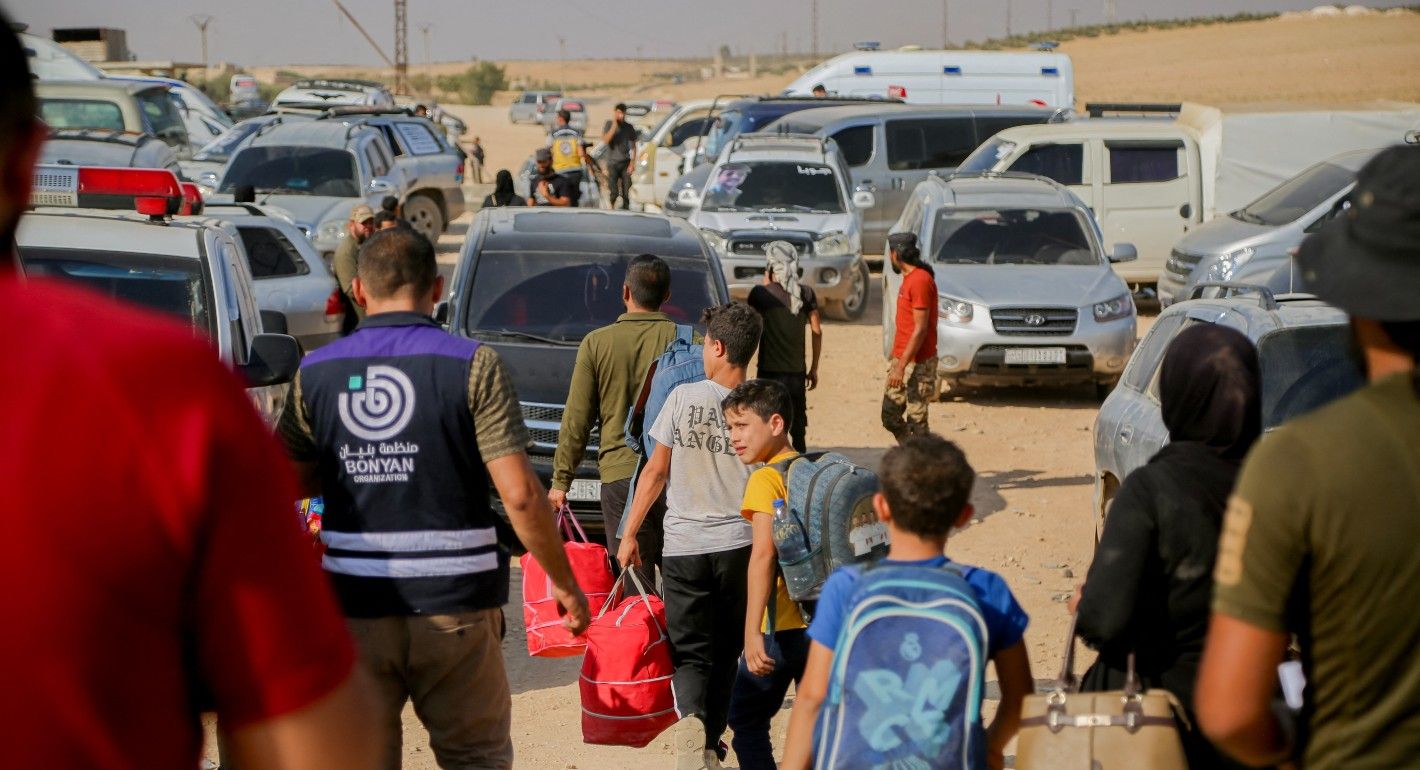
A humanitarian crisis in Lebanon deepens, and Syrian refugees face a perilous choice: remain in a war-torn environment or return to Syria where they risk encountering significant dangers and discrimination. There are significant challenges and risks to their search for safety in Syria.
Haid Haid