

Commentary
Ulrich Kühn
{
  "authors": [
    "Ulrich Kühn"
  ],
  "type": "legacyinthemedia",
  "centerAffiliationAll": "dc",
  "centers": [
    "Carnegie Endowment for International Peace"
  ],
  "collections": [],
  "englishNewsletterAll": "ctw",
  "nonEnglishNewsletterAll": "",
  "primaryCenter": "Carnegie Endowment for International Peace",
  "programAffiliation": "NPP",
  "programs": [
    "Nuclear Policy"
  ],
  "projects": [],
  "regions": [
    "Eastern Europe"
  ],
  "topics": []
}
Source: Getty
Estonia, Latvia, and Lithuania all face the constant threat of Russian intimidation and meddling in their internal affairs.
Source: Hill
We saw an impressive show of Baltic unity when the presidents of Estonia, Latvia and Lithuania recently visited the White House. All three states share common history of decades of Soviet occupation, and they have all been NATO members since 2002. Today, each of them face the constant threat of Russian intimidation and meddling in their internal affairs.
Since the Russian occupation of Crimea in 2014, things have gotten worse up to a point where NATO members decided to reassure the Baltic states by deploying roughly 5,000 military service personnel from different NATO allies, split across the three countries. Their goal was to deter Russian aggression. Even though most NATO officials consider the possibility of an outright Russian invasion or land grab in the Baltics to be remote, the three countries see it as a high-risk scenario, based on low probability but with high potential consequences.
As on many other foreign policy issues, the Trump administration’s stance toward the Baltic states falls into two categories: vague presidential announcements and concrete administrative action. In the fiscal 2019 defense budget request, the Pentagon requested a raise of $1.7 billion to the European Deterrence Initiative in order to bolster deterrence of Russia, bringing the overall request for 2019 to $6.5 billion.
At the same time, in his press remarks with the three presidents, Donald Trump dodged questions about a permanent U.S. military presence in the Baltic states and reiterated his desire to get along with Russia. Given the recent diplomatic repercussions of the poisoning of former spy Sergei Skripal, the possible summit between Trump and Kim Jong Un, or the uncertain future of the Iran nuclear deal, there seem to be more pressing issues on the U.S. agenda than Baltic security.
But the risk of escalation sparking a wider conflict between Russia and NATO is still dangerously high, particularly in the Baltics. To begin with, defending the three states in a conflict with Russia would be very difficult for NATO because the military balance in the region very much favors Russia. Moreover, Moscow could instigate unrest among the large Russian minorities living there.
To mitigate these risks and remain united, NATO members must strive for an encompassing strategy. Such a strategy must complement deterrence with resilience and risk-reduction measures to address aggressive Russian behavior, also below the threshold of outright conventional and nuclear conflict. Here is what the Trump administration can do to mitigate some of those risks.
First, Washington should commit to deploy a U.S. Army battalion of about 1,000 personnel, split equally among the three Baltic states and tasked with continuously patrolling and monitoring borders with Russia. Even though a battalion is not much in light of what Russia can muster, Washington would make sure U.S. forces are promptly engaged in the initial stages of combat should the Kremlin be crazy enough to probe NATO militarily.
Trump should not heed calls for large-scale force deployments to the region given that they would only give the Kremlin reason to further up the ante. More importantly, costly large-scale deployments would risk NATO unity, as a number of allies, most likely including France and Germany, would not support such move. While Vladimir Putin is often falsely portrayed as a strategic genius, he is good at one thing, which is exploring the little cracks and fractures in the NATO alliance. Washington must not give him additional opportunities to divide and rule.
Second, Washington should encourage resilience measures in the three Baltic states, making the Russian minorities living there more immune to Russian interference. Enhancing civilian resilience could mean countering Russian propaganda and disinformation targeted at Russian minorities by financing Russian-language media outlets, journalists, and social media accounts in the Baltics.
Some NATO allies are already actively supporting such measures in the three states. Washington could honor their commitment perhaps by making resilience-building expenditures count toward the 2 percent goal of NATO members for defense spending. In order to deny Putin any leverage, NATO members should also closely monitor the state of integration and representation of the Russian minorities.
Third, the Trump administration must continue to engage Russia on risk-reduction measures in the European theater in order to prevent dangerous military incidents and reestablish crisis communication channels with Moscow. Some allies hope that such talks, eminently needed now, could lead to a more far-reaching arms control dialogue in the future. That is where Trump’s personal agenda of engaging with Putin might come handy.
As Russia and the United States are on the verge of a new arms race, transparency and predictability in military terms is again very much needed. In an environment of mutual insecurities, avoiding dangerous misperceptions should be a top priority for the U.S. administration. Taken together, a balanced mix of toughness and engagement vis-à-vis Moscow could help increase the security of America’s Baltic allies.

Former Nonresident Scholar, Nuclear Policy Program
Ulrich Kühn was a nonresident scholar at the Carnegie Endowment for International Peace, and the head of the arms control and emerging technologies program at the Institute for Peace Research and Security Policy at the University of Hamburg.
Recent Work
Ulrich Kühn
Ulrich Kühn
Carnegie does not take institutional positions on public policy issues; the views represented herein are those of the author(s) and do not necessarily reflect the views of Carnegie, its staff, or its trustees.
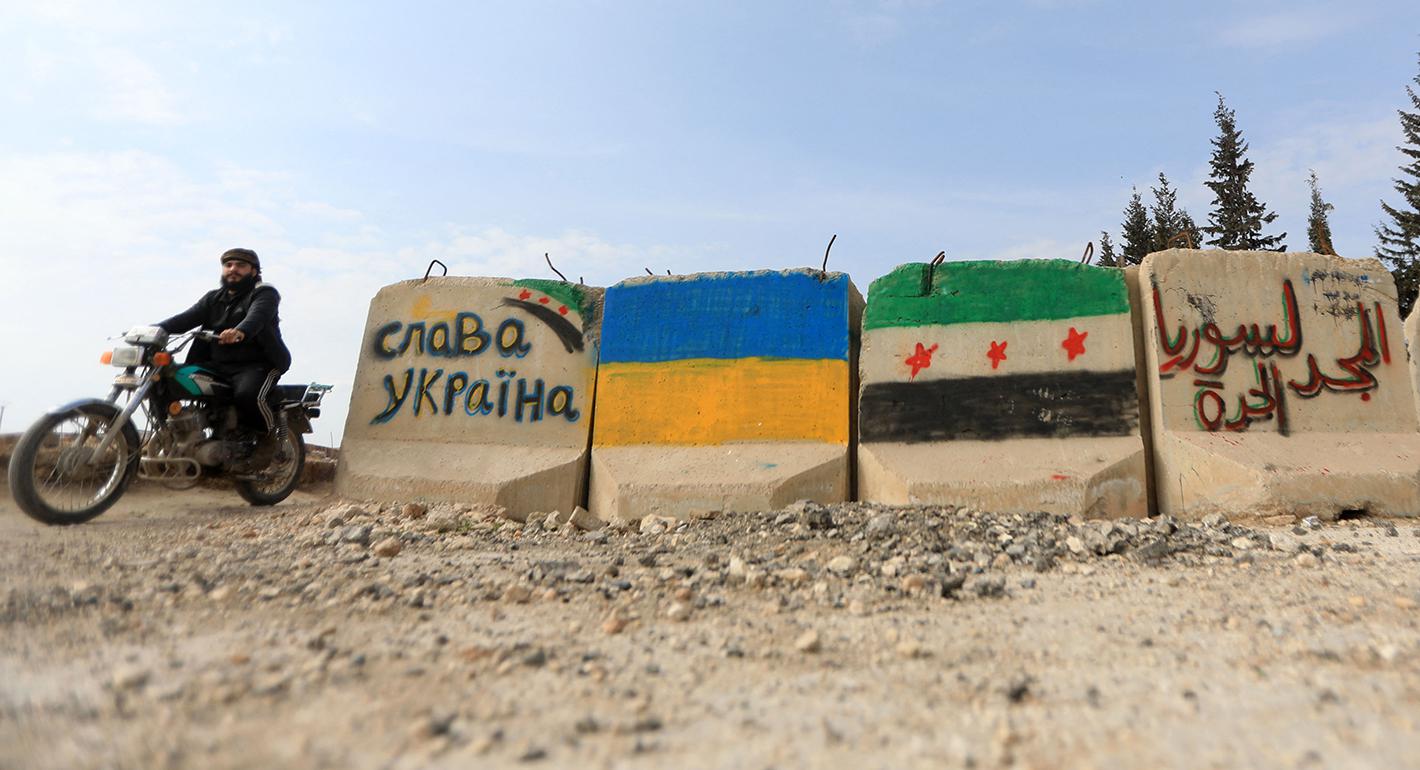
Some of Russia’s war tactics in Ukraine mirror the strategies Moscow has employed in Syria. The international community should apply the lessons learned then to limit devastation and casualties now.

Emma Beals
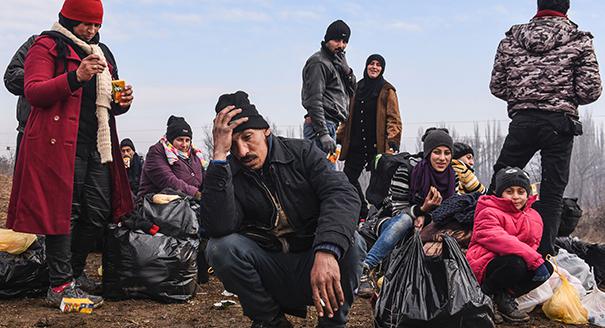
Very different Western reactions to the suffering in Ukraine and the Arab world show that there is a profound rift among cultures.

Michael Young

In an interview, Nikolay Kozhanov explains how the Ukraine conflict will affect Middle Eastern hydrocarbons production.
Michael Young

It’s about managing oil prices, bread prices, and strategic partnerships.



Amr Hamzawy, Karim Sadjadpour, Aaron David Miller, …
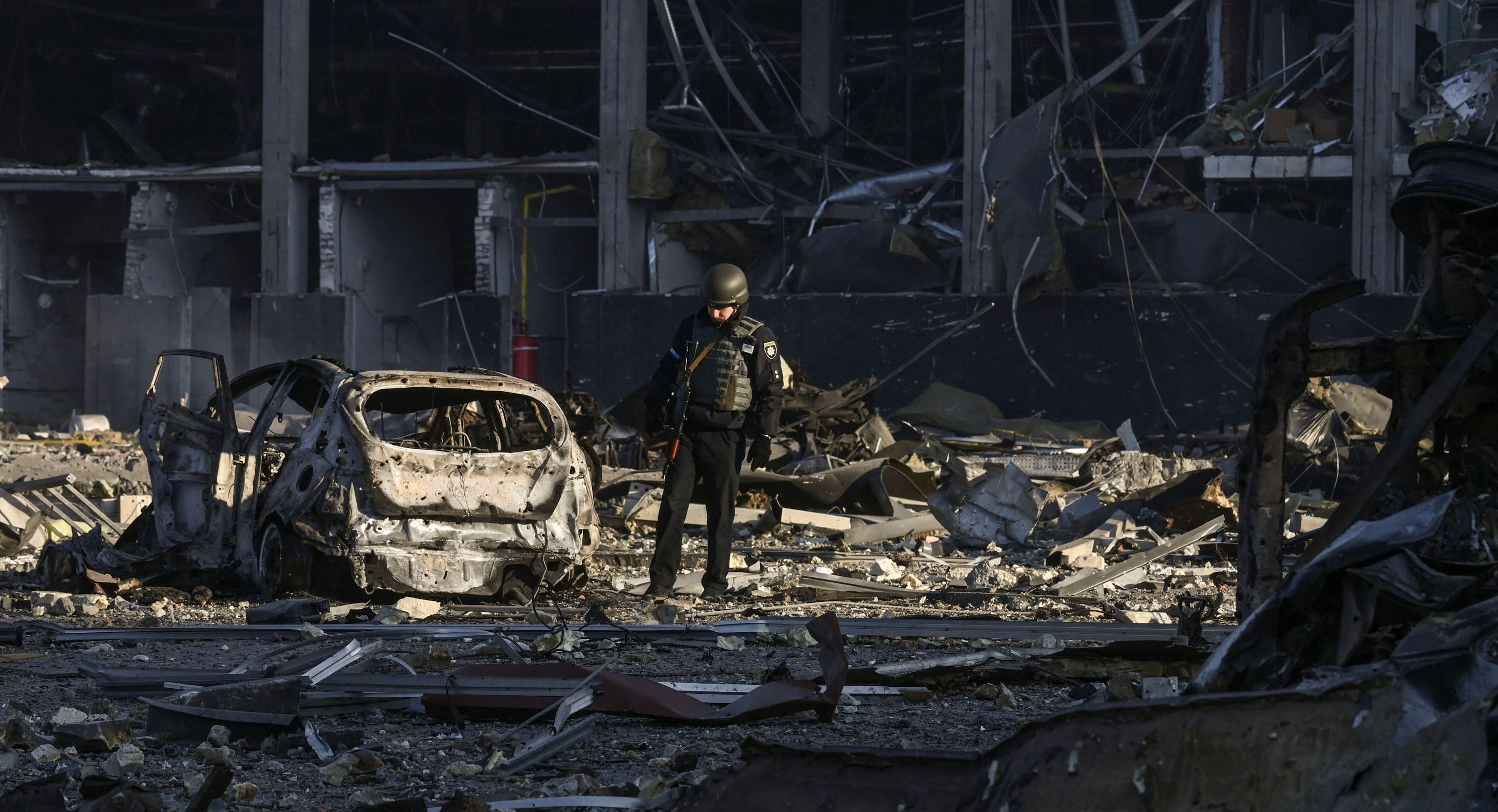
Both events also could force Washington to rethink or revive its Middle East partnerships.
Karim Sadjadpour