

Research
- +10
Rosa Balfour, Frances Z. Brown, Yasmine Farouk, …
{
  "authors": [
    "Moisés Naím"
  ],
  "type": "legacyinthemedia",
  "centerAffiliationAll": "",
  "centers": [
    "Carnegie Endowment for International Peace"
  ],
  "collections": [],
  "englishNewsletterAll": "",
  "nonEnglishNewsletterAll": "",
  "primaryCenter": "Carnegie Endowment for International Peace",
  "programAffiliation": "",
  "programs": [],
  "projects": [],
  "regions": [
    "North America",
    "South America"
  ],
  "topics": [
    "Political Reform"
  ]
}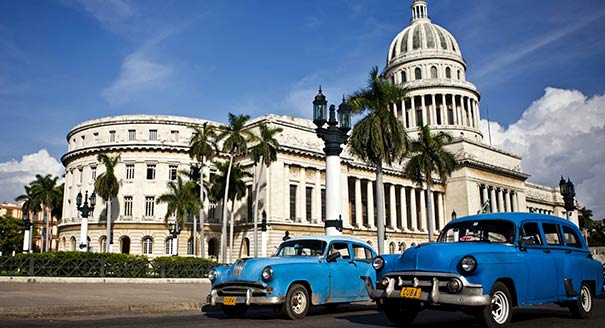
Source: Getty
A fake memo written to Cuban President Raúl Castro proposing action in relations with Venezuela.
Source: El País
To: President Raúl Castro
From: XXXXXX in Caracas
Subject: A Proposal for Venezuela
It is almost time for you to hand over the Cuban presidency to your successor. This coincides with the end of my time as head of our clandestine operations in Venezuela. But I’m not writing to bid farewell and celebrate our achievements. The time for that will come.
I am writing because I am worried. The situation here is no longer tenable and calls for drastic change. The purpose of this memo is to make a proposal to ensure the continuity of our relationship with Venezuela.
The stability of Cuba depends on keeping a friendly, generous government in Caracas. To that end we have devoted – for almost two decades now – our best talents, institutions, and resources. And we’ve done well.
We kept control over the nation with the largest oil reserves on the planet without firing a single shot and without openly involving our armed forces. And, thus far, we’ve done it without the world realizing that the most important decisions dealing with Venezuela’s economy, politics, internal security and foreign affairs are ones we shape – or even make. The same goes for key appointments in the armed forces, the judiciary and in the intelligence and security services. In all the areas that matter to us, we’ve been in the driver’s seat.
The benefits to Cuba have been immense. It’s not just the millions of barrels of oil that have propped up our economy. Venezuela also pays generously for our doctors, sports trainers, and the various “advisers” we send them. The commission fees that our companies charge Caracas for brokering food and other imports generate huge profits. Our diplomatic influence has been boosted by our control over Venezuela’s foreign service and embassies. Thanks to deliveries of subsidized Venezuelan oil, our influence over many countries in the Caribbean and Central America has been enormous. We have evicted the USA from there.
That’s how high the stakes are.
As you know, the situation here, which had long been difficult, is becoming unsustainable. Eighty-eight percent of the hospitals report that they do not have medicines for their patients, 90% can no longer offer emergency services, 79% say that they are often without water and in 96% there is not enough food. Infant mortality is one of the highest in the world. Absenteeism in schools and high schools is enormous since students and teachers spend most of their day looking for food. In 2017, three-quarters of Venezuelans lost, on average, 11 kilograms of weight. Eighty-nine percent of the population now lives in poverty. The homicide rate is one of the highest in the world. Inflation too.
The oil industry, which generates 90% of the country’s export revenue, has collapsed. Today, its crude production is half of what it was when Commander Chávez came to power in 1999. It is estimated that close to three million Venezuelans have left the country.
We are on the verge of killing the goose that lays the golden eggs. Fortunately, the upcoming elections offer us a way out. Maduro is clearly unable to handle the crisis and is losing support rapidly. In the May presidential elections we need a fresh face.
I recommend the following:
1) Make Maduro lose the elections and force him to hand over power to the legitimate winner. This will legitimize Venezuela’s democracy before the world. To persuade Maduro to leave power we will offer him an honorary position and a mansion in Havana. But, above all, we will let him know that if he does not cooperate, we are ready to make sure he loses the enormous fortune he has accumulated. He knows we can do it. When his allies see that he no longer enjoys our support, they will abandon him. We must, of course, also give them “incentives” to align their behavior to our goals.
2) Reach an agreement with the opposition candidate that is most “flexible.” We can guarantee that he will win the elections (we still control the National Electoral Council, the body that counts the votes and decides who wins) and we will give him the freedom to act as he wishes on some fronts, especially the economy. But our support will depend on retaining access to Venezuelan oil and staying in control of key posts in the military, intelligence services and, of course, the president’s personal security detail. We will also continue to appoint the executives of the national oil company and the top judges.
An additional benefit of this scheme is that it will allow us to continue using Venezuela as a laboratory to learn how to manage Cuba in the future. A partially open political system, where some appearance of democracy is kept and where there are certain freedoms.
But where we remain in power.

Distinguished Fellow
Moisés Naím is a distinguished fellow at the Carnegie Endowment for International Peace, a best-selling author, and an internationally syndicated columnist.
Recent Work



Rosa Balfour, Frances Z. Brown, Yasmine Farouk, …
Moisés Naím
Carnegie does not take institutional positions on public policy issues; the views represented herein are those of the author(s) and do not necessarily reflect the views of Carnegie, its staff, or its trustees.
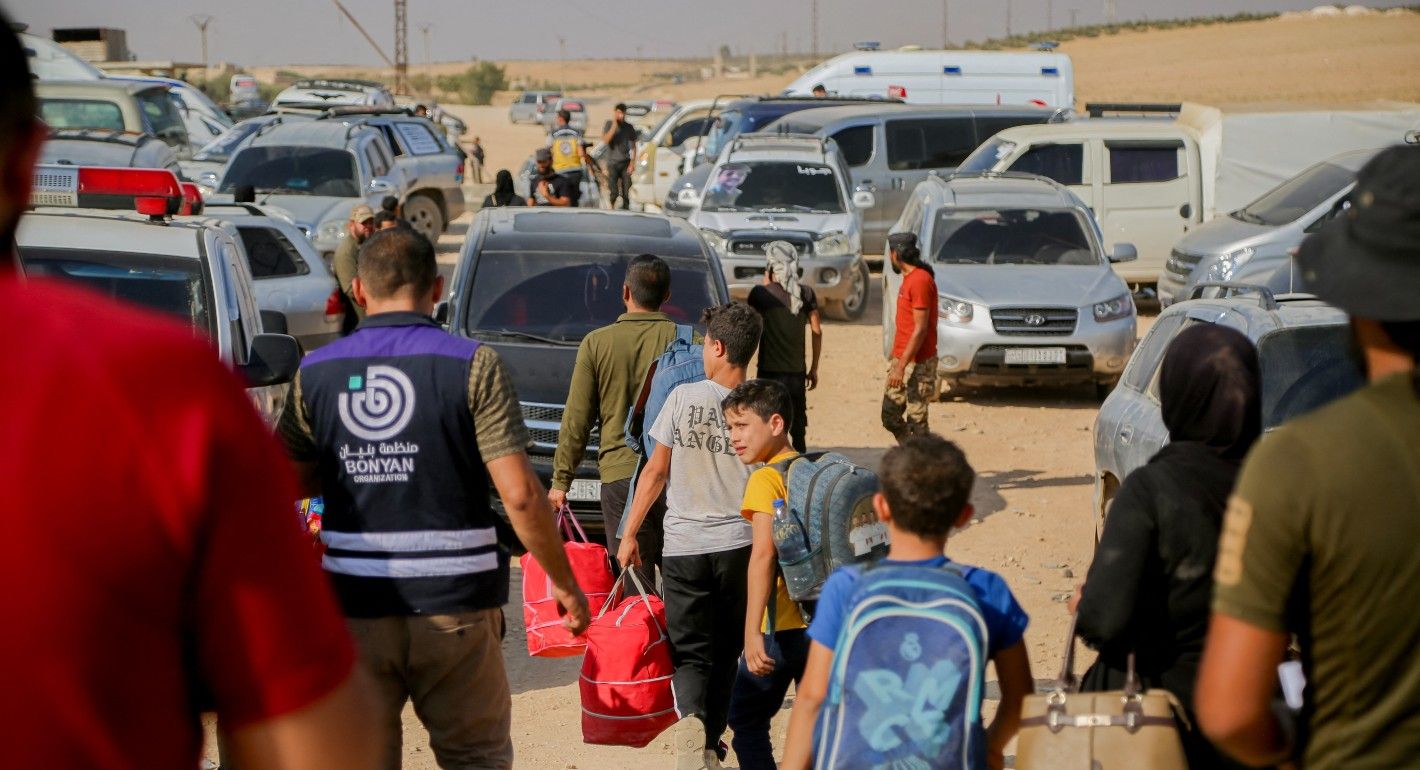
A humanitarian crisis in Lebanon deepens, and Syrian refugees face a perilous choice: remain in a war-torn environment or return to Syria where they risk encountering significant dangers and discrimination. There are significant challenges and risks to their search for safety in Syria.
Haid Haid
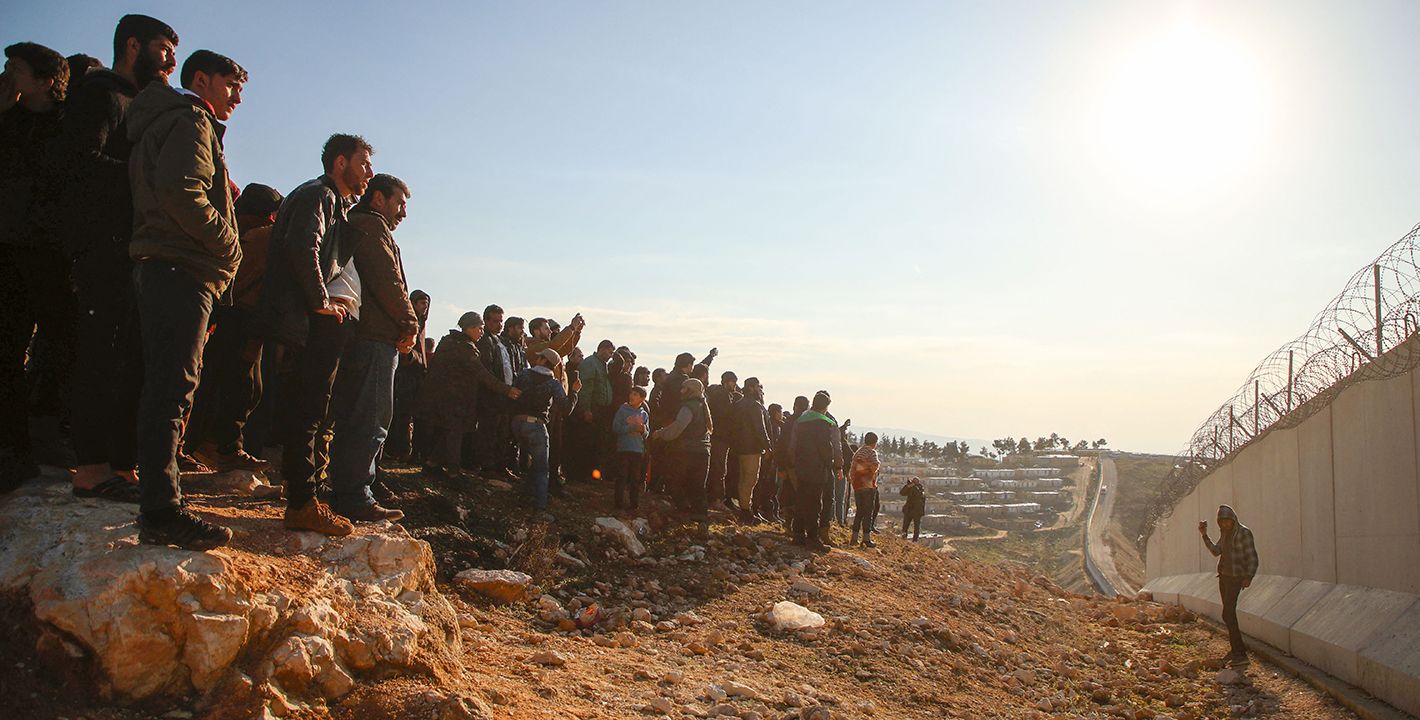
In Syria’s border regions, changes in demographics, economics, and security mean that an inter-Syrian peace process will require consensus among main regional powers that Syria must remain united, that no one side can be victorious, and that perennial instability threatens the region.

Kheder Khaddour, Armenak Tokmajyan
The interaction of national armed forces and private business sectors offers a useful lens for viewing the politics of numerous countries of the so-called Global South. A rising trend of military political activism—often accompanied by military commercial activity—underlines the importance of drivers and outcomes in these relationships.

Yezid Sayigh, Hamza Meddeb
For many in the society, the post-Ben Ali years were mainly about successive economic crises and political instability.
Jasmine Khelil
The Biden administration’s plan for the “day after” in Gaza would be disastrous without the promise of Palestinian statehood.
Yezid Sayigh