• Research
  • Diwan
  • About
  • Experts
Carnegie Middle East logoCarnegie lettermark logo
LebanonIran
{
  "authors": [
    "Rachel Kleinfeld",
    "Elena Barham"
  ],
  "type": "other",
  "centerAffiliationAll": "dc",
  "centers": [
    "Carnegie Endowment for International Peace"
  ],
  "collections": [
    "Violence and Conflict"
  ],
  "englishNewsletterAll": "democracy",
  "nonEnglishNewsletterAll": "",
  "primaryCenter": "Carnegie Endowment for International Peace",
  "programAffiliation": "DCG",
  "programs": [
    "Democracy, Conflict, and Governance"
  ],
  "projects": [],
  "regions": [],
  "topics": [
    "Political Reform",
    "Democracy"
  ]
}

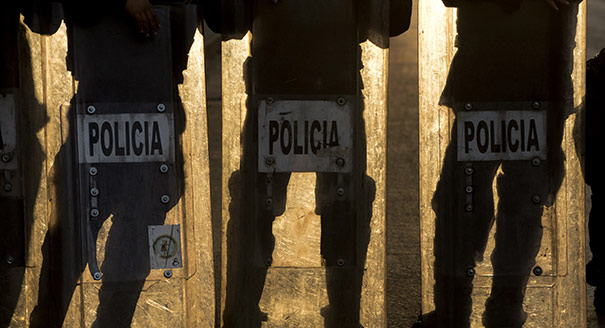
Source: Getty

Other

Complicit States and the Governing Strategy of Privilege Violence: When Weakness Is Not the Problem

Many states beset with endemic violence are not institutionally weak, but rather suffer from complicit economic and political elites that use violence in order to preserve their status, a phenomenon that should be called privilege violence.

Link Copied
By Rachel Kleinfeld and Elena Barham
Published on May 23, 2018

Source: Annual Review of Political Science

Abstract

This article seeks to explain why some high-capacity democracies have high levels of internal violence. These regimes present a puzzle: Why are bureaucratically capable states that ostensibly answer to voters failing to provide security? Challenging the “weak states” paradigm, we argue that states with high capacity and significant violence within marginalized populations exhibit a governance pattern in which governing factions deliberately weaken security services and collude with nonstate violent actors to maintain power and ensure extreme levels of privilege and impunity. Although these states do not feature ideal-type institutions, they are not weak. Instead, economic and political elites are complicit in enforcing a system of material inequality and uneven democratic incorporation maintained by violence. As politicized security agencies become incapacitated and repressive, citizens turn to nonstate security providers for protection, from private firms to criminals and insurgents, increasing social violence and obscuring the state origins of what we term privilege violence.

Read Full Text

​This article was originally published in the ​Annual Review of Political Science.

About the Authors

Rachel Kleinfeld

Senior Fellow, Democracy, Conflict, and Governance Program

Rachel Kleinfeld is a senior fellow in Carnegie’s Democracy, Conflict, and Governance Program, where she focuses on issues of rule of law, security, and governance in democracies experiencing polarization, violence, and other governance problems.

Elena Barham

Former James C. Gaither Junior Fellow, Democracy and Rule of Law Program

Authors

Rachel Kleinfeld
Senior Fellow, Democracy, Conflict, and Governance Program
Rachel Kleinfeld
Elena Barham
Former James C. Gaither Junior Fellow, Democracy and Rule of Law Program
Political ReformDemocracy

Carnegie does not take institutional positions on public policy issues; the views represented herein are those of the author(s) and do not necessarily reflect the views of Carnegie, its staff, or its trustees.

More Work from Malcolm H. Kerr Carnegie Middle East Center

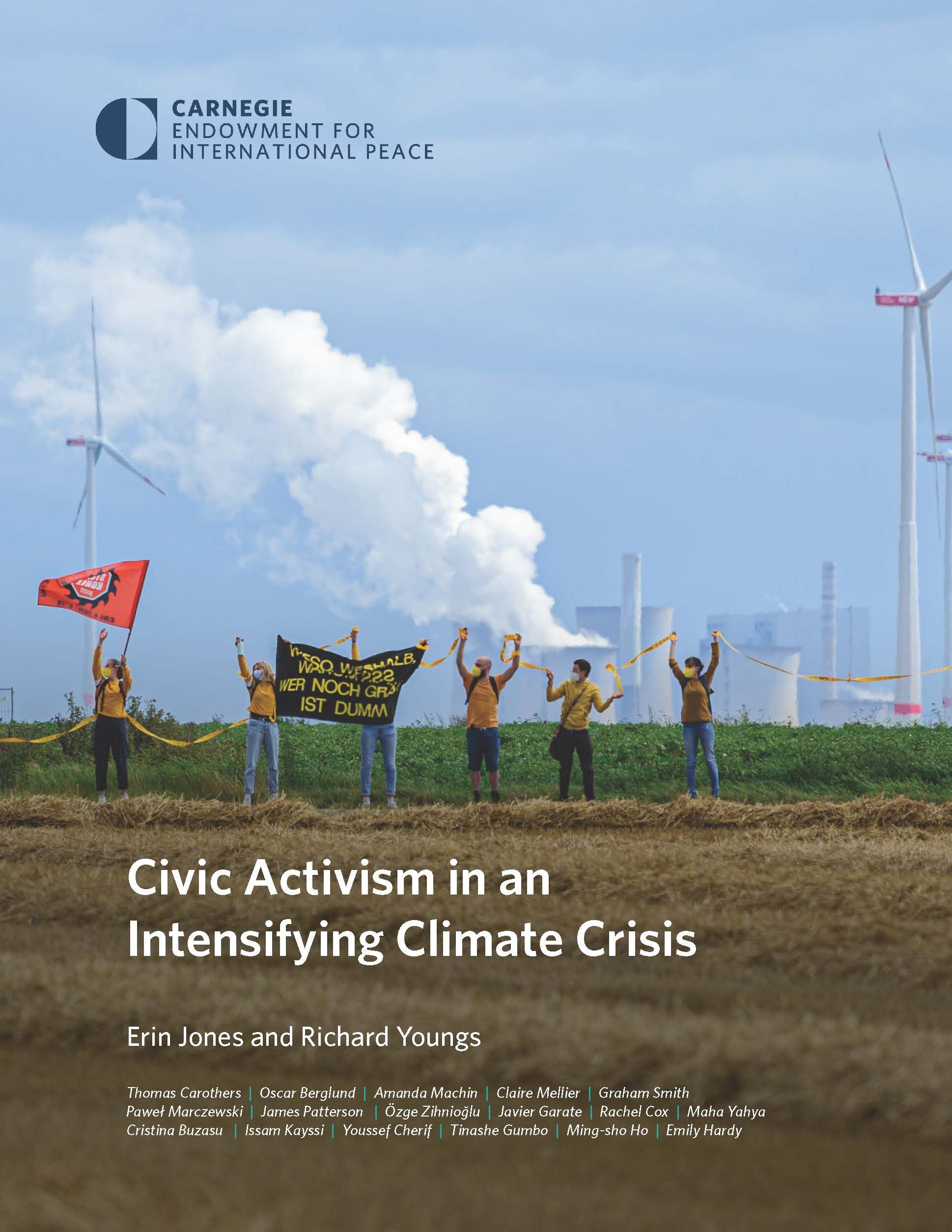
  • Civic Activisim in an Intensifying Climate Crisis
    Research
    Civic Activism in an Intensifying Climate Crisis

    To address the deepening climate crisis, climate activism is employing a wider variety of tactics and aiming at a broader set of goals. In response, the movement faces stronger repression and civic backlash against climate action.

      Erin Jones, Richard Youngs
  • Commentary
    Sada
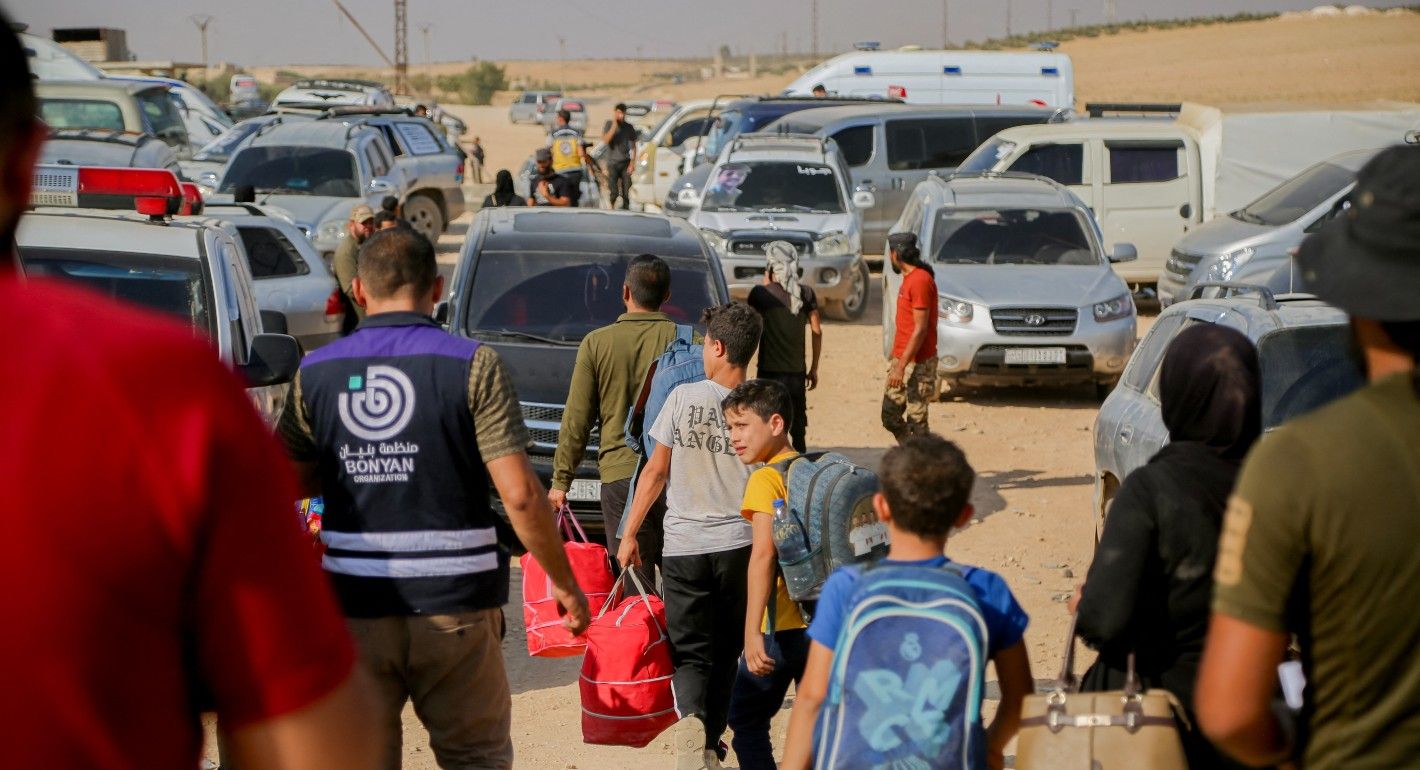
    Navigating Danger: Syrian Refugees in Lebanon Risk Returning

    A humanitarian crisis in Lebanon deepens, and Syrian refugees face a perilous choice: remain in a war-torn environment or return to Syria where they risk encountering significant dangers and discrimination. There are significant challenges and risks to their search for safety in Syria.

      Haid Haid

  • Paper
    Borders Without a Nation: Syria, Outside Powers, and Open-Ended Instability

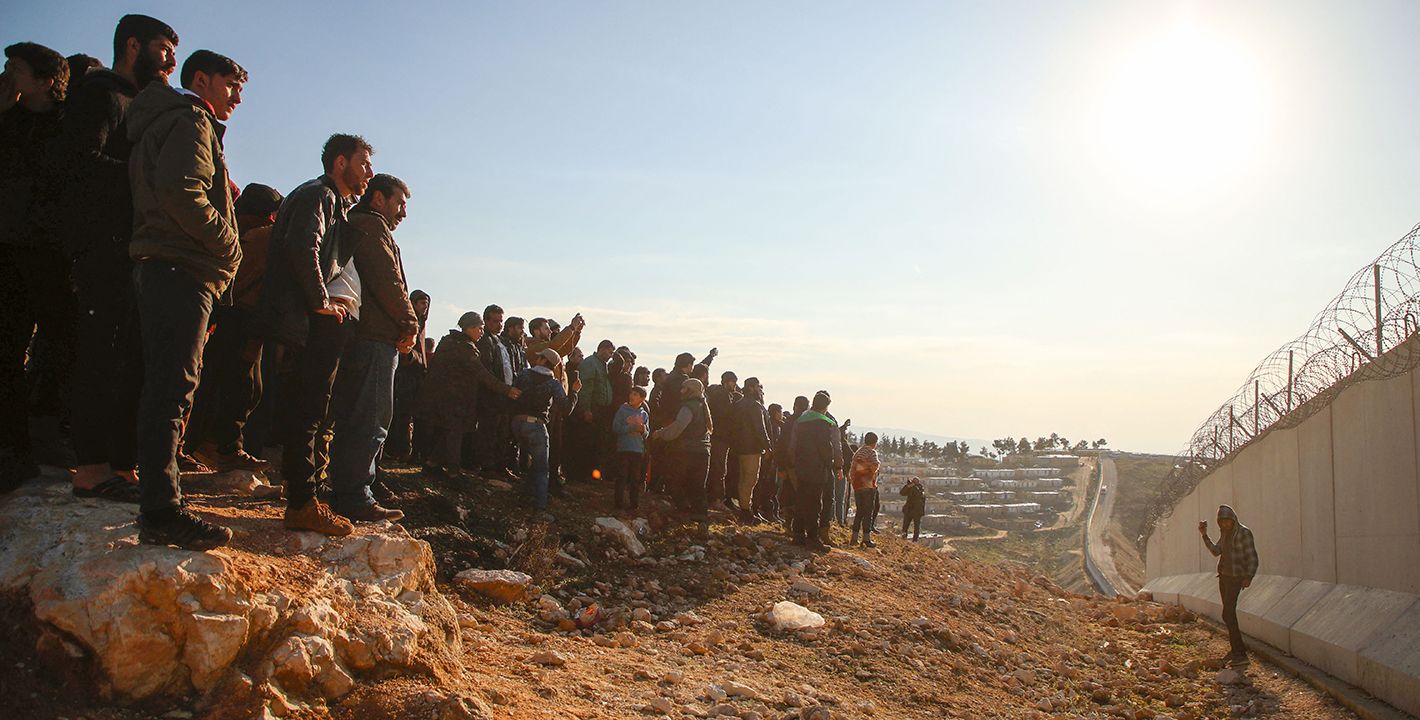
    In Syria’s border regions, changes in demographics, economics, and security mean that an inter-Syrian peace process will require consensus among main regional powers that Syria must remain united, that no one side can be victorious, and that perennial instability threatens the region.

      Kheder Khaddour, Armenak Tokmajyan

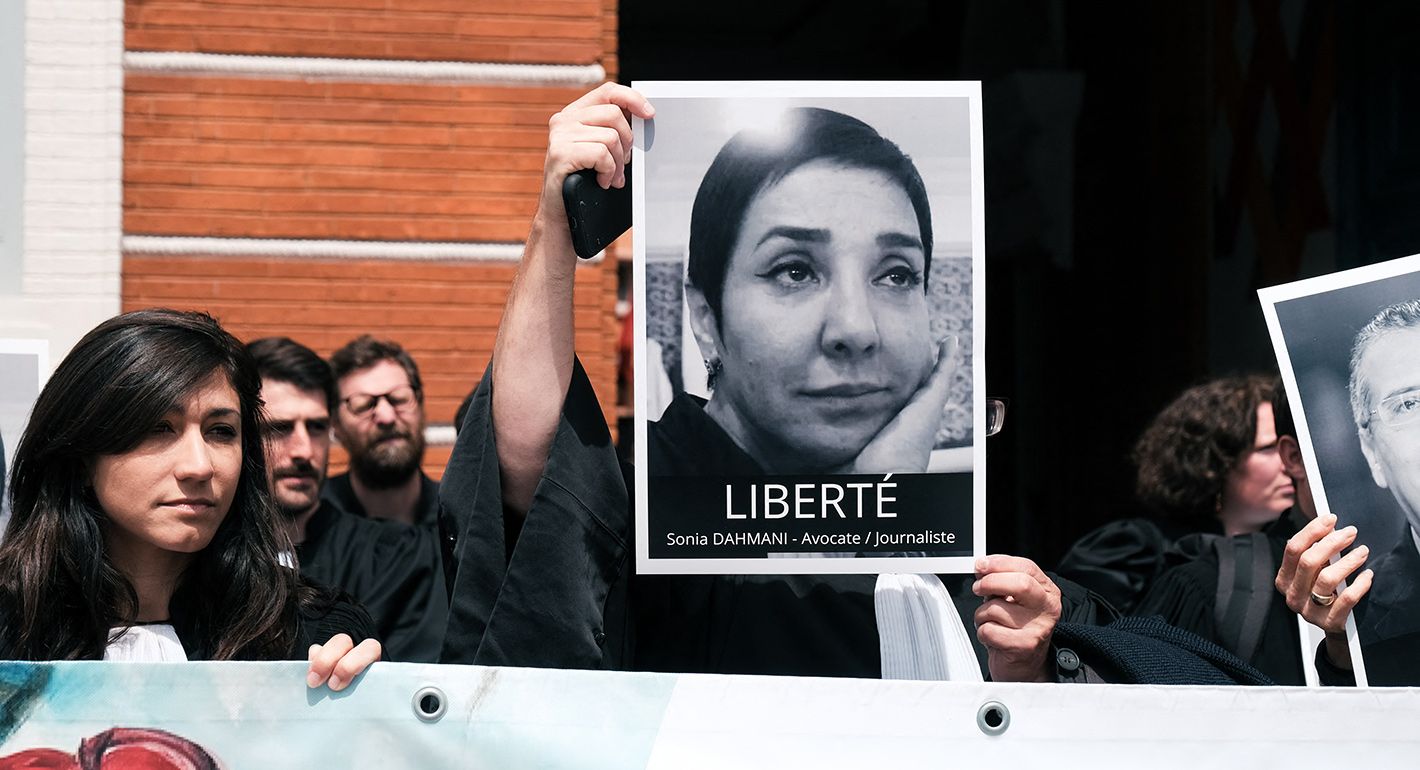
  • Rally organized by lawyers from the Toulouse Bar to protest against the arrest of their Tunisian colleague Sonia Dahmani and journalists, in front of the consulate in Toulouse, southwest of France, on May 16, 2024
    Commentary
    Diwan
    Why Tunisia Lost Faith in Democracy

    For many in the society, the post-Ben Ali years were mainly about successive economic crises and political instability.

      Jasmine Khelil

  • Commentary
    Sada
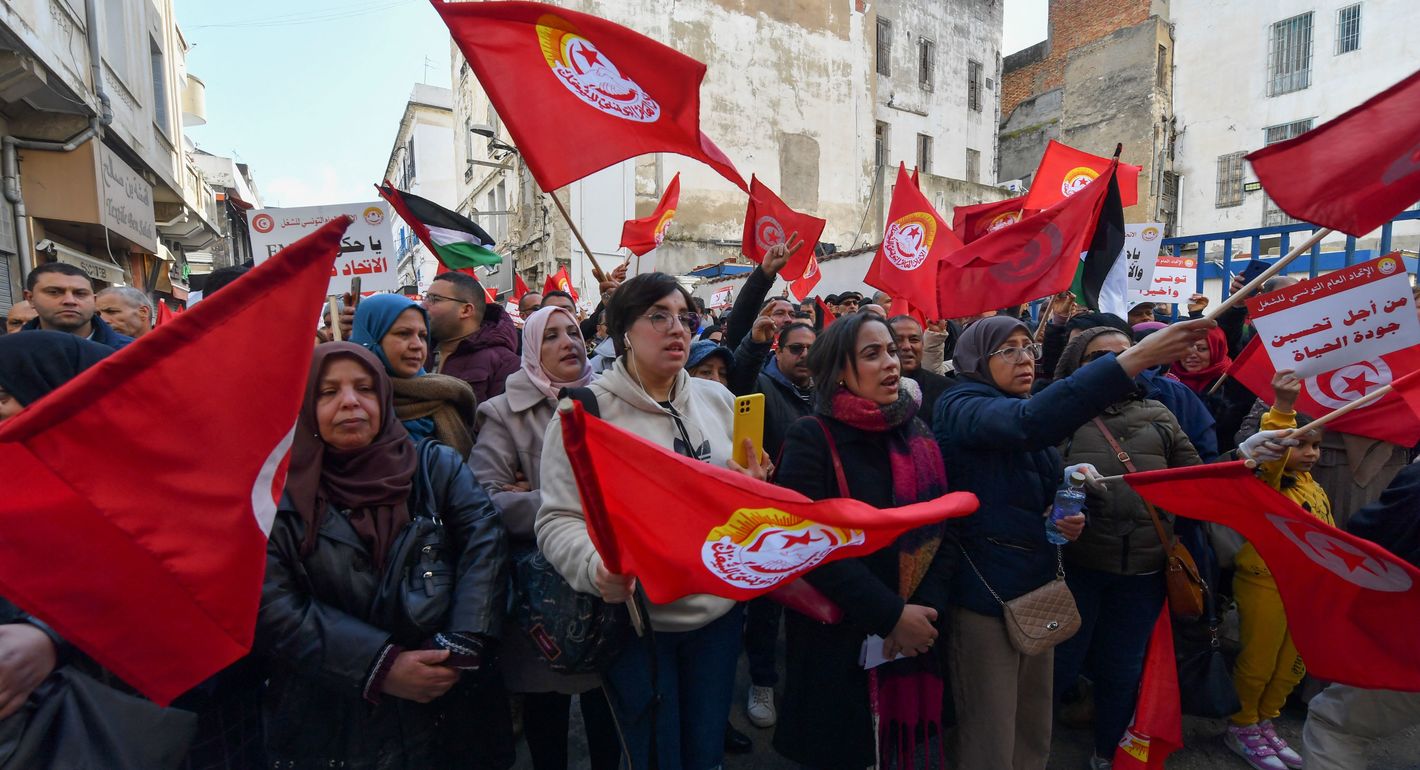
    Tunisian Trade Union Women: Agents of Change

    As members, organizers, and leaders, women continue to play an important role in the General Union of Tunisian Workers and advance its political advocacy.


      Heba F El-Shazli

Get more news and analysis from
Malcolm H. Kerr Carnegie Middle East Center
Carnegie Middle East logo, white
  • Research
  • Diwan
  • About
  • Experts
  • Projects
  • Events
  • Contact
  • Careers
  • Privacy
  • For Media
Get more news and analysis from
Malcolm H. Kerr Carnegie Middle East Center
© 2026 Carnegie Endowment for International Peace. All rights reserved.