

Report
Tim Maurer, Arthur Nelson
{
  "authors": [
    "Tim Maurer"
  ],
  "type": "other",
  "centerAffiliationAll": "dc",
  "centers": [
    "Carnegie Endowment for International Peace"
  ],
  "collections": [],
  "englishNewsletterAll": "ctw",
  "nonEnglishNewsletterAll": "",
  "primaryCenter": "Carnegie Endowment for International Peace",
  "programAffiliation": "TIA",
  "programs": [
    "Technology and International Affairs"
  ],
  "projects": [],
  "regions": [
    "North America",
    "United States",
    "Middle East",
    "Iran"
  ],
  "topics": [
    "Security",
    "Technology"
  ]
}
Source: Getty
More than 30 countries are pursuing offensive cyber capabilities. These states rely on hackers that are not part of the intelligence community–cyber mercenaries or, more broadly, cyber proxies.
Source: Washington Quarterly
Non-liberal democracies are delegating, orchestrating, or passively supporting cyber proxies to conduct offensive cyber actions, affecting international peace and security. Developing a more robust and comprehensive strategy, particularly in international law enforcement among other approaches, is needed to more effectively address cyber proxies in the long term.
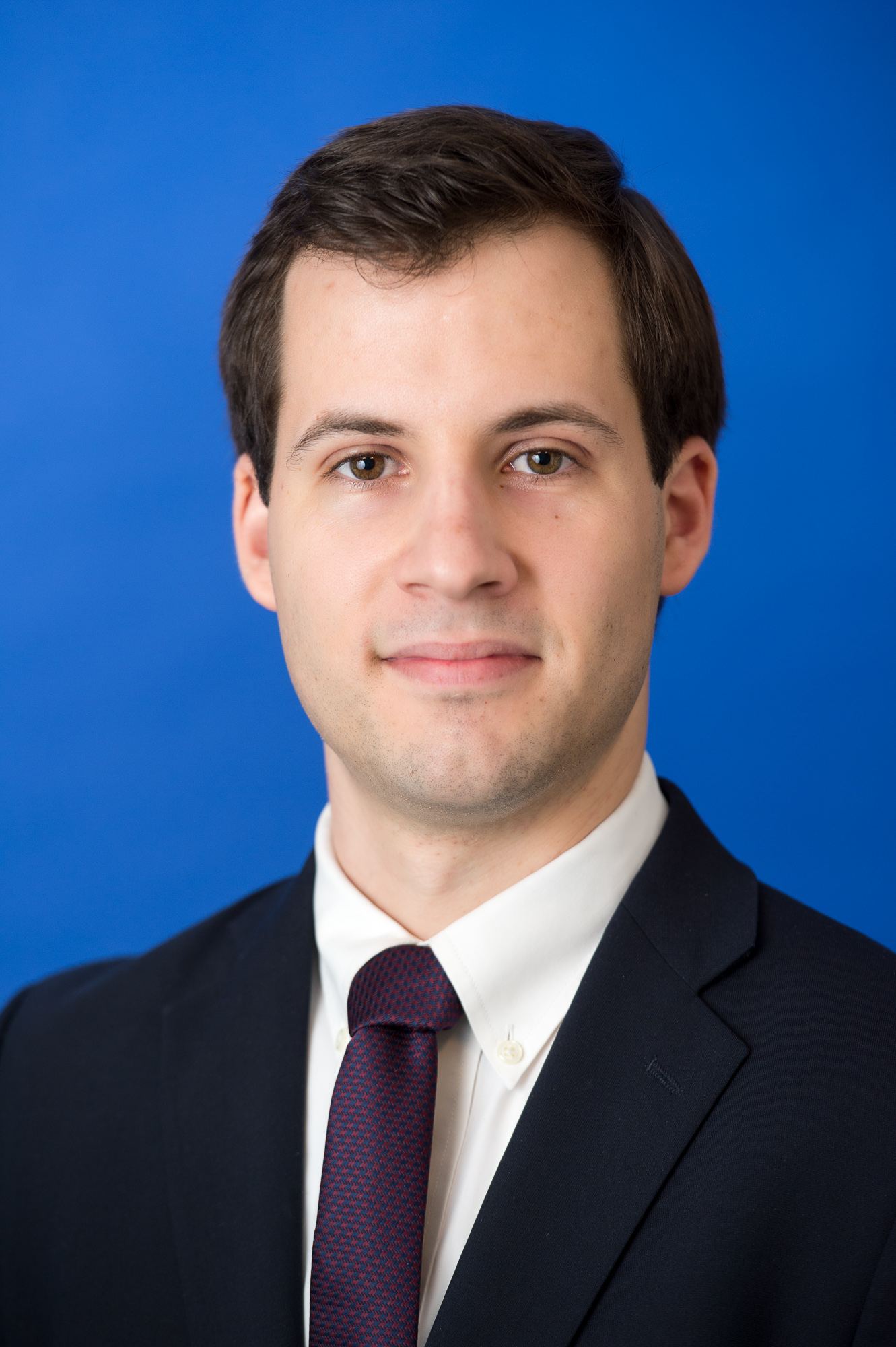
Former Senior Fellow, Technology and International Affairs Program
Dr. Tim Maurer was a senior fellow in Carnegie’s Technology and International Affairs program.
Recent Work

Tim Maurer, Arthur Nelson
Tim Maurer, Garrett Hinck
Carnegie does not take institutional positions on public policy issues; the views represented herein are those of the author(s) and do not necessarily reflect the views of Carnegie, its staff, or its trustees.

In an interview, Rozina Ali discusses her new book on the rise and manifestations of Islamophobia in the United States.

Michael Young

In an interview, Ian Lustick and Eli Clifton discuss their new book on why a prominent ally has so much influence in America.
Michael Young

As the U.S. stumbles in its war with Iran, we are likely to see an acceleration of its disengagement from the region.
Michael Young

Middle Eastern states should welcome an accelerated U.S. disengagement from their region.
Michael Young

In an interview, former ambassador Charles Freeman assesses the Trump administration’s war against Iran.
Michael Young